Japan – A family Adventure

JAPAN – Beyond Sushi and Sashimi

ADJUST-2

The Land of the Rising sun, though briefly above a sea of clouds, is truly amazing from the freezing summit of Mt Fuji. The land with ancient and unique temples with rising tiered pagodas and manicured Zen gardens ; densely populated metropolis where neon light compete with blurry stars ; cosy eateries and complicated menus; ever punctual and speeding bullet trains and the irreplaceable Japan Rail Pass; exquisite cuisine and culinary delights ; beautiful and immaculate “Geisha”; silky kimono clad women and school girls in short skirts ; tidy “Ryokan” and “Minshuku”; mouth- watering and petite sweets ; soothing naked hot baths in “Onsen” ; additive manga; colourful anime and the constant banging sounds of Pachinko machines; the food – “Tempura”, “Sushi”, “Omuraisu”, “Yakatori”, “Okonomiyaki”, “Sashimi”, “Gyoza”, “Bento”, “Agedashidofu”, “Tsukemono” and more. However, the remarkable people – their politeness, work ethics, congeniality, helpfulness, language and beautiful smiles – had been a highlight of this journey. This is extraordinary……… Japan.

Japan had intrigued me since school where I had to memorise the economic and historical facts, from the Shogunate to the then modern and industrial Japan. My interests were the ancient capitals of Kyōto and Nara – their array of temples with expansive grounds and towering pagodas, manicured Zen and gravel gardens. Then, there were the Samurai, Ninja and “Ultraman”. The Geisha and women in Kimono with dainty feet were all etched in my mind. Finally, with my family in tow, the long-awaited journey had come to frutation. There was a plan to see and do – climb, walk, taste and reflect. This, early fall in September, is our family’s foray into modern and ancient Japan.

Takayama – 1

DSC_0762untitled-238

It was past midday when we arrived at Takayama. Along the train journey, we passed mainly rural villages and wheat farms. We criss-crossed several slow flowing rivers. Takayama is located in the mountainous Hida Region in Gifu Prefecture. Here, we stayed at a traditional Japanese guesthouse, “Minshuku” where “tatami” mat floors, sliding doors and creaky wooden houses are the norm. It was a very hot day. The town looked quiet and the atmosphere relaxed. For lunch, we stopped at a restaurant where the local speciality is Hida beef. Marbled slices of beef grilled with some teriyaki sauce. Apparently, these animals are fed apples and beer? To get vegetarian meals was tricky. Hot pot, “nabemono” and grilled dishes are popular. I felt like we were in a sauna inside these restaurants. Takayama is known for its preserved old town, sake breweries, festival and its proximity to the Japan Alps.

untitled-250

The Miyagawa River intersects the town and the old town lies on the east. Several bridges connect the banks of the river. The most popular is the red Nakabashi Bridge. It is a compact town and walking is the best way to enjoy this slow pace town. This includes the temples, shrines, museums, restaurants, the old neighbourhoods and the preserved old town. However, the weather was hot and humid which made walking demanding. Kids played in the shallow river. Cherry trees lined the banks of the river.

The Hida-Kokubunji Temple, the oldest temple untitled-234in Takayama, was initially built around 760AD. It started with seven tier wooden pagoda but reconstructed during the Edo Period to the current three storeys. The pagoda is visible from our “Minshuku”. Just past the steps at the main hall is gong struck with a long cloth adorned with totems. The interior is intricately carved. However, there were no English explanations. At the open courtyard, a handsome and lush lime green Gingko tree, over 30m tall and estimated to be over 1000 years old, provided shade in this hot day. Buttress roots swirled around its base in a protected area.

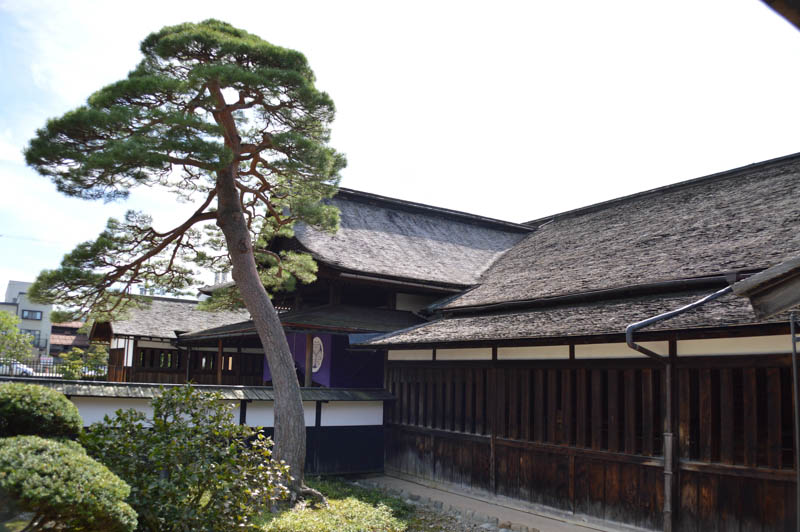
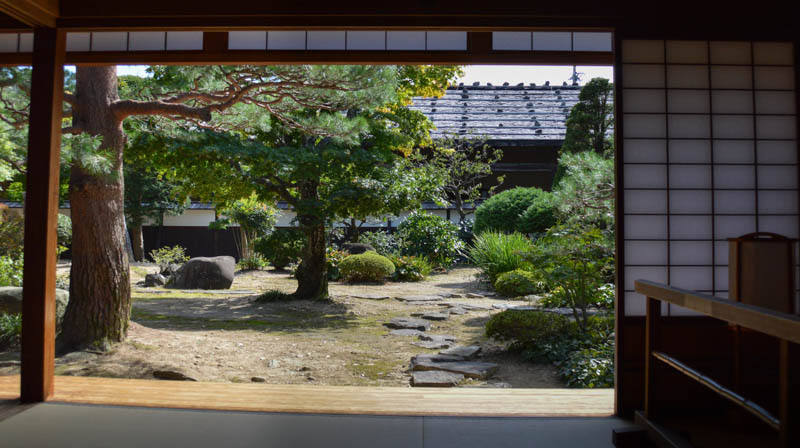
Today, the Takayama Jinya is a museum. During the Edo Period, it was the administrative centre for the Hida Region under the Tokugawa Shogunate. It is a large wooden complex with wide “tatami” floor halls, sliding doors and residential places. The inner courtyard has lovely manicured garden and stone walkways. I envied these designs – with pleasing views from inside the hallways. A large annex building acted as a rice storehouse. All made from the priced wood this region was once famous for. Delicately pruned pine trees add an old world appeal.

untitled-236untitled-235DSC_0781untitled-237

This complex is located at the edge of the old town, “sanmachi”. Two lovely women dressed in bright traditional kimono added colour to the brown and white exterior.

Tokyo – Omoide Yokocho

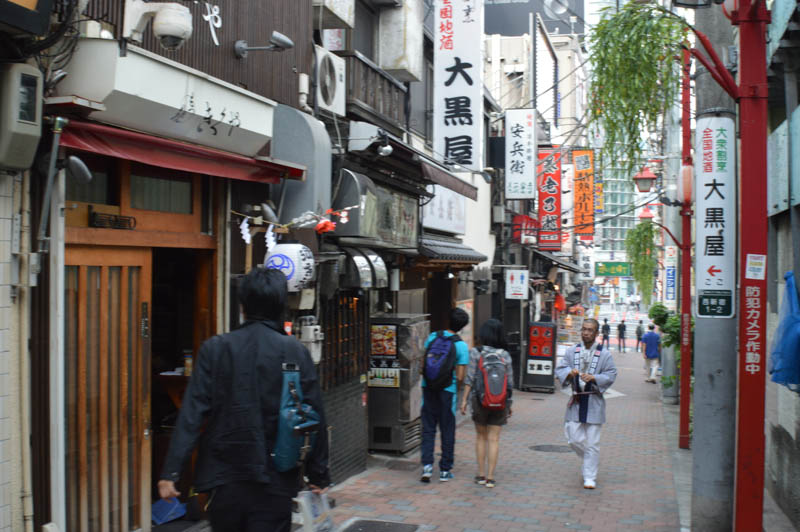
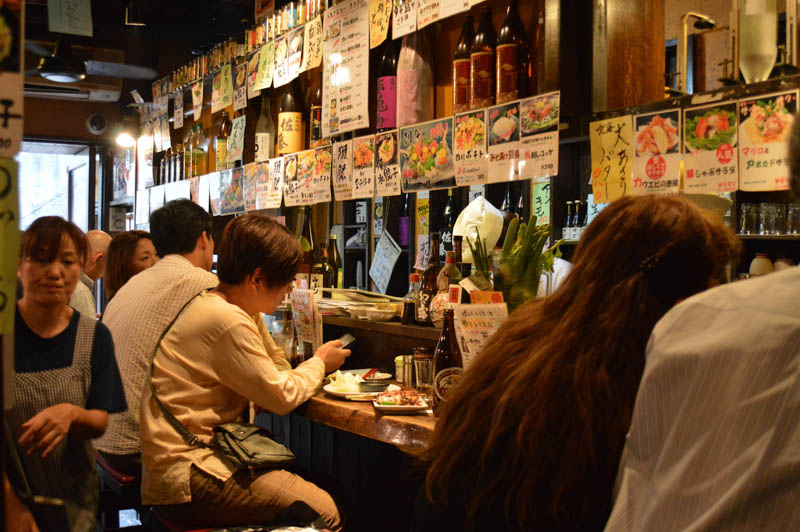
At Shinjuku, we headed to an old area called Omoide Yokocho. Although armed with a map, it was tricky to locate it. Just asked a few locals and we were there. It is a network of alleyways behind the main drag and under the rail tracks. Omoide Yokocho means Memory Lane. Other names associated with this old world neighbourhood include Piss Alley and Yakitori Alley. Walking through the narrow pedestrian only lanes, we passed a colourful collection of neon signage advertising each shop’s specialities. These small eateries specialised in “yakitori”, “ramen”, “soba” and seafood. Beer, sake and other drinks usually accompany these diners. “Izakaya” is a pub like establishment and is iconic in Japan. It basically caters for the average salary man. It is a strange mix of this small old Japan surrounded by towering skyscrapers. We arrived here for lunch. Perhaps it is much more vibrant after sundown with lights from the neon signage and lanterns shining brightly. Hopefully, these small number of eateries will continue to provide hearty comfort food to many more locals and travellers alike.

untitled-58 untitled-65 untitled-62 untitled-61

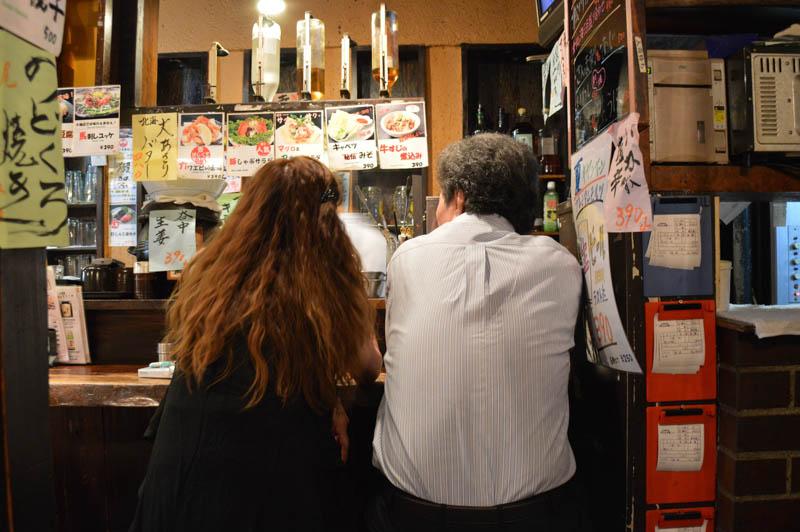
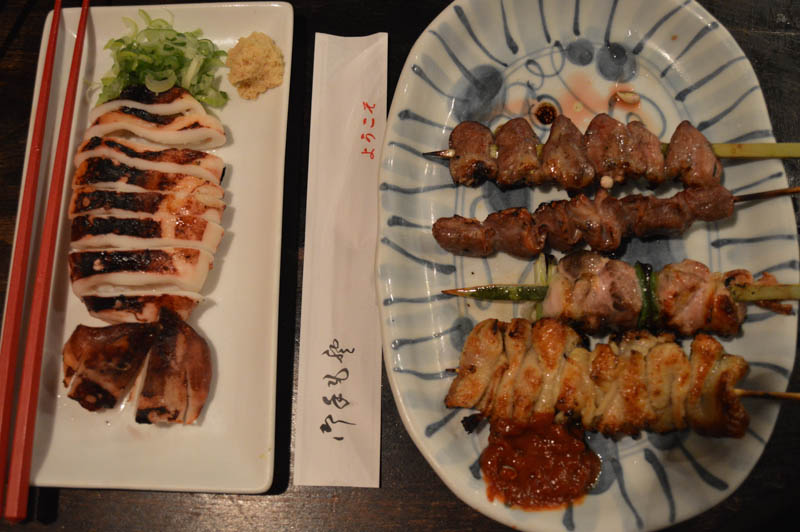
The “izakaya” we went had one long bench table and three small sitting tables which could accommodate about fifteen people. The atmosphere, with bright red lanterns at the entrance, endurable smoke levels and the cosy feeling of the interior all added an appeal. Colourful posters of dishes and prices hung almost everywhere possible. The staff, although could hardly speak English, were helpful. Using pictures, pointing out to other patrons’ dishes and with words like – “no butaniku”, “no- gyuniku”, “toriniku”, “bejitarian”, “sakana”, all helped to break the ice. Sometimes we got it wrong. We ordered the safe option – sushi, some fish which later turned out to be squid, “yakitori” chicken – which came with a range of meat, liver, fat and gizzard. As an accompaniment, vegetable tempuras were served. “Izakaya ” establishments are great as we get a mixture of dishes. Plus, the people are generally easy- going.

untitled-63

“Izakaya’” like this one offer some cheap eats with a variety of choices. There is one almost everywhere around the city. Just look out for the red lantern outside an establishment. Night time is much more vibrant and therefore means, as the establishments are small with limited seating, it can get filled up quickly.

Tokyo – Shinjuku


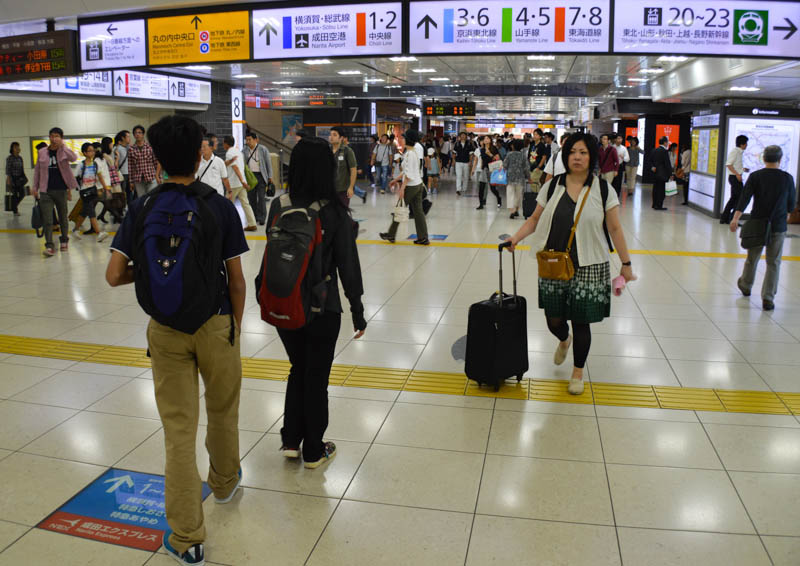
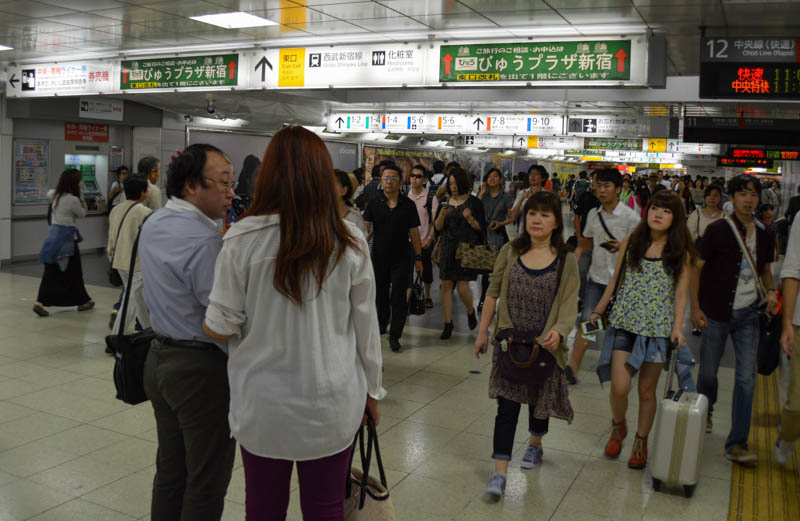
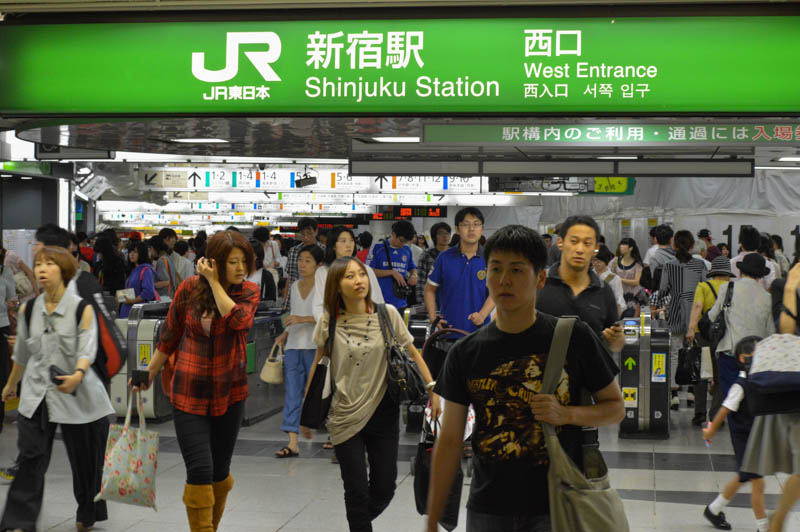
The Yamanote Line took us from Tokyo Station to the sky scrapper district – Shinjuku. This train station is the busiest in the world with over two million passengers daily. Several line including the subway, metro, Odakyu and more use these numerous tracks. This included the Shinkansen – bullet trains. As confusing and busy it can be, it was easy to navigate. Just ask the staff. Most have basic understanding of English and are extremely helpful. The site Hyperdia.com is valuable in checking schedules, options, track numbers, transit and transfer times. The station looked like a self- contained city. It is similar to Tokyo Station but much bigger. The atmosphere – busy and bustling as numerous bodies moved efficiently.

untitled-54 untitled-56

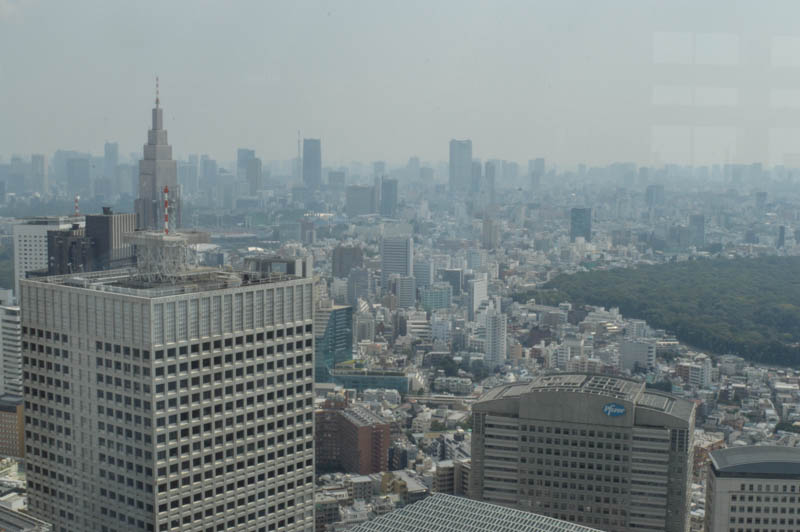
From the west exit on a tree lined road, we headed for the Tokyo Metropolitan Government Buildings. Two shiny towers leaped towards the sky. From one of them, at above 200m, we viewed the hazy shinny city towers and beyond. There were no views of Mt Fuji today. A green lung occupied the southern view – Yoyogi Park. Tokyo is a very clean and efficient city. We could hardly even see rubbish bins.

untitled-57 untitled-66

untitled-67

Shinjuku has the highest concentration of tall building in Tokyo. It is also a great shopping district especially on the east – camera, giant retail clothing department stores and numerous restaurants. Nearby is also Tokyo’s red light district with bars, nightclubs, love hotels and more. The Golden Gai area is also another popular nightlife particularly Kabukicho district. Most eateries in these areas and in most places we had been are small and quite specialised in their meals. There are many “izakaya” establishments here too. The buildings are mostly draped with bright signage and bill boards. With a high density area, people watching here is fabulous – chic outfits, hairstyles, branded clothing and accessories, the straight, the queer and much more.

“It was only early in the morning but already people were flocking to the TMG to get a good look of Tokyo……lines were filling up fast and the wait was almost an hour” – Navindd

Tokyo -Tokyo Station

untitled-53

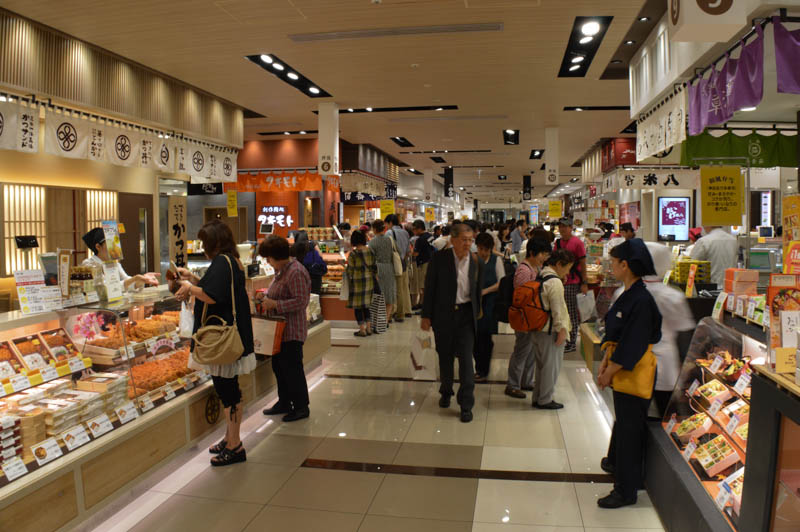
Located in the bustling Marunouchi District, Tokyo Station is a fascinating place. Thousands of people move through it every day. This was our first gateway into Tokyo city. It has a wonderful array of retailers. From eateries including up- market restaurants to outlets selling clothing and souvenirs. At the Daimaru building, incorporated within Tokyo Station, a floor is dedicated to a variety of mouth-watering “okashi”, snacks. My favourite is “mochi”, sticky balls with sweet fillings. I was just spoilt for choice. On another floor, an enormous variety of food was sold – bento lunch boxes, cold seafood, dumplings, cakes, mixed greens and many more. Price ranged from ¥800 up to ¥1800 depending on the dishes. Generally bento lunch boxes are priced around ¥1200 to ¥1500 [depending on the dish itself]. Any dish with fish is generally priced higher. This is the most economic for the discerning traveller. We did splash it out at restaurants to get a wider experience of Japanese food. We loved these eateries at all the train stations. They basically cater for the train commuters to and from work as well as travellers alike. Other buildings nearby also have food courts in their buildings. How convenient for the people working in these and nearby buildings.

untitled-52 untitled-51

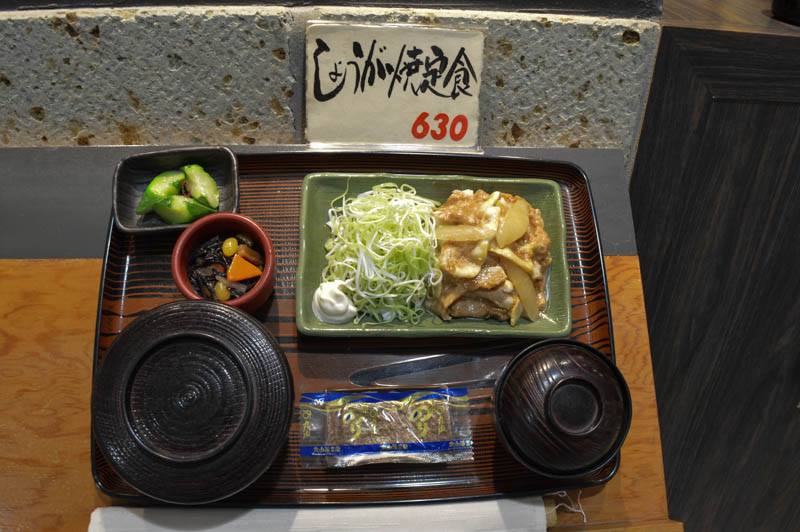
For breakfast, we surveyed the dishes displayed in glass windows. They were all fake. Plastic models imitated real food – noodles, meat, eggs, vegetables like carrots and mushroom. Prices were listed underneath each dish. A coin operated machine spits out a token of our order. We walked into the restaurant. A waitress came over and collected the token and few minutes later, steaming bowls and plates of aromatic meals arrived at the table. Salmon is popular amongst others. This set breakfast came with miso soup and are priced reasonably around ¥700 to ¥1000. By the way, the dishes and arrangement delivered to us were exactly as those displayed at the front glass window.

Swopkomund 2

2 August 2012

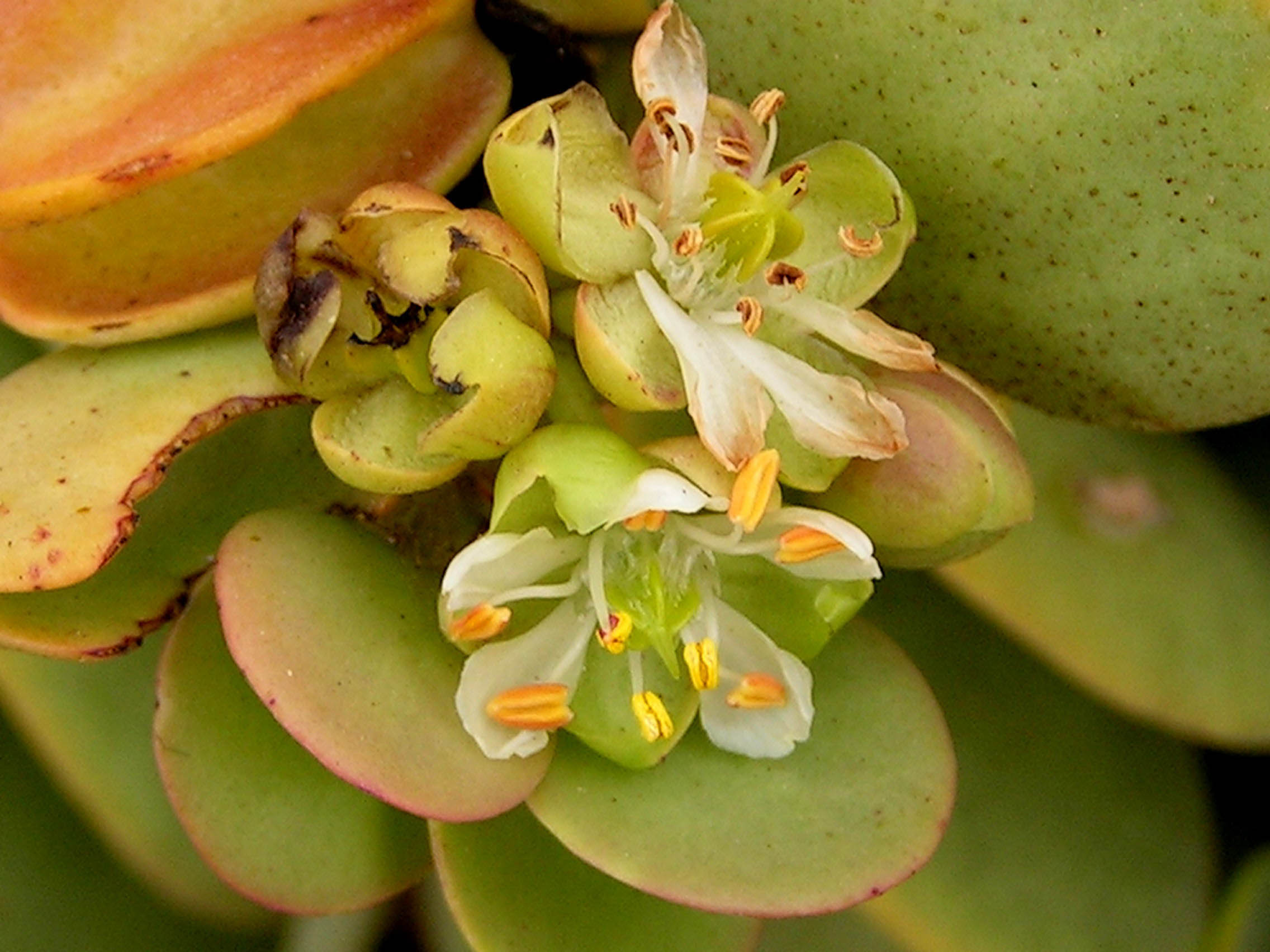
It’s a free day today for both the travellers and more importantly the guides. News at breakfast was not a good one. Our specialized vehicle had more problems. A mechanical or engine part had burst and were awaiting spare parts to arrive. Most of my fellow travellers had planned to do skydiving. There is an assortment of things to do while in town. I choose to get intimate with the desert. A group of us end up with a guide and a FWD and headed into the desert. The trail is almost sandy all the way. It looked totally arid. I can’t imagine life surviving here. Drought resistant plants do survive here. The Dollar Bush is one. Succulent rounded leaves absorb moisture from the air. Nearby was a spindly looking plant. These plants are adapted well to this harsh environment. Rain is very little and sparse. The fog created by the Benguela Current seemed like the only source for both flora and fauna.  In a wide valley, the now dry Swokop River supported a variety of plants including shrubs and small trees. These plants survived by throwing deep roots to tap the underground water. The oasis in turn provided wildlife to thrive particularly birds.

KONICA MINOLTA DIGITAL CAMERA KONICA MINOLTA DIGITAL CAMERA KONICA MINOLTA DIGITAL CAMERA KONICA MINOLTA DIGITAL CAMERA KONICA MINOLTA DIGITAL CAMERA

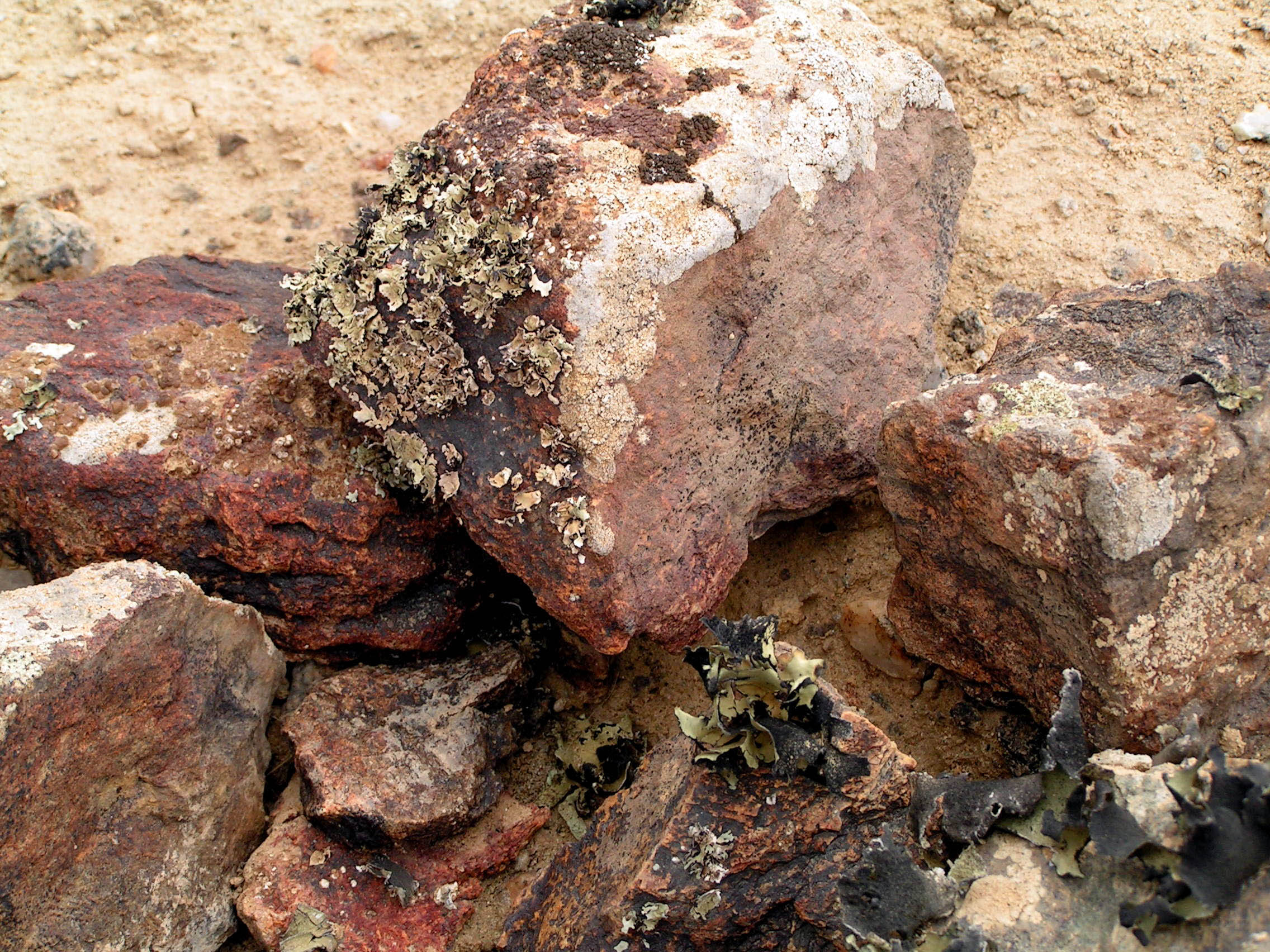
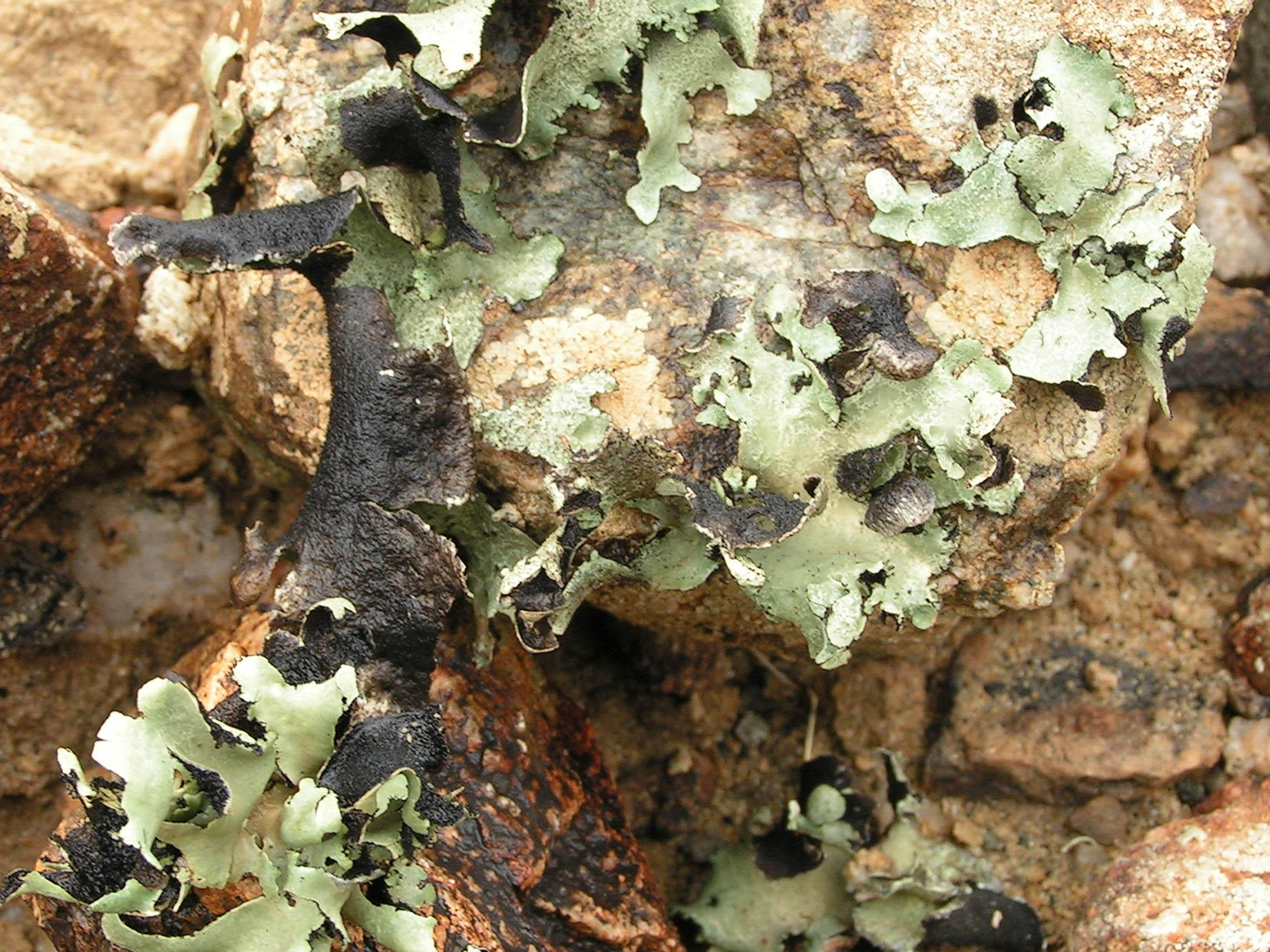
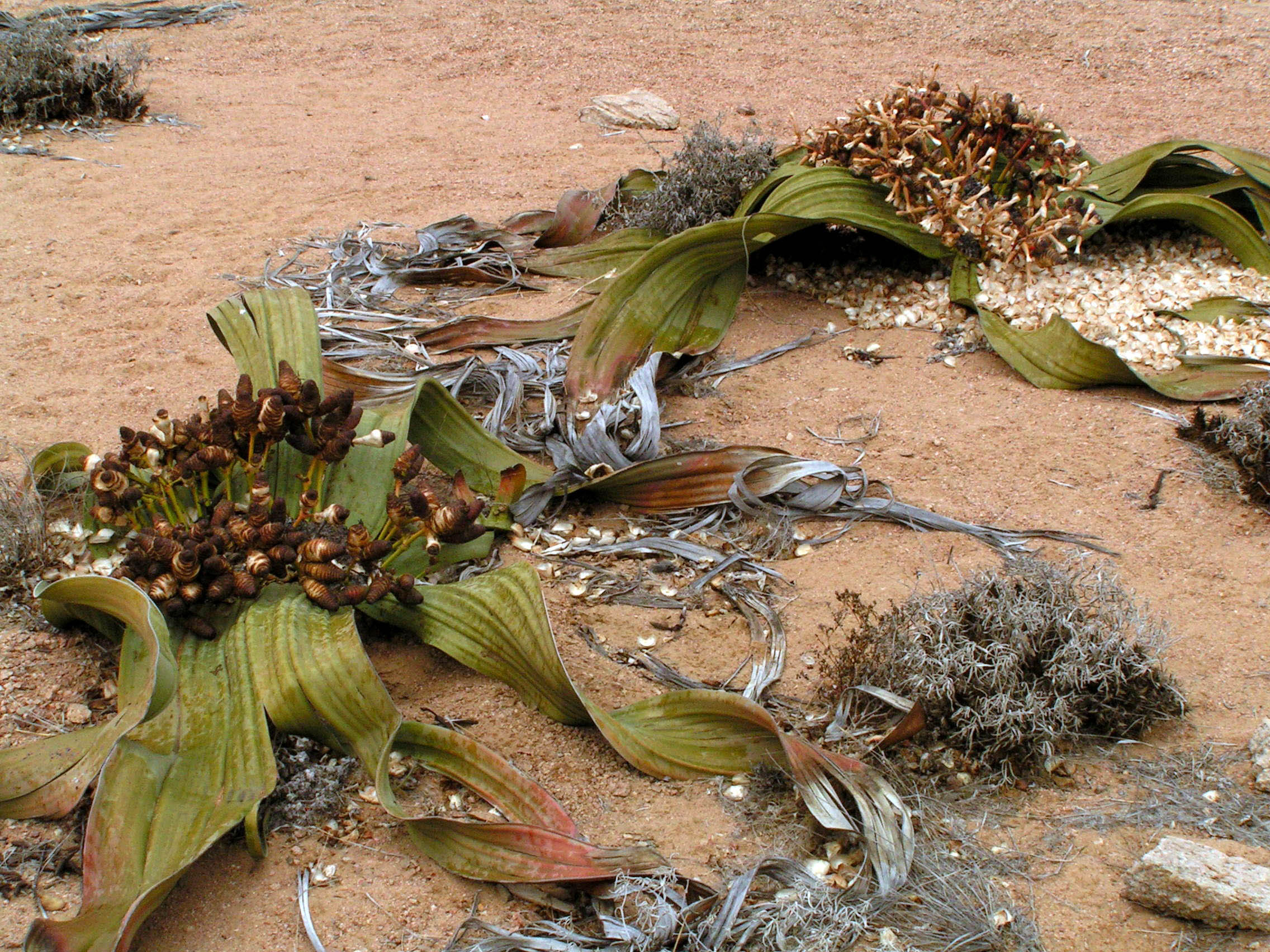
Along the Swokop River was a strange and bare landscape called the Moon Landscape. Soft stones had been eroded by the river leaving behind exposed layers of hard rocks.  At one spot we walked around some boulder rocks. I was surprised to find black fragments of dried lichens attached to the surfaces. When water is sprinkled onto them, like magic, the foliage moved and crackling sound emerged. From shades pale green to bright green, with black under surface. Looking more closely, there seem to be many types around. The desert is not inert at all. A black ridge of dolerite formed on the backbone of the mountains stretched far. This hard rock had remained as erosion had removed the soft rocks. We continued further on the desert sand roads to the witness a rare plant –  Welwitschia mirabilis. These plants are unique to the Namib. Only two leaves are produced in its entire life. As they grow they twist and curl and the edges eventually tear. Its survival is remarkable. Besides the harsh environment, man is assisting its unfortunate decimation. The male and female plants were in flower at this time. The plant also provided a home to a variety of beetles including the tok-tokkie and other colorful insects. In the open planes, wires from telegraph pole stretched to the horizon. Tiny spots of fungus covered vast areas of the arid surface . It is refreshing to witness that the harshest deserts managed to support life in a delicate environment.

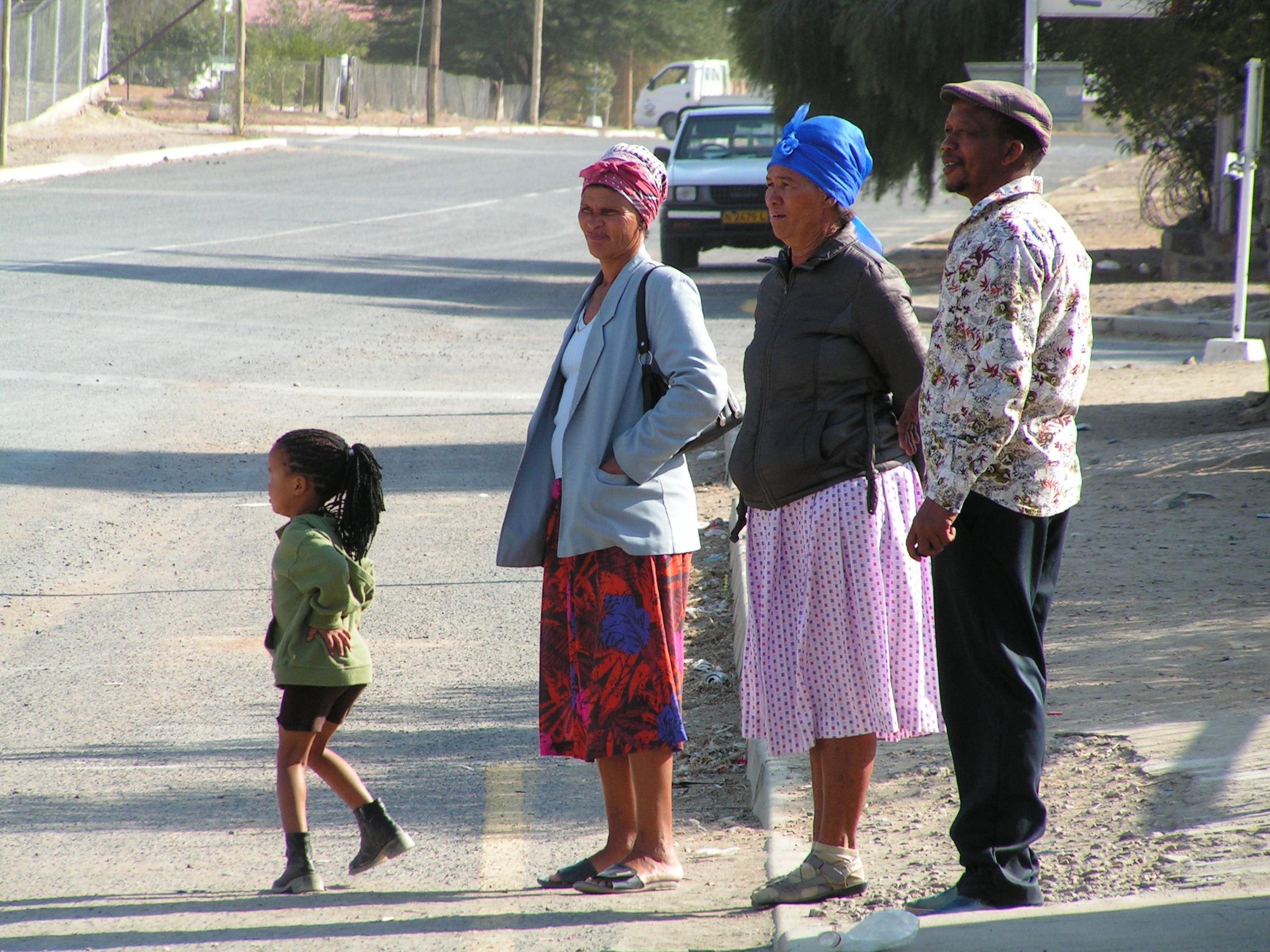
Back in town, I wandered along the coast and came across a group of Himba people making a living selling handicraft and souvenirs under a palm tree. The women had their bodies painted ochre and butter dye. They adorned many jewelries and the hair platted in many patterns. They had chosen to live their traditional way. Namibia is made up many ethnic groups but all seemed get along.  Nearby was another local tribal market. I met our guide Chris. The truck had not been repaired yet!

.

Swopkomund

1 August 2012

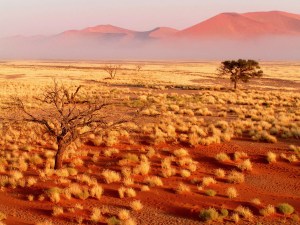
Today we headed out of the heart of Namib Desert in southern Namibia towards the skeleton coast. It was a bright sunny day. The heat can be very testing. I wondered about the animals and people whom call this place home. There is some greenery but sporadically. Fiery mountains ranges seem to float above golden grasses of an arid landscape. Spotting wildlife is exhilarating. A small heard of wildebeest foraged on the short grasses. Some distance away, a decent herd of Springbok nervously looked at the passing vehicle. It is simply amazing to see animals live in a natural environment without fences or borders. With the vehicle bouncing rapidly on the unpaved hot desert roads, one window shattered. Chris managed to get a spare attached. However, it continually dislodged just after several kilometres. The red dust spewed into the vehicle. There was some discontent. At the last breakdown, I mentioned to Chris that I had a duct tape in my pack. This incident had already slowed us down by an hour. All the baggage was removed from the truck and managed to get my tape. This was perhaps our last hope. Thankfully it held. Never leave home without a duct tape.

 To survive in the Namib is astonishing. The human endurance is equally amazing. Small outpost like settlement dotted the desert roads providing essential lifeline to travellers – fuel, restocking food supplies and repairs and maintenance.  Solitaire was such a town. It looked desolate. Shells of cars lay rusted in the compound. However, the high point here is the best place to sample apple pie in these parts of the world. A bakery dished out some hot steaming pies and other delights. It was a real treat.

We had reached the imaginary line of the Tropic of Capricorn. Under a blazing afternoon sun, we stood at the signage like we had discovered a new country. It was satisfying just knowing. The trail continued pass dried riverbeds at Gaub and Kuiseb pass. Deep rooted trees survived. These are desolate places of rugged hill and canyons. Winding through, we finally reached a paved road. The noise of the tyres against the unpaved roads of the desert became silent. A loud bang brought the vehicle to a stop. We had a flat tyre. This is the fact about travelling in the wild. We joked; the tyres couldn’t handle the wonderful smooth paved roads after days in the bouncy desert roads. Monumental sand dunes, a railway track and a nearby airport kept us company. With the tyres fixed, we reached Walvis Bay on the Atlantic coast in the late afternoon. A decent sized town at last. The views of water, although gray, were soothing. Namib is fascinating, colourful and although arid is certainly alive in many ways. Lesser flamingos feed in the shallow waters at Pelican Point surrounded by manicured gardens, modern housing and a thriving port. On the fringes of town, the in avertable advance of the reddish desert sand lay several feet high against the barrier walls of houses.

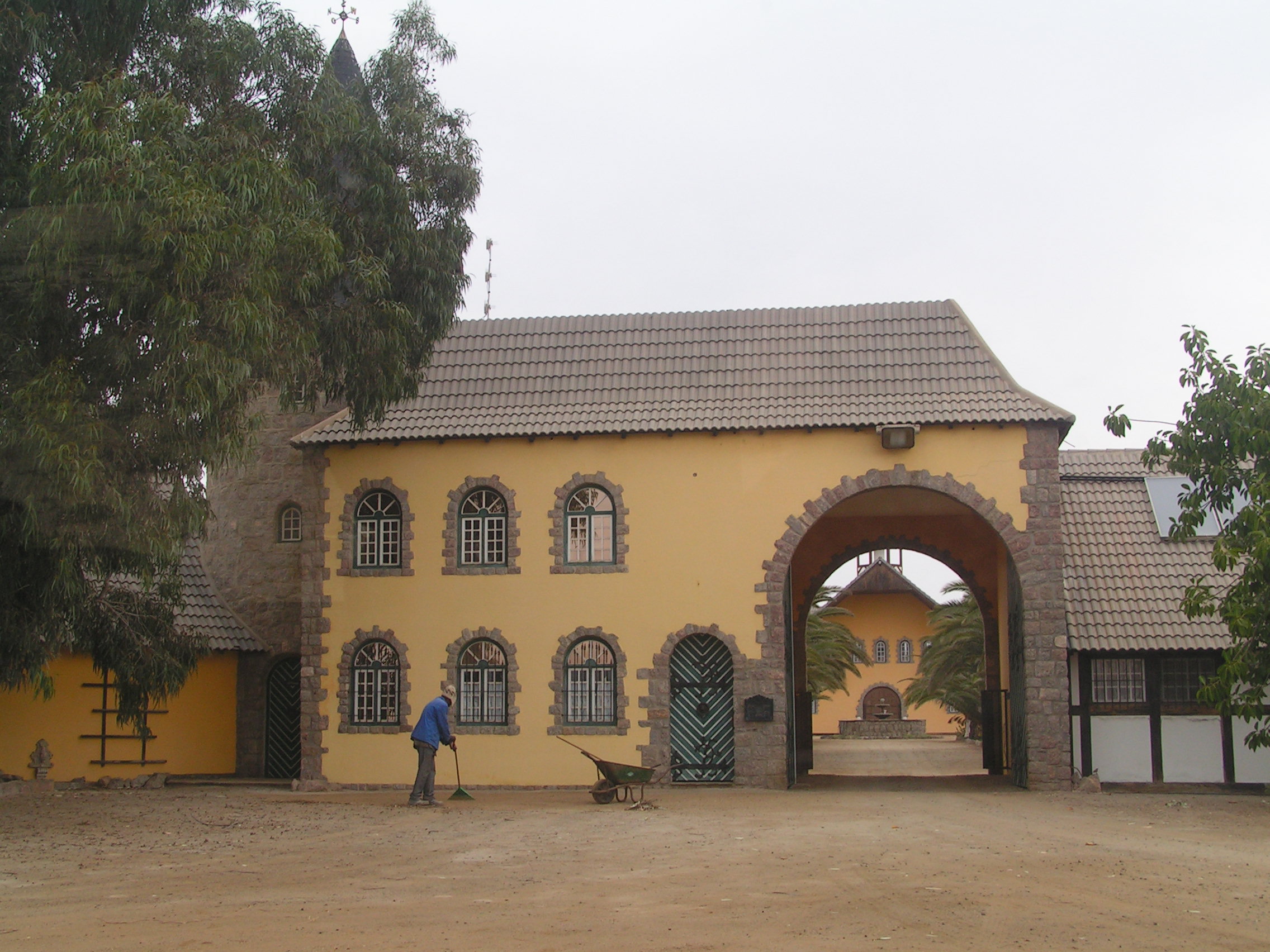
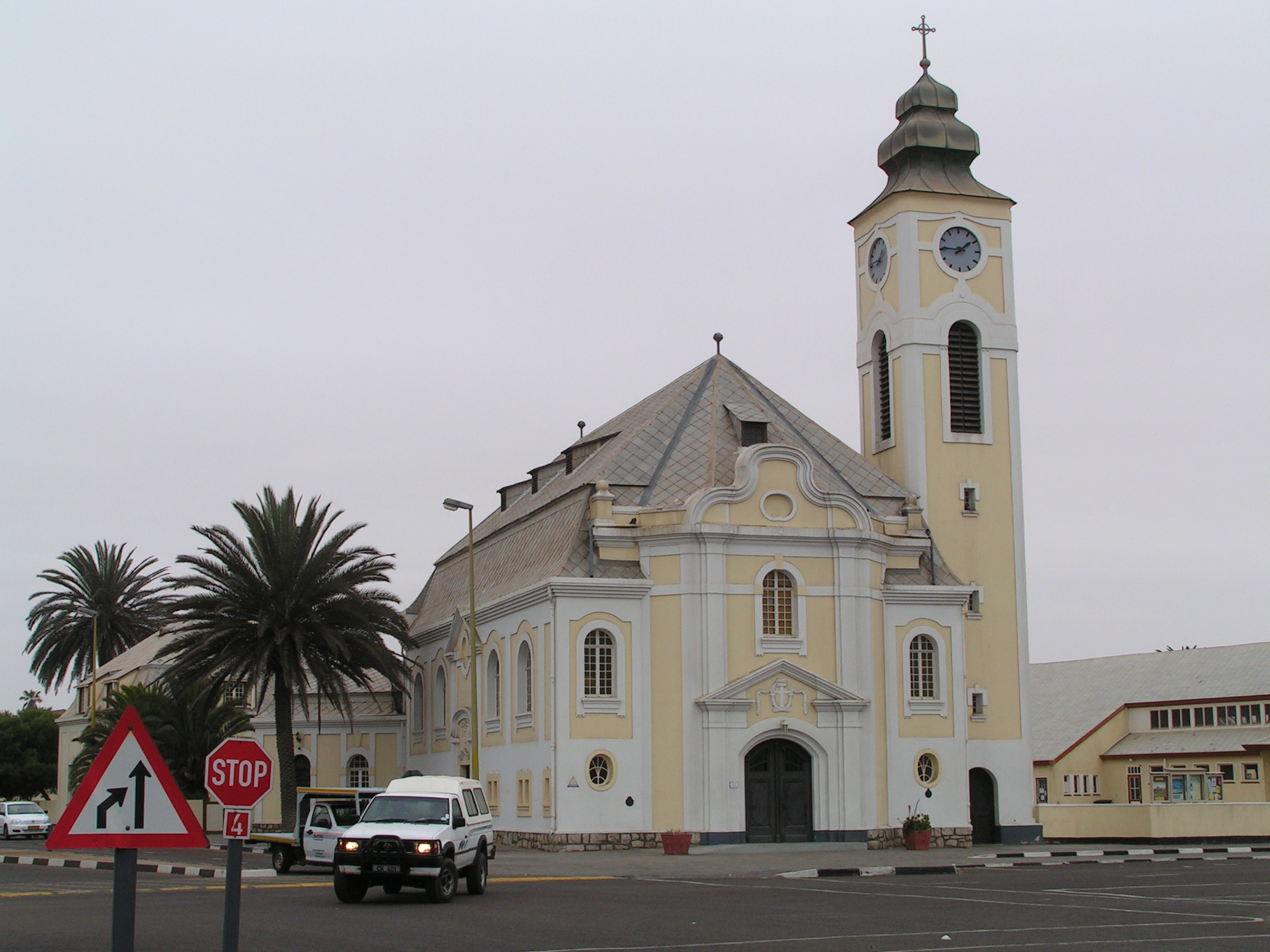
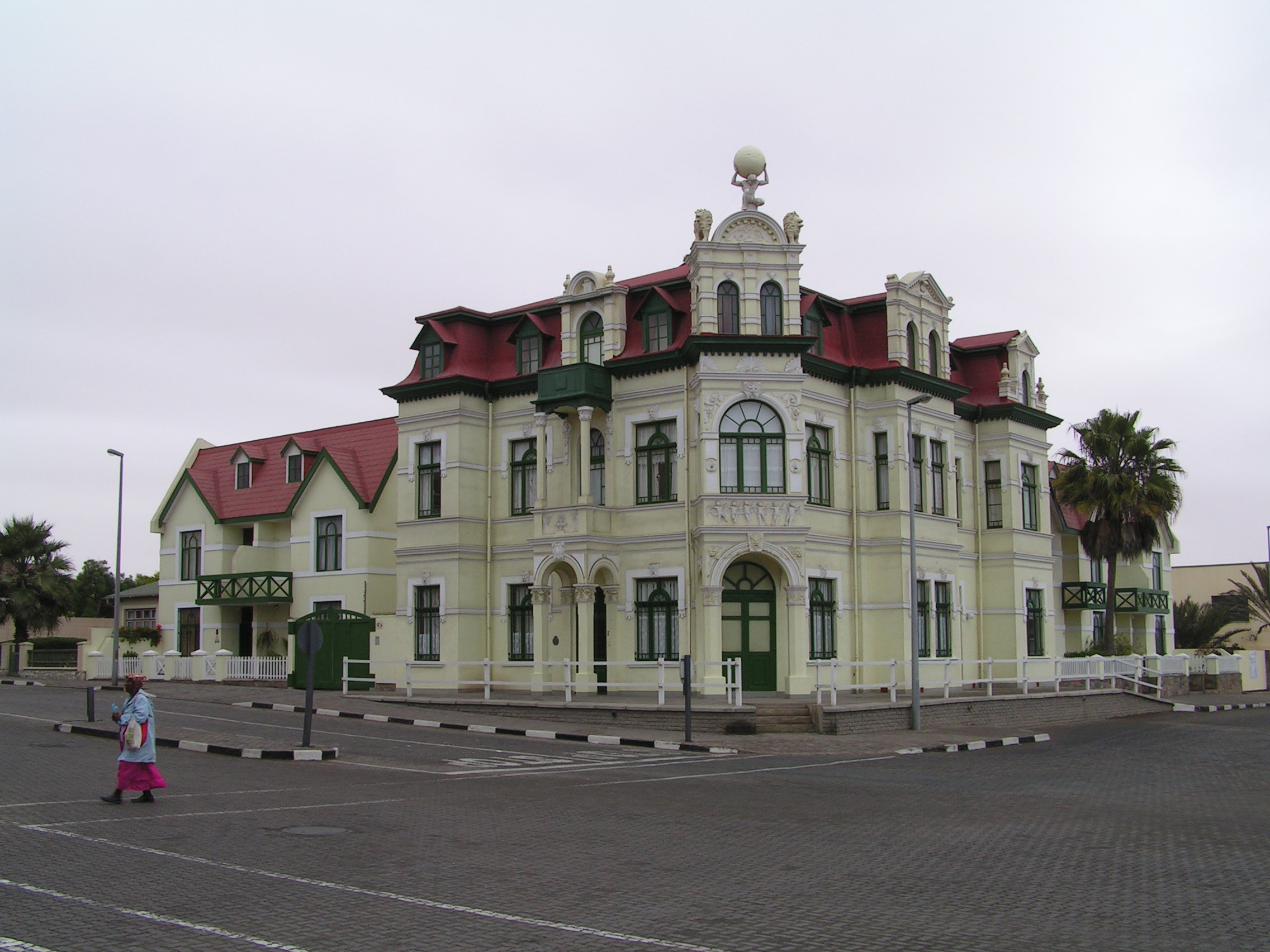
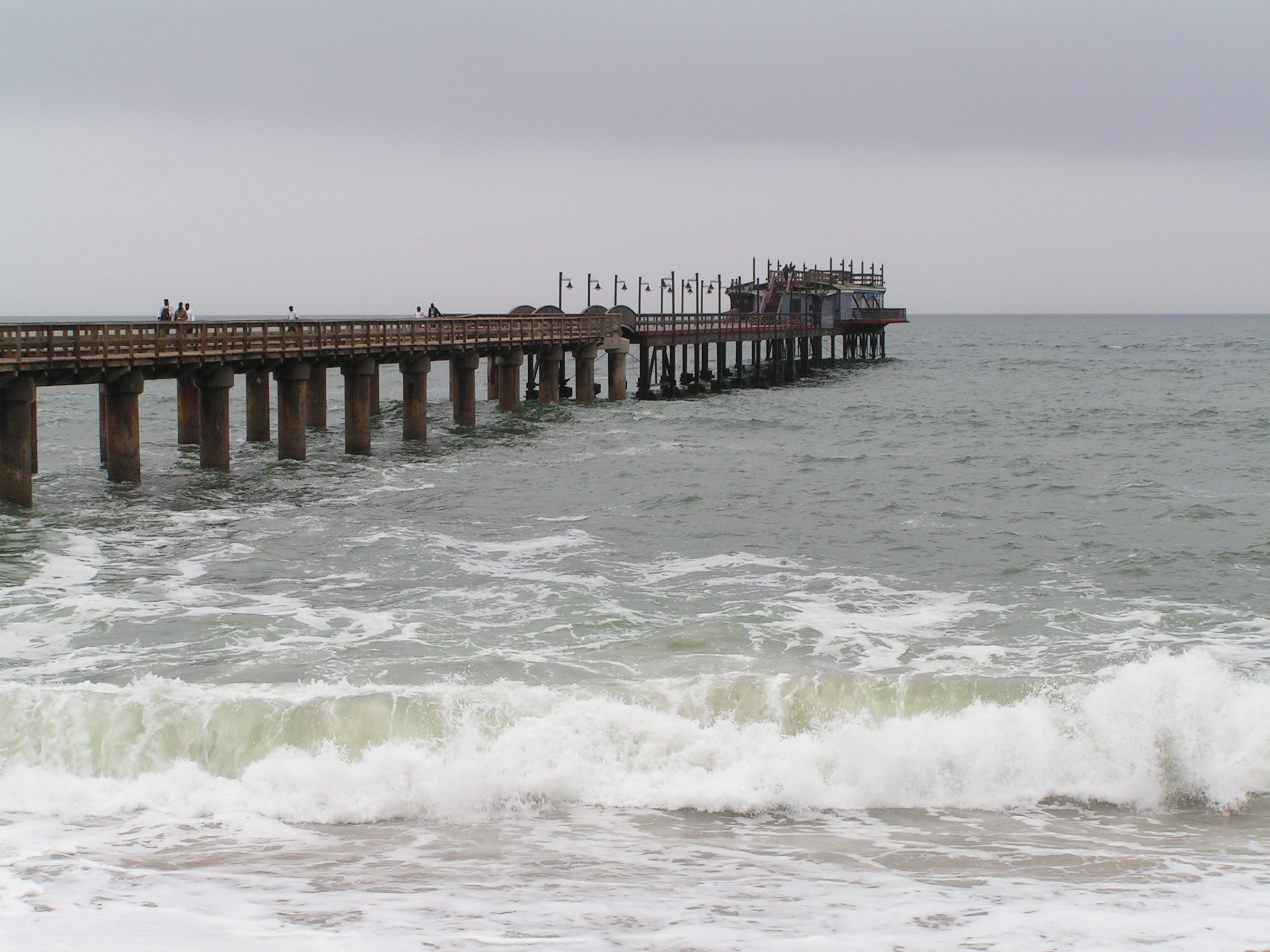
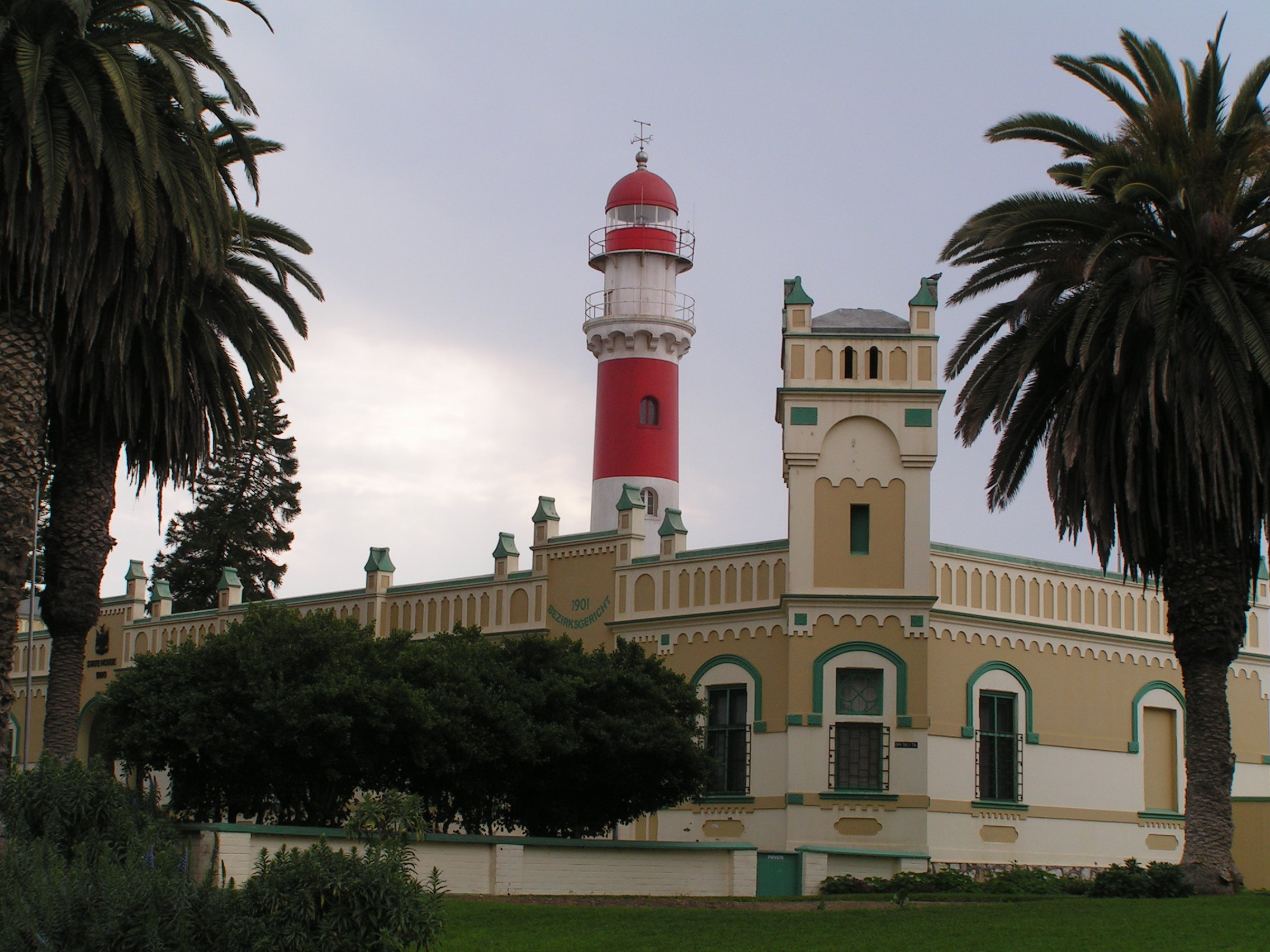
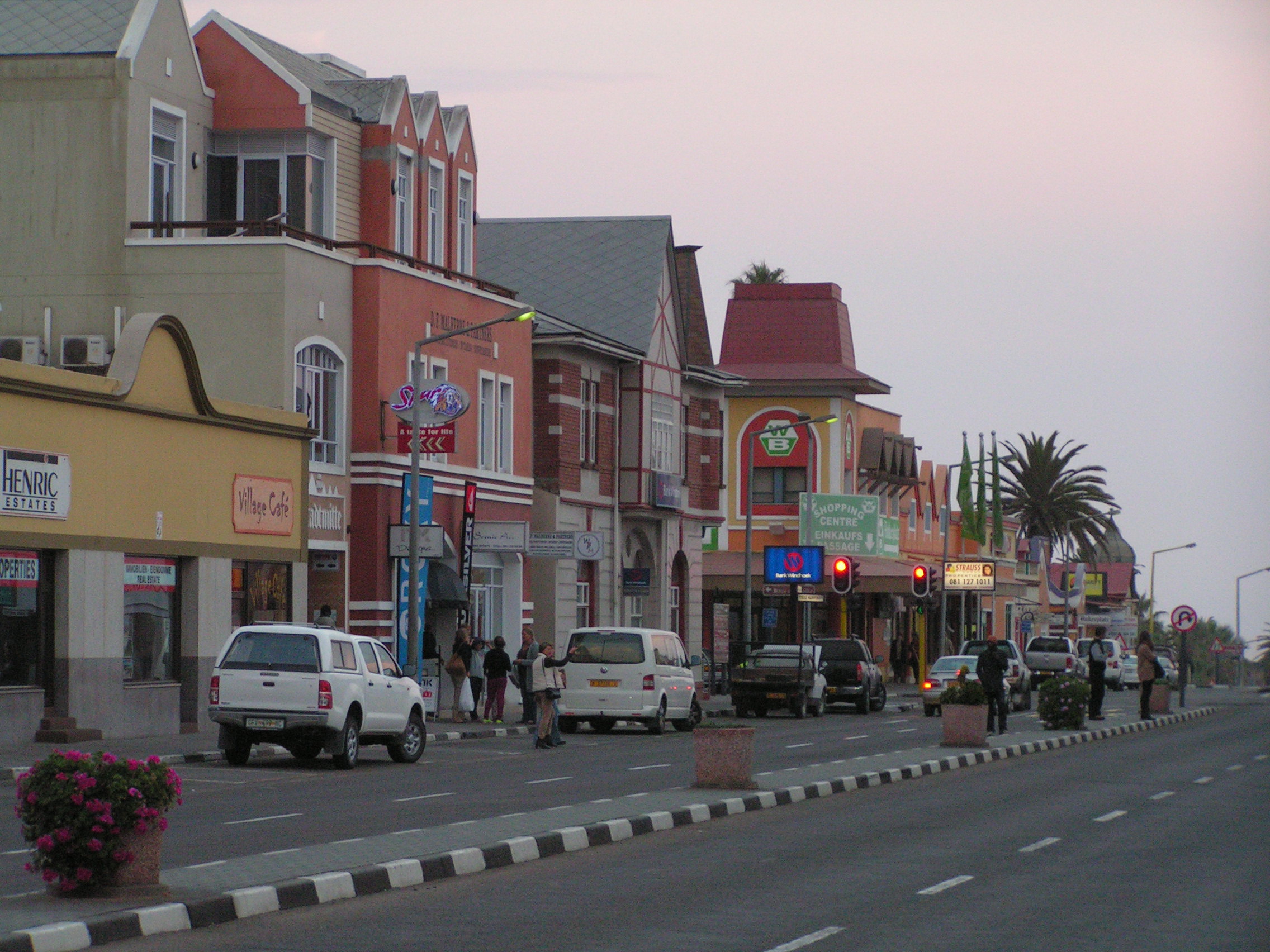
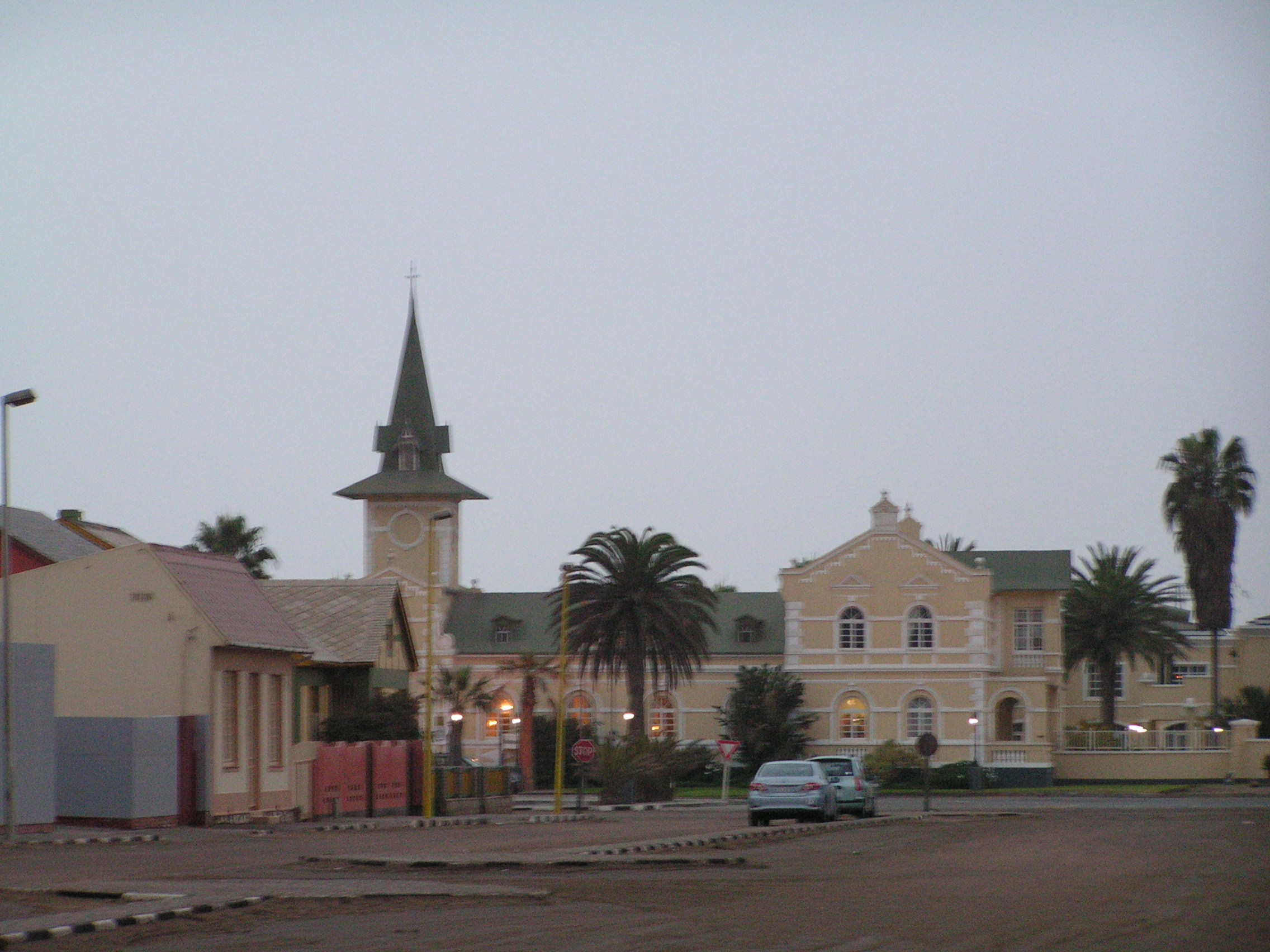
After lunch, we headed into Central Namibia to Swopkomund. The town is surrounded by the desert on one side and the Atlantic on the other. It is Namibia’s premier beach resort and has a unique German colonial architecture. Palm lined trees, neat wide clean roads, street markets, a promenade along the beach and colourful architecture greeted us. All the trimmings of comfort awaited us at a hotel. A group of us headed off to a restaurant on the jetty dining of fresh seafood with the waves crashing against the concrete pillars and the long sandy beach. The proximity of the desert, the heat and dust had faded away for now.

KONICA MINOLTA DIGITAL CAMERA               KONICA MINOLTA DIGITAL CAMERA KONICA MINOLTA DIGITAL CAMERA KONICA MINOLTA DIGITAL CAMERA KONICA MINOLTA DIGITAL CAMERA KONICA MINOLTA DIGITAL CAMERA KONICA MINOLTA DIGITAL CAMERA

Namib Naukluft National Park

31 July 2012

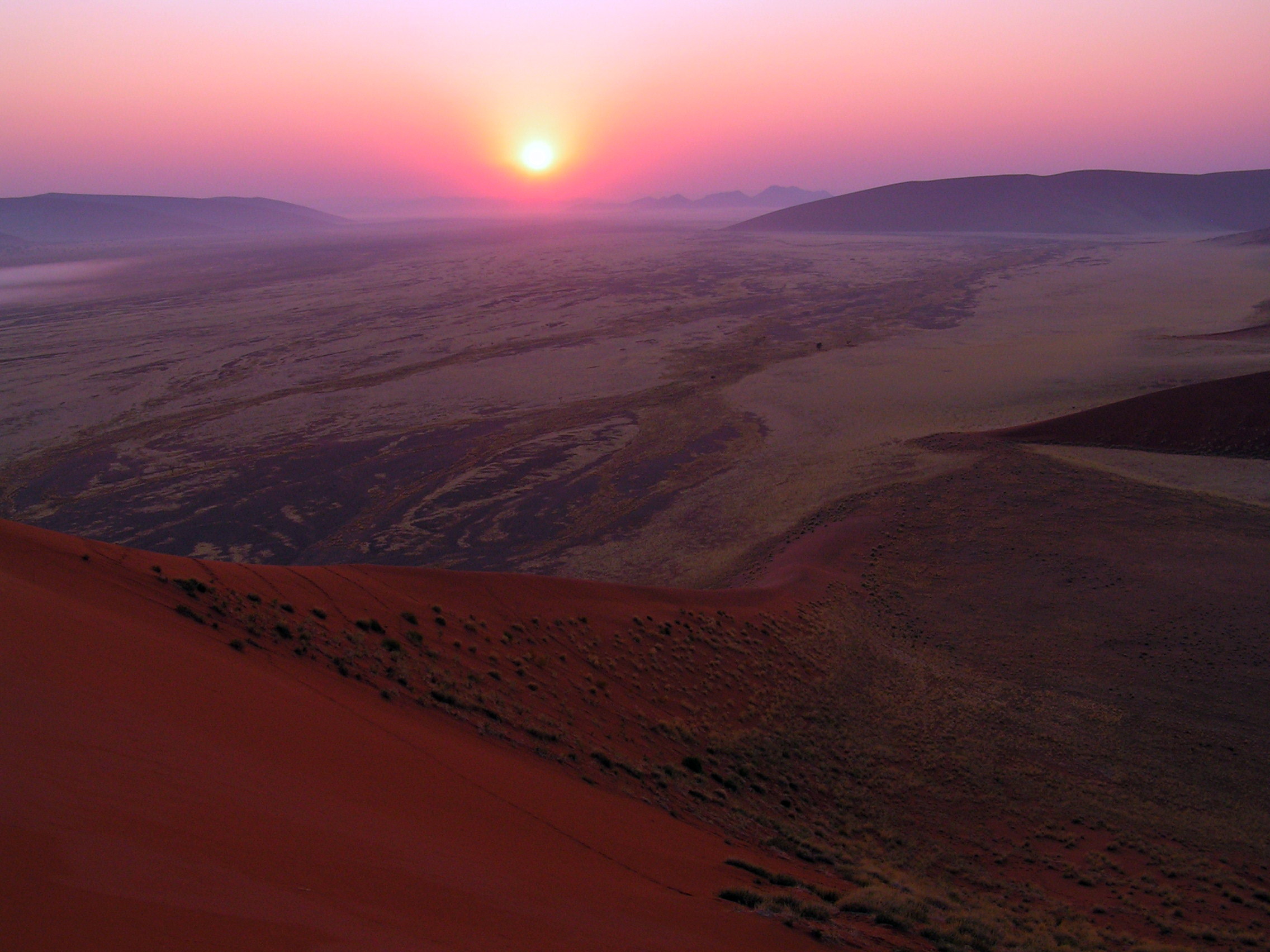
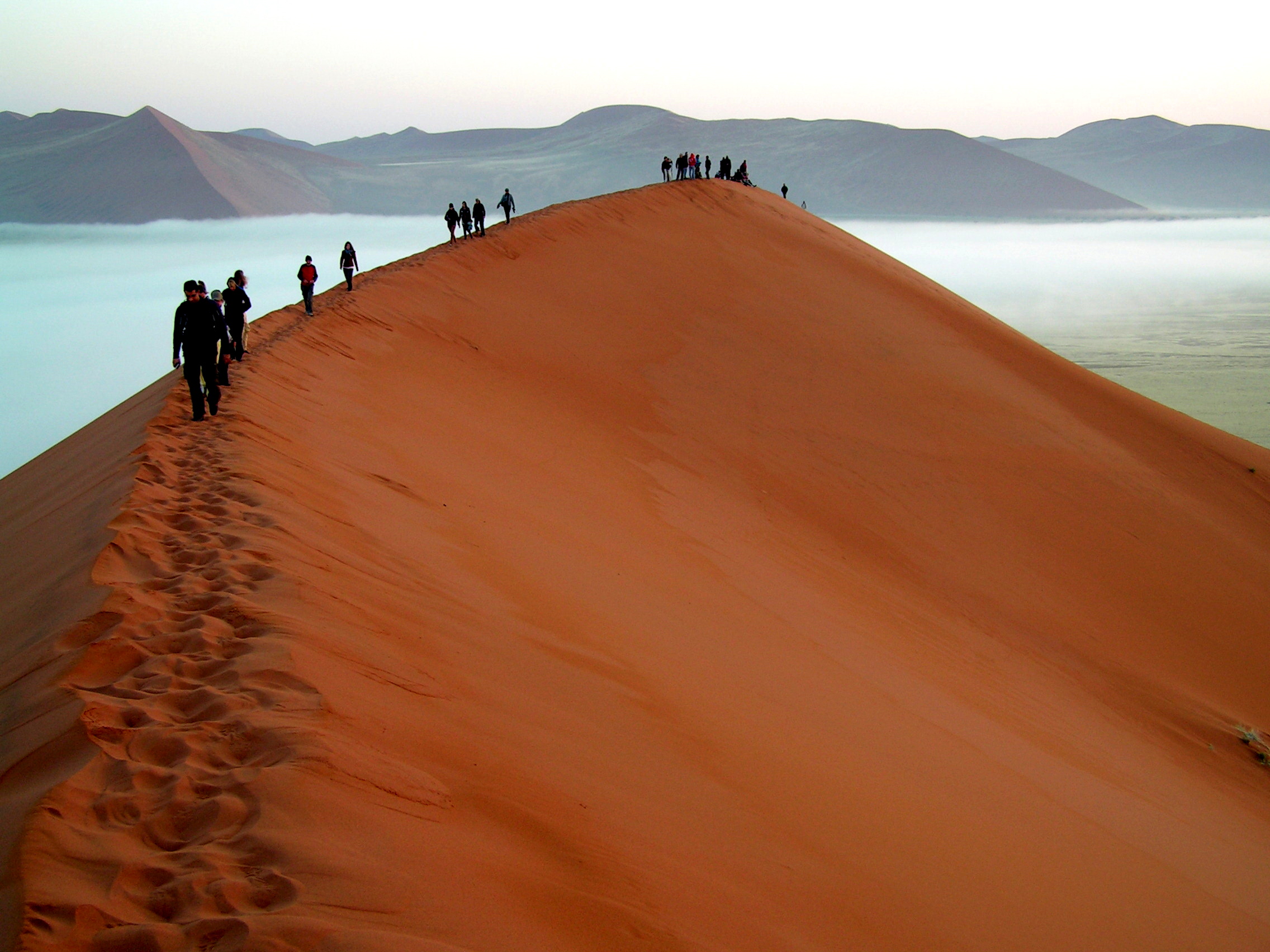
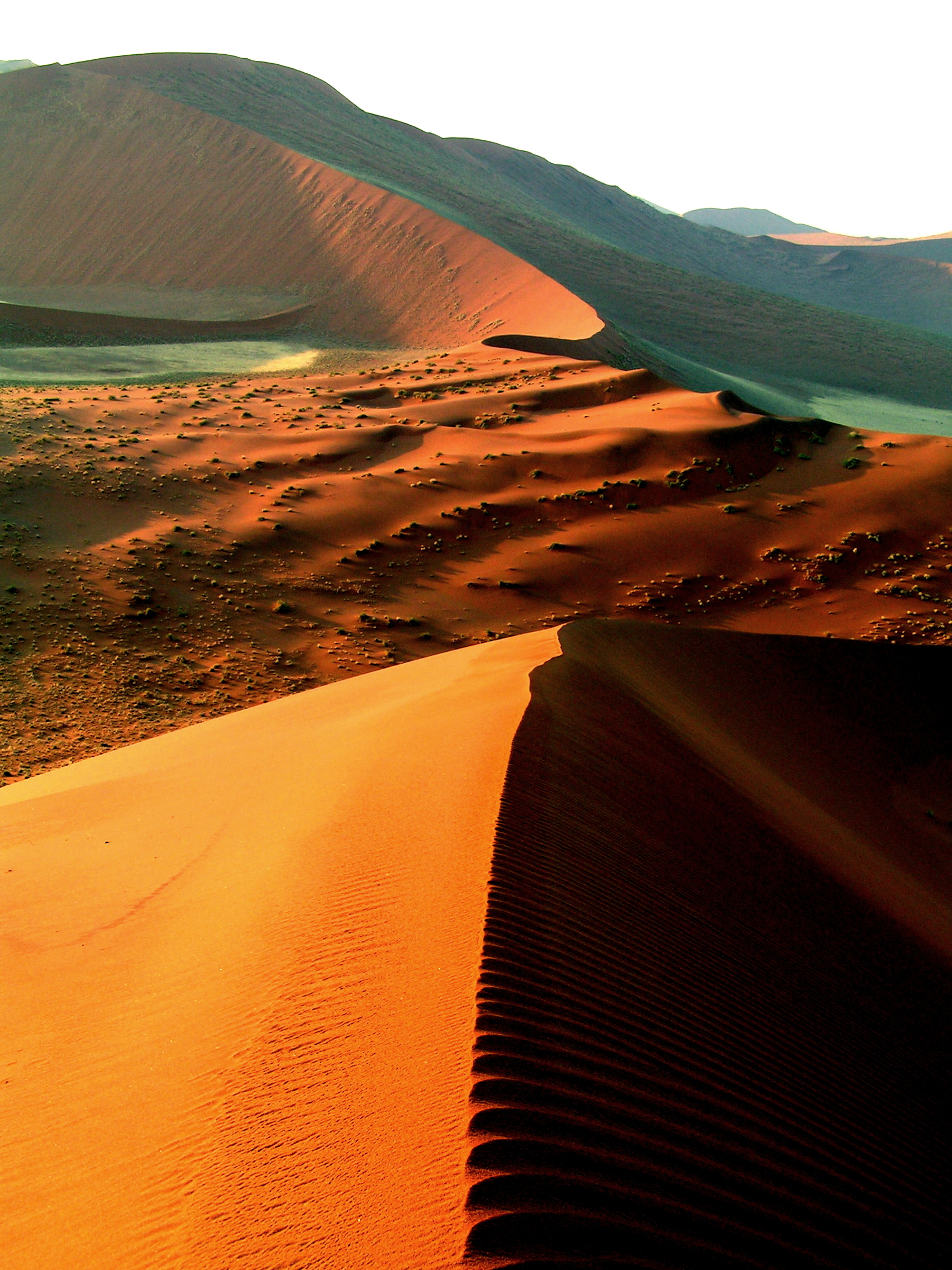
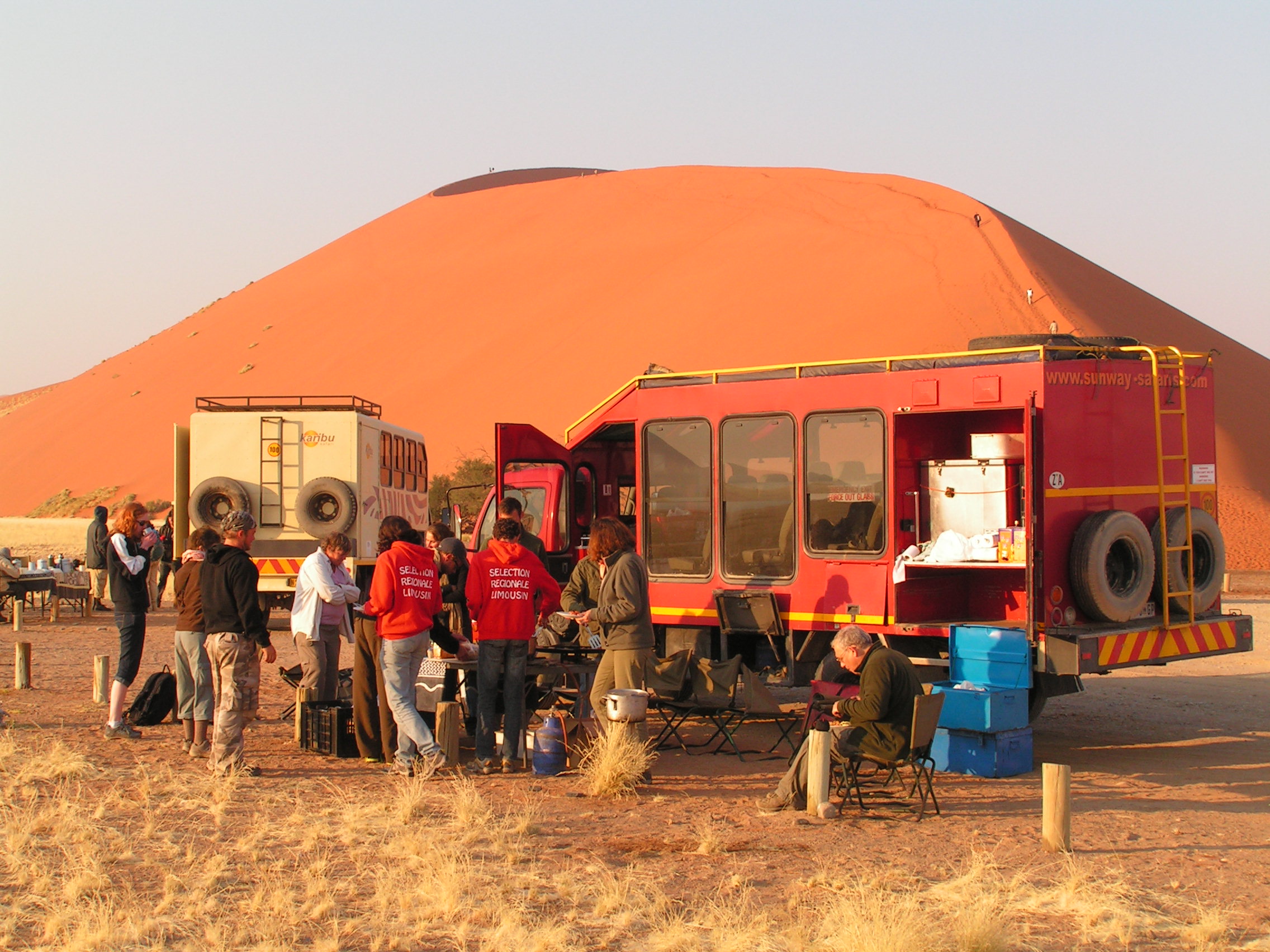
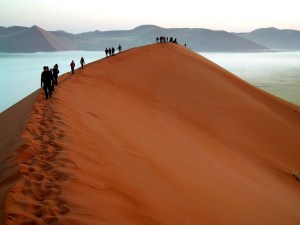
We were up early, before sunrise. It was a relief that we were to spend another day here at Sesriem. No dismantling of the tent. The park gate opened at around 5am. There was already a queue of vehicles ready to enter the park. Once in the park, it seemed like a race on the desert roads to reach ones destination. Chris was good and relaxed. I had confidence in his driving skills. We were at Dune 45. Although dark, it was a colossal, over 150m high. It resembled a pyramid and looked formidable. Some trekkers were already walking on its winding spine. The sand was loose. It was still cold. On the eastern horizon, the sun was rising.  From the top of the sand dune I witnessed an amazing scene unfold. Two life giving force, light and water from opposite directions, diffused at the base of Dune 45. The first light on my face was comforting. Sunlight from the east filtered through warming the land.  On the western horizon, a low dense moisture laden mist gracefully move inland brought in by the Benguela Current from the coast off the Atlantic.  The dune’s surface took on a deep reddish glow and the tough short grasses on the desert floor illuminated a golden hue. The western slopes of the surrounding dunes were darkened in contrast. It was a surreal and wonderful spectacle. The mist continued further inland as the rising light transformed the inert desert sand into beautiful and unearthly colours – mainly hues of red, orange and gold. Trekkers snaked up the length of this dune crescent’s spine and silently watched nature’s gifts to this unforgiving environment. As daylight emerged, the contours now more defined had myriad of patterns and form. Numerous other high dunes appeared all over. Some looked much higher. The desert stretched endlessly. Dune 45 continued further and curved inwards and outwards resembling a mountain than a dune. Here, nature is continually redesigning this extraordinary landscape. The sand deposited here in the Namib originated from the Kalahari Desert. The Orange River that meanders through Kalahari deposited the sand at its mouth on the Atlantic coast. From here, the Benguela Current carried the sediments north and the winds helped to deposit this sand inland into the Namib Desert.

KONICA MINOLTA DIGITAL CAMERAKONICA MINOLTA DIGITAL CAMERA 111 KONICA MINOLTA DIGITAL CAMERA KONICA MINOLTA DIGITAL CAMERA

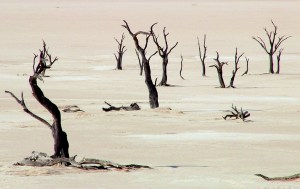
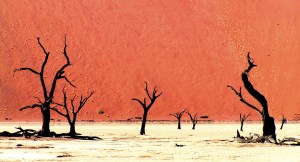
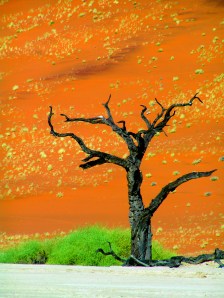
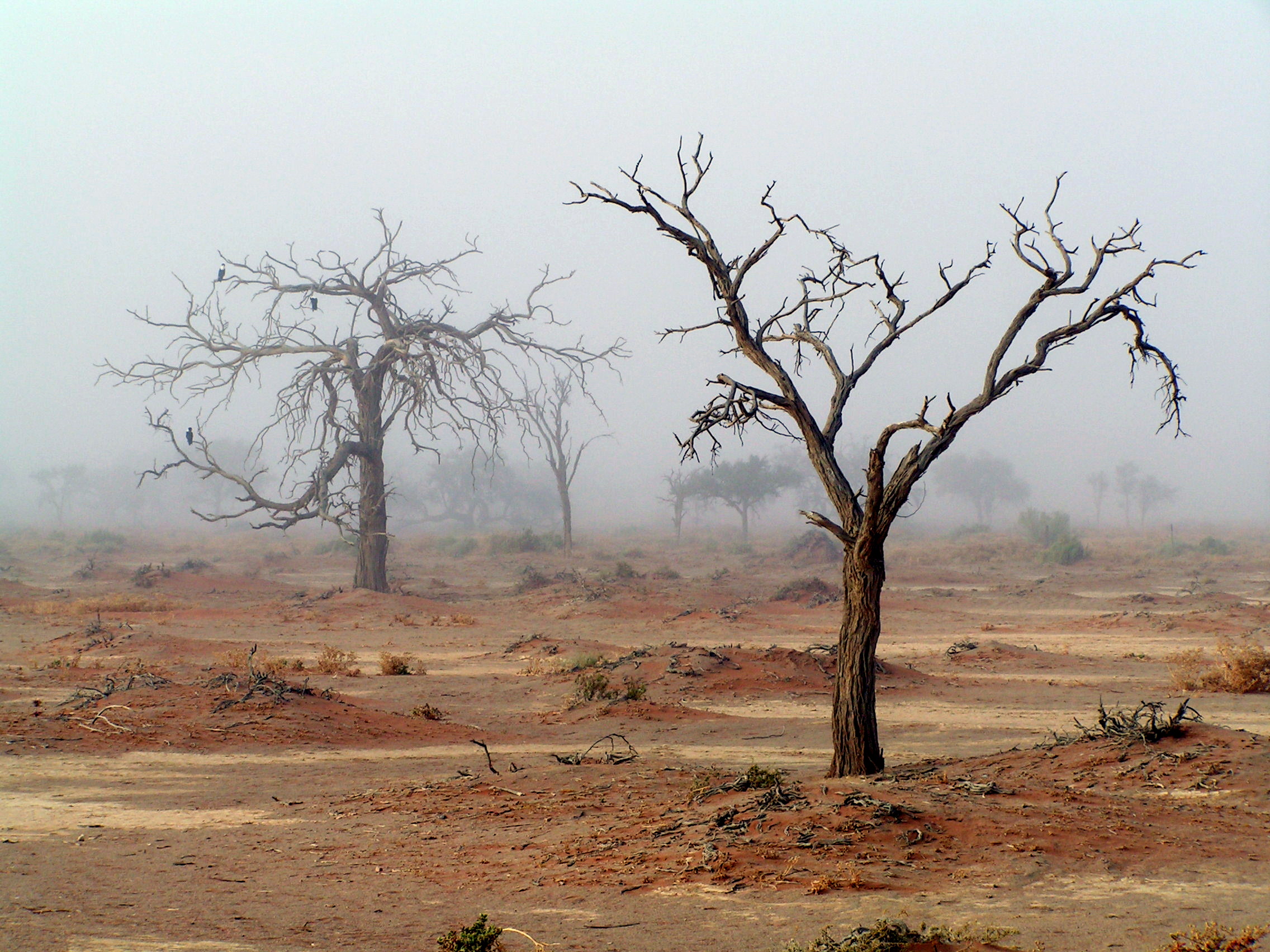
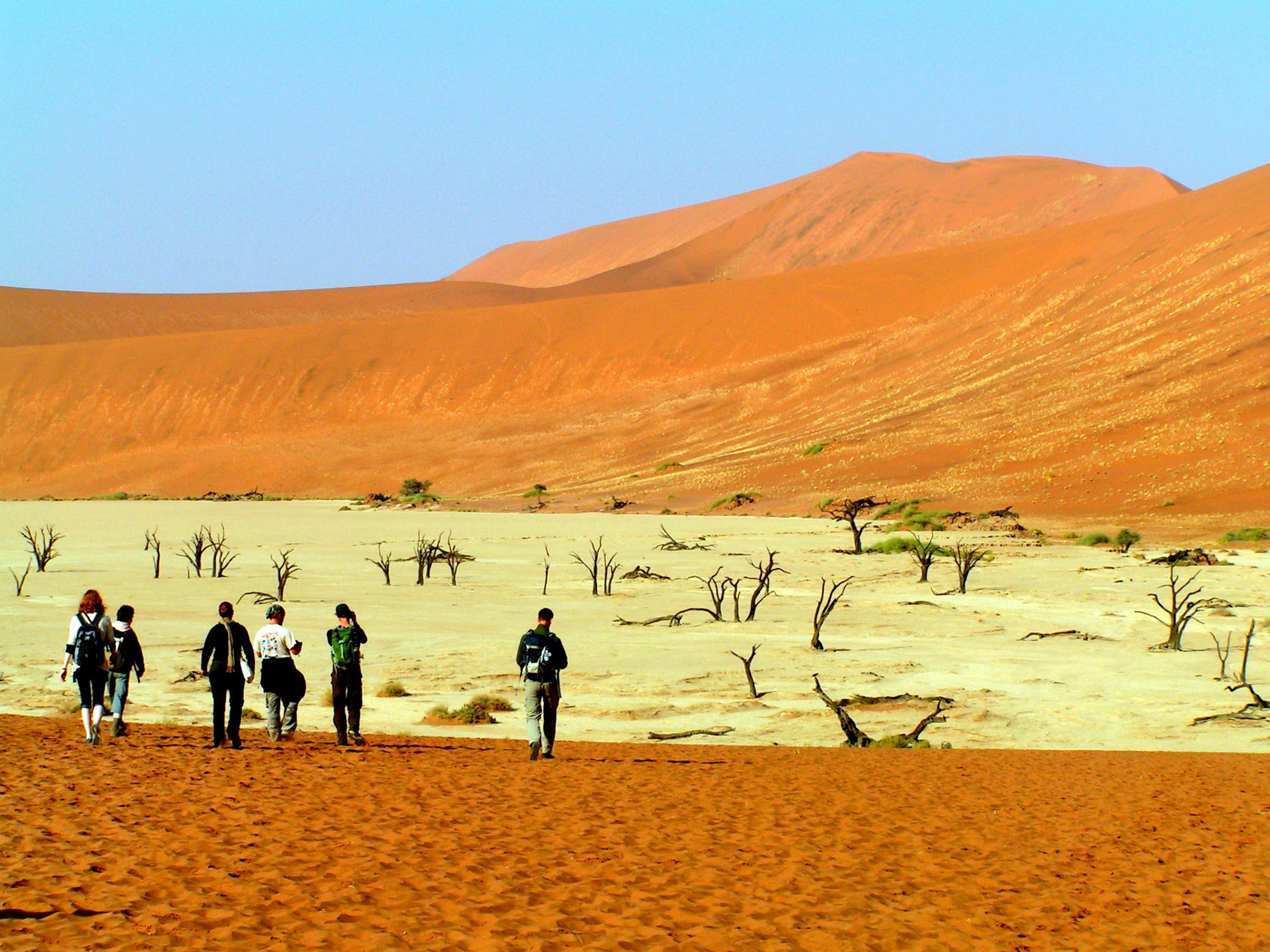
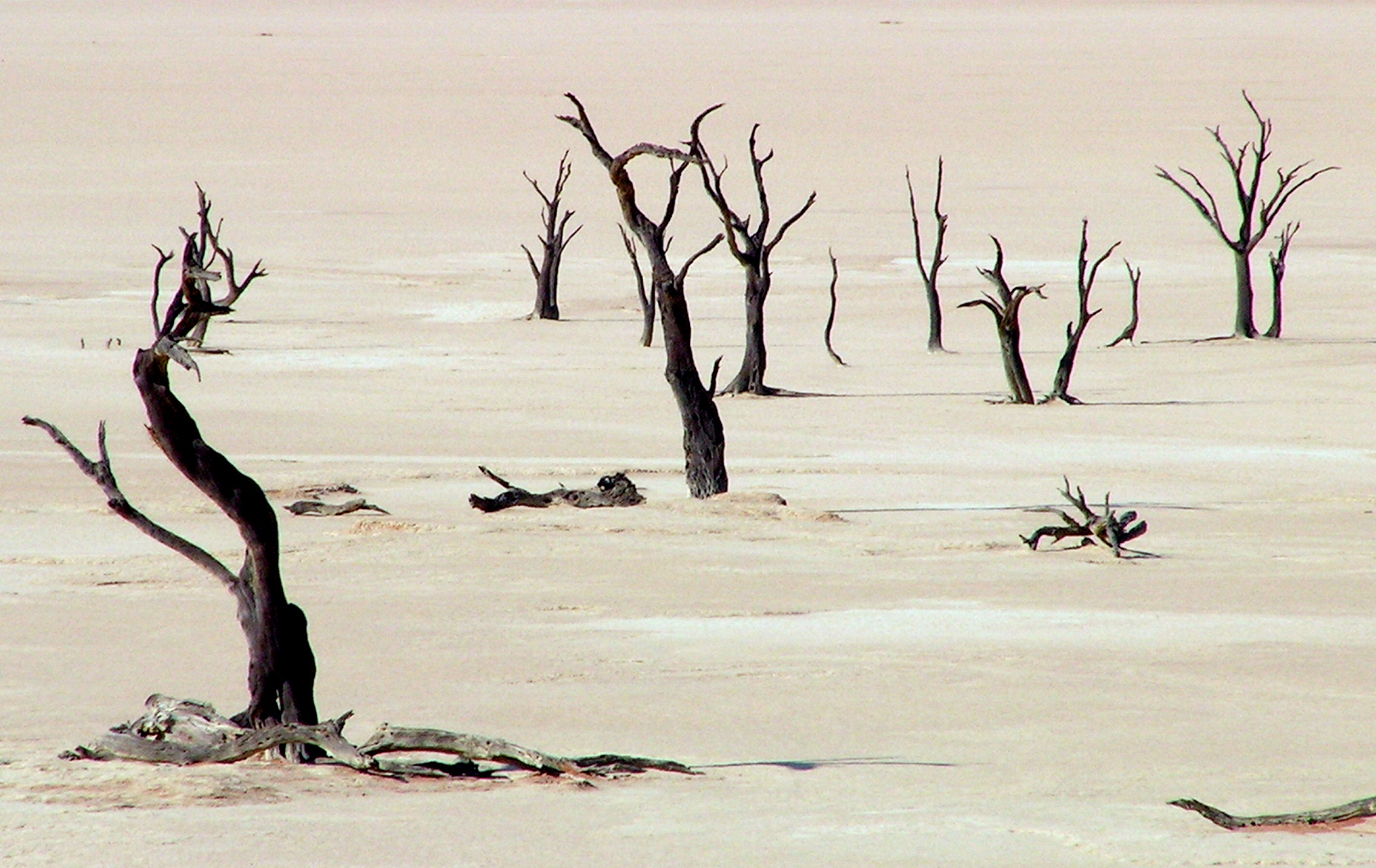
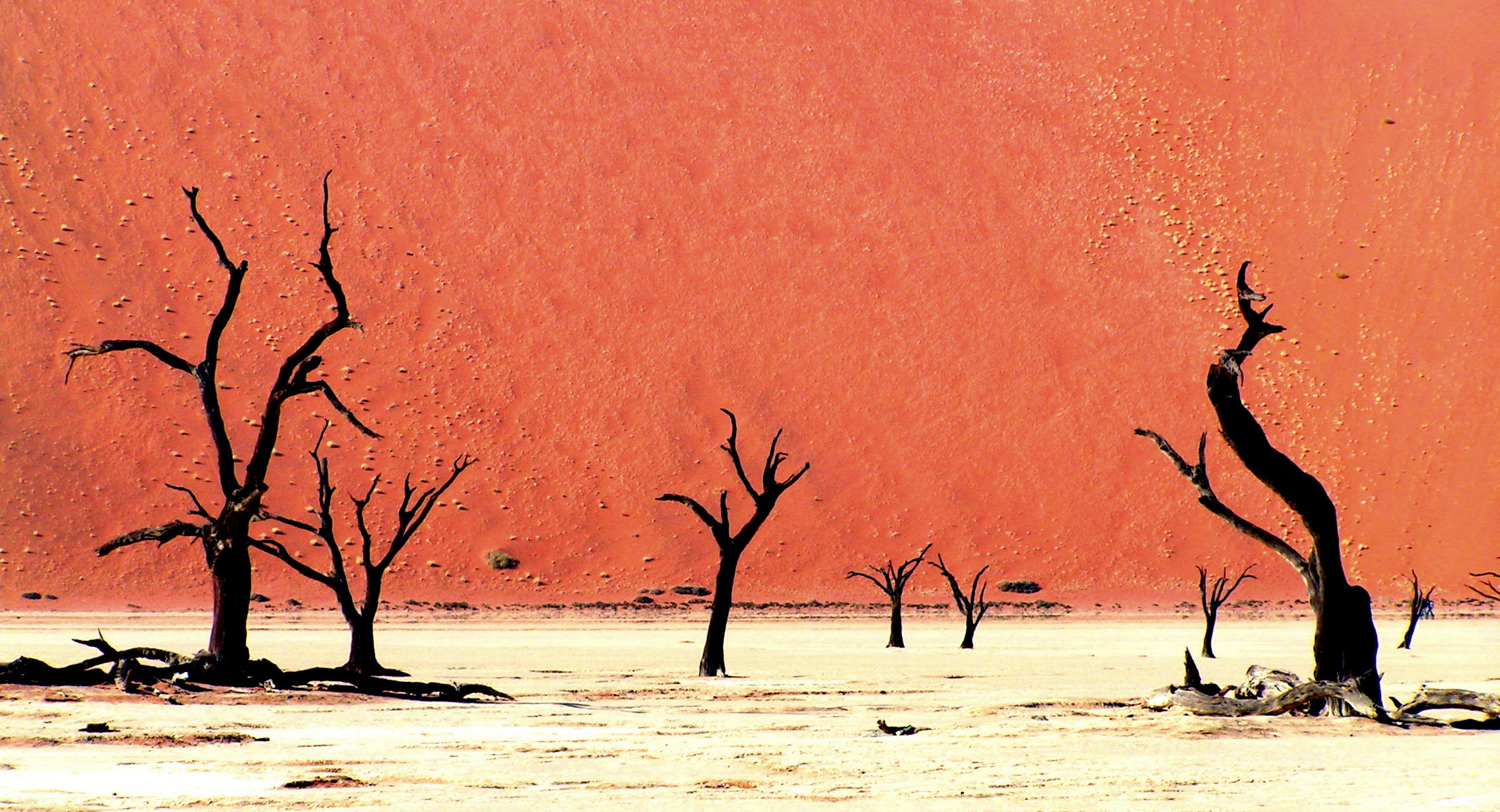
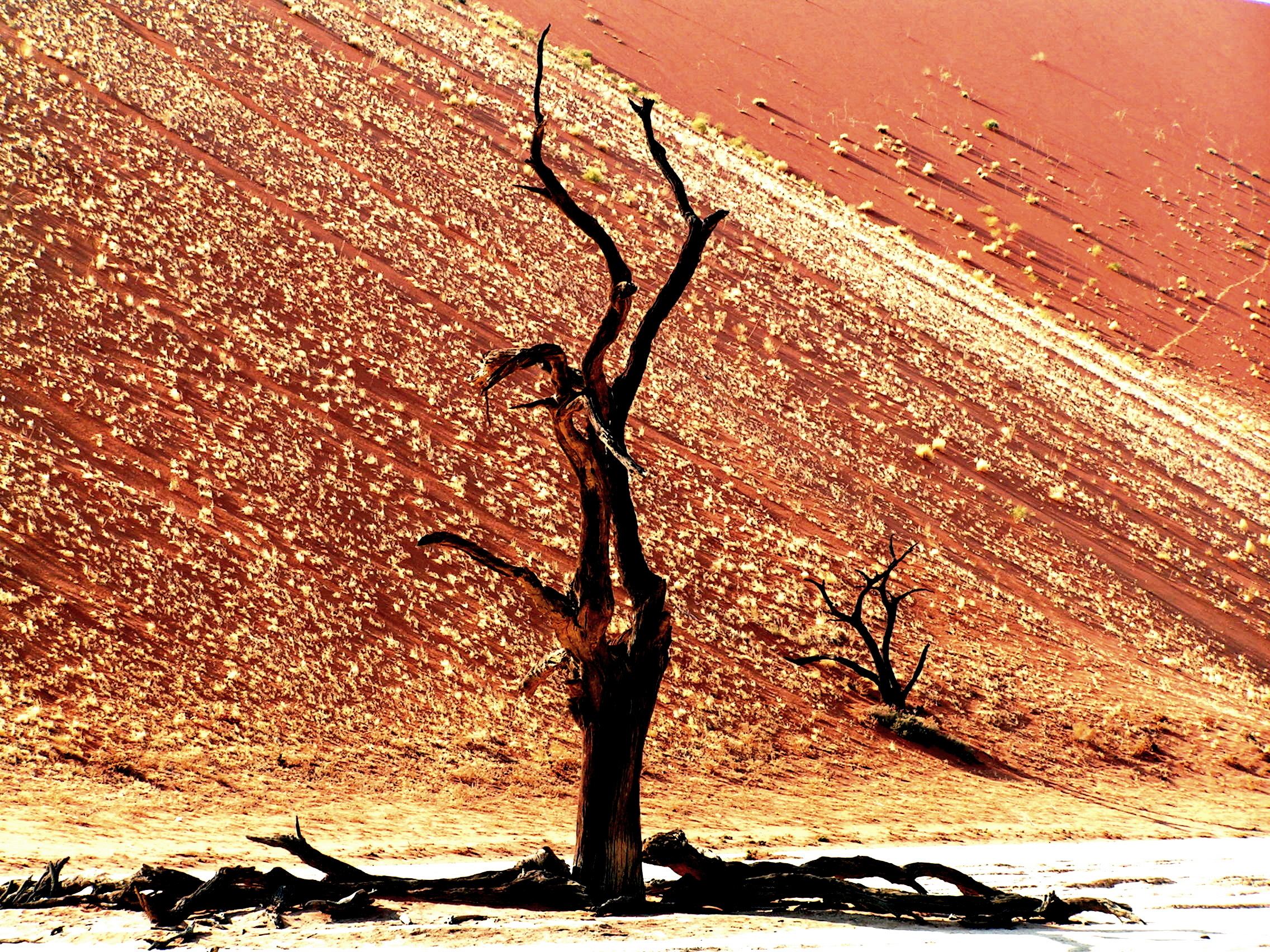
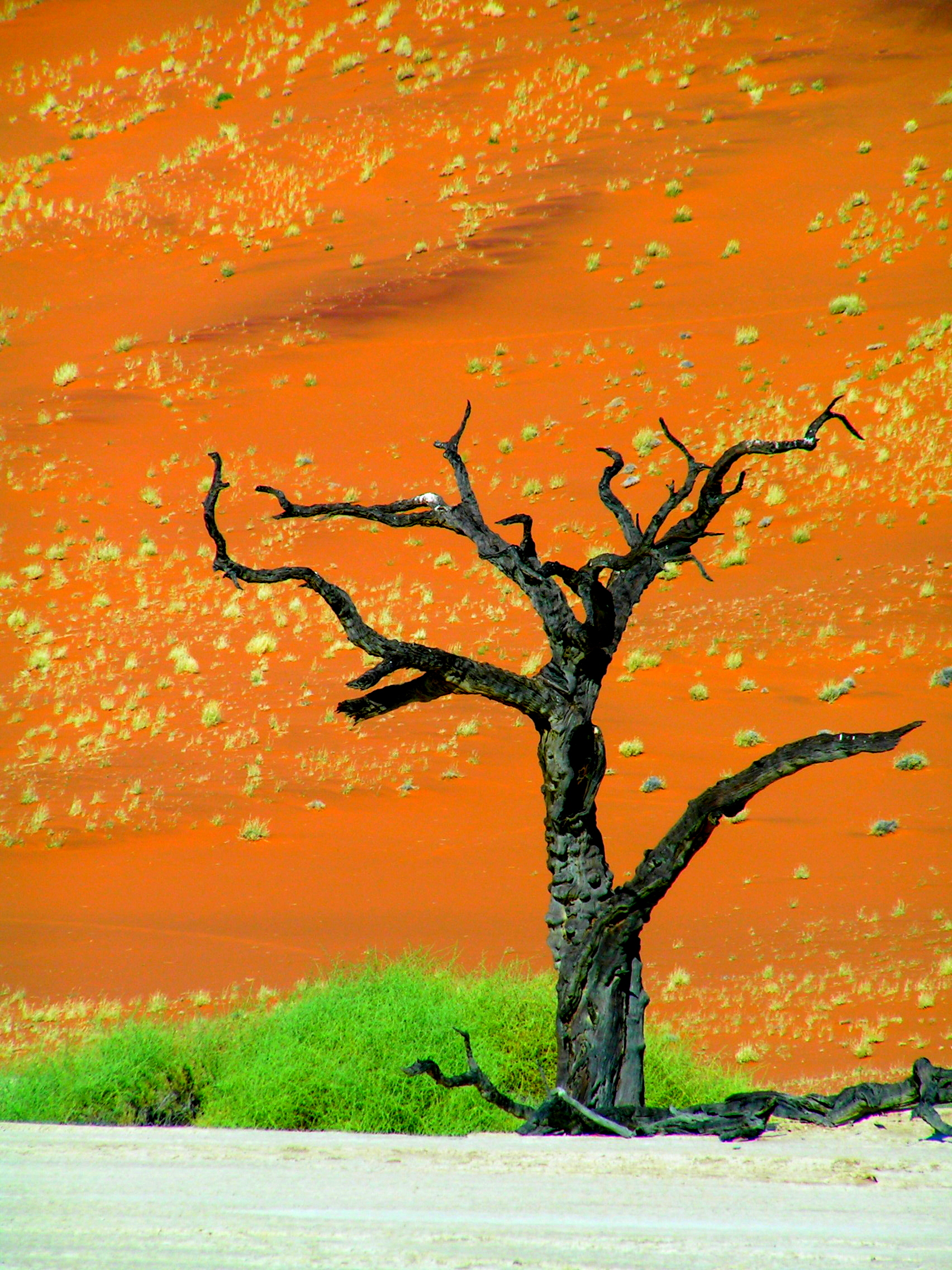
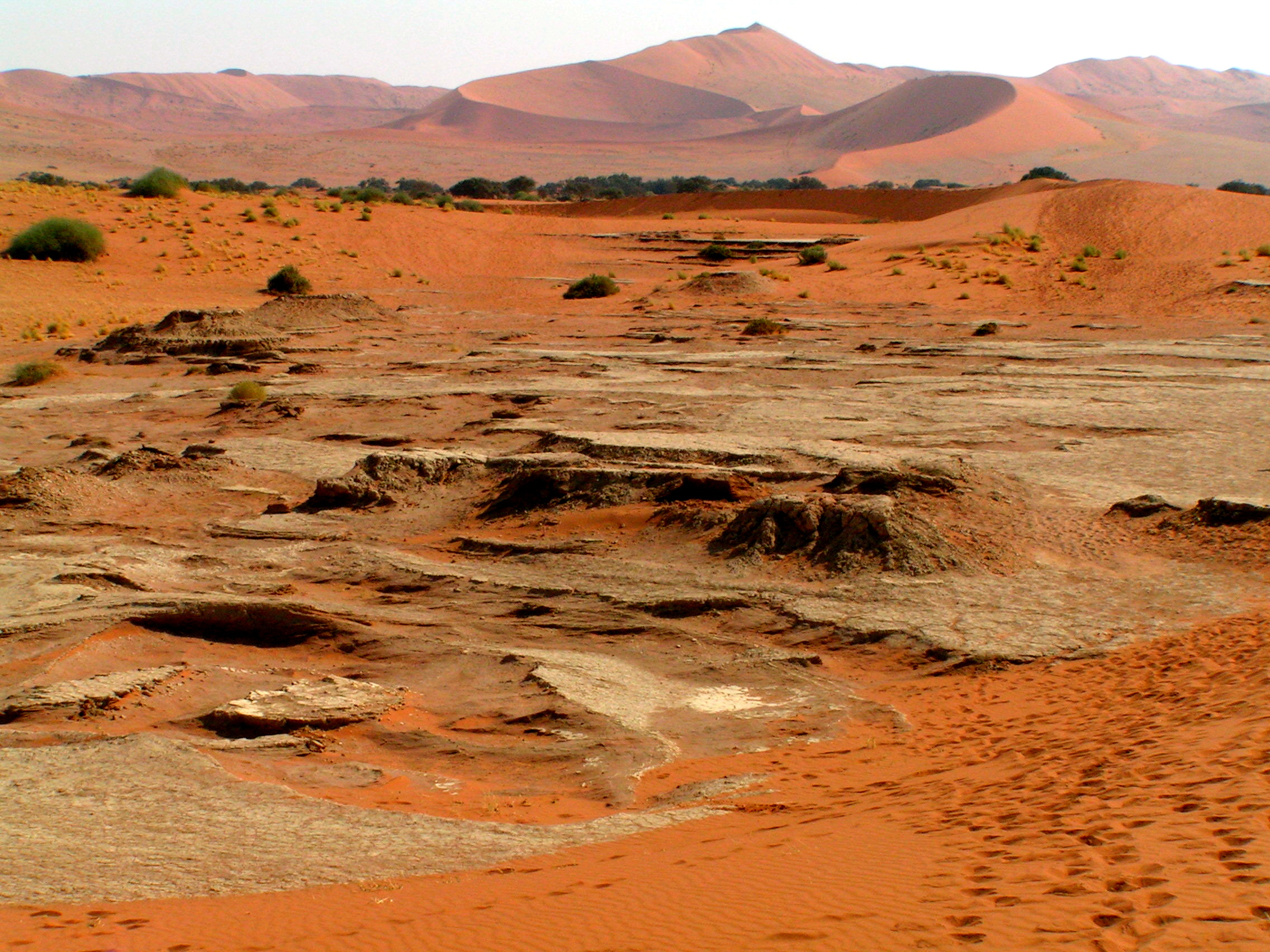
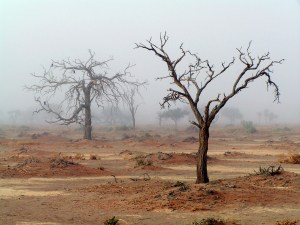
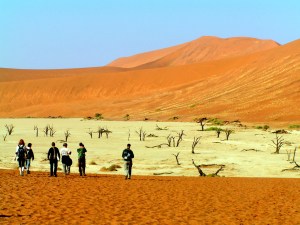
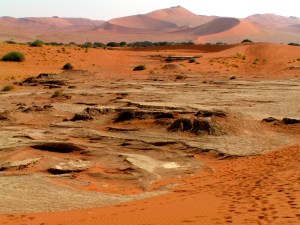
Only on the decent did I realize the steepness of the dune. However, it is much easier on the decent that on the accent especially with the cold air. A nice hot breakfast waited at the base of Dune 45. Crows lingered nearby on a leave-less tree scavenging for food.  On the valley floor, perhaps a dried river bed, I was surrounded by towering dunes of varying forms. Not all are crescent shaped. The shape is carved by the direction of the wind. Namib Desert is considered as the oldest desert in the world. Our vehicle left behind a trail of desert dust. We reached a parking area. The sight of lifeless trees but standing covered in mist was quite eerie. This is Sossusvlei. From here, we jumped onto a tractor. A short walk past some hardy Inara plants with ball like fruits, we reached Deadvlei – Dead valley. From a distant, the elliptical shaped white salt pan with blackened lifeless trees looked unreal. It was massive. The white salt pan floor, the charred upright branched trees and flanked by monumental orange and red dunes was surreal. The nearest, Big Daddy is over 300m high. Shadows emerged and the colours of the background dunes and pan floor also changed with the light. It is remarkable how these trees had once survived in this oasis. The Tsauchab River that once flowered here is now blocked by the advancing dunes. On rare occasion, apparently there is water here. The Acacia or Camel Thorn trees are over 800 years old. They are chard from the unrelenting sun and preserved by the dry desert air. Patterns formed on the clay’s crust.  Although picturesque, I was saddened by the fate of these trees. Green shrubs survived from the little moisture from the air and probably ground water.
KONICA MINOLTA DIGITAL CAMERA KONICA MINOLTA DIGITAL CAMERA KONICA MINOLTA DIGITAL CAMERA KONICA MINOLTA DIGITAL CAMERA KONICA MINOLTA DIGITAL CAMERA 122

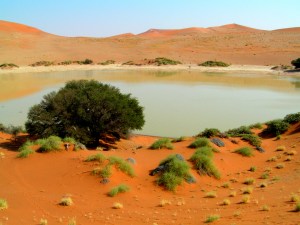
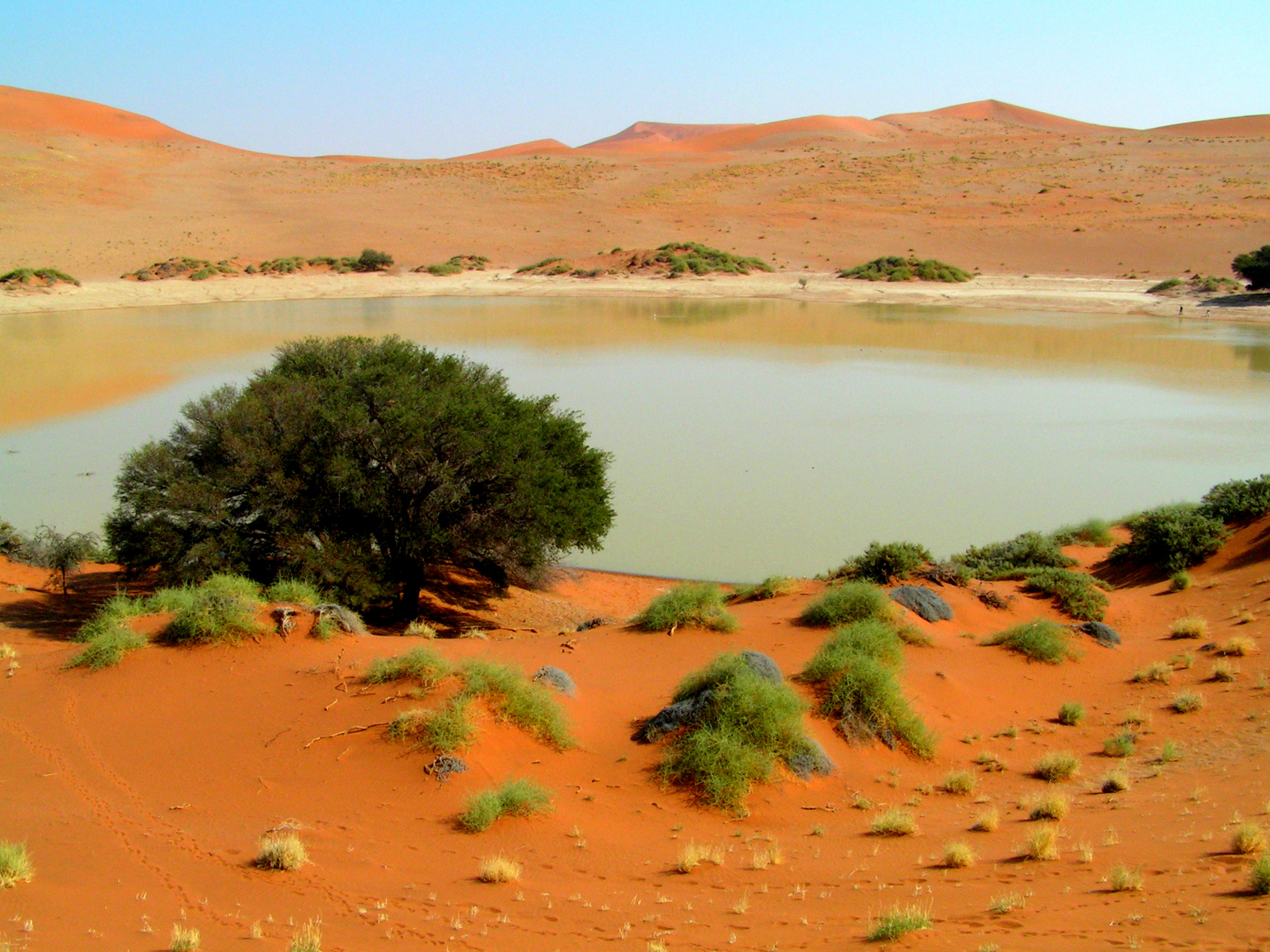
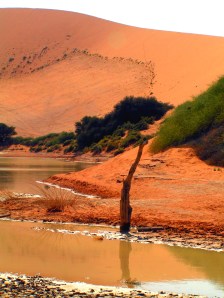
Nearby is another valley. Although the dunes here were smaller in comparison, the pan here held water. A lone lesser flamingo fed undisturbed. Acacia and small shrubs thrived in this area. Lizards moved quickly across the red sand. It was amazing to see water in this arid desert where rain is almost no existent. Groundwater seeped from underground. Green trees and shrubs, a sight for sore eyes, survived in this uncompromising environment. This is certainly a life giving place for the small but thriving wildlife including Oryx and Leopard. All plants and animals in this desert lived on the edge of death.
KONICA MINOLTA DIGITAL CAMERA 124 KONICA MINOLTA DIGITAL CAMERA

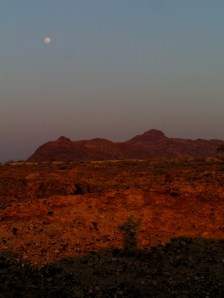
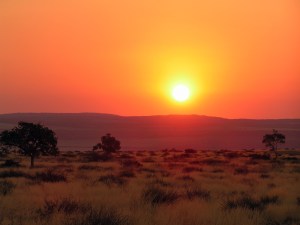
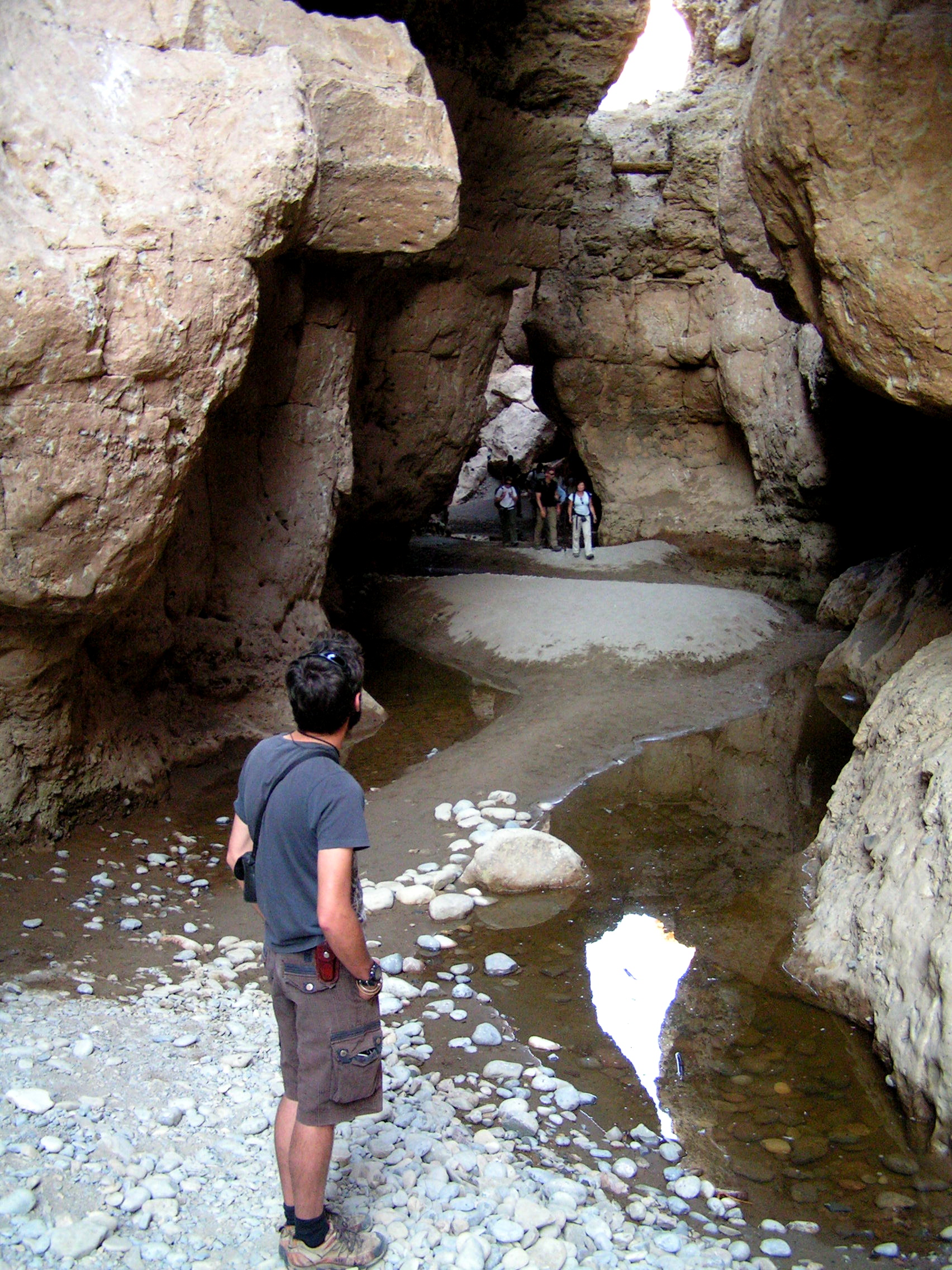
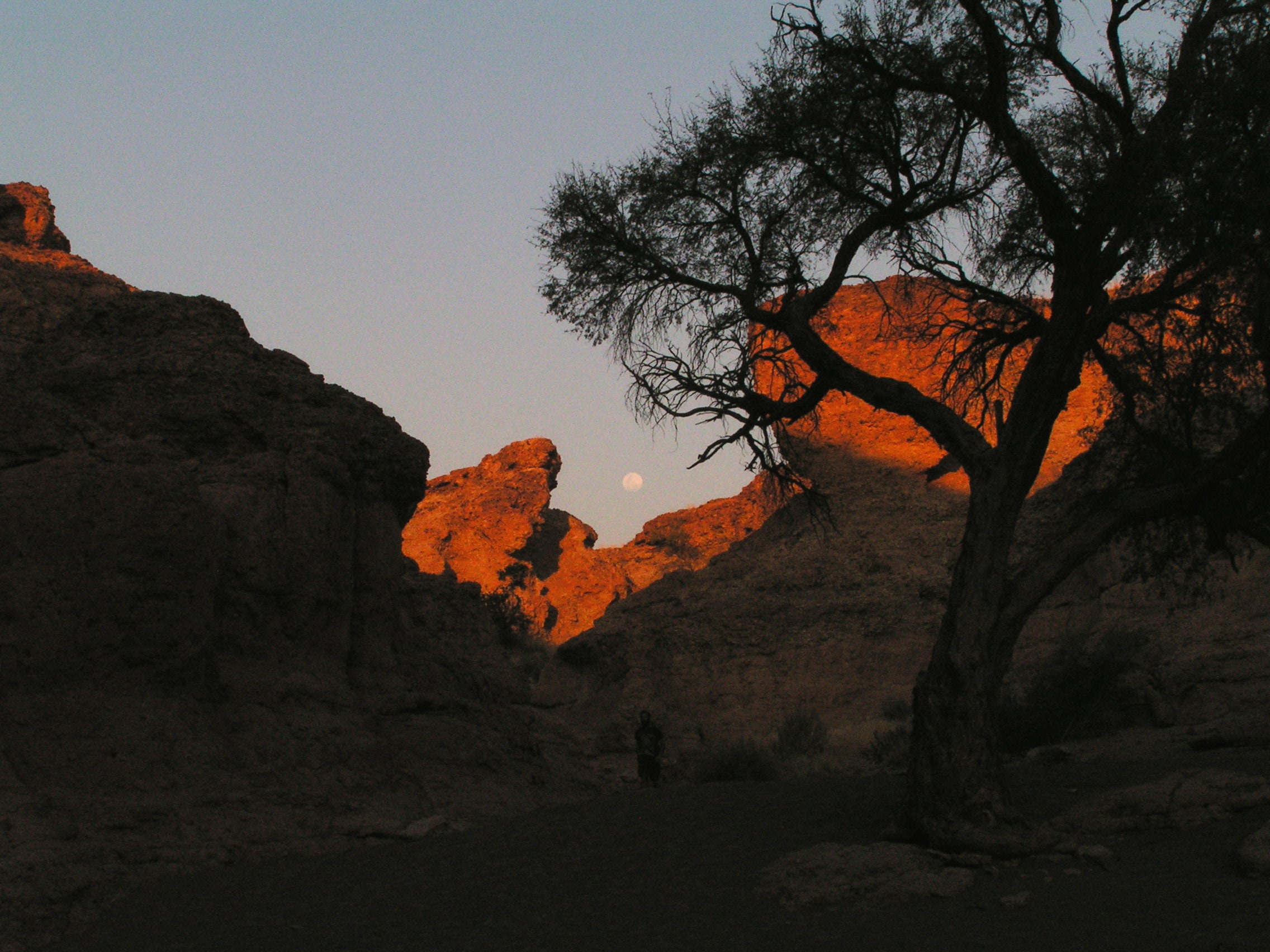
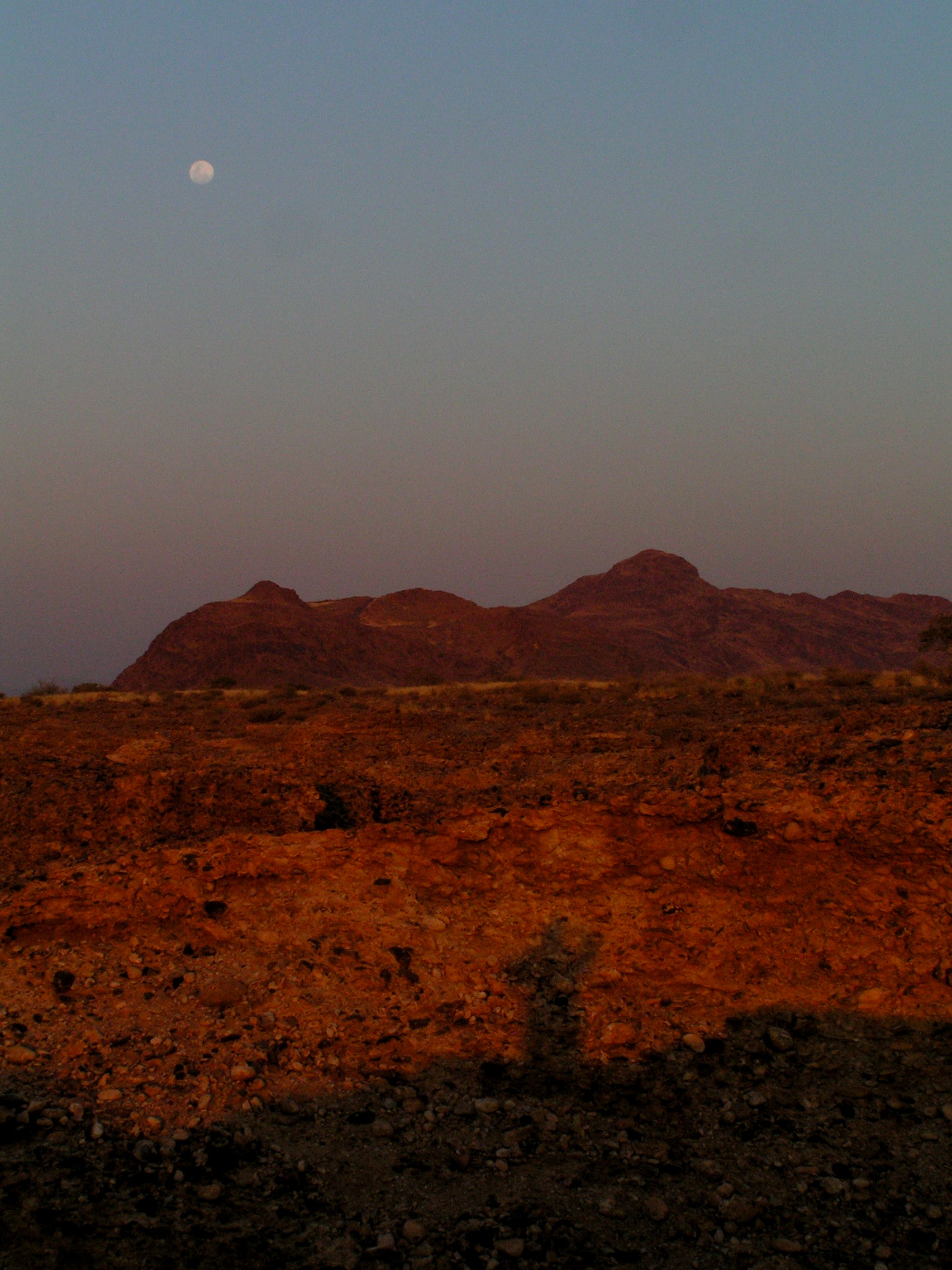
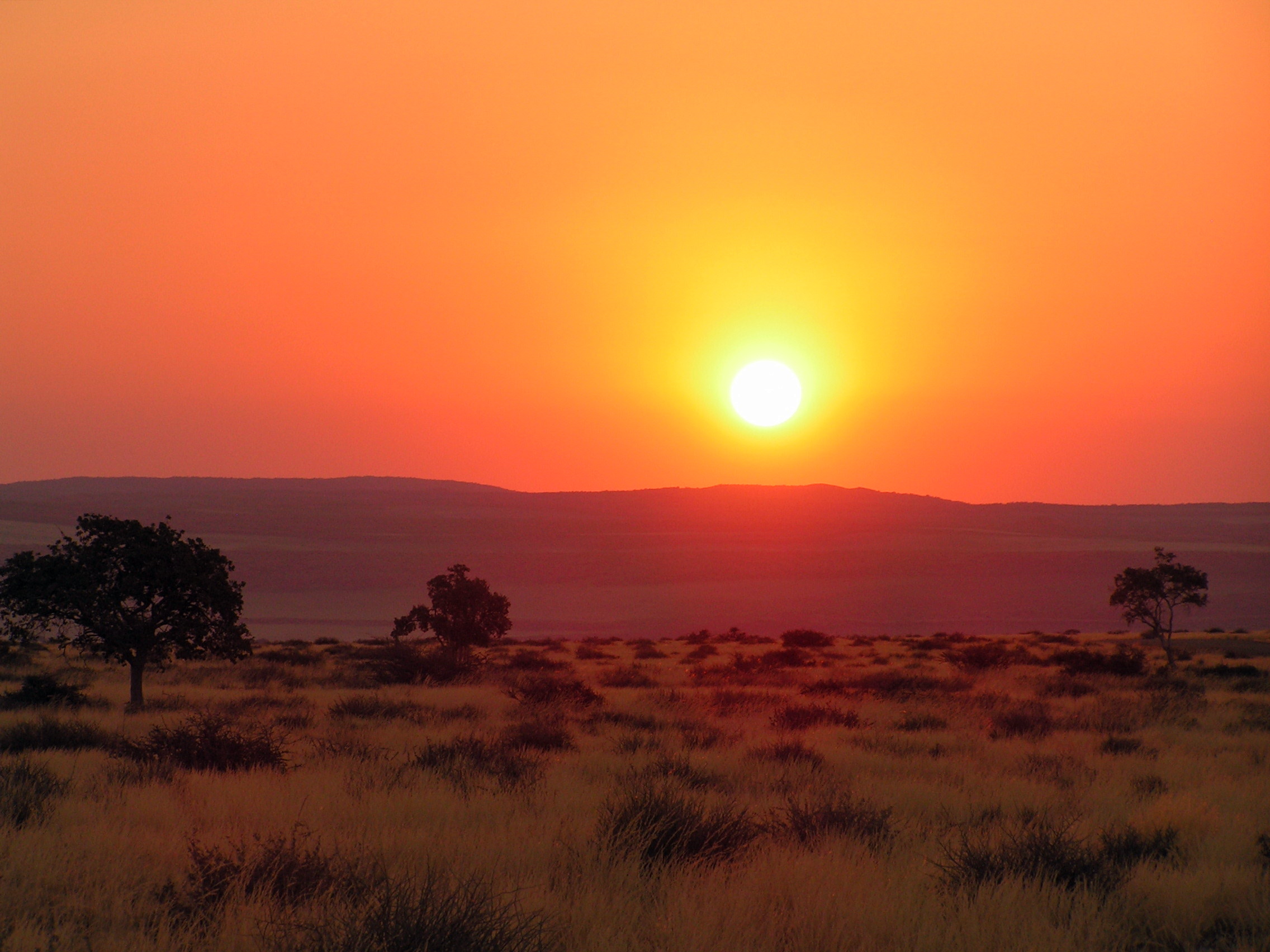
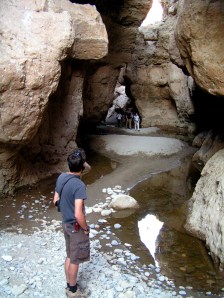
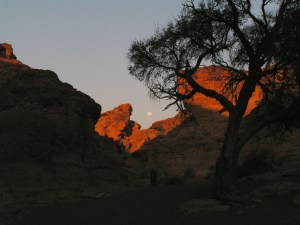
We left Sossusvlei and headed back to Sesriem camp towards Sesriem Canyon. It was late in the afternoon. At the edge of this rocky land, I could see part of the canyon deep below carved out by the now dry Tsauchab River.  Sesriem in Afrikaans means “six belts”. In those days, trekkers would tie up six belts of oryx hides and lower it with a bucket to fetch water from the canyon. The canyon sedimentary walls were about 30m deep in places. Pools of water remained in the winding canyon. Trees enjoyed moisture from underground water in this cool environment. The sun was setting fast. Simultaneously, a full moon was rising in the east. The late evening glow of the canyon walls was quite magical casting shadows and glowing surfaces. The fiery red sun set behind sandstone mountains across a grassy plain. The bright full moon rose from the eastern horizon. Time to head back to camp.
KONICA MINOLTA DIGITAL CAMERA KONICA MINOLTA DIGITAL CAMERA KONICA MINOLTA DIGITAL CAMERA KONICA MINOLTA DIGITAL CAMERA

Namib Naukluft National Park – Sesserim

30 July 2012

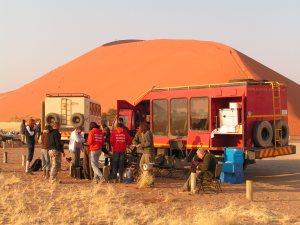
It was chilly this morning as I dismantled my tent. I could smell coffee nearby. Dishes need to be done, tables dismantled and folded, waste collected and disposed. Getting all the gear packed and stacked into the truck is now more organised. This overland journey is participation camping . All participants chip in to do the daily chores. Alliances are formed by the way individuals contribute! Seating in the transport is random to ensure no preferences are given. Getting along over the next 20 days will be determined by the give and take attitude. Unfortunately some take a little more than others. Group travelling is such. A small group helps.
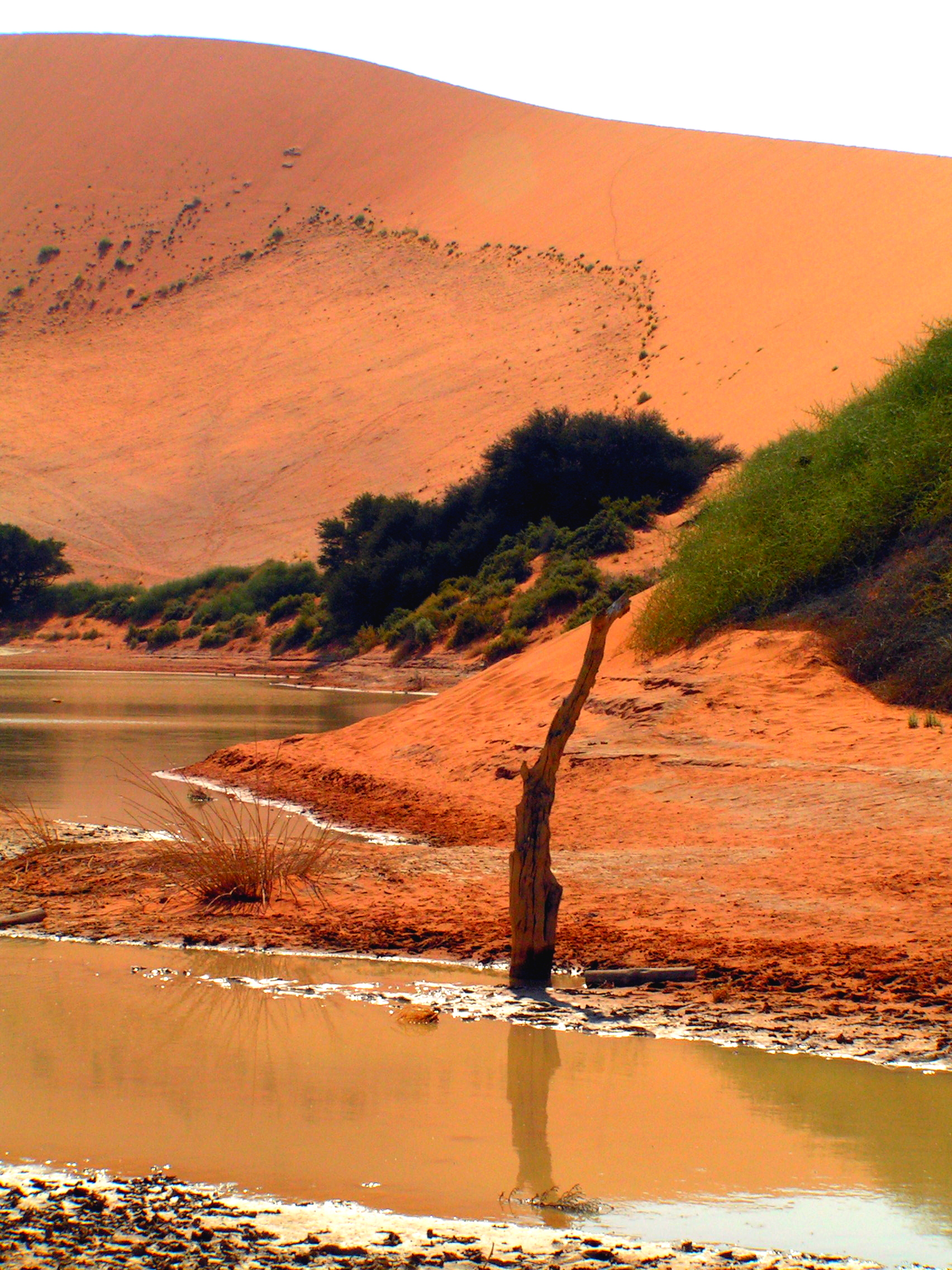
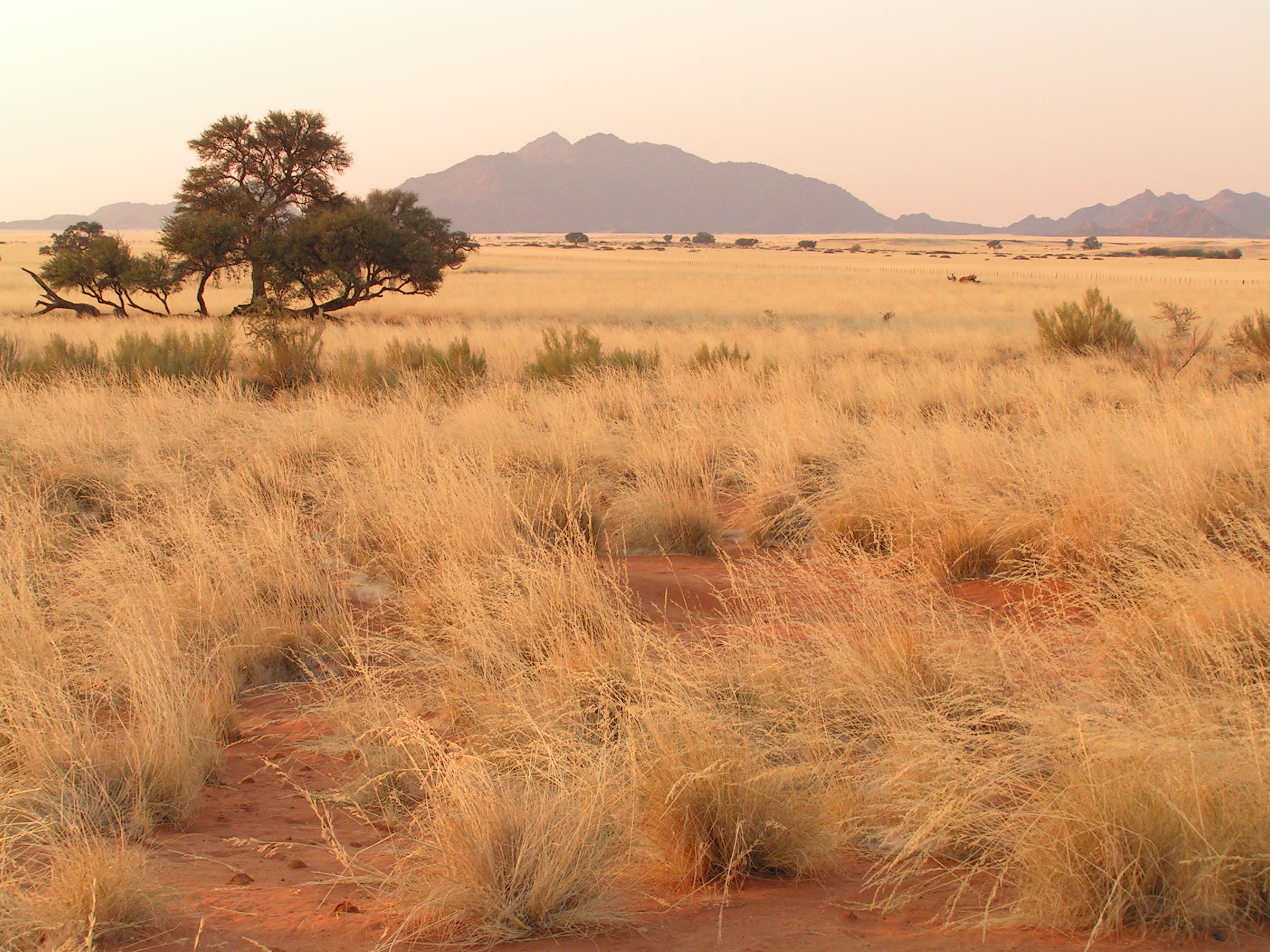
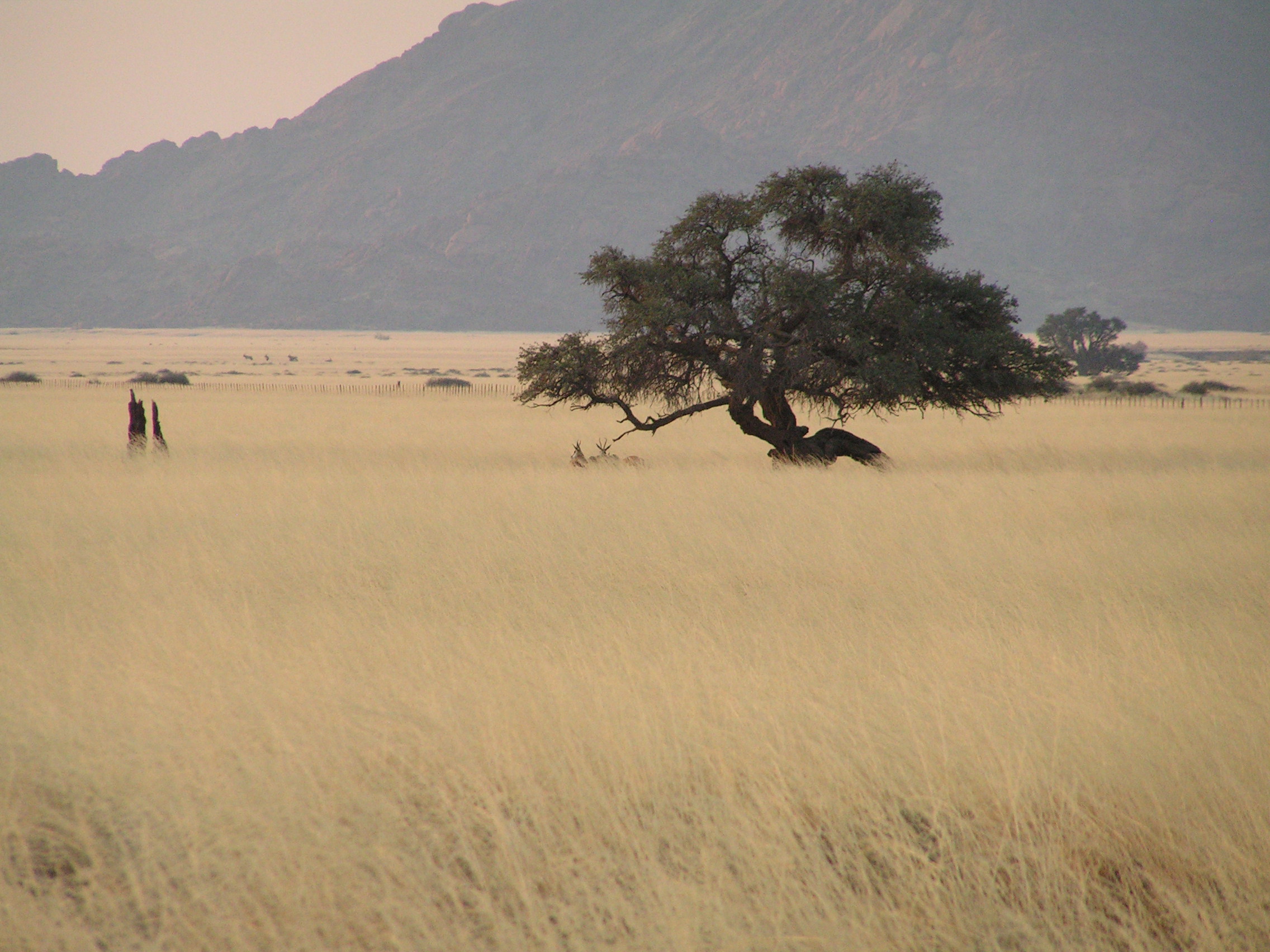
From the southern Namib desert, we head north. Namib desert is the oldest desert in the world. As the journey continued on gravel roads, the landscape continually evolved. The barren landscape is dotted with the tough Acacia and Camel thorn trees and at time large tracts of golden tall grasses. Occasionally, reddish mountains just floated on the flat surface. The heat from the African sun was unrelenting.  The dust churned by the moving vehicle is blinding at times. The heat from above and the dust from within can be challenging in a “sealed” truck. The desert is beautiful with varying shades of colors, forms and the shifting light. The sky was now laden with puffy clouds. Amongst the tall golden grasses, a handsome herd of Oryx grassed. I was excited to see wildlife as it was meant to be. We passed through several towns. It was interesting to see the wilderness and suddenly small communities in-between. The ethnicity also varied between these townships. After a long ride, we reached our campsite, just outside the park, at Sesserim. A tidy place with a bar, pool and some cottage huts nearby. It looks like the desert town to be. At the bar, I savored sweet ice-cold ice cream. It melted rapidly into my throat. Bliss. Later, I wandered into the nearby grassland with the odd camel thorn trees. Springbok fed on the grasses nearby ubder the shade of a tree. My eysight was peeled in expectation to spot a leopard. Wishful thinking perhaps. The bright reddish African sun was already setting. The distant hills took on a red hue and soon were just silhouettes on the horizon. I stumbled back into camp.

KONICA MINOLTA DIGITAL CAMERA KONICA MINOLTA DIGITAL CAMERA KONICA MINOLTA DIGITAL CAMERA KONICA MINOLTA DIGITAL CAMERA

Fish River Canyon

29 July 2012

After leaving Orange River, the landscape became more arid. Grasses replaced the shrubs. The sun’s intensity increased. Sealed roads gave way to gravel. Surrounded by dust became a norm. A train track in the middle of a desolate landscape led towards the coastal town of Luderith, an old German township. Lonely telephone poles buried in red desert sand linked these remote areas to the outside world. I was excited to witness a small number of Oryx or Gemsbok, the national animal symbol of Namibia, roam in the unforgiving place. Tall hardy grasses replaced the sparse trees. Occasionally, a herd of nimble Springboks  wandered foraging on the meager grasses. After a long hot drive, we arrived at the camp site near Hobas, the first sight of habitation. We immediately departed towards the canyon viewpoints. The second largest canyon in the world was striking and impressive – the magnitude, the colours of the rocks and the deeply gauged out depth of the canyon. Emerald green pockets of water remained deep in the canyon floor. Hardy drought resistant grasses survived. The colours were vivid. The sun was setting rapidly and the canyon wall darkened in contrast. The golden grasses were illuminated and the mineral rock surfaces sparkled. From the viewpoint, it was a steep decent towards the canyon floor. The contours, the ruggedness, the remoteness add an aura of wilderness. Finally the orange sun set behind the canyon wall. The structural quiver trees stood upright in this uncompromising and rocky domain. A couple of Black-backed Jackal scavenged the arid rocky surface for their next meal. It was dark by the time we reached camp. The moon appeared on the opposite horizon against a darkened blue sky. It was chilly that night.

KONICA MINOLTA DIGITAL CAMERA KONICA MINOLTA DIGITAL CAMERA KONICA MINOLTA DIGITAL CAMERA KONICA MINOLTA DIGITAL CAMERA

Earthbound Travel Stories