Tag Archives: Arashiyama and Sagano

Kyoto – Geisha

One of the most enigmatic and alluring symbols of Japan, besides Mt Fuji and cheery blossoms, are the Geishas. These are women whom had gone through rigorous apprentice training in the fine arts of dance, music and as a hostess. These arts are centuries old and some with notorious connotations or inferences. Let’s get this right. Geishas are not prostitutes. In early history, now outlawed, “pleasure quarters” were established by the regime which included sex. These were never part of the ‘hanamachi” world. Incidentally, the first geisha were men dressed as women.
untitled-15

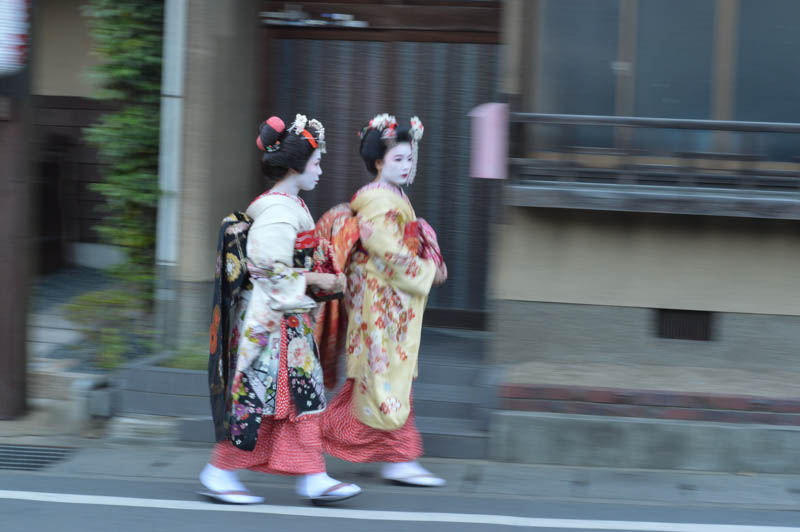
Geishas are immaculately dressed and made up from head to toe. The most striking features are their white painted faces, flowing intricately designed silk kimono and their dainty footwear. Their hair-dos, accessories and just their mere presence, fills up the area. Not only the foreigners, even the local Japanese, both men and women, seemed infatuated by them.

Geishas are single women, living, learning and working in a strictly matriarchal society under the guidance and care of the house mother, the “okāsan”. The lodging for the geisha and maiko is the “okiya” where they will spend their life. Many women run and manage the tea houses, “ochaya”, where the geisha perform. The area where they live and perform is referred as “hanamachi – flower towns”.

In Kyōto, the most number of geisha in the country, numbering less than 2000, are found. They are called “geiko” and the apprentice is “maiko”. The most popular ‘hanamachi” districts are Gion, Pontochō and Miyagawa- chō.

Seeing a geisha or a maiko is a privilege in my opinion akin to climbing Fujisan. They do leave a lasting impression after they are long gone. Well at least it did for me.

“The geisha system was founded, actually, to promote the independence and economic self-sufficiency of women. And that was its stated purpose, and it actually accomplished that quite admirably in Japanese society, where there were very few routes for women to achieve that sort of independence”.– Mineko Iwasaki, Geisha, A Life

“Geishas are not submissive and subservient, but in fact they are some of the most financially and emotionally successful and strongest women in Japan, and traditionally have been so.”
— Mineko Iwasaki, Geisha, A Life

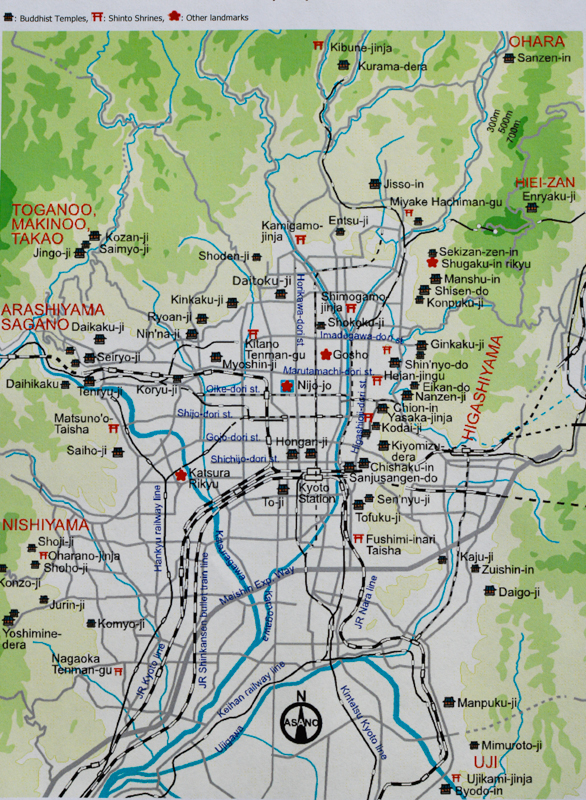
Map of Kyoto
DSC_0087

Kyoto – Arashiyama and Sagano – 1

“Within no time, we were getting off the super fast Shinkansen and stepping into the ultra modern Kyoto Station…..There were so many people in and around it that it felt like the entire city revolved around the station. It is one of the strangest building I had ever seen, with glass jutting out of it at strange angles” – Navindd

From luxury in Tsumago, we headed to our backpacker accommodation with tatami floors and folded beds, near the train station. We settled in and after a short rest headed back to the station for some lunch – “sushi”, “sashimi” and “nigiri” at restaurant inside the futuristic Kyōto Station.

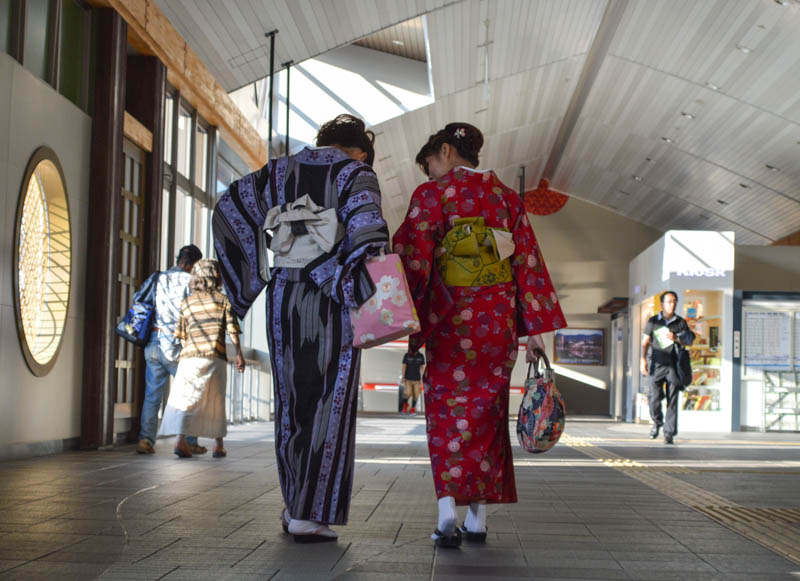
We caught the train from Kyōto Station to Arishiyama Saga station. There is something alluring seeing Japanese women dressed in their traditional kimono. Two young women in colourful kimonos complete with “zōri”, slippers and split-toe socks, “tabi” at the station was a delightful sight.

untitled-3

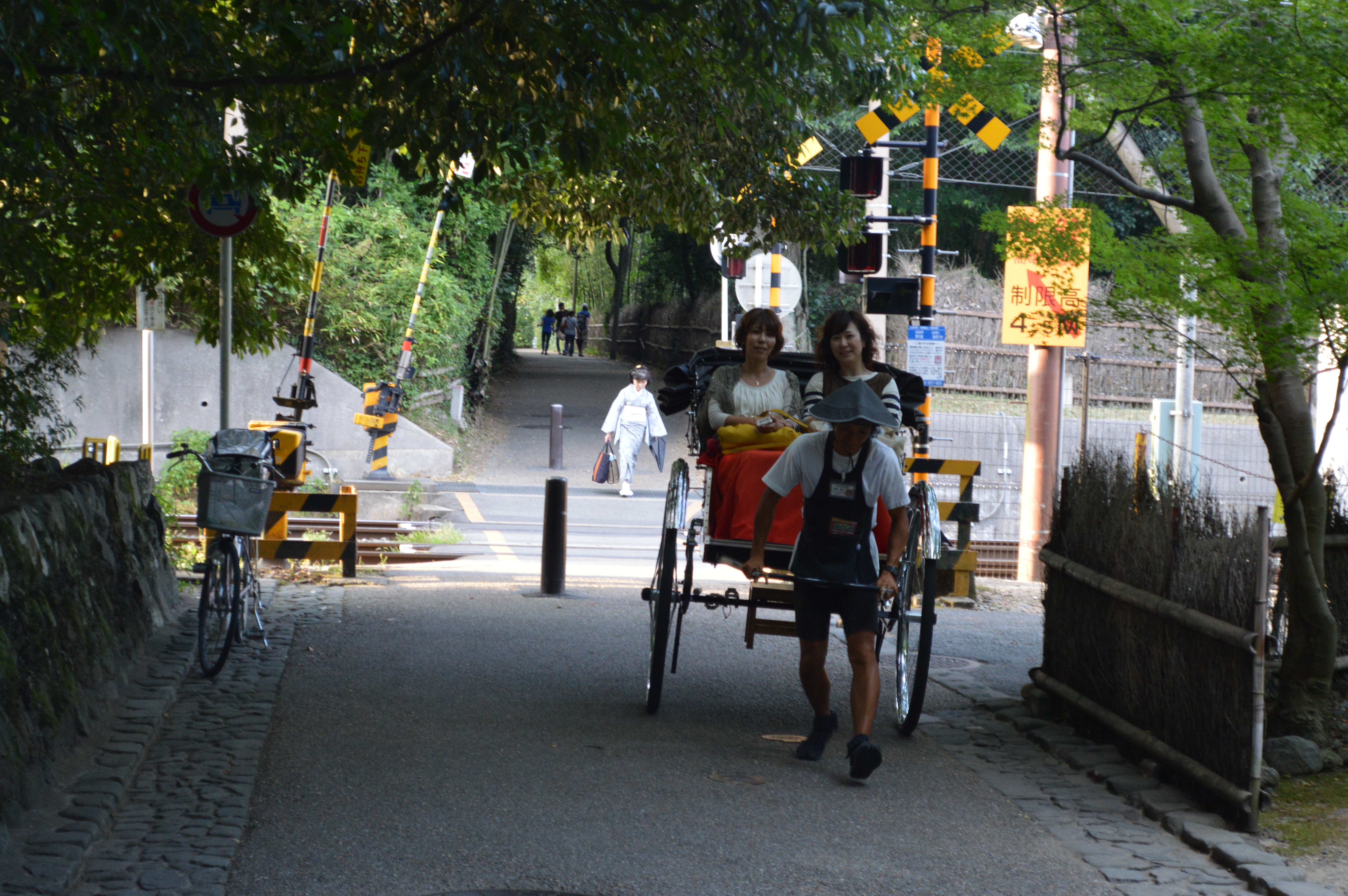
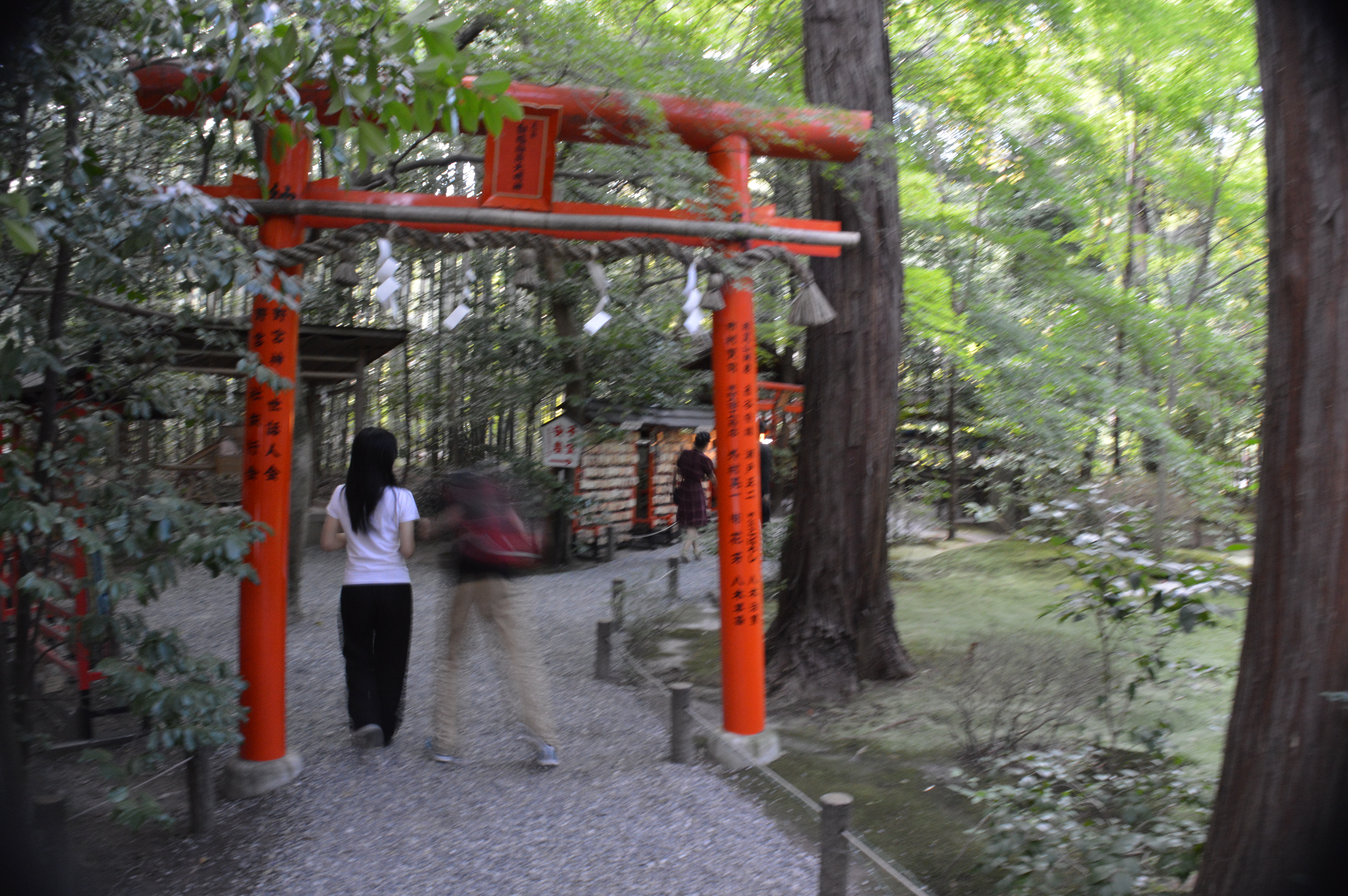
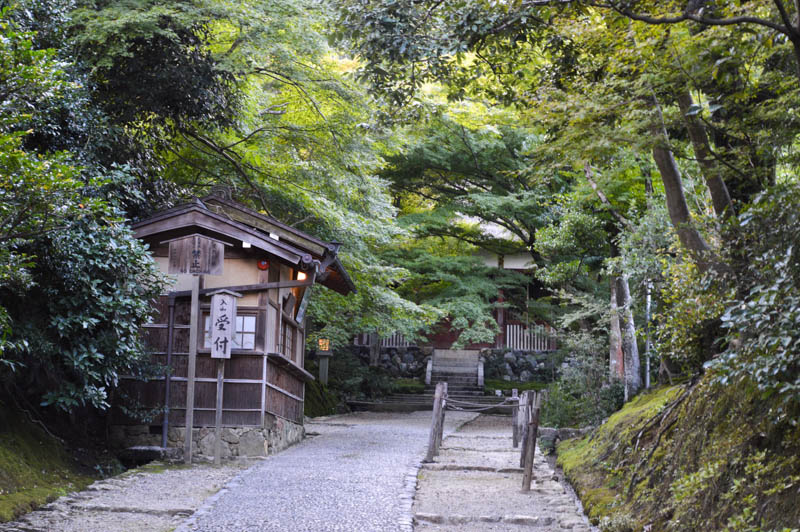
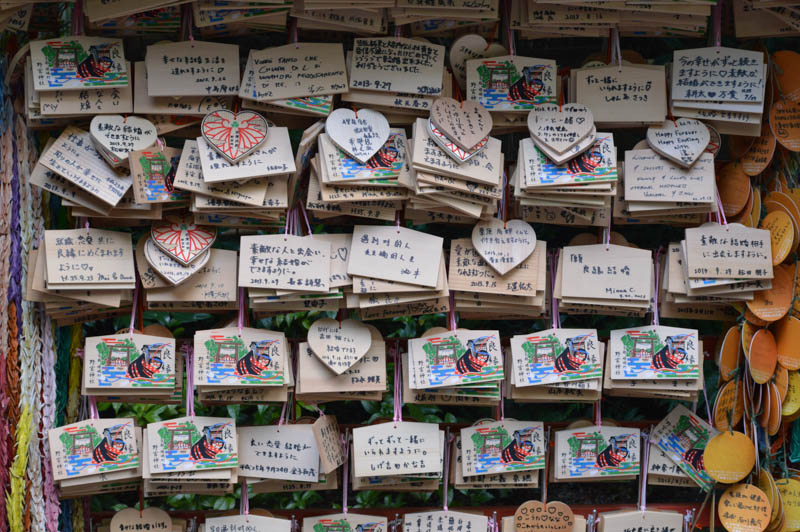
We planned to take the Sagano Scenic Railway to Torokko Kameoka Station. This area is especially beautiful during the fall. However, we were late. So, we headed towards the famous Bamboo Groves. A contrasting red “torii” led to Nonomiya Shrine, amidst the greenery. A few visitors worshiped here. Nearby, there was a wall of wooden totems with messages. Perhaps, words of wisdom, prayers, declaration of love, get well and words towards happiness – all shared this wall. On the narrow asphalt road, we crossed a railway line. A man pulled two visitors on a cart. A lovely lady in white kimono passed us. Through a sea of velvety bamboo, we reached the densely vegetated and landscaped Jojakko-ji Temple. A traditionally attired elder couple walked past clearly enjoying the atmosphere here. There is tranquility here, calmed by the fresh green leaves. Walking is the best way to savour these serene surroundings. There are several temples and places of interest here.

“The temple was set in the forest, where the sunlight barely penetrated the canopy” – Navindd

DSC_0035 DSC_0032 untitled-8 untitled-7

Dusk was imminent. Day turned cloudy as we approached the famed Bamboo Grove. The walk brought us back to the main road. Snack time again. We walked towards the bridge. On the street, the most amazing sight, two Geishas walked along the street. The atmosphere in Arashiyama is pleasant and has a village setting and feel. We walked past Tenryuji Temple that had just closed. The mountains rose above the Togetsukyo Bridge over Hozu River. On the water were a few boats taking tourists. This area is popular during the cherry blossom and fall colour seasons.

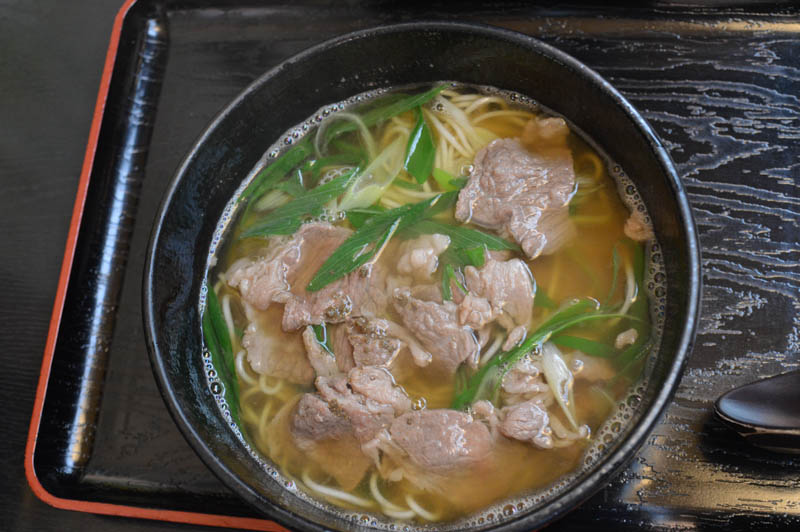
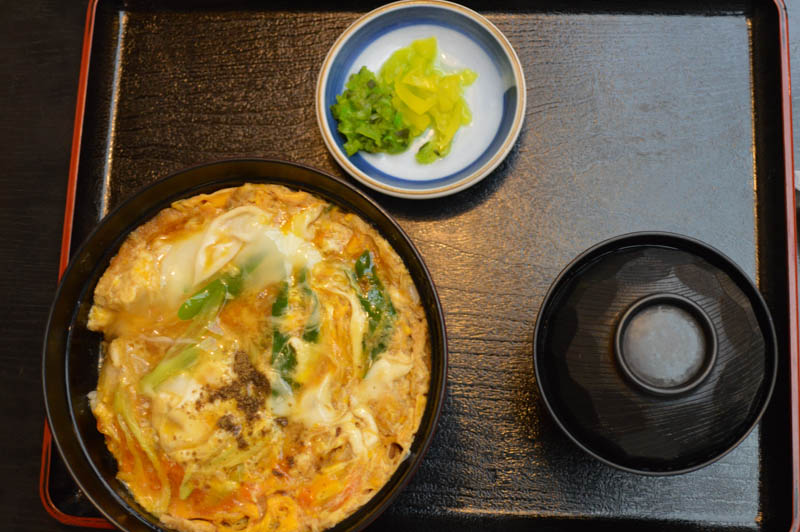
“In Japan, you could always expect the highest quality of food wherever you went, and that’s exactly what we got” – Navindd

untitled-19 untitled-18 untitled-20 DSC_0059