Tag Archives: Naramichi

Nara – Final day in Japan

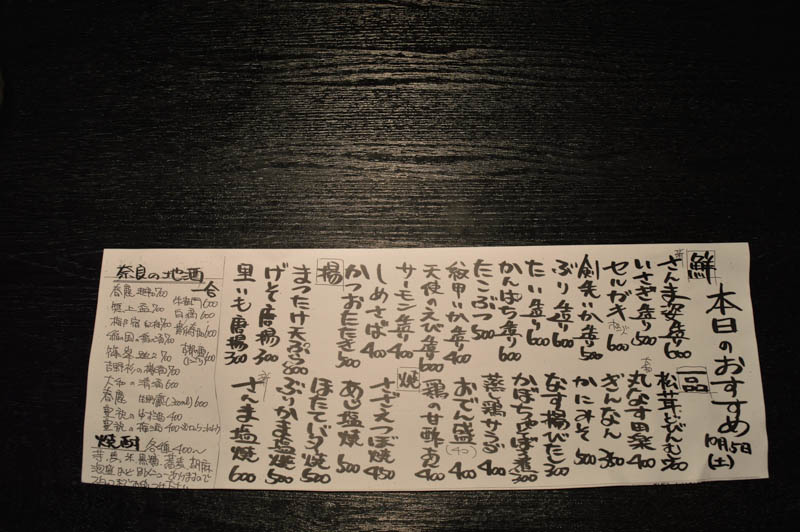
untitled-360Tonight we wandered along the popular Sanjo Dori. Tucked between financial institutions and official looking buildings are quaint little restaurants. We found one, an “izakaya”. This was our last night in Japan before we head off home. The friendly chefs spoke little English and the menu was in Japanese.
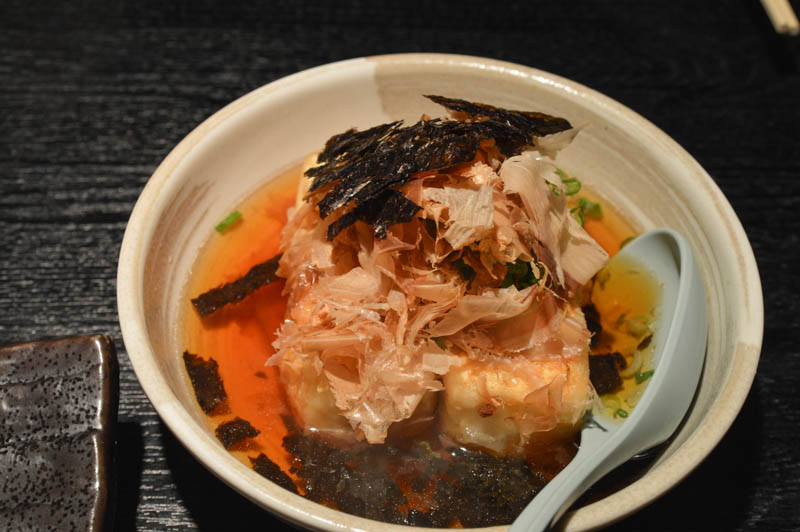
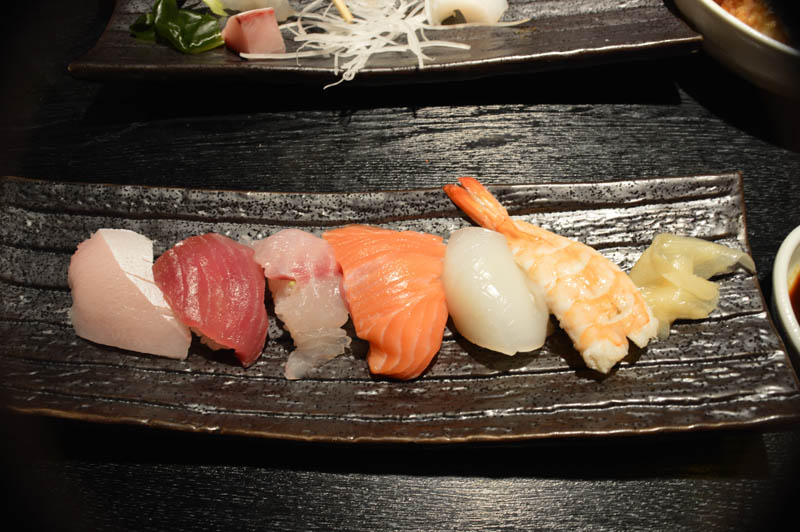
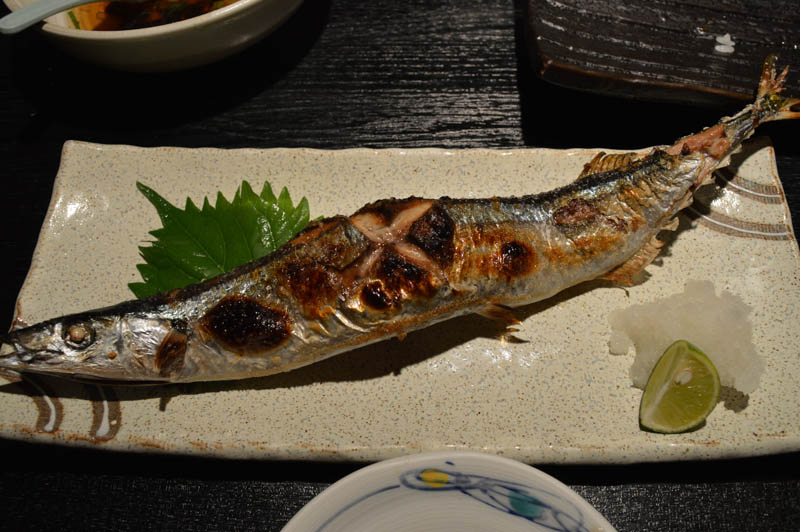
untitled-357 untitled-358 untitled-356 untitled-355 untitled-359We were by now well acquainted with the proceedings and confidently ordered our dishes. Yes, more sashimi, grilled Sanma fish and a delicate broth with dumplings. The atmosphere here; like throughout our dining experiences in Japan, was warm, sometimes hilarious and definitely light. As always, appealing presentation, exquisite and delightful taste and flavours. These experiences had set a high mark of Japanese food elsewhere.

We returned to our lovely ryokan styled guesthouse. The smiling and inviting face of Kayoko greeted us and ushered us for some hot green tea. Her son joined us. He aspired to be involved in conservation. For now, we encouraged him to finish his school and perhaps consider New Zealand to further his studies and career.

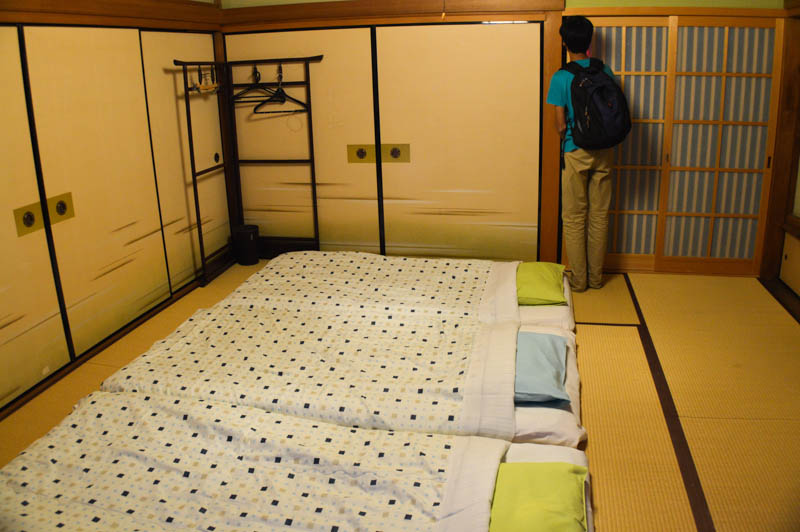
Later, we packed up our luggage and quietly walked on the tatami floors and snugged into our soft futon beds. In the morning, Kayoko prepared an early breakfast before a taxi brought us to the Nara Station. From here, we caught a train that took us directly to Osaka’s Kansai International Airport.

This journey through mostly central Japan had been an eye- opener to the nature of the Japanese people, their customs, magnificent ancient and historic temples, their delicate culinary, efficient transportation system, did I mention the wonderful Japanese people, and many more.
The memories of Japan from my school history books were delivered through this memorable journey. Connecting was convenient with a existence and approachable remains of history – the temples, museums, culture and charming living museums pieces. The stories can be relived and therefore retold. My dreams were fulfilled. This journey is more significant as we had travelled and experienced Japan as a family. Now that is priceless!

jā mata ne, Nihon”

Nara

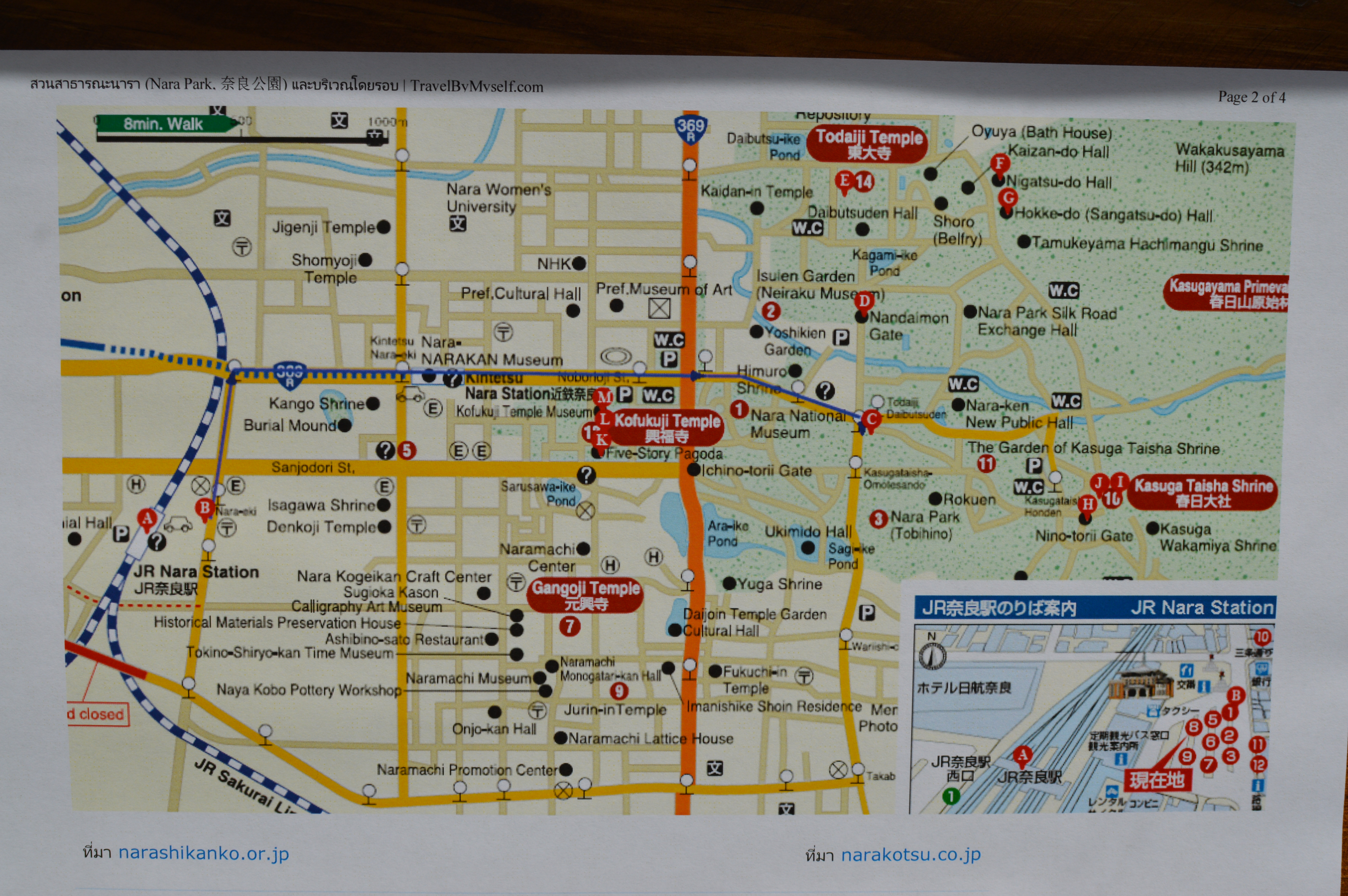
DSC_0085 Nara did not disappoint me. It fulfilled all the ‘want to see things’. There was a sense of nostalgia – a journey through the history books of ‘Old Japan’. The historic temples, immaculate Zen gardens, preserved ancient streets, and above all the cultural identity had been retained. Being a compact city, walking seemed to be the best option of seeing and absorbing this atmospheric city.

Auntitled-354lthough Japan is one of the most developed countries, hanging on to the past seems relevant. The society moved seamlessly between the old and modern. In many places, ancient relics, traditions and historic structures had become museum pieces. However, here in Nara and the wider Japan, it is lived and continues to flourish. The Japanese people had successfully integrated traditions with modernism. To me, this had been a highlight of our journey.

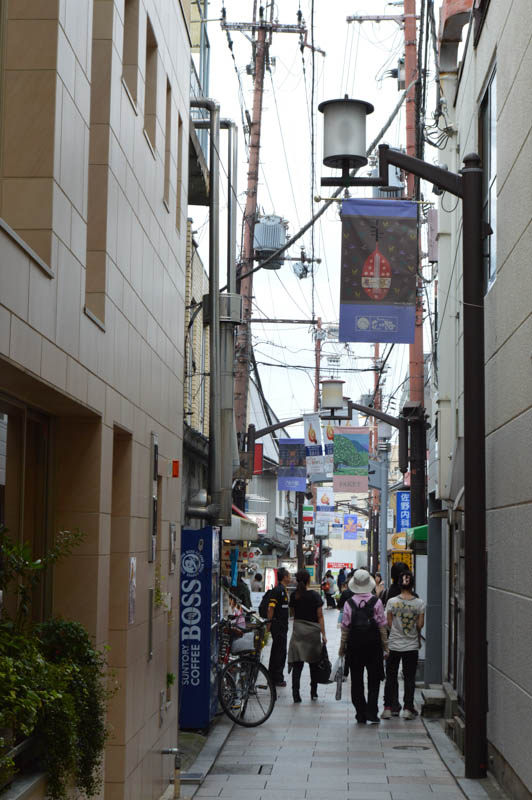
Naramachi is one example. At every corner, a new discovery may be waiting. Artesian working on traditional textiles and materials, artwork or calligraphy, and our favourite, traditional food. I felt privileged to have been here, the first imperial capital of Japan.

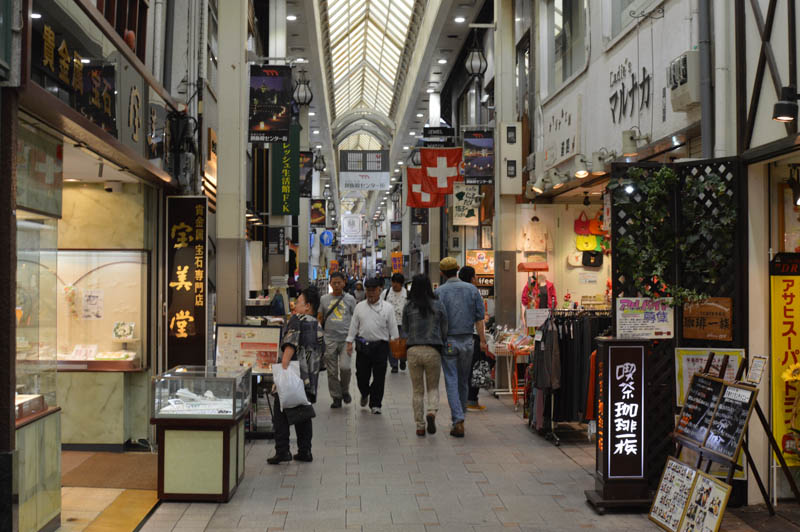
untitled-347Walking around Nara and Naramachi is pleasant and is easily covered just by walking. Three major shopping centres lie adjacent to each other. Higashimuki Shopping Street starting at the Kintetsu Nara Station and ends at Sanjo Dori. The Mochiidono Shopping Street begins from Sanjo Dori and ends at the old town district of Naramachi. Both these pedestrian only shopping centres are covered arcades. The main road of Sanjo Dori Avenue is the other major centre.

untitled-349 untitled-350 untitled-348untitled-351A variety of items that makes a good gift to take home include round fans, “uchiwa”, Nara dolls, “ittobori”, bags and handkerchiefs, arts and crafts, cloths – all made from traditional Nara fabrics. We entered into a kitchen ware shop and obtained some beautiful handcrafted lacquer ware bowls and spoons. A local woman suggested to us the better materials to buy. I also bought a small ceramic with Fujisan on it as a memento. It was busy but relaxed. One common feature all around Japan are the 100Yen Shops.

Beautiful kimonos and traditional cloths were displayed behind glass windows. Between these retail shops, there are numerous restaurants and eateries. It is a delightful place to people watch as well.

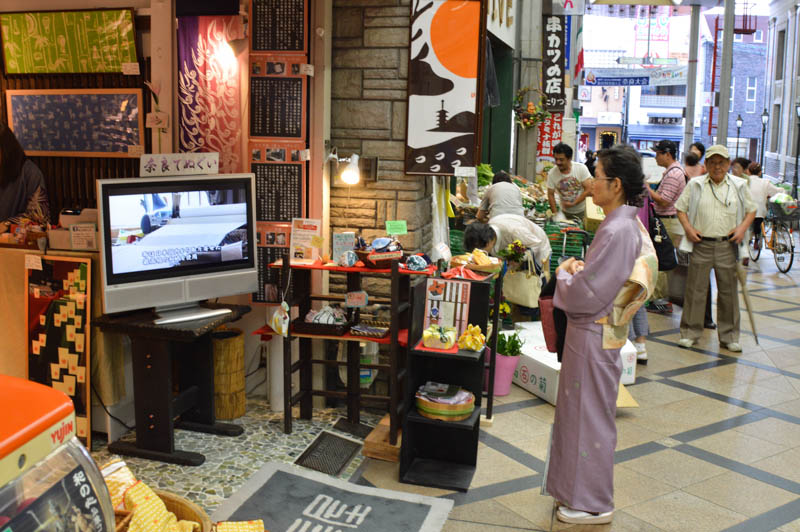
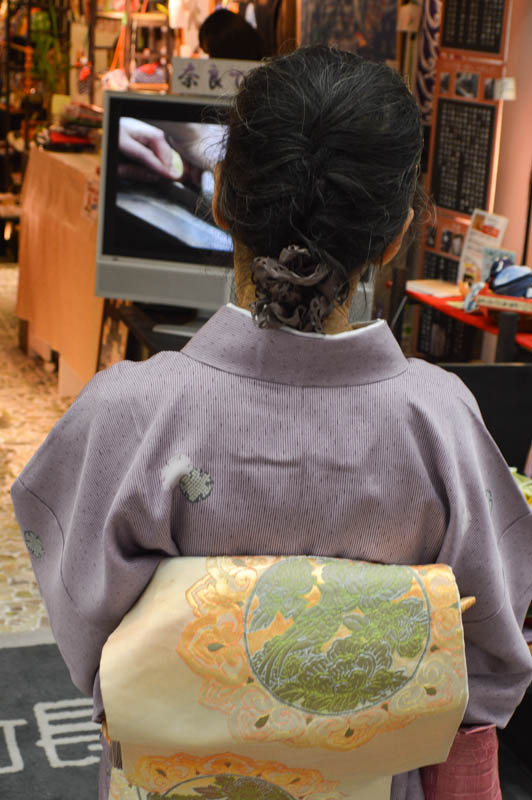
In one of the arcades, three friendly girls dressed up in local traditional dress wished visitors. They are part of the team promoting Nara organised by the local council. I watched an elderly lady dressed in a lovely kimono watching intently a sewing program on the television. The pace here is slow and people smiled often. From these three shopping centres, several narrow alleyways branched off with more places to explore. On one street was an Indian restaurant. There is always something waiting to be discovered, perhaps even spotting the only “maiko” in Nara’s “hanamachi” in Ganri’in cho!

Nara – Naramichi 3

untitled-284DSC_0547

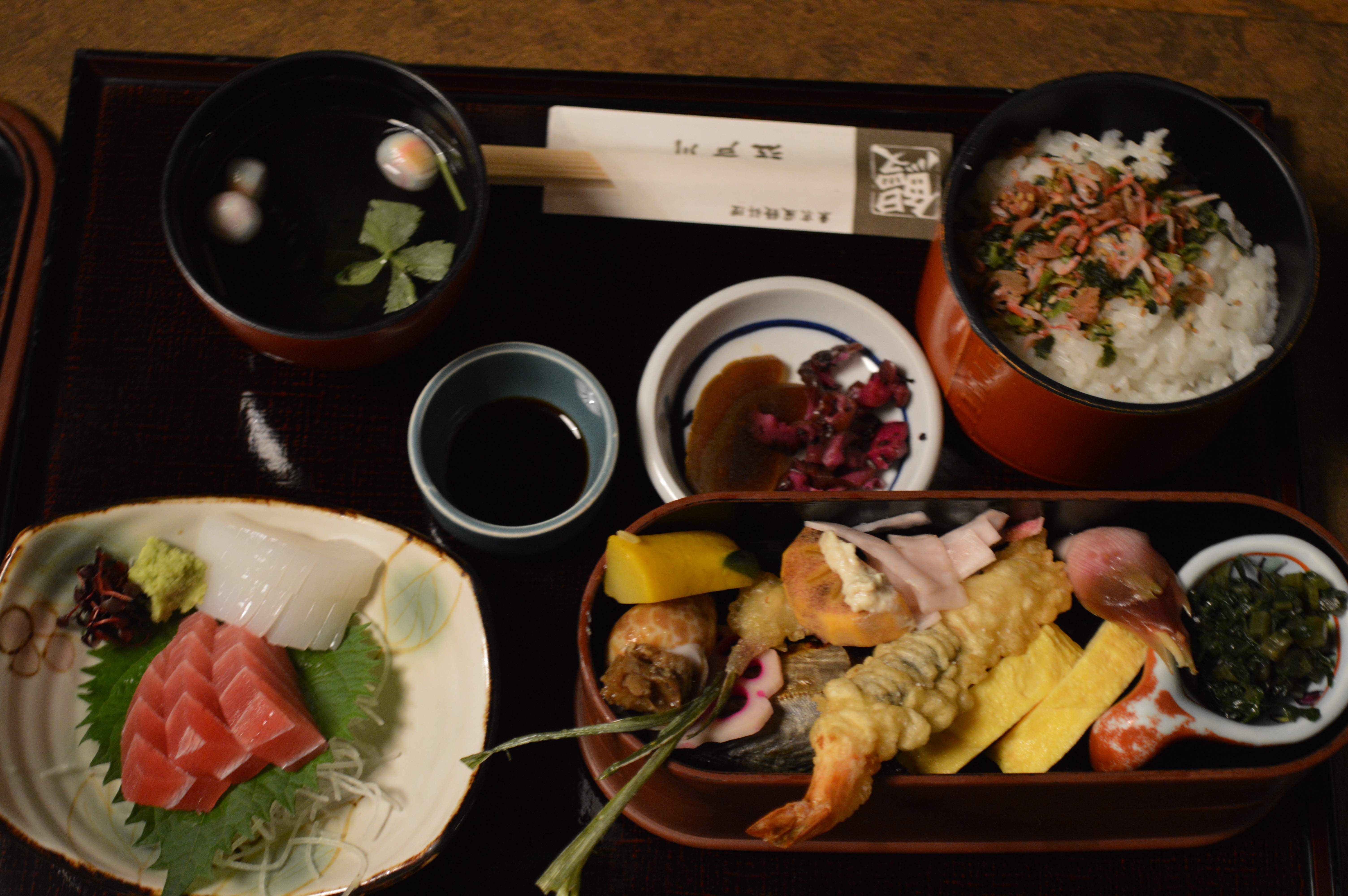
DSC_0552In the evening we decided to go to a nearby restaurant in Naramachi recommended by Kayoko. The place was busy and a hive of activity. We waited outside and eventually were ushered inside to a room with a few low tables scattered around. The interior was wonderfully by simply decorated and the dark woodwork glowed in the low lighting. The staff walked around quickly but quietly and always giving a smile. We sat at our low table on tatami floors. Prawn and vegetable tempura, steamed tofu in a delicate sauce, addictive miso soup, fresh sashimi of yellow fin tuna, “maguro” and a white fish, steamed sweet potato and ladies finger. All these served with steaming rice and a selection of local pickles – “narazuke”. That was just my dishes.

Lee Cheng had the simple eel, “unagi”, cooked with light teriyaki sweet sauce, pickles and miso with rice. Navindd ordered a platter – tuna sashimi served with daikon, battered prawn tempura, an exotic escargot (snail) which surprised us all, soft egg rolls and complemented with more assorted pickled vegetables, miso and rice topped with skipjack tuna shavings, “katsuobushi”. We loved the food in all the places we have been and this looked great too.We consumed quite a bit of the aromatic green “ocha” tea during the course of the evening.

The meal was an enjoyable way to finish a leisure day. This is our second last day in Japan. The ambient setting and the welcoming service by the staff contributed immensely to the evening. To give you an idea, the cost of our meals was about ¥8000, roughly US$85. It is definitely worth it. As we left, I noticed that the snail was left untouched. It turned out to be a great recommendation.

Back at Sakuraya, we all sat down for more tea, tasty soft biscuits and pleasant conversations. This would perhaps be the most ‘homely’ stay we have had in Japan. Finally, we snugged into our soft and comfortable futon beds.

untitled-283 untitled-289

Sakuraya is “machiya” style home and has only three Japanese style tatami floor rooms. The dining hall faced the refreshing inner garden complete with water basin, palms and pine trees. Granite rocks and stepping-stones added further appeal to the rather small but delightful garden. A pair of wooden slippers were placed, pointed outwards, on a stepping stone.

Nara – The final day in Japan

untitled-360Tonight we wandered along the popular Sanjo Dori. Tucked between financial institutions and official looking buildings are quaint little restaurants. We found one, an “izakaya”. This was our last night in Japan before we head off home. The friendly chefs spoke little English and the menu was in Japanese.
untitled-358 untitled-357 untitled-356 untitled-355 untitled-359

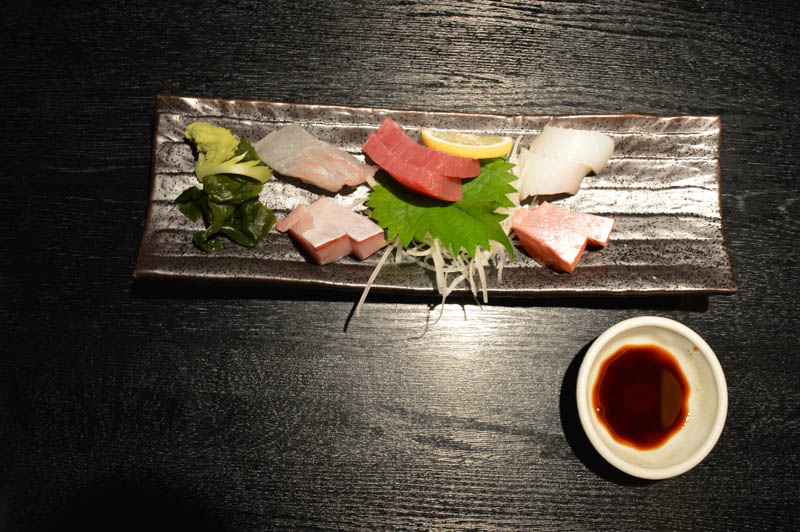
We were by now well acquainted with the proceedings and confidently ordered our dishes. Yes, more sashimi, grilled Sanma fish and a delicate broth with dumplings. The atmosphere here; like throughout our dining experiences in Japan, was warm, sometimes hilarious and definitely light. As always, appealing presentation, exquisite and delightful taste and flavours. These experiences had set a high mark of Japanese food elsewhere.

We returned to our lovely ryokan styled guesthouse. The smiling and inviting face of Kayoko greeted us and ushered us for some hot green tea. Her son joined us. He aspired to be involved in conservation. For now, we encouraged him to finish his school and perhaps consider New Zealand to further his studies and career.

Later, we packed up our luggage and quietly walked on the tatami floors and snugged into our soft futon beds. In the morning, Kayoko prepared an early breakfast before a taxi brought us to the Nara Station. From here, we caught a train that took us directly to Osaka’s Kansai International Airport.

This journey through mostly central Japan had been an eye- opener to the nature of the Japanese people, their customs, magnificent ancient and historic temples, their delicate culinary, efficient transportation system, did I mention the wonderful Japanese people, and many more.

The memories of Japan from my school history books were delivered through this memorable journey. Connecting was convenient with a existence and approachable remains of history – the temples, museums, culture and charming living museums pieces. The stories can be relived and therefore retold. My dreams were fulfilled. This journey is more significant as we had travelled and experienced Japan as a family. Now that’s priceless!

“jā mata ne, Nihon”