Kyoto – Daitokuji Monastery 1

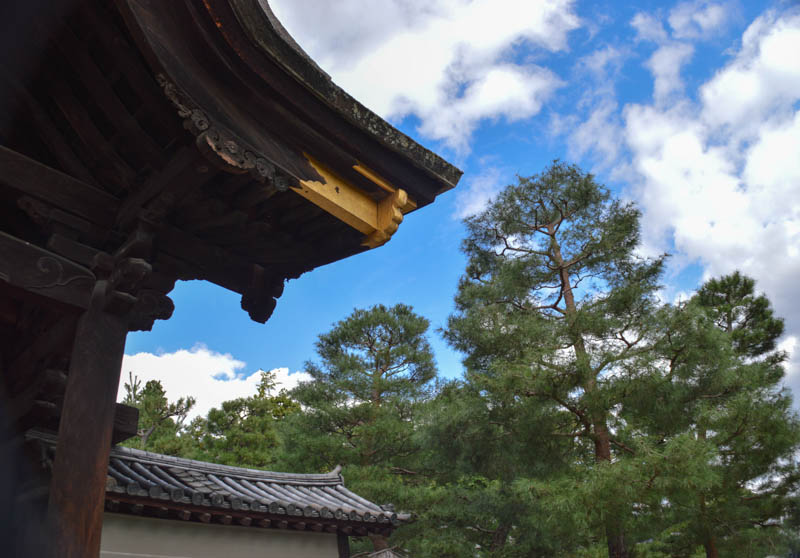
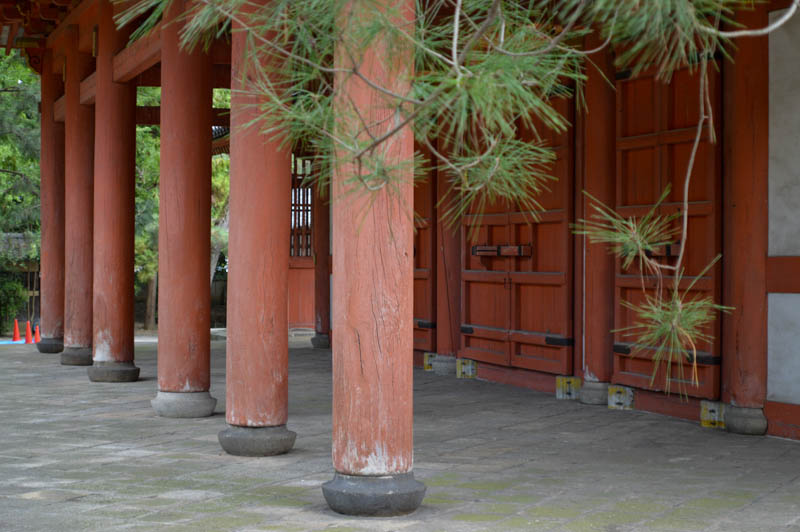
There are numerous temples in Kyōto and is impossible to see them all in the time we had. Early today we headed to Daitokuji Temple in Northern Kyōto. It is a walled temple complex with 22 sub- temples. However, the main temple was closed. A group of student were on the upper floors of a building admiring the views. Thick pillars foundations supported the building. The exterior is mainly planted with pine.

untitled-52 untitled-49

DSC_0073Chinese influence in architecture is evident here. With the introduction of the Zen sect of Buddhism, this evolved and matured with a Japanese flavour. Today, they include “tatami” floors, “tokonoma”, alter, alcoves and “fusuma”, sliding paper doors, amongst others. In the feudal days, Daitokuji catered for the elite Samurai class and aristocracy as well as headquarters of Rinzai Zen. It also has a strong connection to tea ceremonies particularly in 1573 – 1603. Generally, the monastery follows the traditional Japanese format of “shin- gyo-so”, formal, semi-formal and informal design. Only four temples were open to the public. It is a great place to get an insight of Zen Buddhism and the famous dry gardens.
Zuihō-in Temple

untitled-23

DSC_0075

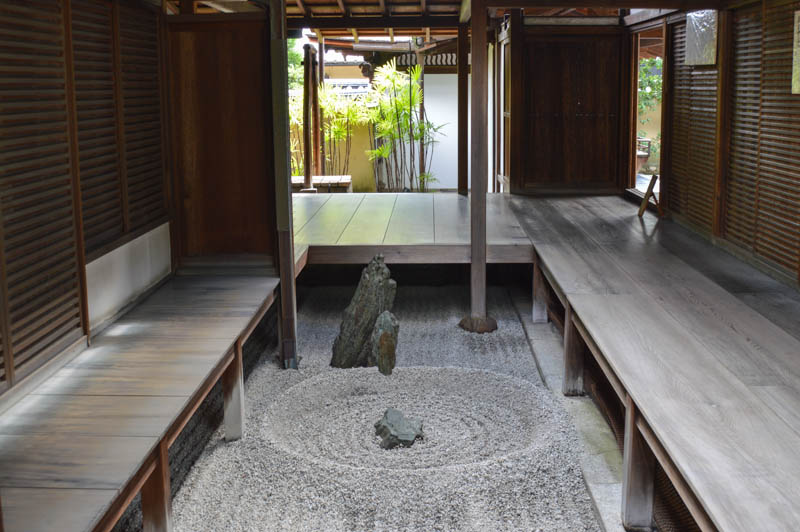
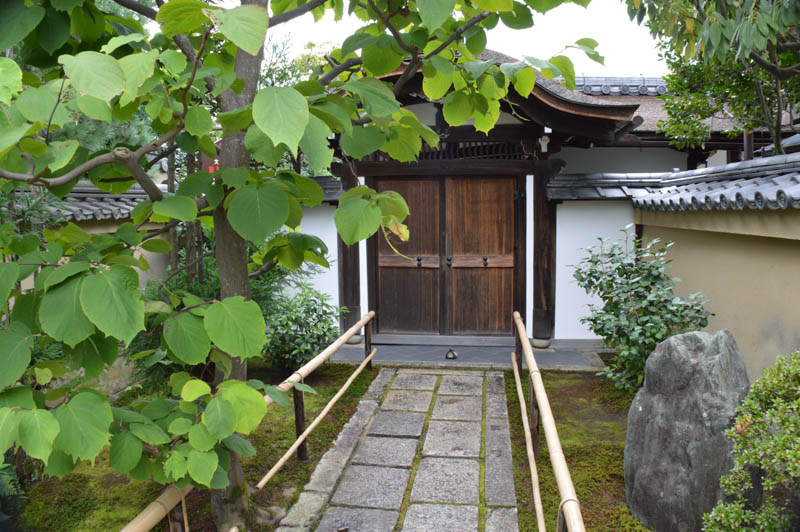
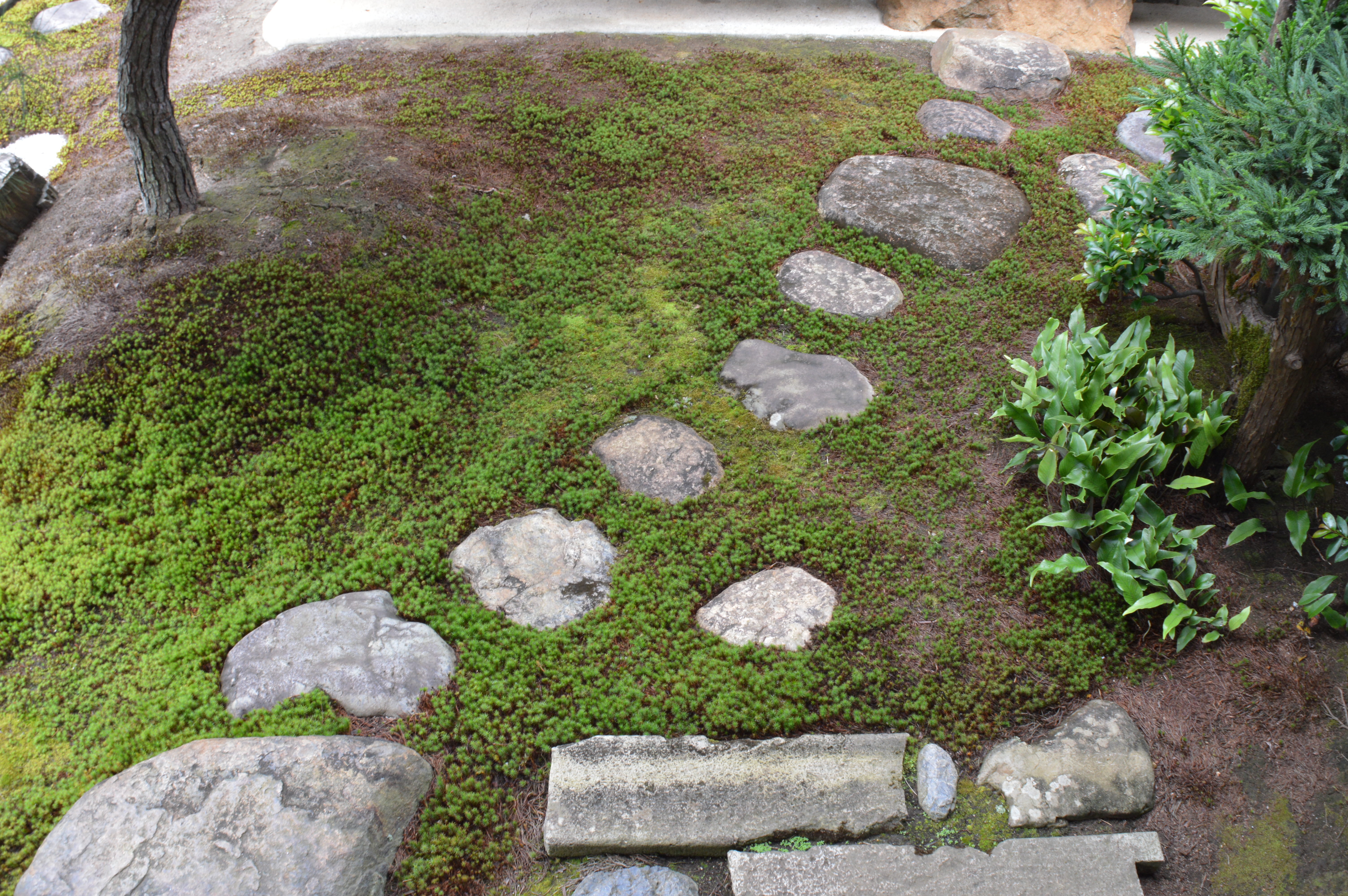
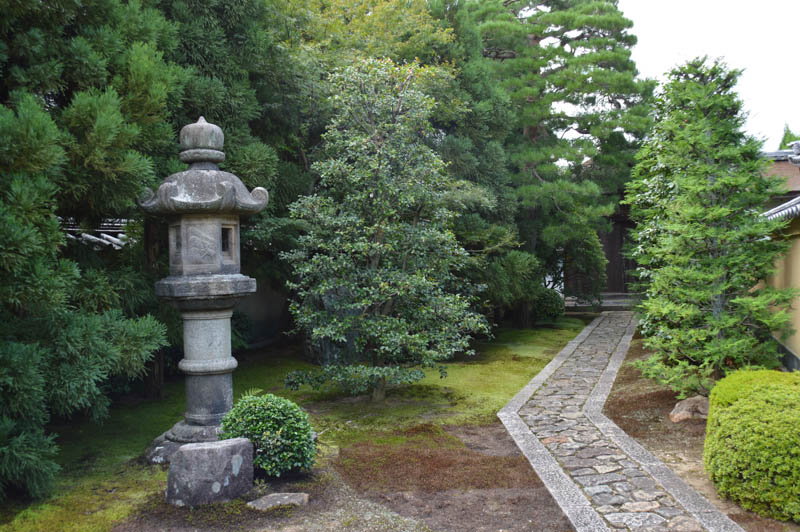
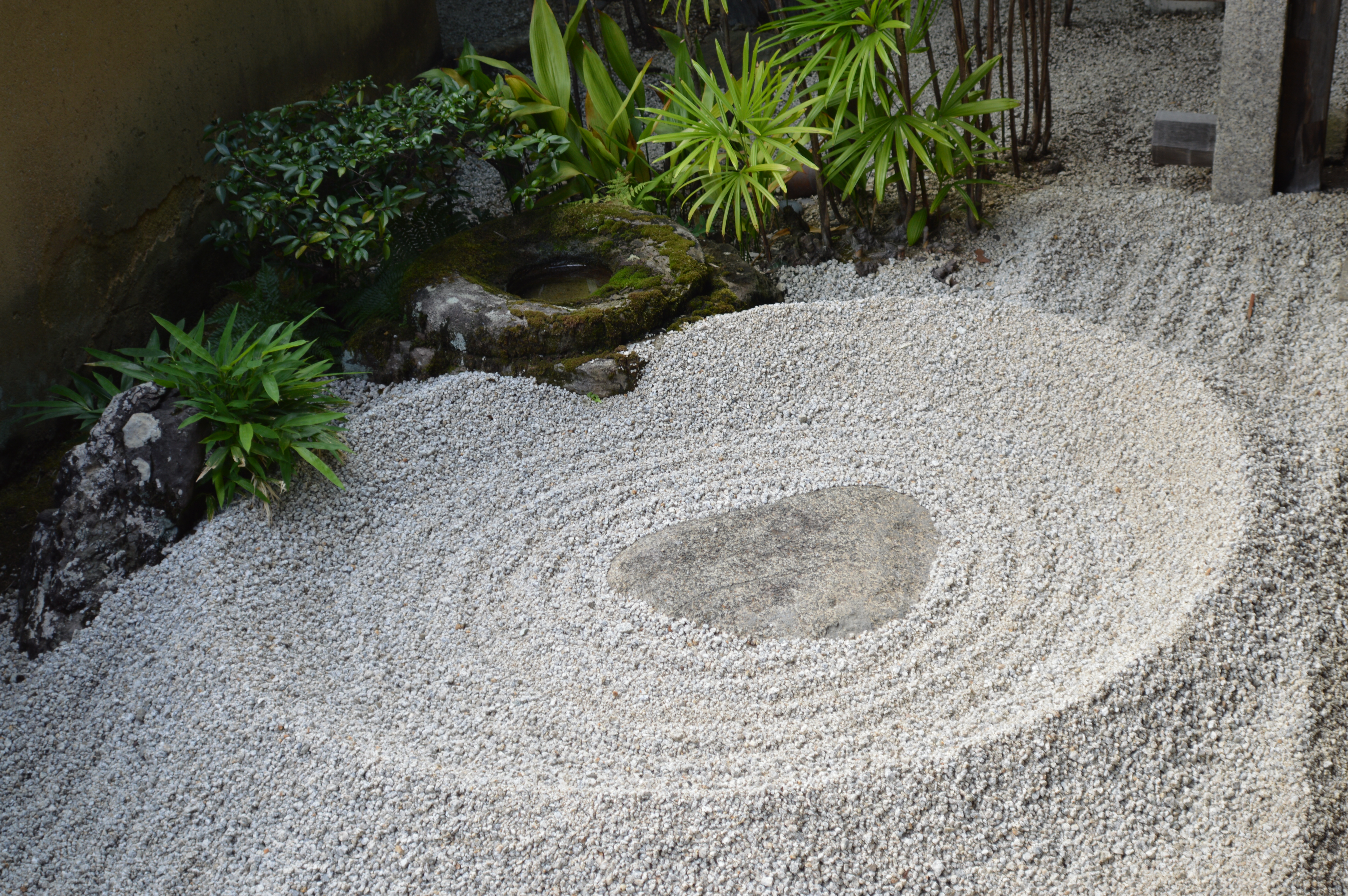
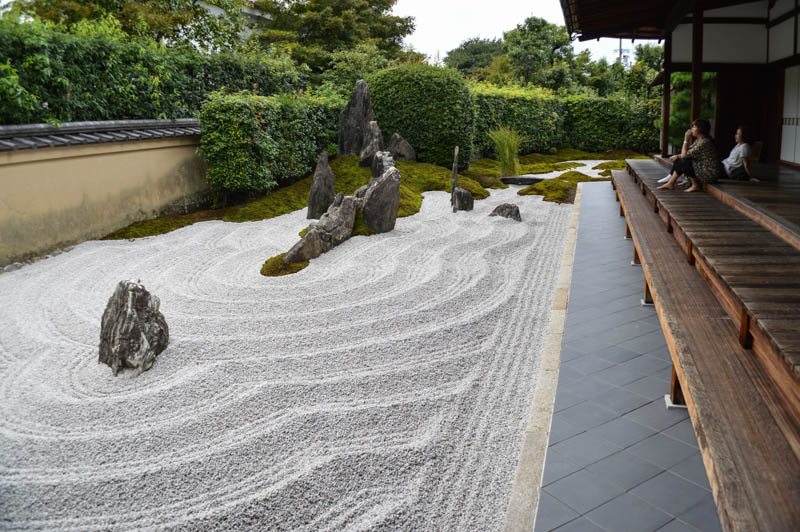
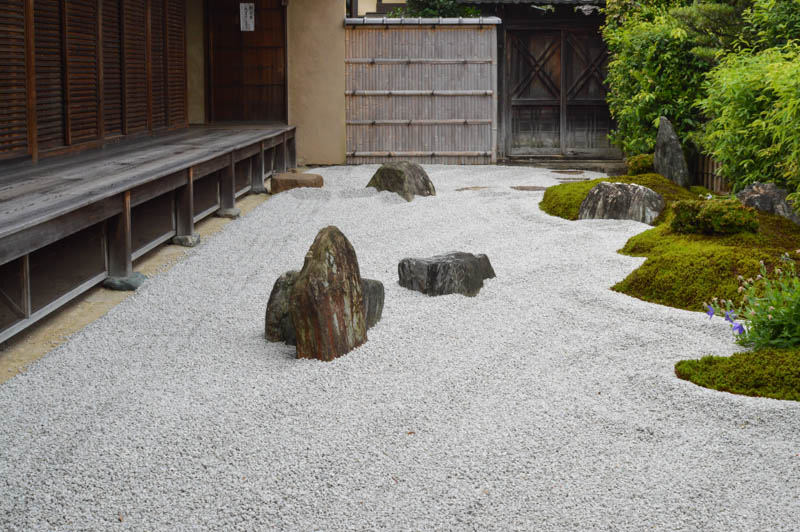
Zuihō-in, a Rinzai Zen Buddhist Monastery, was founded in 1546 by Lord Otomo. The Chinese characters mean Alone-Sitting-Garden and refer to an island of the Taoist mythology. Initial ideas of these types of gardens were derived from China and later localised. The approach to this temple is through a rustic wooden Omote-mon, front gate. After walking a few turns through an informal garden on stone pavements past an “ishidoro”, stone lantern, we entered the “Hojo”, main hall. Facing the “Hojo” is the formal “karesansui”, dry “Dokuza-tei”, front garden aptly named “Garden of Solitary Meditation”. The gardens were designed by Mirei Shigemori. A combination of stones, minimal plants and raked stones occupy the vista seated on the wooden veranda of the “Hojo”. It was quite and the atmosphere subdued. First it was intriguing seeing the whole landscape. Slowly, I was engrossed in the details of the design. Senses and emotions are stirred just looking at the various elements of the design. The minimum use of elements and lack of colour is to minimise distraction. The sand is raked high to symbolize rough seas. Pointed rocks embedded into moss covered ground imitate mountains. A narrow stone bridge connected to the back with smaller and levelled river of waves indicated calmness.  Interpretations may vary with every individual. Some may see their own tribulations of life reflected in these designs. Mine was an appreciation of the interaction between design, human emotions and landscape. However, there is no denying that there is a sense of peace by just looking at the dry garden. Noise, is a manmade inconvenience. Fortunately today, there were very few people here. With whispers in our ears, we gingerly walked to the back garden. With every turn, a delightful view awaited.

untitled-24Seated on the veranda, we viewed the back garden or “Kanmin-tei garden or “Quietly Sleeping Garden” or commonly called Garden of the Cross. It was established by Ōtomo Sōrino, a daimyo, whom had converted to Christianity but the religion was then banned. Seven stones are placed to form a cross. Mirei incorporated this into the final design alongside the traditional features. This garden is much more compact and intimate. The tea house is adjacent to this garden. Small rounded stepping stones, “tobi- ishi”, created pathways to little corners of the garden. The atmosphere today is quiet and calm.


untitled-25 DSC_0083 

“There were lines and circles everywhere, along with large rocks seemingly placed randomly. But when I read the signboard next to me, I found that the stones were strategically placed around the gravel and the lines and circles were the equivalent of pictures on a storyboard. The whole garden had a story to tell!” – Navindd

untitled-27untitled-26” A garden that will stand the test of scrutiny is not just one whose material qualities will endure. Instead, is it a garden that, even as people’s outlooks change over time, is suffused with permanent beauty ” – Mirei Shigemori

Kyoto – Japanese Garden

untitled-36

“Visualize the famous landscape of our country and come to understand their most interesting points.Recreate the essence of these scenes in the garden, but do so interpretatively, not strictly” – Sakutei-ki, Records of Garden making, 11th century

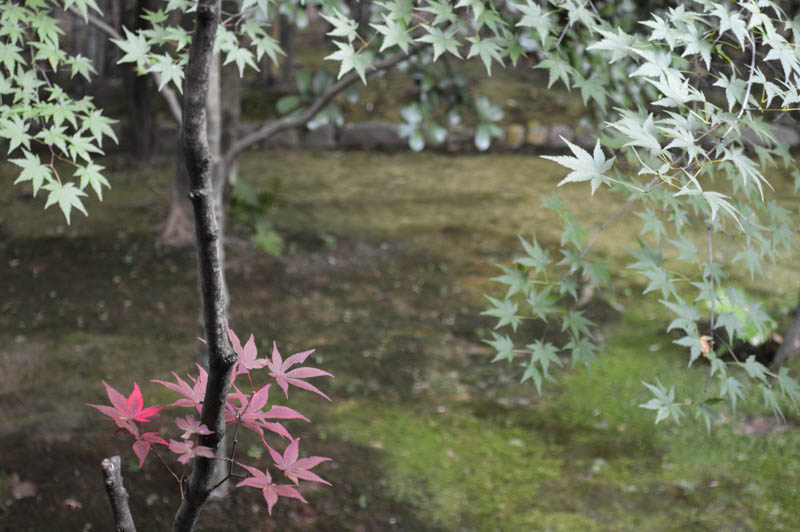
Gardens had existed since Nara Period (710-794). During the Heian Period (794- 1185), it evolved with the pond, being the centre of the design. This element had continued till today. The Japanese religions, Shinto and Buddhism, had influenced the way gardens and architecture is designed and built. They believed that, in nature, all natural elements have spirits. As such, gardens are created to imitate nature or sometimes referred as ‘borrowed sceneries’, “shakkei”. Plants, both evergreens and deciduous are selected and carefully planted to reflect impermanence – seasonal changes – life itself. This is evident particularly in the use of maples, “momiji” and cheery, “sakura” trees. Additional elements are added to enhance the garden include bodies of water, either moving or stagnant; stone water basins, “tsukubai”; stone lanterns, “dai- dōrō” and stepping stones, “ise”. In architecture, historical period elements are used to recreate, especially, in the design. Art and nature are inseparable, likewise, the indoor and outdoor flow. It seems that art, nature and religion have become one. Examples of these are the Zen Gardens. Religious messages and teachings are created, not on a canvas or sculptures, but in a living form – the garden. In dry “karesansui” gardens – sand, stones, rocks and plants are mindfully arranged to reflect these messages. Fine examples include Zuhoi In and Daisen Temples. Symbols like hills, mountains, streams, and universe are immaculately and carefully incorporated into the design. Gardens had taken a spiritual discipline. Having done the hard work, today, these gardens are continuously and meticulously maintained to keep form and true to its historical origins that had survived for centuries. These places remain an abode for tranquility and solitude. A silent retreat! I am personally intrigued, touched by a sense of calm and the images etched in my mind by the mere sight of these treasures.


Kyoto – Geisha

One of the most enigmatic and alluring symbols of Japan, besides Mt Fuji and cheery blossoms, are the Geishas. These are women whom had gone through rigorous apprentice training in the fine arts of dance, music and as a hostess. These arts are centuries old and some with notorious connotations or inferences. Let’s get this right. Geishas are not prostitutes. In early history, now outlawed, “pleasure quarters” were established by the regime which included sex. These were never part of the ‘hanamachi” world. Incidentally, the first geisha were men dressed as women.

untitled-15

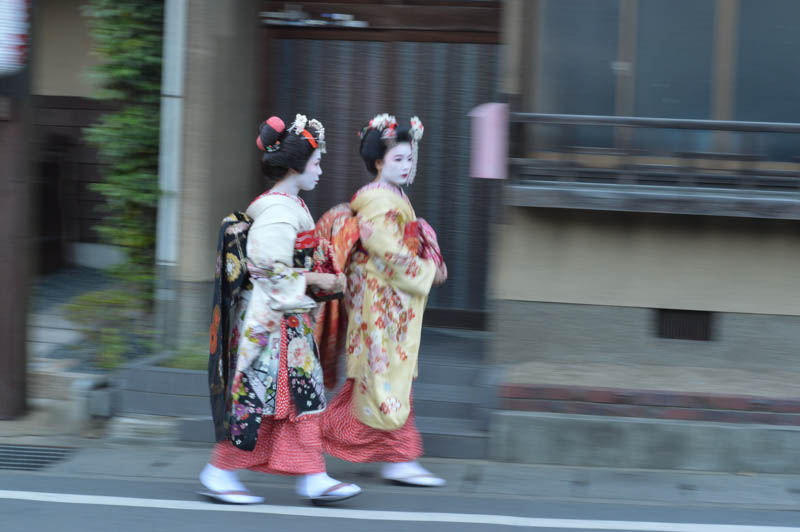
Geishas are immaculately dressed and made up from head to toe. The most striking features are their white painted faces, flowing intricately designed silk kimono and their dainty footwear. Their hair-dos, accessories and just their mere presence, fills up the area. Not only the foreigners, even the local Japanese, both men and women, seemed infatuated by them.

Geishas are single women, living, learning and working in a strictly matriarchal society under the guidance and care of the house mother, the “okāsan”. The lodging for the geisha and maiko is the “okiya” where they will spend their life. Many women run and manage the tea houses, “ochaya”, where the geisha perform. The area where they live and perform is referred as “hanamachi – flower towns”.

In Kyōto, the most number of geisha in the country, numbering less than 2000, are found. They are called “geiko” and the apprentice is “maiko”. The most popular ‘hanamachi” districts are Gion, Pontochō and Miyagawa- chō.

Seeing a geisha or a maiko is a privilege in my opinion akin to climbing Fujisan. They do leave a lasting impression after they are long gone. Well at least it did for me.

“The geisha system was founded, actually, to promote the independence and economic self-sufficiency of women. And that was its stated purpose, and it actually accomplished that quite admirably in Japanese society, where there were very few routes for women to achieve that sort of independence”.– Mineko Iwasaki, Geisha, A Life

“Geishas are not submissive and subservient, but in fact they are some of the most financially and emotionally successful and strongest women in Japan, and traditionally have been so.”
— Mineko Iwasaki, Geisha, A Life

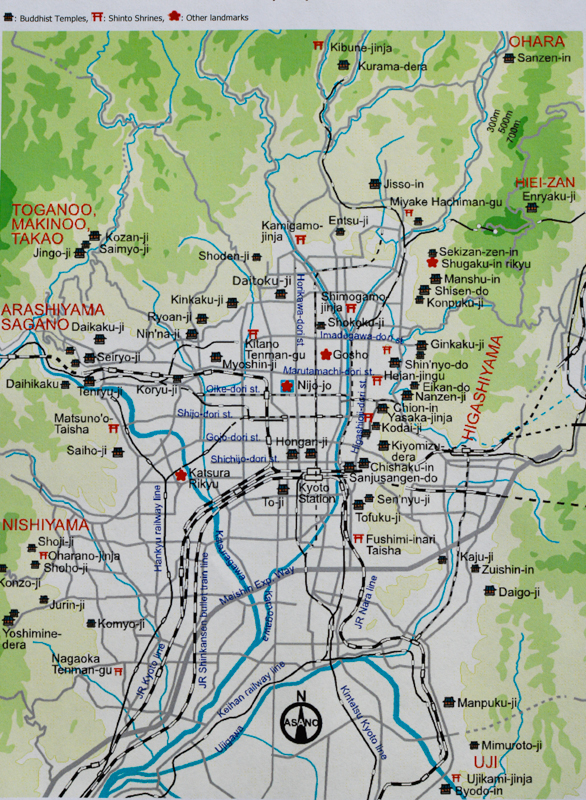
Map of Kyoto

DSC_0087

Kyoto – Arashiyama and Sagano – 2

untitled-9

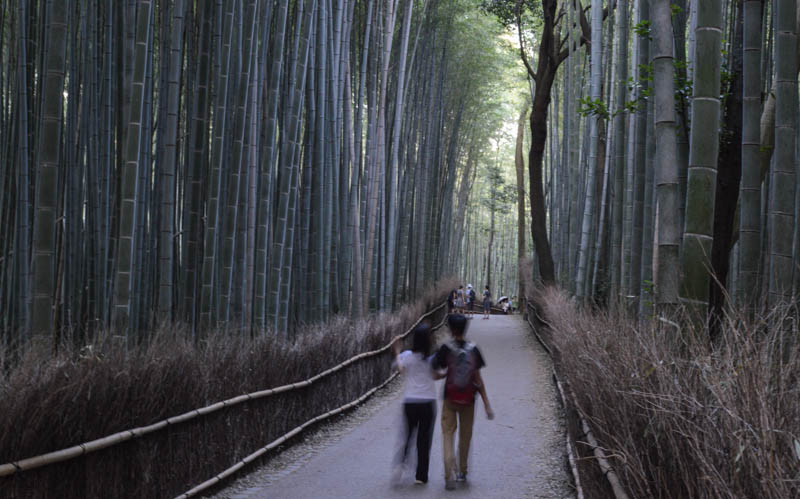
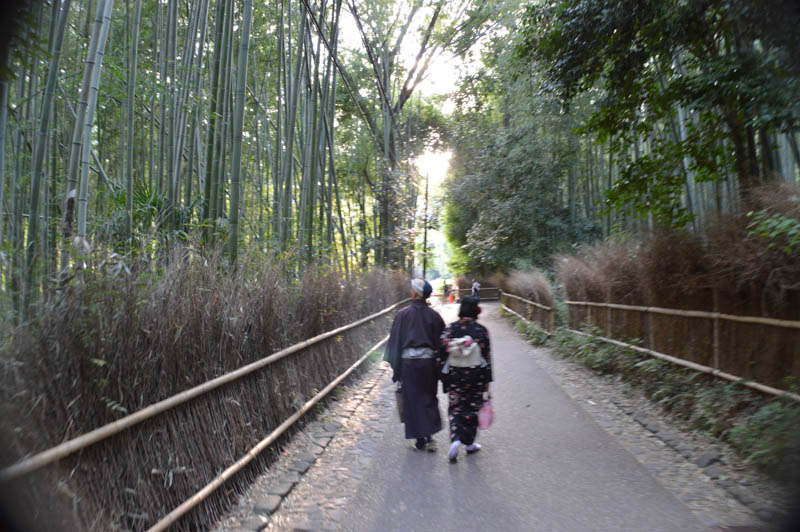
The Bamboo Groove in Arashiyama is a very poignant place. There seem to be a magnetic force that beckons one to listen and be mesmerised by the tranquil beauty of the slender lime green and upright swaying stems. A concrete pathway cut through the forest. Now, we felt as part of the forest. The breeze picked up and the whole vista literally swayed. An eerie but soothing sound of rustling leaves and rasping stems became a constant. Occasionally, when the tall stems collided, a deafening squeaky sound resonated throughout the park. Dusk added another unnatural dimension to this environment. Enlightening, perhaps! It’s fascinating how a grass held sway emotions of those present here. The slow stroll was strangely soothing.

untitled-6“….the only light that was present was a shard of sunlight managing to pierce the thick amour of the tall bamboos, towering into the sky. The slow crack, crack sound could be heard all around us, as the wind blew the masses of huge trees as one. As I looked forward, I saw lines and lines of bamboo, grouped up as close as they could be, swaying in the wind……To look at the forest from the side on the pathway, it was like looking at an enormous green wall” – Navindd


untitled-15
In the cloudy dusk, street lights and red lanterns dimly illuminated the main street in Arashiyama. Lee Cheng alerted me to an impending sight. Across the street, two characters walked quickly in tandem. My heartbeat rose. This was my first encounter with the iconic Geisha. I quickly snapped a few pictures in the dimming dusk light as they walked swiftly. One on the most beautiful sights I had seen – faces painted white with glossy ruby lips in the middle part of their lips, cherry blossom pink cheeks, red on the outside of their eyes and black liner around their eyes, and highlighted eyebrows. I noticed that one had only her lower lips painted red. Their outfit was immaculate- a flowing, elaborate and shiny silk kimono with beautiful floral silk embroidery and brocades. To add to the already magnificent outfit, they wore a dangling “obi”, “darari”, and sash on the back of the kimono. Their hair neatly tied up and adorned with elaborate combs and dangling hairpins, “kanzashi”. They both wore the “zori”, slippers with a “tabi”, split toed socks. In their hands, a small parcel wrapped in layers of cloth. They were just across the street. I put my camera down. I was awestruck by their elegance, beauty, poise and presence. There is an eternal aura around them. I was enchanted. As they walked away, the backs of their exposed necks was painted white with a W- shape design. A memorable sight indeed! Once they disappeared, there seem to be a void. Such is their presence. Regretfully, I had no clear pictures of this delightful encounter.

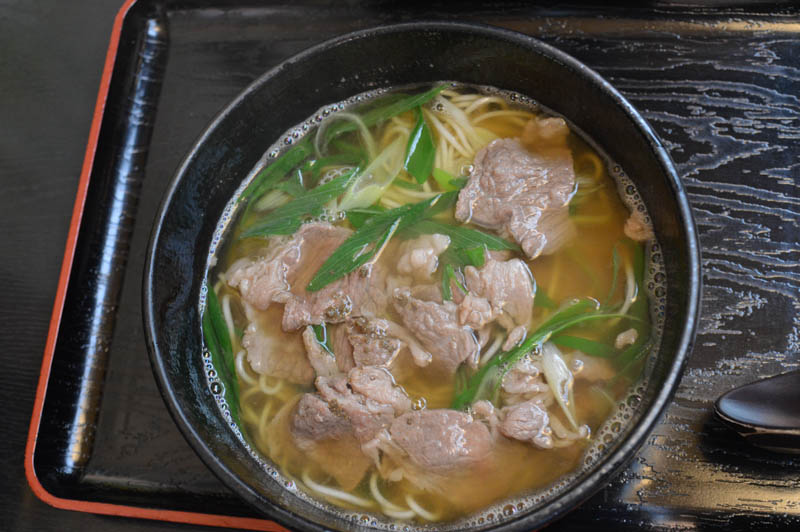
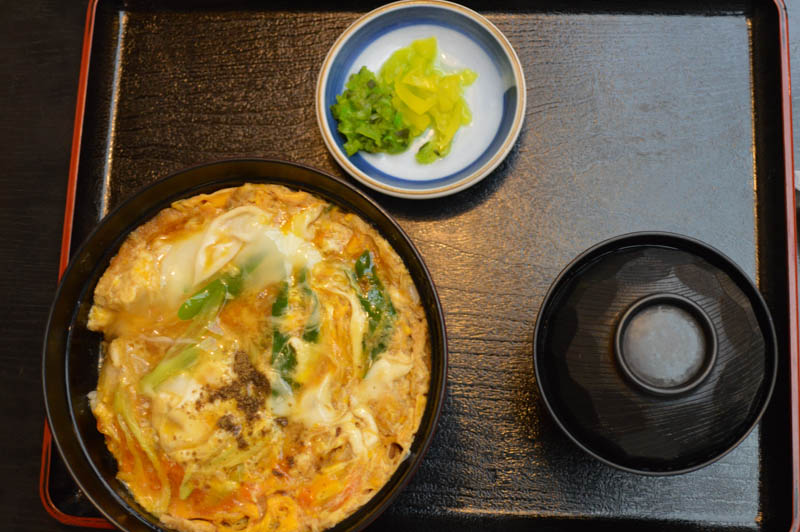
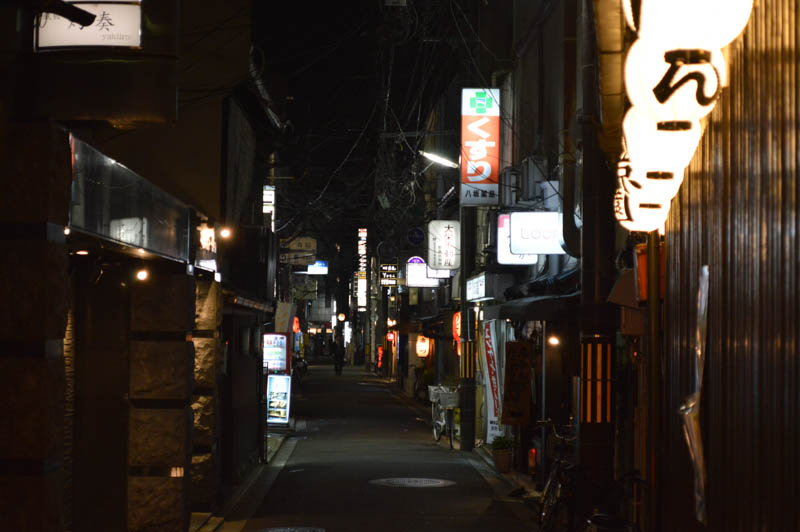
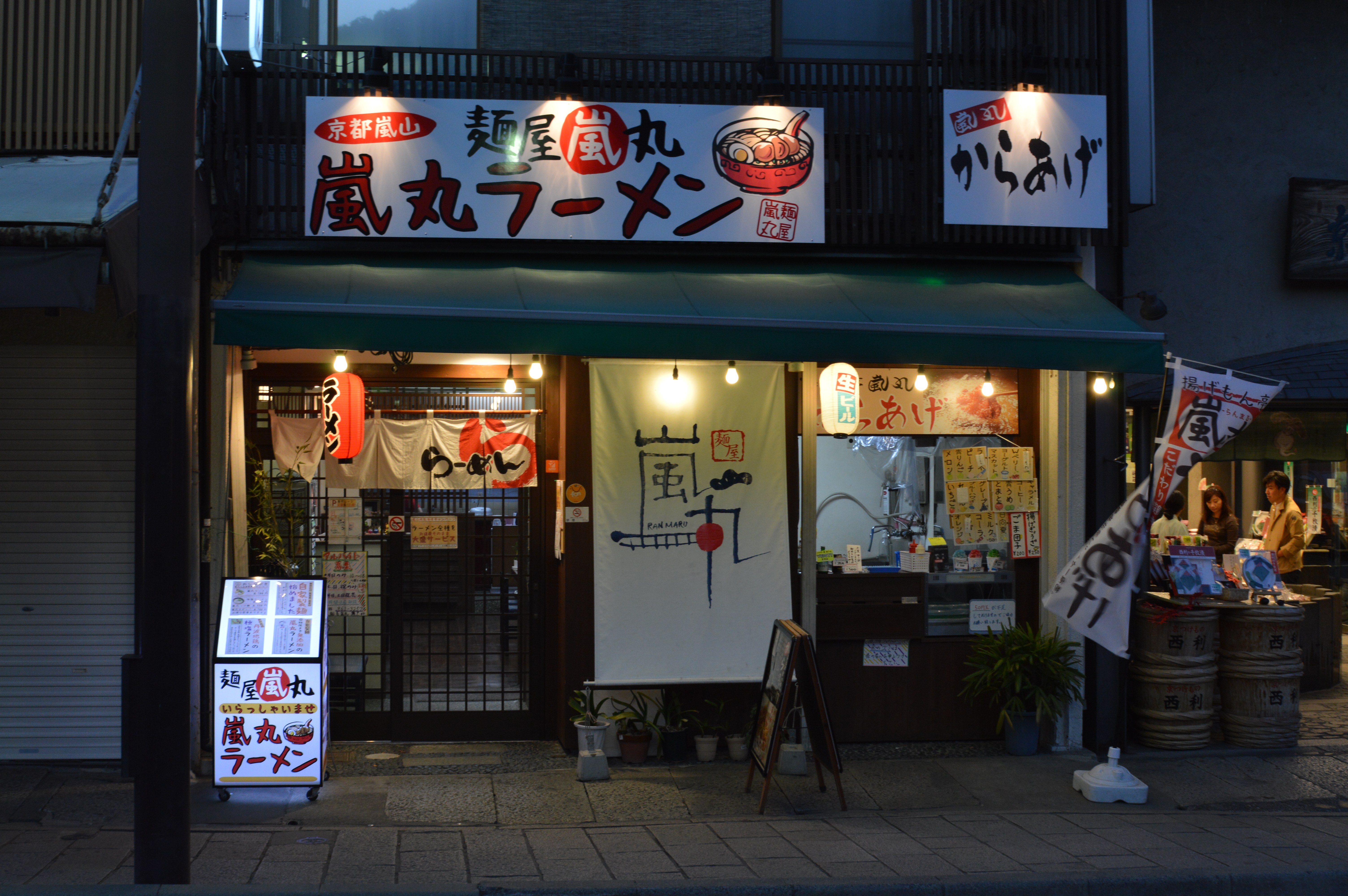
We walked off the main street into narrow lanes and discovered several eateries, gift shops as well as residential homes. Cyclist and motorcycles dashed past us in the dim streets lit by red lanterns and neon signage. We retired to a lovely noodle shop for dinner. It had been a long day for us. The scenery and setting of Arashiyama had certainly wet our appetite for this old capital. We returned to Kyōto by train.

Kyoto – Arashiyama and Sagano – 1

“Within no time, we were getting off the super fast Shinkansen and stepping into the ultra modern Kyoto Station…..There were so many people in and around it that it felt like the entire city revolved around the station. It is one of the strangest building I had ever seen, with glass jutting out of it at strange angles” – Navindd

From luxury in Tsumago, we headed to our backpacker accommodation with tatami floors and folded beds, near the train station. We settled in and after a short rest headed back to the station for some lunch – “sushi”, “sashimi” and “nigiri” at restaurant inside the futuristic Kyōto Station.

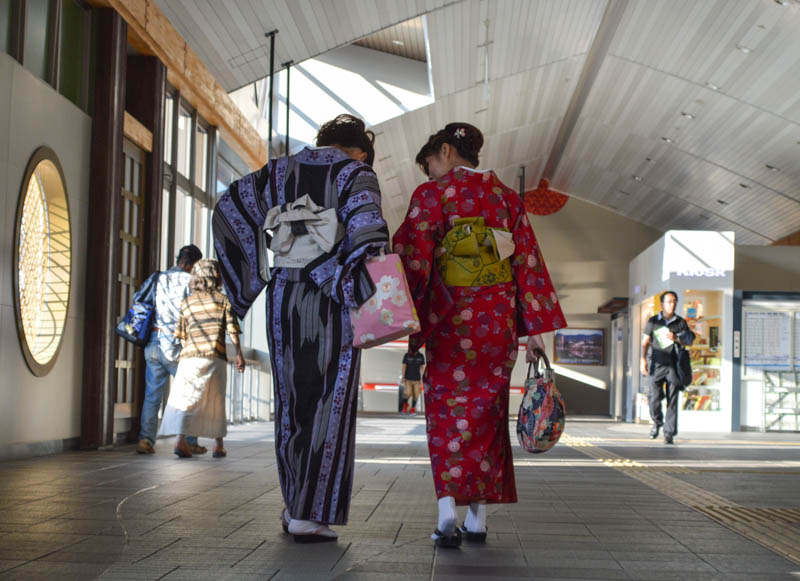
We caught the train from Kyōto Station to Arishiyama Saga station. There is something alluring seeing Japanese women dressed in their traditional kimono. Two young women in colourful kimonos complete with “zōri”, slippers and split-toe socks, “tabi” at the station was a delightful sight.

untitled-3

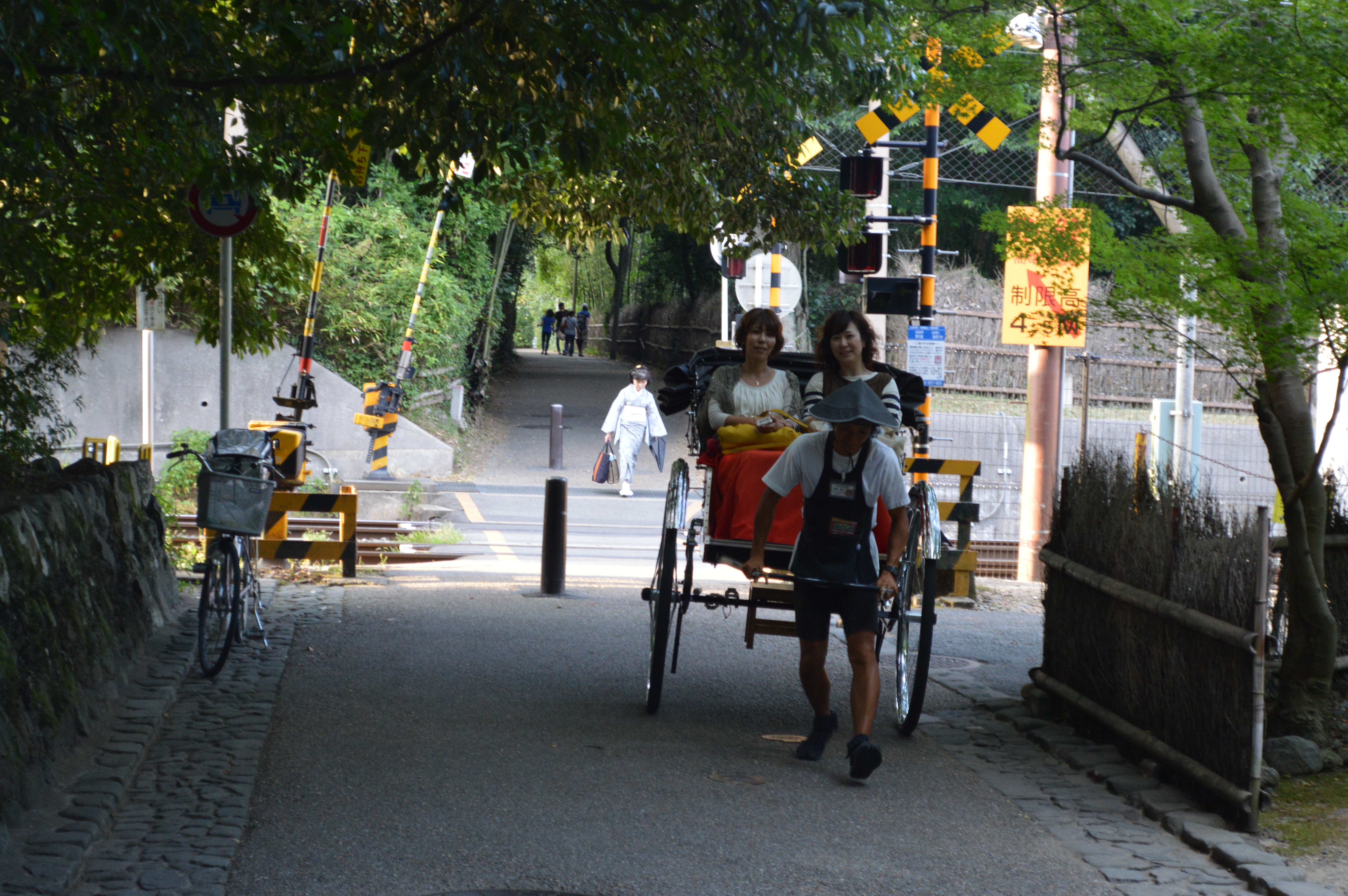
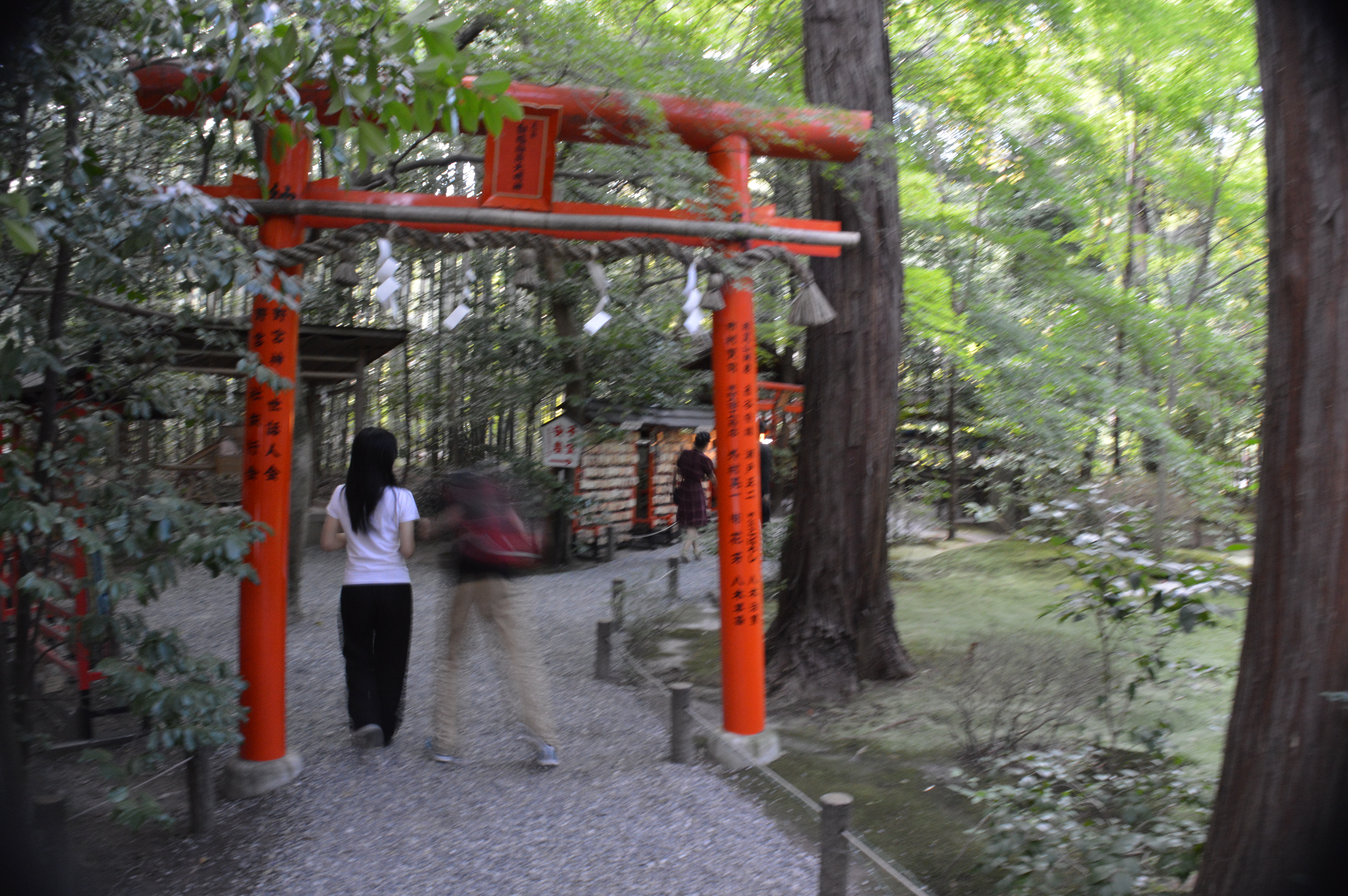
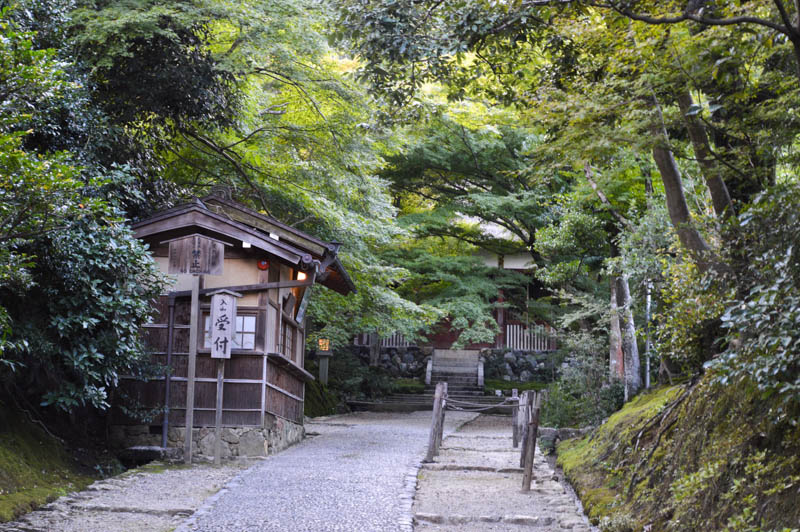
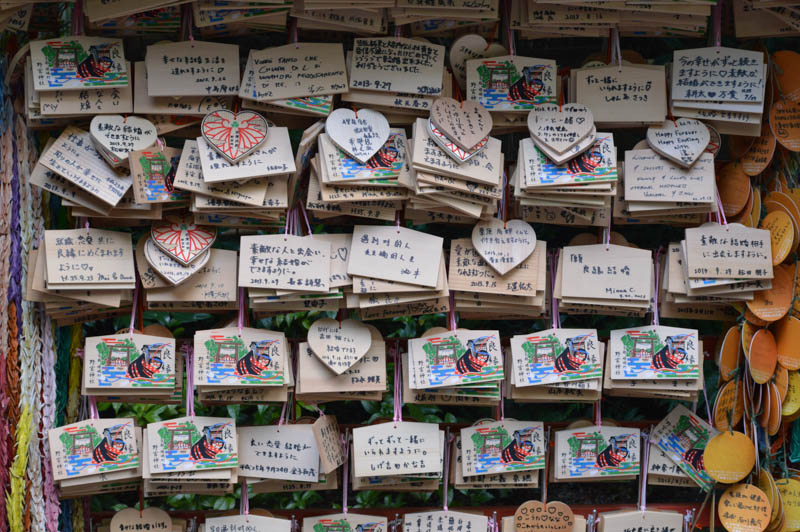
We planned to take the Sagano Scenic Railway to Torokko Kameoka Station. This area is especially beautiful during the fall. However, we were late. So, we headed towards the famous Bamboo Groves. A contrasting red “torii” led to Nonomiya Shrine, amidst the greenery. A few visitors worshiped here. Nearby, there was a wall of wooden totems with messages. Perhaps, words of wisdom, prayers, declaration of love, get well and words towards happiness – all shared this wall. On the narrow asphalt road, we crossed a railway line. A man pulled two visitors on a cart. A lovely lady in white kimono passed us. Through a sea of velvety bamboo, we reached the densely vegetated and landscaped Jojakko-ji Temple. A traditionally attired elder couple walked past clearly enjoying the atmosphere here. There is tranquility here, calmed by the fresh green leaves. Walking is the best way to savour these serene surroundings. There are several temples and places of interest here.

“The temple was set in the forest, where the sunlight barely penetrated the canopy” – Navindd

DSC_0035 DSC_0032 untitled-8 untitled-7

Dusk was imminent. Day turned cloudy as we approached the famed Bamboo Grove. The walk brought us back to the main road. Snack time again. We walked towards the bridge. On the street, the most amazing sight, two Geishas walked along the street. The atmosphere in Arashiyama is pleasant and has a village setting and feel. We walked past Tenryuji Temple that had just closed. The mountains rose above the Togetsukyo Bridge over Hozu River. On the water were a few boats taking tourists. This area is popular during the cherry blossom and fall colour seasons.
“In Japan, you could always expect the highest quality of food wherever you went, and that’s exactly what we got” – Navindd

untitled-19 untitled-18 untitled-20 DSC_0059

Osaka

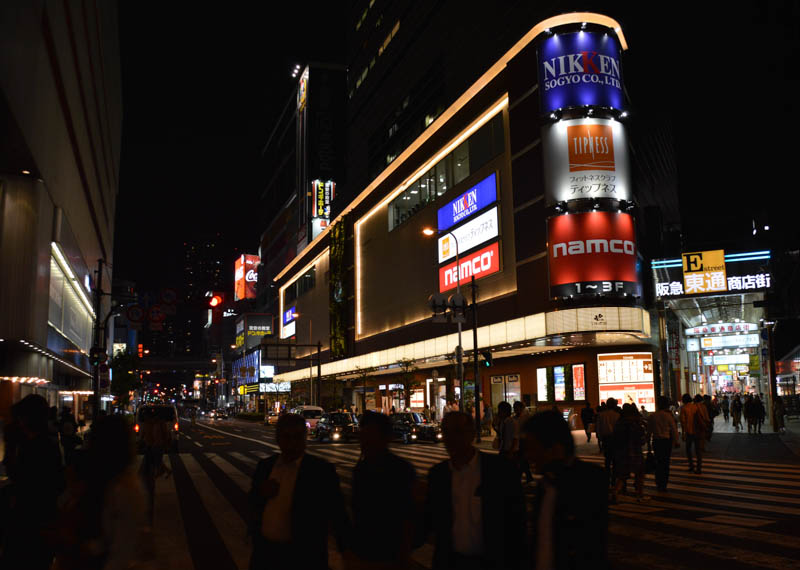
untitled-96We arrived from Kyōto to an enormous and modern Osaka Station in Kita district or locally known as Umeda in the early evening. We wanted to check out the shopping districts. Neon lights lit up the streets with an array of colours. Office workers in suits retired to nearby “izakaya” and bars. Young girls in short skirts darted in and out of shopping complexes. Osaka is known for its food. Apparently the local spend more on food than on anything else. The term “eat till you drop” can be applied about the food culture here.
untitled-92 untitled-90 untitled-94 untitled-93untitled-95

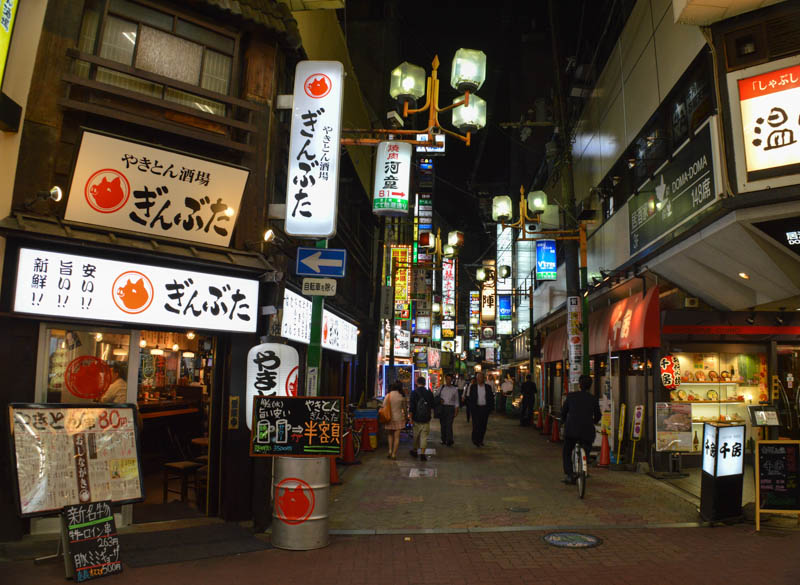
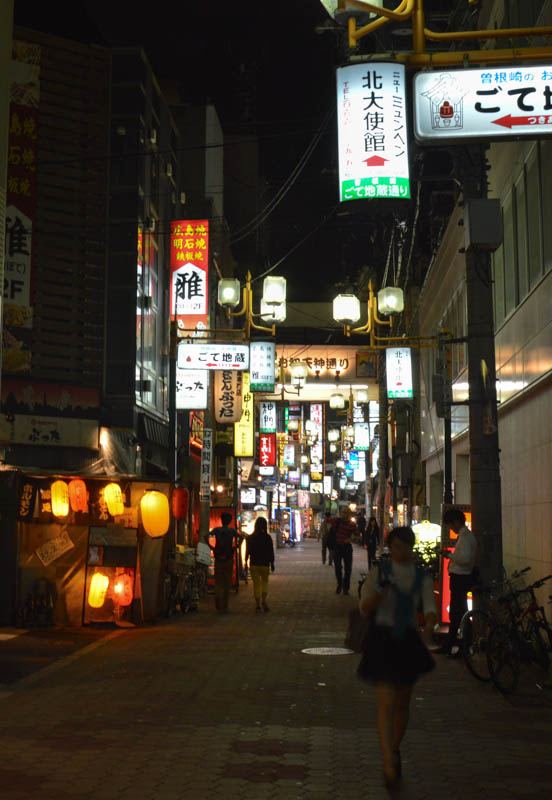
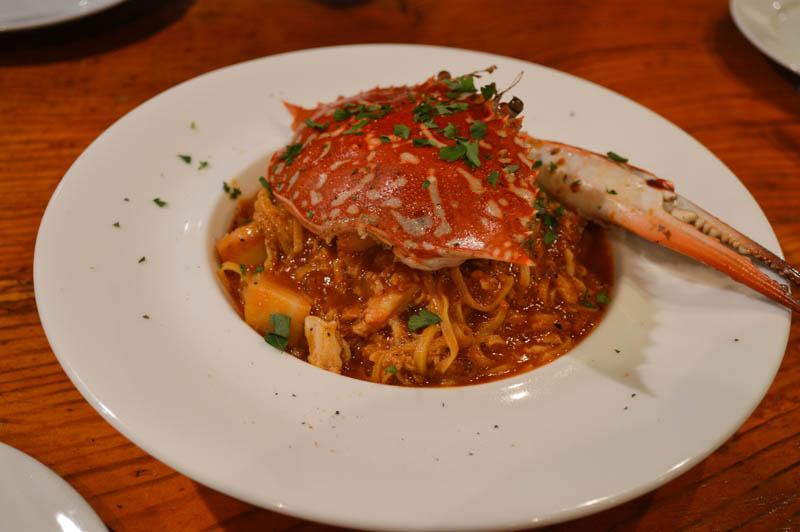
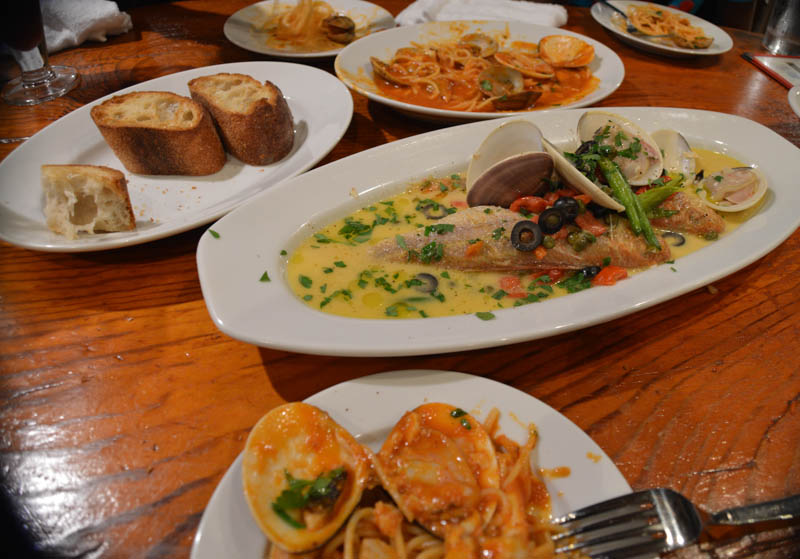
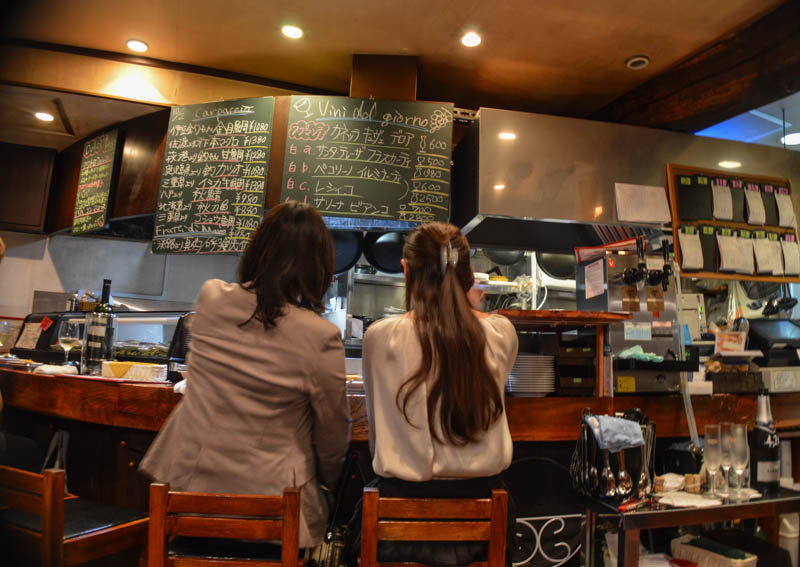
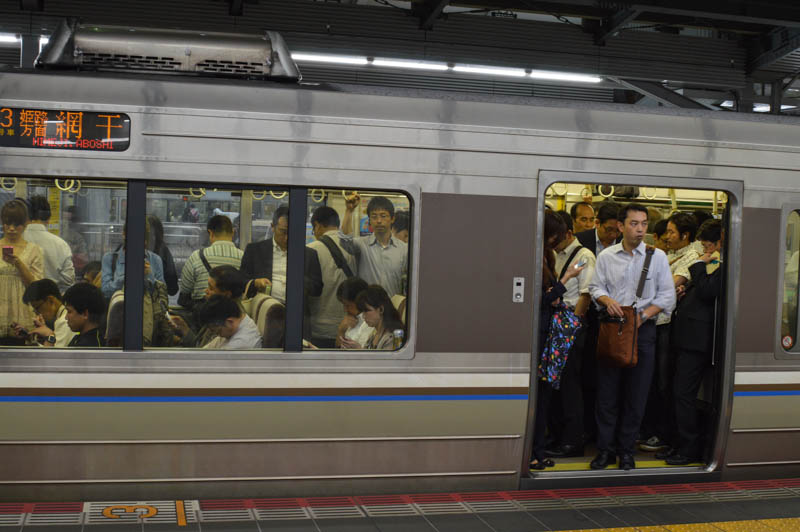
We ventured aimlessly outside the station and perhaps find something interesting. We found an alleyway with plenty of eateries. Red lanterns and bright signage advertised their fare. Most of these establishments had limited English menus. We found an Italian restaurant. We loved our Japanese food but gave it a miss today. However, I was apprehensive about “Japanese Italian”. It was a lively and cosy place. One of the Japanese staff gave us a run down on what they had sliding between Japanese and broken English and Italian. They specialised in seafood. Three young women seated beside our table suggested we tried the fish, which they were having. It was good. Next we ordered prawns and mussels. Crispy baguettes accompanied the dish. The sauce was delicate and tasty. A small candle was lit at the women’s table and the two girls happily sang a birthday song. Everyone including us joined in. The atmosphere was just great. Still wanting more, we ordered crab spaghetti. All the dished were simply delightful. “The food was so delicious that we had a second round! Although the meal was a little difficult to order and required a picture book to be brought out, it was all worth it as the food was absolutely delicious” – Navindd After that sumptuous meal, we headed back to the train station. Even at around 10pm, the commuter trains were full. People – held lazily to the hand straps above their heads; on mobile phones on silent mode; catching a nap swaying from one side to another; tired faces just wanting to head home and then there was us, belly full of delicious food and planning what was installed for the next day in Kyōto.

untitled-87

Nagoya Station

untitled-283 untitled-282 untitled-281 untitled-276 untitled-273 untitled-271 untitled-277 untitled-270

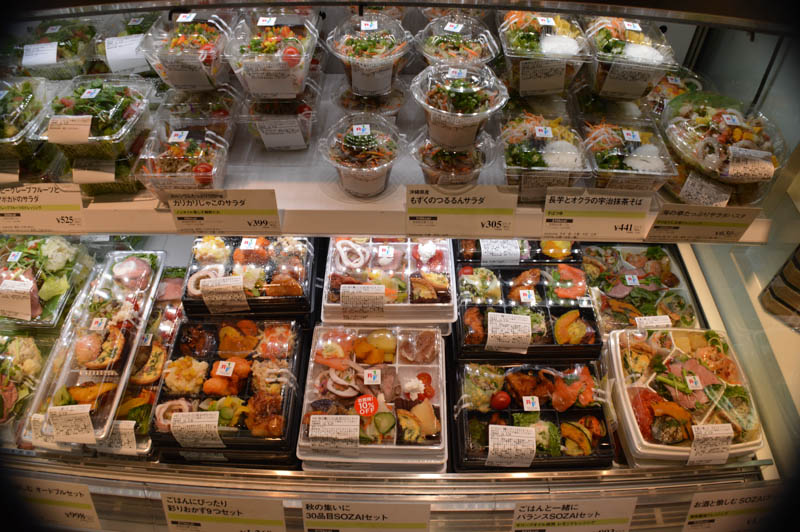
Once again we find ourselves on transit at the busy and modern Nagoya Station built within the JR Central Towers building. It was packed with travellers. A four sided gold clock kept time for the travellers. We had just arrived from Nakatsugawa and only had transit time in Nagoya Station to catch our Shinkansen train to Kyōto. However, we did have time to check out the food stalls within the station buildings. Like Tokyo and Shinjuku Stations, numerous stalls sold all kinds of take away food – packaged, eki- ben or bento boxes and plenty of sweet “mochi”. However, time was limited for us. With food parcels safely in our hands, we flashed our JR Passes past bewildered but friendly station staff to our designated platform. It can be daunting for the uninitiated with so many platforms and departures, but a little planning [hyperdia.com on train schedules] helped tremendously.

While waiting at the Tokaido Shinkansen Line, we witnessed two Shinkansen joining up – the front ‘bonnet’ opened up on both engines and by slowly moving towards each other, is locked. Station masters in smart suits, red flags, torchlight and a whistle stood alert looking at the signals. Very methodically and meticulously, they checked and re-checked all the hand and electronic signals. It was almost an art. Our Hikari Shinkansen, the second fastest, just arrived. A white line zoomed past us before it came to a complete stop. These are amazing contraptions. They top speeds of over 270km/hr. Soon, we were on our way to a city that I had always wanted to go – the fascinating and enchanting old capital of Japan, Kyōto in Kyōto Prefecture in the Kansai Region.

untitled-228

Tsumago, Kiso Valley – A Ryokan Experience – 2

Dinner and breakfast are part of the ryokan experience which came with the booking. I had made prior arrangements with my want’s and don’t’s. They accepted this request. We looked forward to dinner. We were back early from exploring the laid back town and streets of Tsumago. We wanted to savour the rather large room we had. We sat at the veranda slouched on the rattan chair with a cup of green tea and enjoyed the garden and mountain views. Then we moved on to the cushions at the low table. With our legs stretched out on the tatami floor and our back against the wooden backrest, we felt relaxed while consuming yet another cup of tea. After a long shower in the common bath, we were ready for dinner. Lee Cheng enjoyed her “onsen”, a cypress hot tub.

DSC_1061

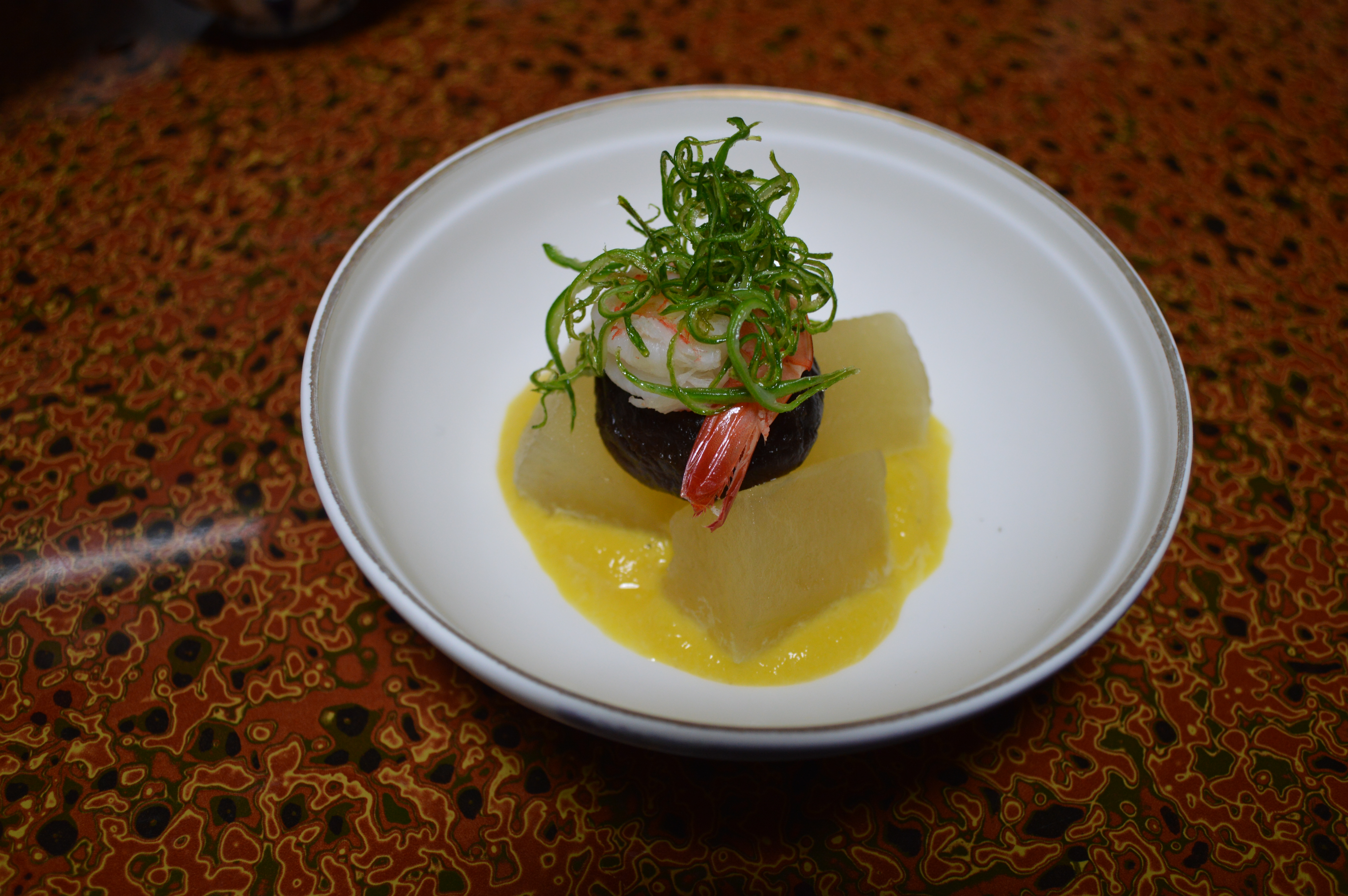
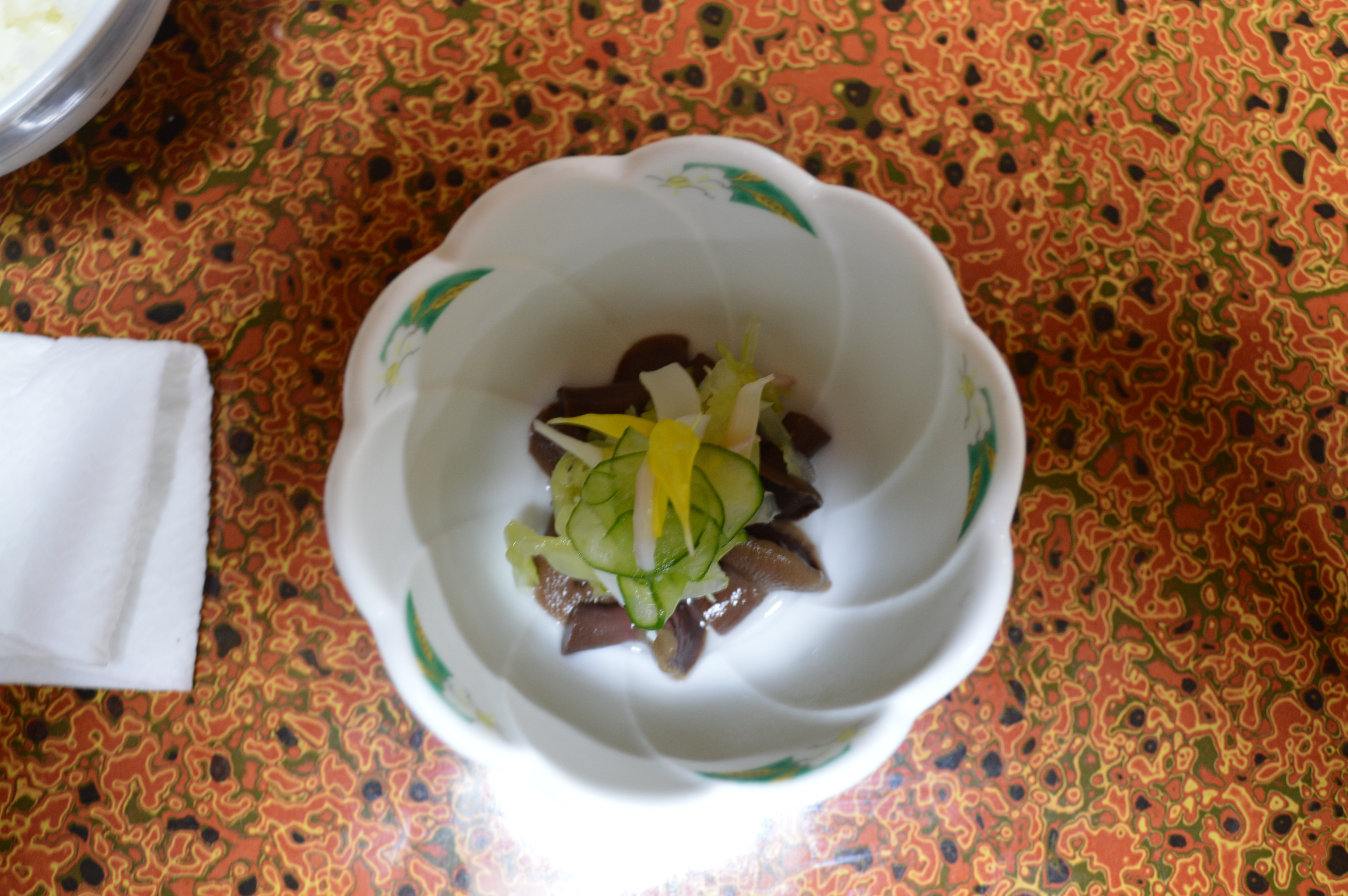
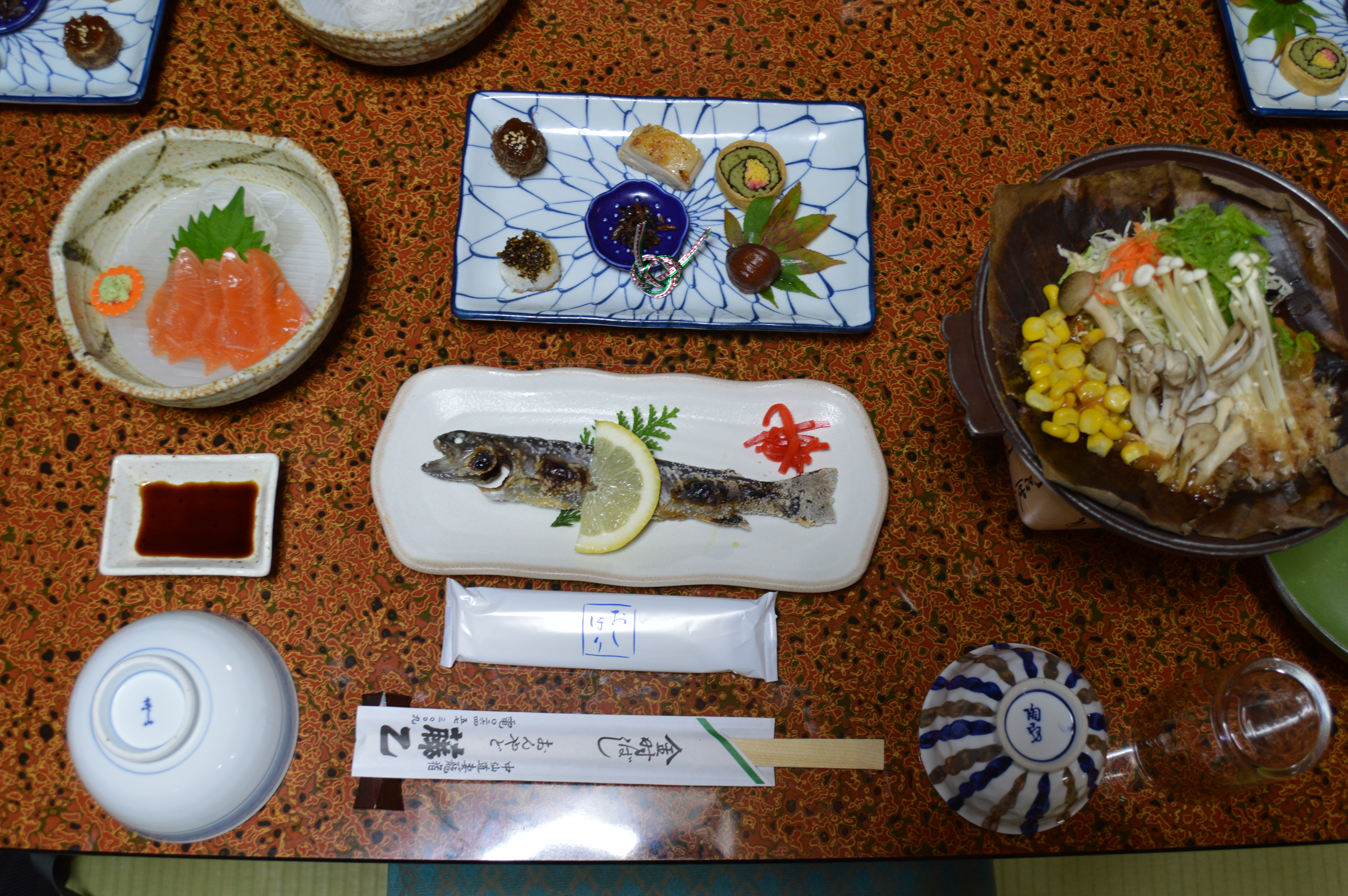
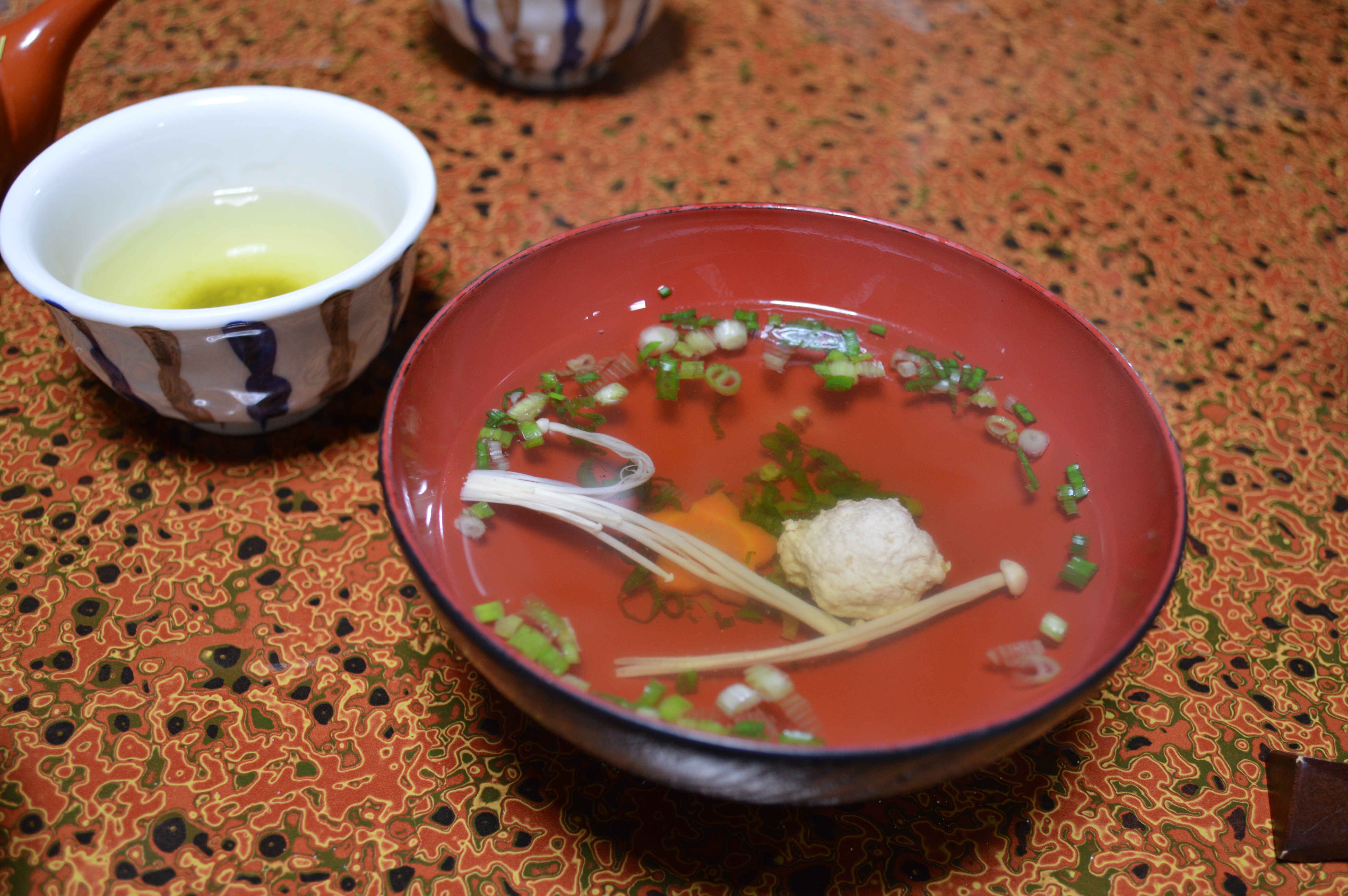
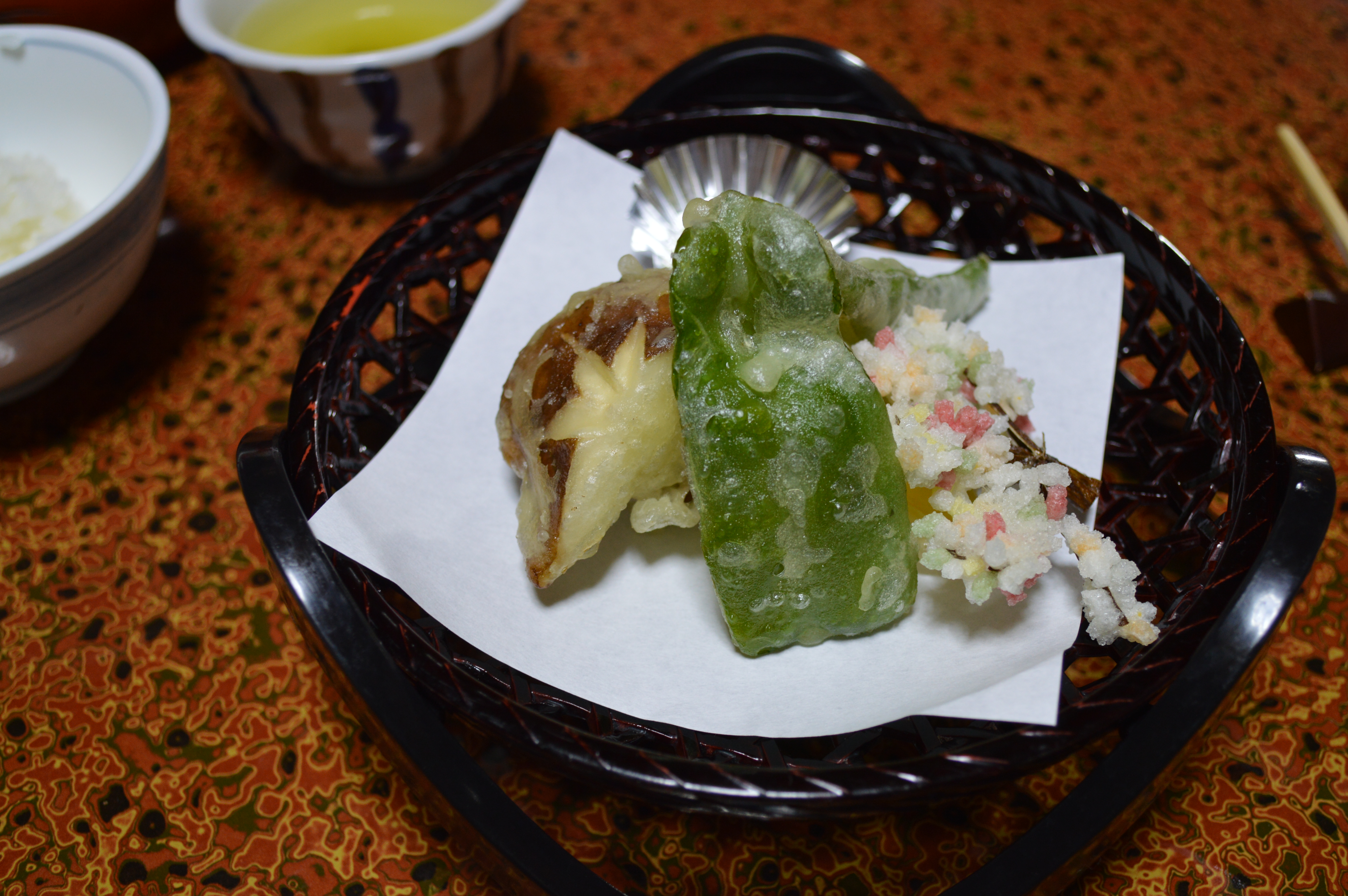
In a communal dining area on the ground floor, Catherine, our American dining host, dressed in a surgeon’s blue overalls, explained each dish and its origins in English. Fine displays of delicacies were already laid on the table. We looked forward to this ryokan dinner experience. Each dish had its unique flavour and taste. Like most Japanese taste – sweet, sour, tangy and salty were represented here as well. Presentation was immaculate. Sometimes, I hesitated to dissemble the artistically assembled dishes. Bit by bit, as we consumed seemingly small amounts of food, we were getting full. We managed to complete the 8 courses and the fabulous desert. The food was delicious and satisfying indeed. It was quite unlike dining at a restaurant. The atmosphere, unhurried, being served and attended to plus a fabulous meal. The total ryokan experience – stay and dinning was beyond comparison. It ticked all the boxes. It was not opulent but just the way they are. We strolled in the quite streets wearing the “geta” and later dressed in our “yukata”, crept into our comfy futon beddings. It was good feeling indeed.

DSC_1066 DSC_1065 DSC_1064 DSC_1063 DSC_1067 untitled-375

“In total, there were 8 courses (yes 8).

The first course was a platter…: roast chicken piece, rainbow trout
sashimi and many more nibbles…….fermented bees and green tea soba
sushi…..lightly salted fried fish with lemon and pickle……

Then the 2nd course ….pickled mushroom and cucumber with the
perfect acidity and sweetness to tingle our taste buds.
3rd…was winter melon served on a pumpkin sauce with a mushroom,
prawn and green bean shavings on top. Our hot plates of beef and miso
were close to being cooked…..
but…the 4th course – tempura, The batter was extremely light…..
Now, our beef (which …were fed apples …beer and massaged) was
cooked…..with veges and a light and tasty miso soup..
A light soup flavoured with mushroom and chicken ball…
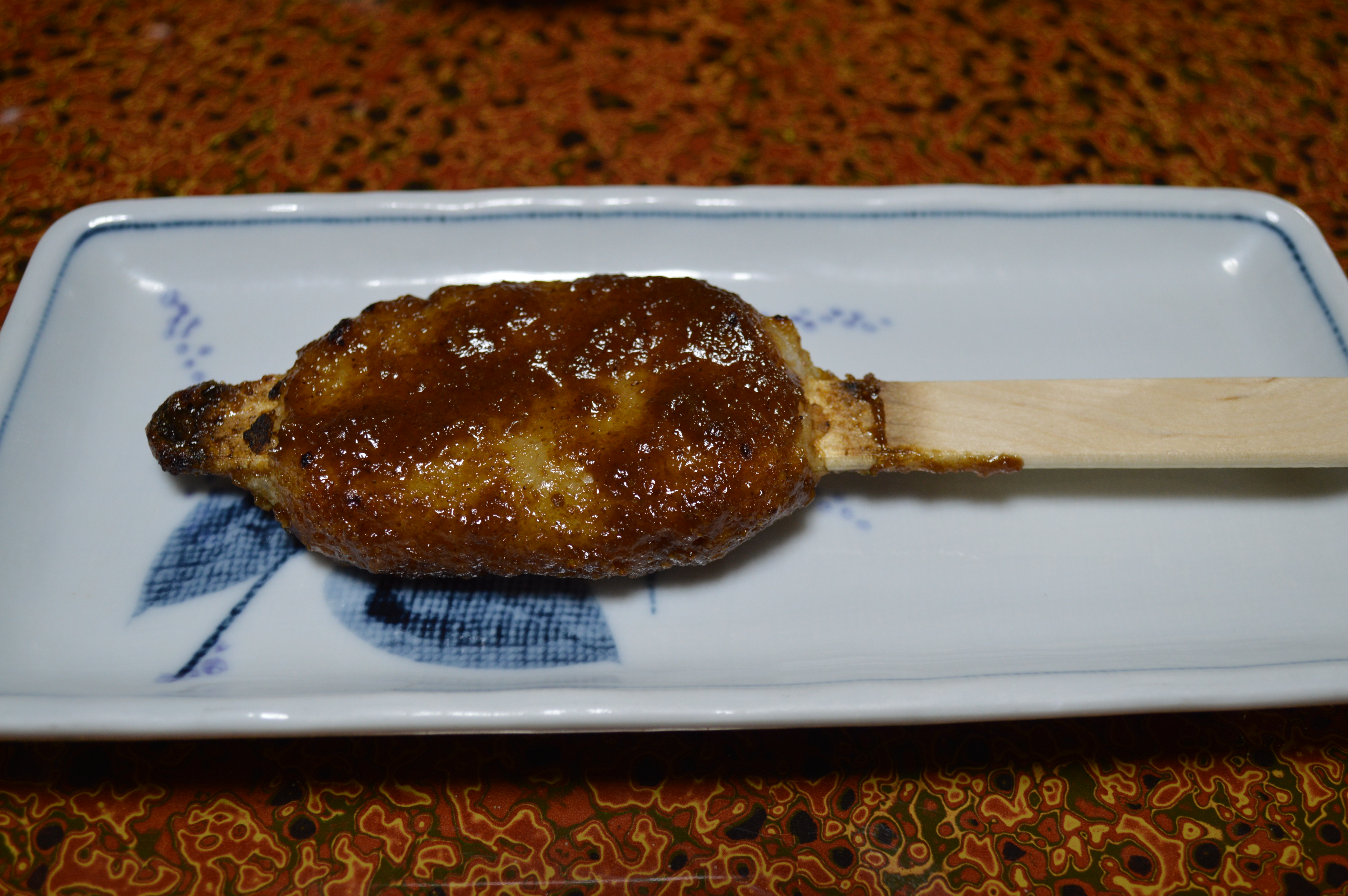
7th course…rice stick with sweet savoury sauce. By now we were
getting quite full……
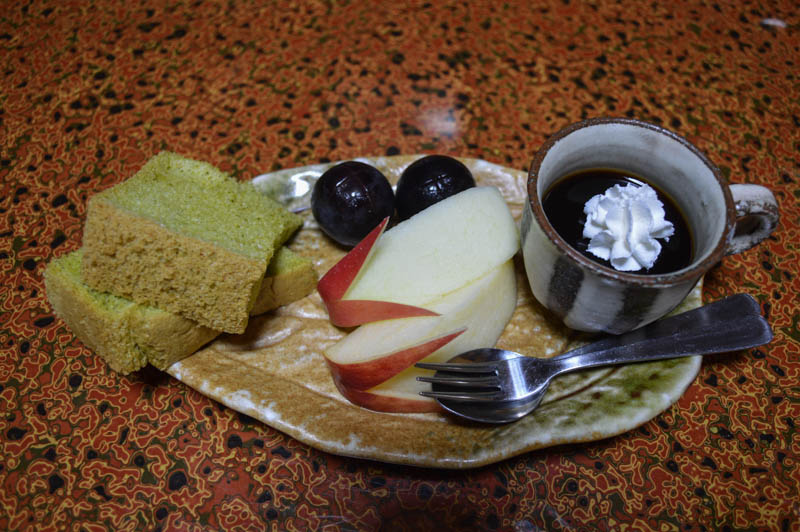
The next course was desert…..green pandan cake, light and fluffy,
grapes and apples that looked like rabbits. Also …frozen coffee cup
with cream on top….
……headed back to our room
……and one of the best dinners I had ever eaten in my life”

– Navindd

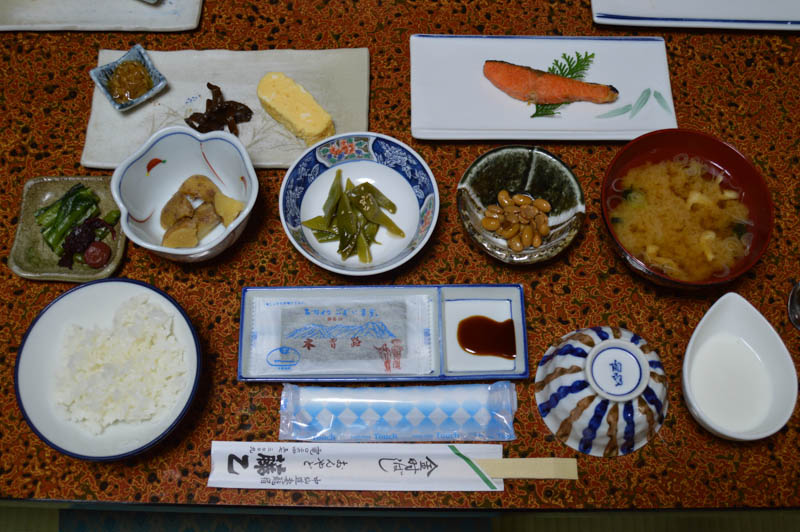
“The next day….breakfast was every bit as good as dinner …breakfast – fried salmon, egg rolls, a variety of pickles, azukini beans, seaweed with soya sauce and rice….miso soup….full and satisfied”  – Navindd

untitled-377

After a delightful breakfast, we once again looked around our ryokan. Bills settled, the staff bid us farewell, as we left idyllic and atmospheric Tsumago for Nagiso by a local bus. From here, we caught an onward train to Nakatsugawa and then to Nagoya on an ordinary train. Kiso Valley had indeed been a very pleasant and enriching bygone era experience. To have walked and resided in the very places Daimyo, Samurai and merchants during the Edo Period is gratifying. Even more pleased that the people had maintained not only the buildings of that era, but also the atmosphere (although touristy).

Ryokan

DSC_1046This institution is Japanese tradition where Inns or Ryokan were established during the Edo Period (1603 – 1868) serving travelers along major roads. Many of these ryokan are located in scenic and rural area. To stay in one of these Japanese icons is not only as a place to stay but to re-live the times of the Daimyo and Samurai. It is also is a place to experience the Japanese lifestyles and hospitality. It incorporates arts, design, and nature. It certainly includes gardens – “tsukiyama”, traditional garden, “karesansui”, dry garden and “chaniwa”, tea garden. This experience if further enhanced with exquisite rooms with sleeping on tatami flooring and futon bedding; sophisticated local cuisines; “onsen” and more.

untitled-369 “The journey is the destination”. This Zen wisdom is aptly applicable to a stay in “ryokan” and “minshuku”. Ryokan is not a place to be rushed. Check in and departure time is quite rigid. Therefore arriving late or departing early is not the norm. Check in is between 3 and 5pm. No later as dinner will be served between 6 and 7pm. Guest are expected to conform for their best enjoyment and relaxation. This etiquette is strictly advised when booking. I had some “no’s” in the dinner menu and had corresponded to them. Initially, it was explicitly mentioned that dinner menu cannot be changed. However, in the subsequent correspondence, they accepted my request graciously – “just for you”. Usage of footwear – outdoor, indoor and toilets must be adhered too. The Japanese way of life – wearing of “Yukata” or kimono, bathing etiquettes and use of communal bath, arrival and conduct at meal time, etc. are essential to any guest. Some even have age limits (children). The ryokan experience is really living the Japanese way of life in tradition and culture. Initially it appears to be rigid and intimidating. However, all these are instituted, with good intentions, to enhance one’s inner experience. Once explained or understood, it results in “correct behaviour”. The idea here is to adapt and immerse into the traditional culture.

To stay in a ryokan is generally expensive. Remember that you are paying for a refined and pampered lifestyle. The cost will determine the type and size of room. Typically, tatami floor rooms are simple but artistically decorated. Communal baths and toilets are typical. Modern ryokan have en- suite and western style bathrooms. Attire – “Yukata”, a cotton garment cut like kimono is provided and used as a summer wear. With appropriate footwear, “geta”, these can be worn to walk on the streets or to attend meals. Beside, usage of the “onsen”, one of the highlights of a ryokan experience is dinner. Naturally it varies. However, they are usually lavish. Meals can be served in the guest rooms or private rooms or in communal halls between 6pm to 7pm. Meals are inclusive when booking is completed. No options. There are dining etiquettes but most places are flexible. Common sense should prevail. High end ryokan may provide entertainment – music and dance. Some even performed by Geisha. Breakfast is also provided at a pre-arranged time but not too late. Typically it consists of rice, grilled fish and a few other condiments. Finally, check out times is around 11am. Bills are settled at the reception and typical sending off is with a bow.

Once out of sight, the cold reality of a rushed life becomes a norm. However, the memories of a pampered lifestyle, a typical Japanese tradition, are an experience to cherish.

“Too lazy to be ambitious,
I let the world take care of itself.
Ten days’ worth of rice in my bag;
a bundle of twigs by the fireplace.
Why chatter about delusion and enlightenment?
Listening to the night rain on my roof,
I sit comfortably, with both legs stretched out.”
― Ryokan, Zen Master

untitled-367

Tsumago, Kiso Valley – A Ryokan Experience – 1

untitled-339

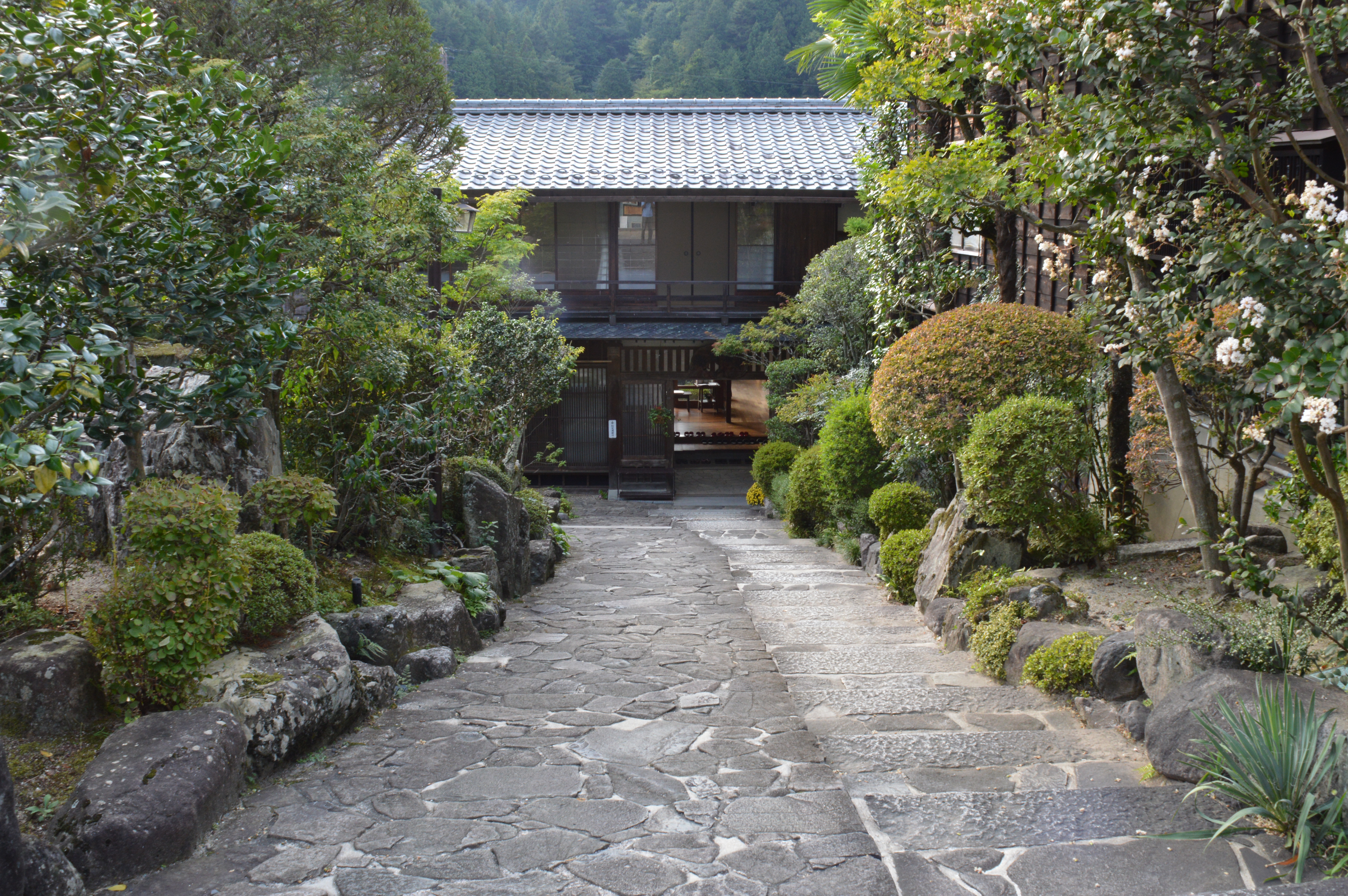
A descending stone pathway, with trees and shrubs on either side, led us away from the road, towards a dark wooden double storey building. This is Fujioto, a 100 year old “ryokan”, traditional Japanese Inn, our accommodation in Tsumago. We wanted to experience real Japanese hospitality, a ryokan experience – being taken care off, pampered and fed from beginning till departure. We choose this ryokan for its historic and scenic location. This is our only planned ryokan opportunity, as it can be expensive, to experience this quintessential Japanese culture.

Past the wooden slated sliding doors, we entered the foyer, “genken”. An enthusiastic staff greeted us as we removed our footwear, and placed them into wooden compartment box, before entering low lit reception area with dark polished floor. A row of “geta”, wooden slippers, for exterior use and a row of red slip-on shoes for interior use were neatly laid. They face the direction their use was intended. A long corridor led to the dining hall. Light beamed in, from a traditional garden, “tsukiyama”, landscaped with pond, shrubs and trees. Koi fish provided dabs of colour. A “tsukubai”, water basin and “ishi- doro”, stone lantern complemented the garden.

untitled-370 untitled-368

It was around 1.30pm. Perhaps, it too early to check in I wondered. After brief formalities at the reception, we were ushered upstairs to our room, Hinoki Room, through a narrow dark wood floor passage with sliding doors on either side. I was quite surprised by the spaciousness of our room as the rice paper wooden latticework sliding doors, “shoji” were opened. Our host left us to settle in.

The room is sparse with little furniture but artistically decorated with a few pieces of art and furniture. We walked into a hall with bamboo tatami mat floors. The room led to the “engawa”, an attached wooden veranda overlooking a small immaculately manicured garden with sculptured pine trees and pond filled with colourful koi, furnished with 1920s and 1930s style cane furniture. A painted scroll, “kakemono” and foliage – flower arrangement, “ikebana” occupied a raised platform or alcove, “tokonoma”.

untitled-335 untitled-371

In the centre is a low tea table. Floor cushions, “zabuton” on wooden backrest, surrounded the table. An adjoining room, through painted opaque sliding doors, “fusuma”, was our bedroom with “futon” bedding laid on the tatami floor. I was quite taken by the “futon” as I had used it in my previous accommodations. The mattress, “shikibuton” is covered with a quilt- like cover, “kakebuton” and with a pillow, “makura”. The traditional garment – the white “Yukata” with blue patterns were laid in an open wooden tray, “midare-bako”. Through the wooden lattice window, dense green vegetation and mountain views enhanced the atmosphere.

Our mood was relaxed. Our host returned with some hot green tea, “ocha” and sweets. She quipped that we have got the largest room. We rested in the palatial room savouring cups of green tea and little sweet delights. This is definitely luxury living.

“Our room was also very spacious and the biggest one we have had and will have in Japan – it was huge!”  – Navindd

untitled-366

Earthbound Travel Stories