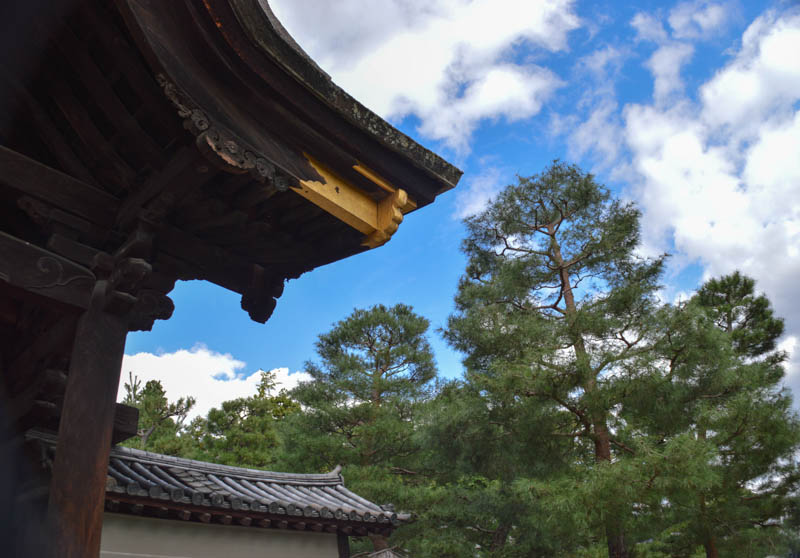
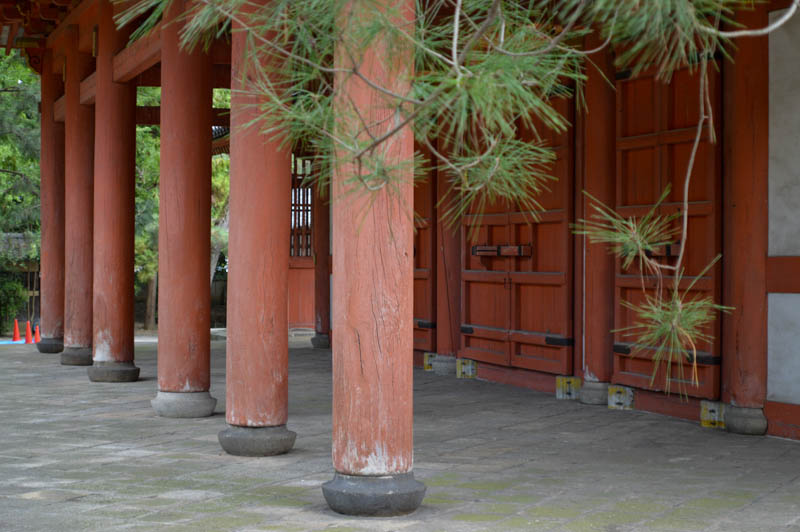
There are numerous temples in Kyōto and is impossible to see them all in the time we had. Early today we headed to Daitokuji Temple in Northern Kyōto. It is a walled temple complex with 22 sub- temples. However, the main temple was closed. A group of student were on the upper floors of a building admiring the views. Thick pillars foundations supported the building. The exterior is mainly planted with pine.
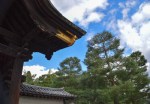
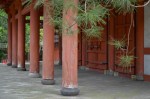
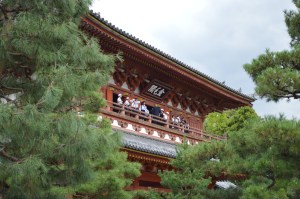 Chinese influence in architecture is evident here. With the introduction of the Zen sect of Buddhism, this evolved and matured with a Japanese flavour. Today, they include “tatami” floors, “tokonoma”, alter, alcoves and “fusuma”, sliding paper doors, amongst others. In the feudal days, Daitokuji catered for the elite Samurai class and aristocracy as well as headquarters of Rinzai Zen. It also has a strong connection to tea ceremonies particularly in 1573 – 1603. Generally, the monastery follows the traditional Japanese format of “shin- gyo-so”, formal, semi-formal and informal design. Only four temples were open to the public. It is a great place to get an insight of Zen Buddhism and the famous dry gardens.
Zuihō-in Temple
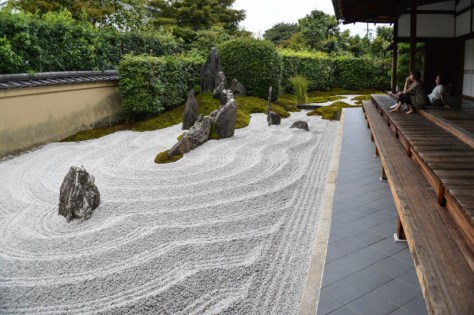
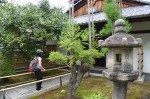
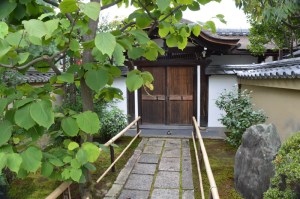
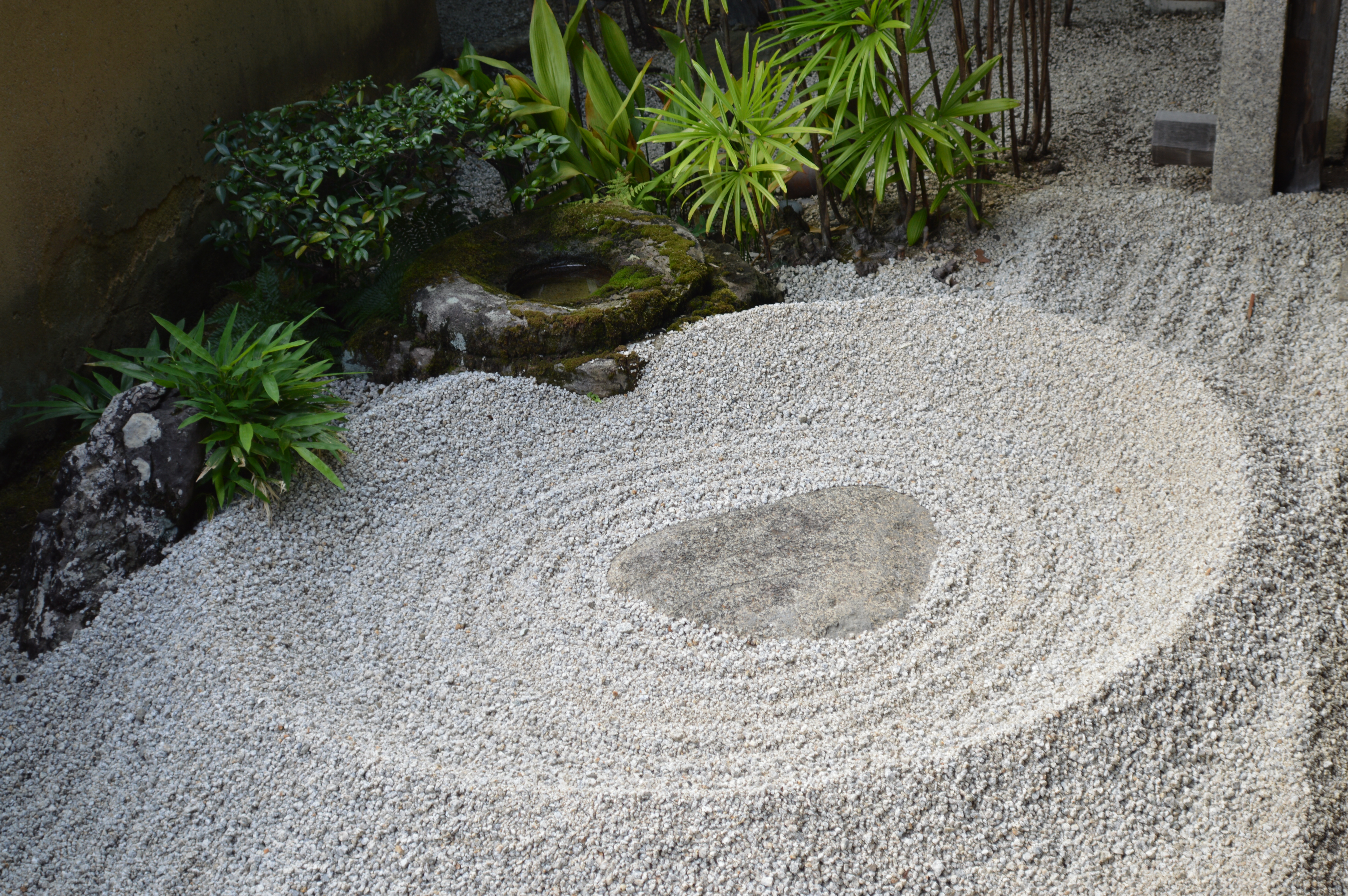
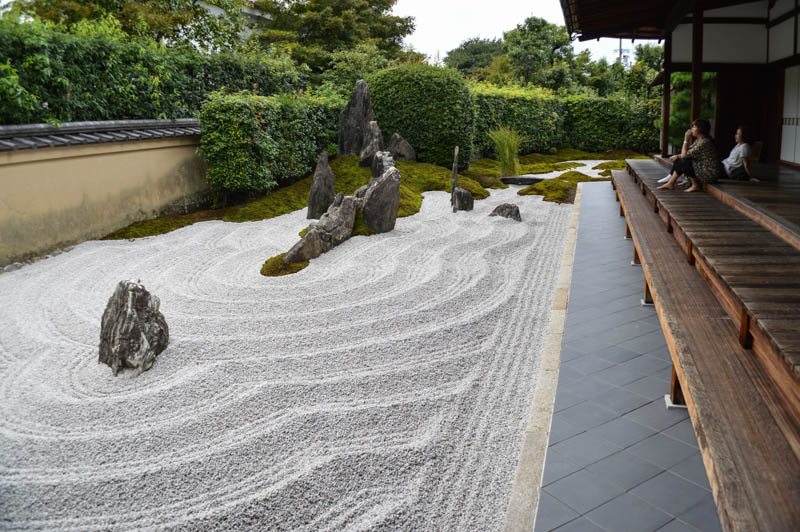
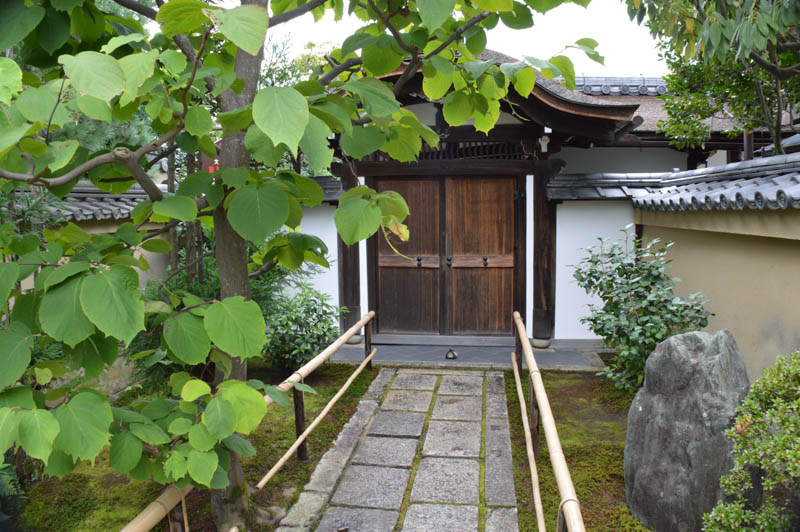
Zuihō-in, a Rinzai Zen Buddhist Monastery, was founded in 1546 by Lord Otomo. The Chinese characters mean Alone-Sitting-Garden and refer to an island of the Taoist mythology. Initial ideas of these types of gardens were derived from China and later localised. The approach to this temple is through a rustic wooden Omote-mon, front gate. After walking a few turns through an informal garden on stone pavements past an “ishidoro”, stone lantern, we entered the “Hojo”, main hall. Facing the “Hojo” is the formal “karesansui”, dry “Dokuza-tei”, front garden aptly named “Garden of Solitary Meditation”. The gardens were designed by Mirei Shigemori. A combination of stones, minimal plants and raked stones occupy the vista seated on the wooden veranda of the “Hojo”. It was quite and the atmosphere subdued. First it was intriguing seeing the whole landscape. Slowly, I was engrossed in the details of the design. Senses and emotions are stirred just looking at the various elements of the design. The minimum use of elements and lack of colour is to minimise distraction. The sand is raked high to symbolize rough seas. Pointed rocks embedded into moss covered ground imitate mountains. A narrow stone bridge connected to the back with smaller and levelled river of waves indicated calmness. Interpretations may vary with every individual. Some may see their own tribulations of life reflected in these designs. Mine was an appreciation of the interaction between design, human emotions and landscape. However, there is no denying that there is a sense of peace by just looking at the dry garden. Noise, is a manmade inconvenience. Fortunately today, there were very few people here. With whispers in our ears, we gingerly walked to the back garden. With every turn, a delightful view awaited.
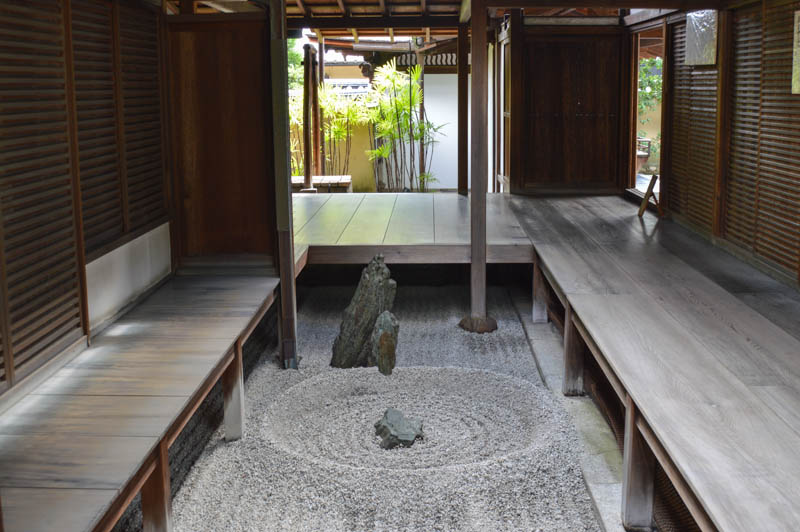
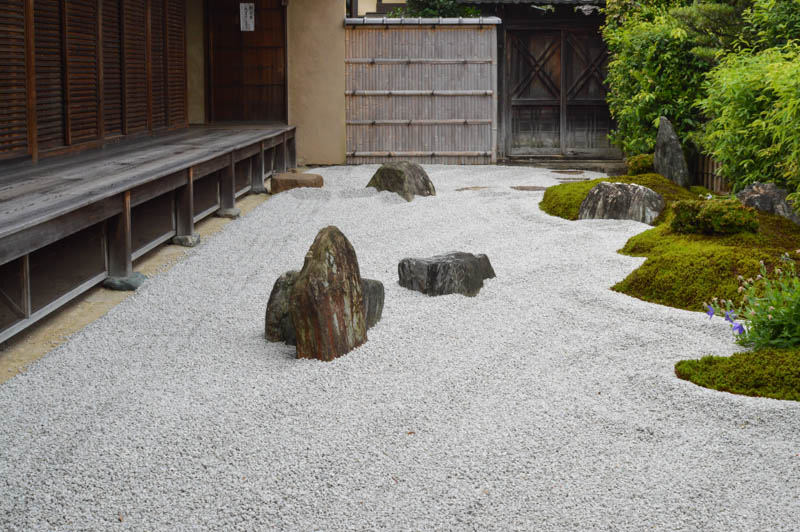
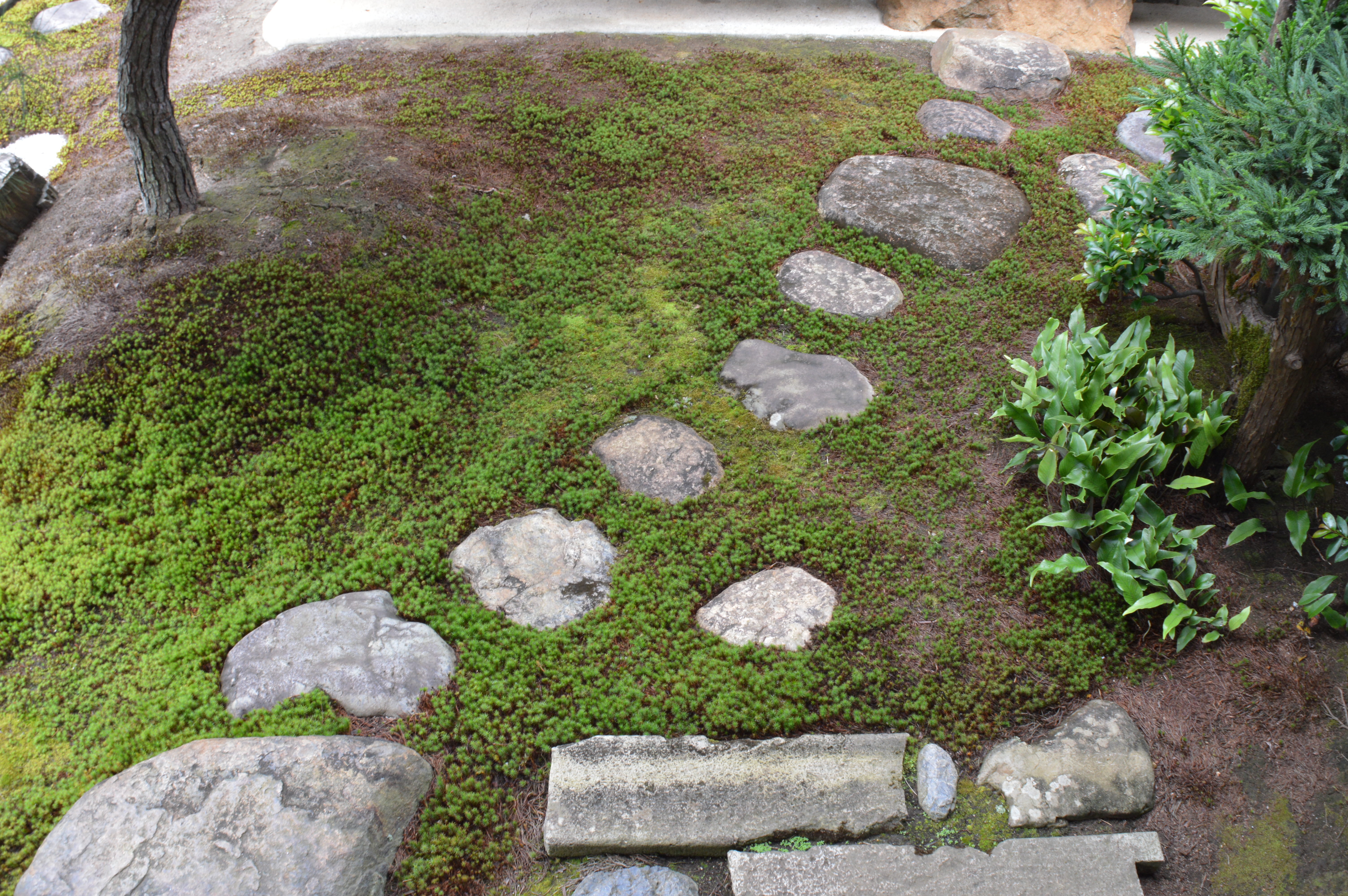
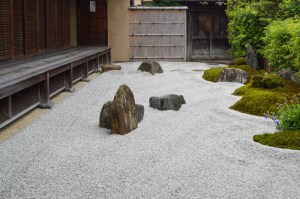 Seated on the veranda, we viewed the back garden or “Kanmin-tei garden or “Quietly Sleeping Garden” or commonly called Garden of the Cross. It was established by Ōtomo Sōrino, a daimyo, whom had converted to Christianity but the religion was then banned. Seven stones are placed to form a cross. Mirei incorporated this into the final design alongside the traditional features. This garden is much more compact and intimate. The tea house is adjacent to this garden. Small rounded stepping stones, “tobi- ishi”, created pathways to little corners of the garden. The atmosphere today is quiet and calm.

“There were lines and circles everywhere, along with large rocks seemingly placed randomly. But when I read the signboard next to me, I found that the stones were strategically placed around the gravel and the lines and circles were the equivalent of pictures on a storyboard. The whole garden had a story to tell!” – Navindd

 ” A garden that will stand the test of scrutiny is not just one whose material qualities will endure. Instead, is it a garden that, even as people’s outlooks change over time, is suffused with permanent beauty ” – Mirei Shigemori

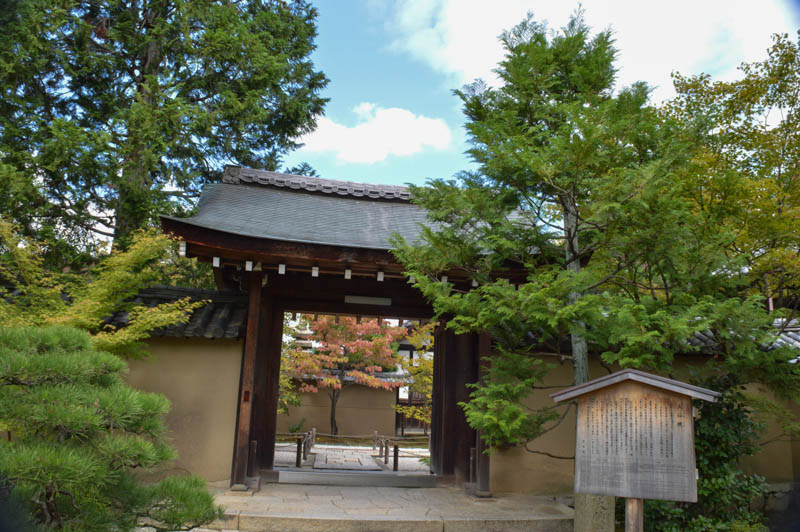 The temple was founded in 1509 by Kogaku Soko. A single autumn coloured tree stood at the entrance. The temple has one of the best Zen gardens in Japan. Large rock had been arranged to represent mountains and rivers in a very confined space. It is torrent and passage- way narrow. Eventually, the river of sand opened out into “middle sea” where the sea is calm but with a few obstacles. As we continued the walk round the “Hojo”, the ‘river’ widened and emptied into the ‘Ocean’. Here, two cone-shaped hills of gravel, suggesting mountains hinder the final path and eventually lead to enlightenment. A lone Bodhi trees lay at the end of the ‘Ocean’. This design is a metaphor on the journey of life and the rocks – trials and tribulation in life. Like paintings, the scripture is depicted in abstract form in a myriad of rocks, stones and gravel. It is somber with no immediate awakenings but thought provoking. Paintings and rustic architecture further enhanced the wonder of Zen – Buddhism. A time here is a time well spent. Unfortunately, no photography was allowed inside.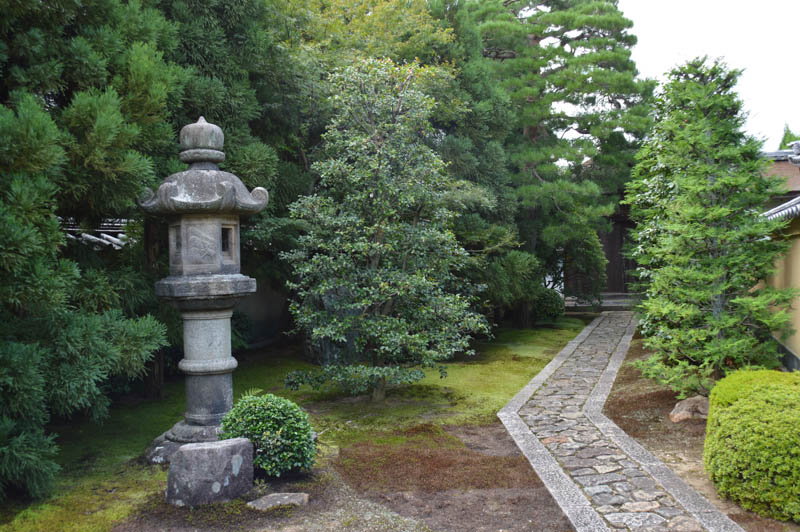




 Intrepid Nomad - Travel Tales and Stories