Tokyo – Akihabara, Nihonbashi

Akihabara

untitled-43untitled-44

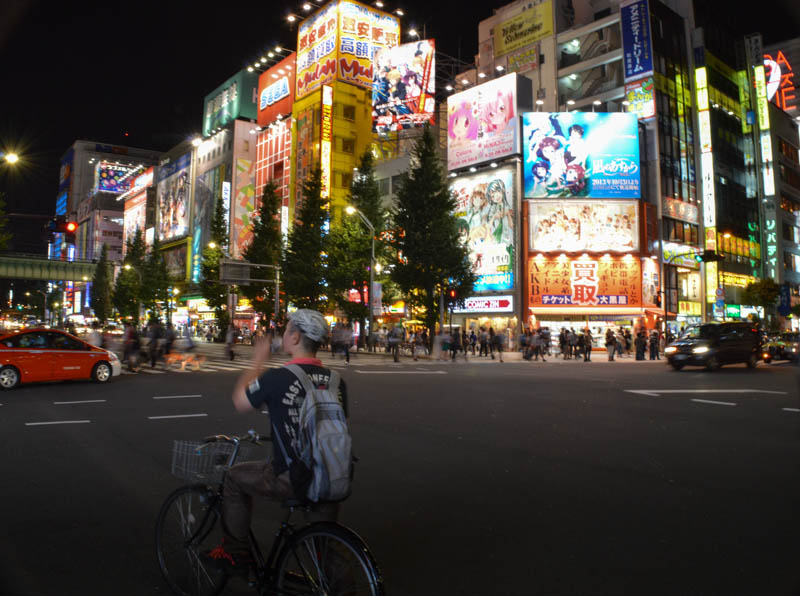
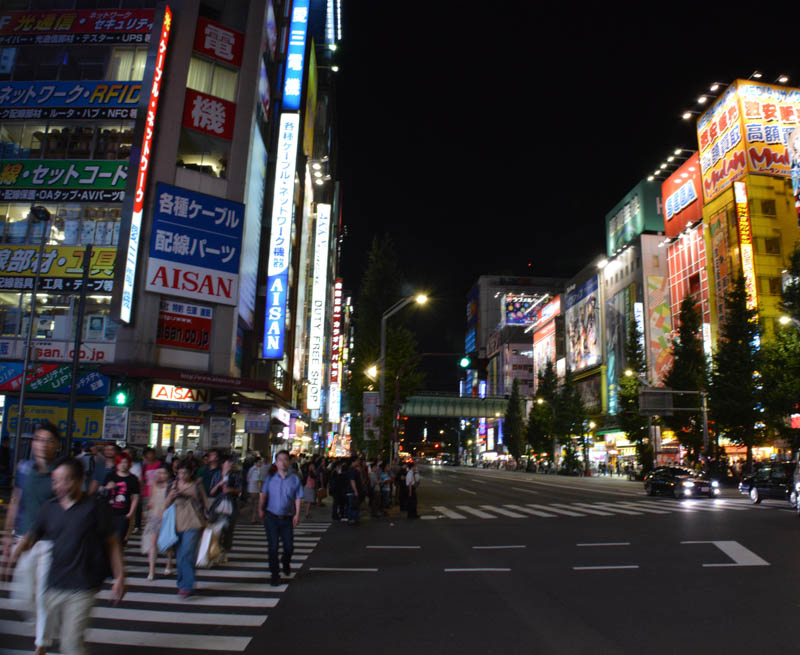
Akihabara in Central Tokyo is the centre for electronic good. A large number of buildings are dedicated to electronics including computers, gaming devices, electronic components and cameras. Besides this, the ever popular manga and anime culture is also glaringly displayed all over in high definition on the big screens. Manga and anime are comics’ depicting from futuristic science fiction to romantic stories. Specialist stores had opened up to cater to this growing culture. Young people even dress up imitating their favourite characters. It is a wonderful sight, adding more colour to the street scene. This culture seems to be unique to Japan.

“…the techno capital of Tokyo…..latest and greatest technology………without buying anything!” – Navindd

Nihonbashi

DSC_0151

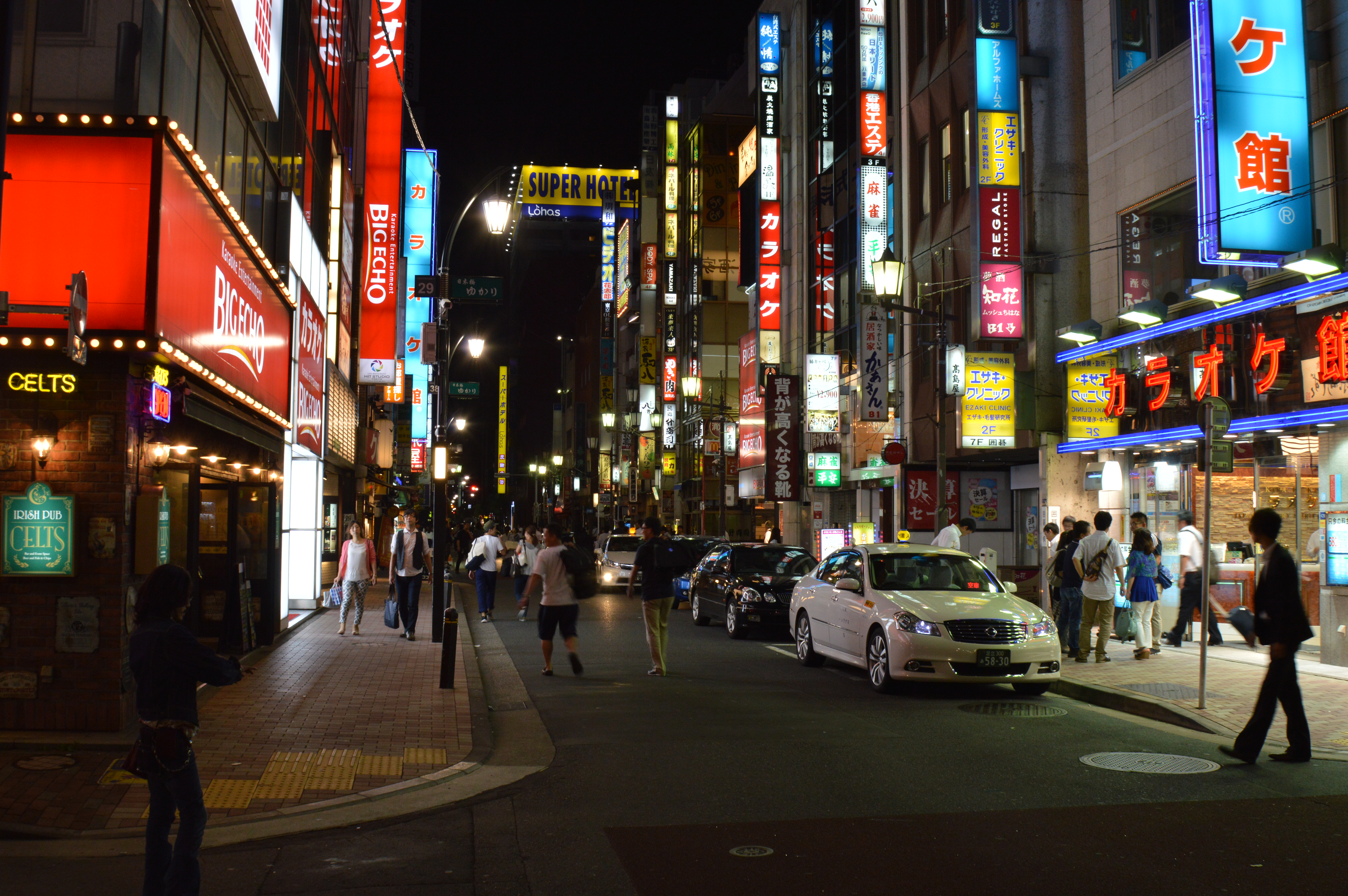
The district next to our hotel is Nihonbashi. I walked here after dinner one night. There were mainly bars and restaurants with neon light lit brightly all along this main road. A few well- dressed burly men stood outside of these premises. It was safe and the mood was relaxed. The location of our accommodation in Tokyo is well situated – near the Tokyo Station, surrounded by restaurants and a vibrant atmosphere.

Tokyo – Ameyokocho

We left the crowded streets of Asakusa with lunch sitting heavily in our tummy and headed to Ueno by train via the popular Yamanote Line. This line basically encircles Tokyo city. The other popular line we regularly used is the Chuo Line. The Japan Rail pass basically allowed us to us to use all the major lines including the “shinkansen”, bullet trains, both, within the city and long distance. It is extremely convenient. Ueno Park is next to JR Ueno Station. It is a green lung in the city. An adjacent Zoo is also located here. Being Sunday, large number of Tokyoite had gathered here with their families. Besides its’ museums and a few temple, Ueno Park is very popular during cherry blossom season as the park is planted with over thousand cherry trees. A group of young boys were practicing a game of baseball – a favorite pastime in Japan. It is a great place to get some shelter from the sun too.

“..a distinct sound of slot machines got louder……this was Pachinko – a Japanese addiction” – Navindd

untitled-39

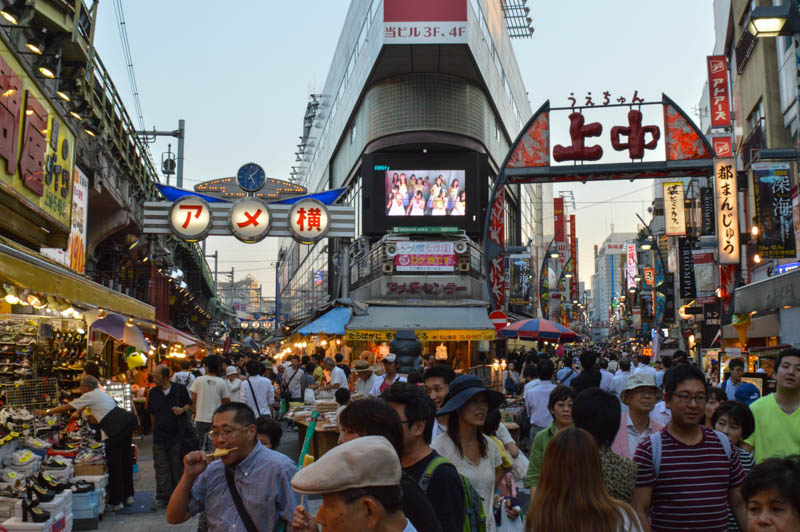
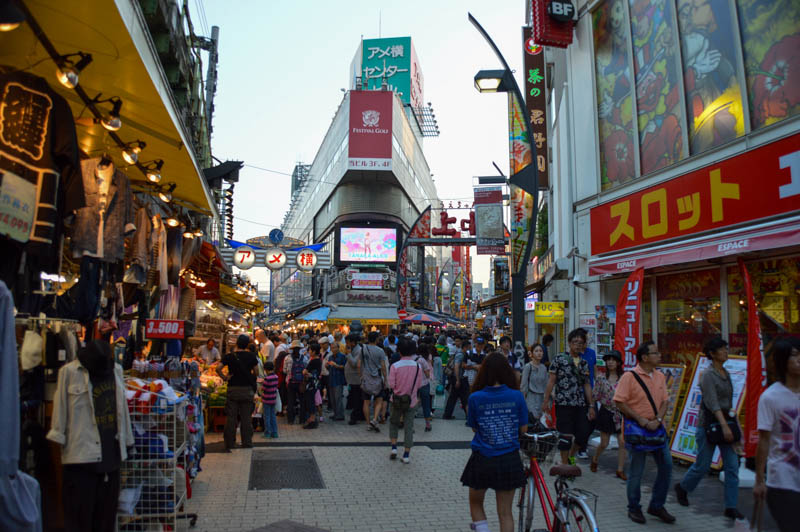
Opposite the park is the busy and bustling Ameyoko-cho located along the rail tracks between Ueno and Okachimachi Stations. Rows of shops sold clothing, bags, footwear, snack food and spices which included imported goods. More shops occupied the space below the Yamanote Line. Neon lights flashed the latest goods and a huge digital screen played the latest music videos. It is a vibrant marketplace and an opportunity to shop local items. As always we tucked into some local delicacies during our walkabout. From Okachimaci Station, we traveled by rail to Akihabara.

untitled-42untitled-36

Tokyo – Sensoji Temple, Asakusa

untitled-31

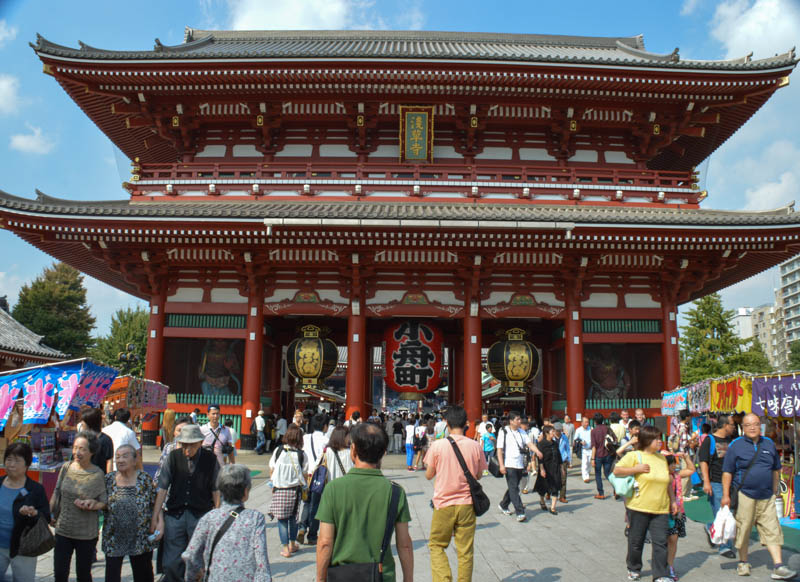
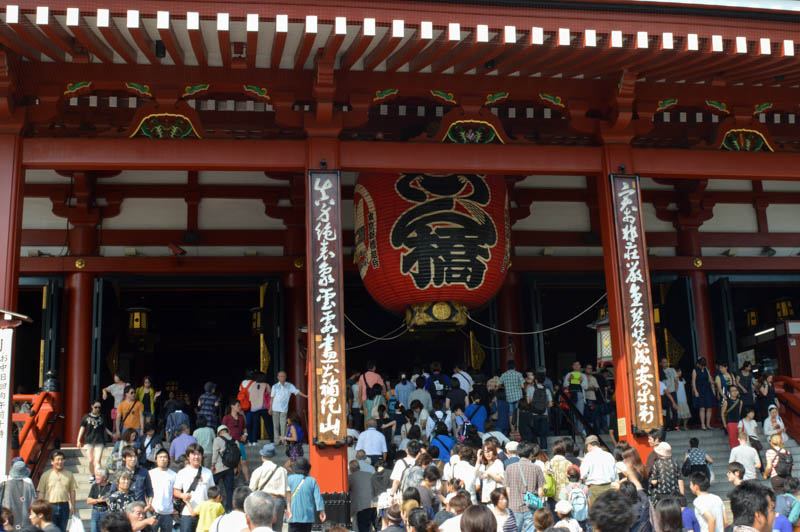
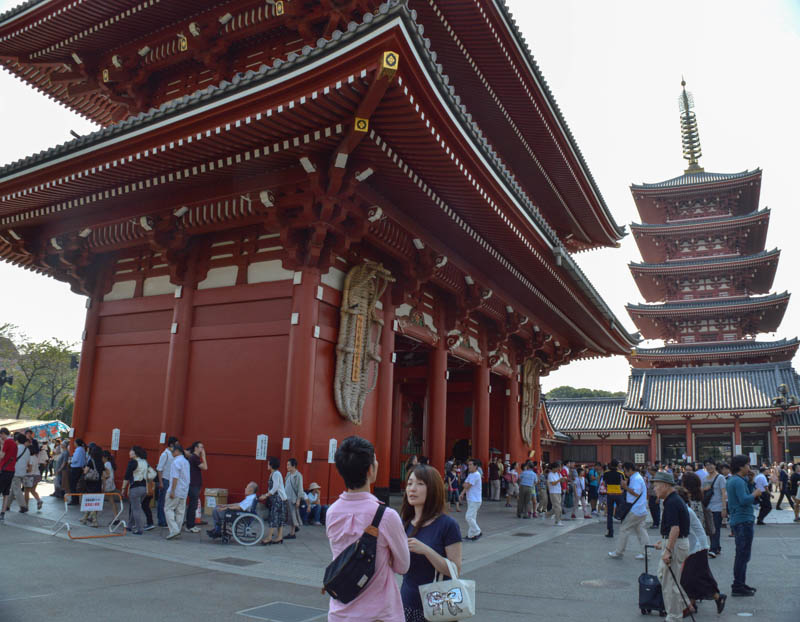
Sensoji Temple was built in the year 628. It represented to both Shinto and Buddhist worship. Although crowded, worshippers made their way to the main alter with their intentions known. They knelt before a huge statue of Buddha in a low lit hall with light provided by a few lanterns hanging on the ceiling. However, the golden face of the Buddha was glistening. Pilgrims and tourist alike paid their respects. With their hands clasped and head bowed down, they moved slowly in a clockwise direction. Incense was lit. The smell permeated throughout the hall in the still air. At a corner, people tossed a box containing rolled paper until one piece popped out. Apparently their fortune is written on this piece of paper. They did this religiously too. I was amused. Driven by faith, anything can be believed.

“the smell of incense got stronger as we approached the main hall” – Navindd

untitled-33

untitled-35

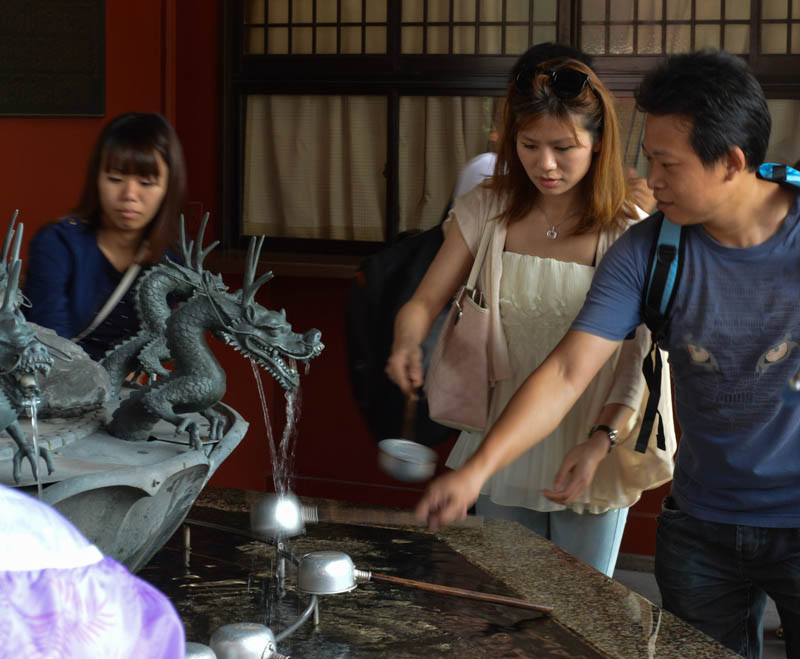
In one area, donations counters were set up. With a small contribution, one could buy a roof tile with drawings and writings of their choice. This will go towards replacing existing tiles or for a new building -a novel way to contribute. At a shed near the entrance to the hall, water flowed out of a brass dragon’s mouth. This is a ritual for purification and a set of pictorial sketches showed the correct method. Pilgrims gathered here and washed their head and mouth. A five storied pagoda rose tall adjacent to the hall. A small manicured garden provided some greenery and relief from the strong sun.

untitled-41

untitled-40

untitled-18

untitled-35

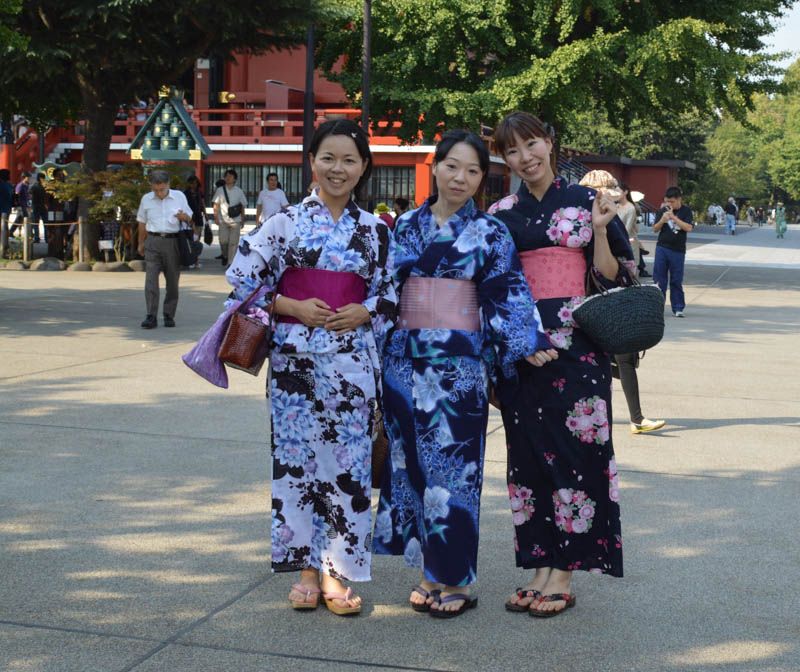
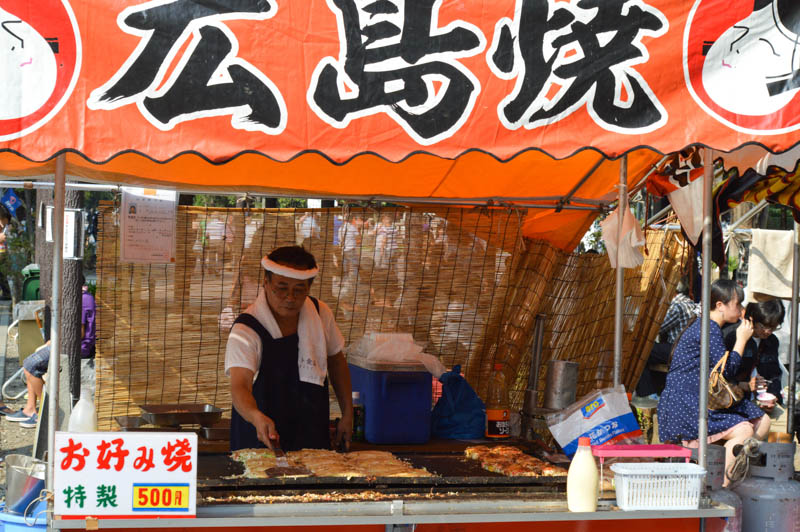
At the perimeter of the temple compound, three young women dressed in traditional kimono added very nostalgic scenery. A man was busy under the heat of the day and from the hot plate where he was cooking up a local thick pancake-like dish called “okonomiyaki”. Expectedly, a long queue appeared at an ice cream parlor.

From here we walked to another shopping area called Kappabashi. The locals shop here for household items. The weather was quite uncomfortable and we were getting hungry as well. It was late in the afternoon. Shopping had to be put off for the moment.

We walked along a narrow street and entered into a restaurant with raised wooden floor. This restaurant’s specialty is “okonomiyaki” dishes. Seated on the floor with a hot plate in front of us, the ingredients were placed on the table. Mixed vegetables with some meat and mixed into a batter. The host showed us how it was done. I ended up doing the other. Navindd helped to turn over the flat bread like dish like a pro. Sweat poured out while dining as the heat from the hot plates radiated through the small room. The dish was alright but we felt heavy in our belly afterwards. The heat from the sun was unrelenting.

Tokyo – Harajuku, Ryogoku

 Harajuku
untitled-69 untitled-70

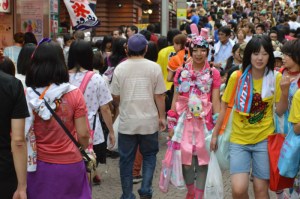
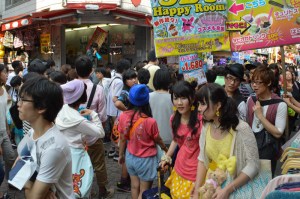
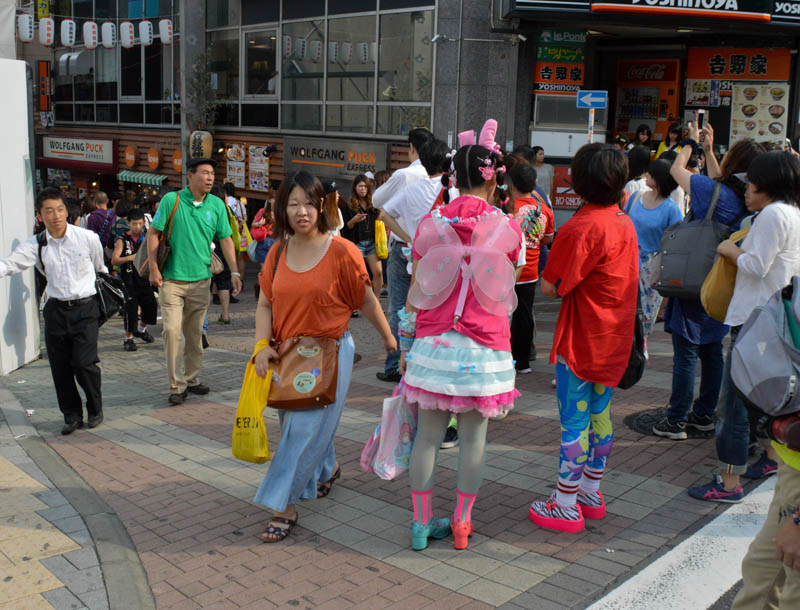
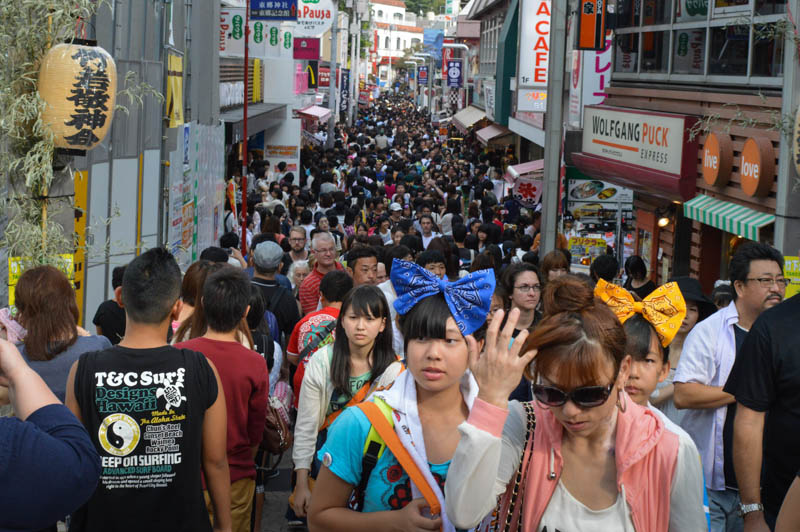
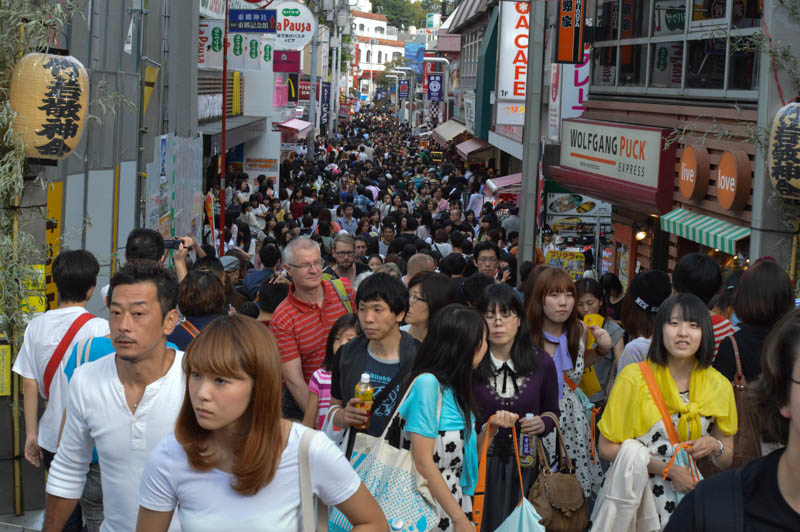
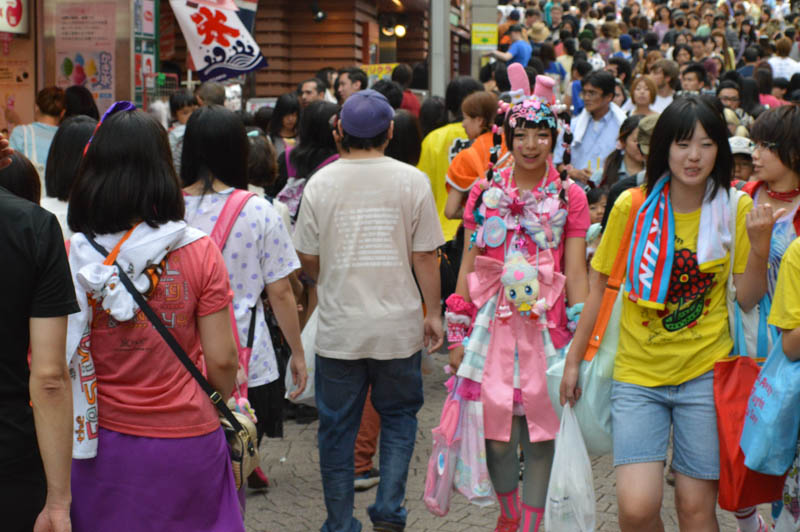
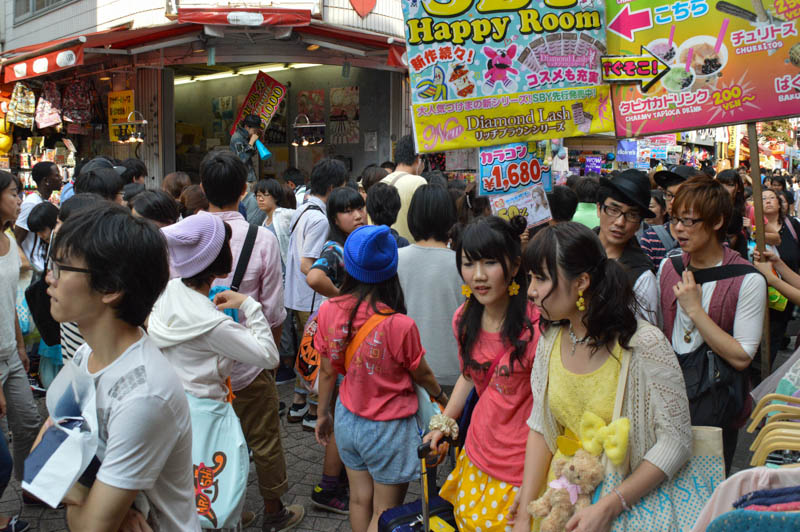
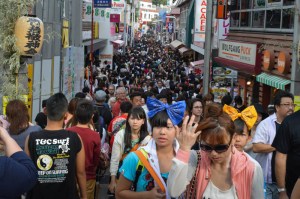
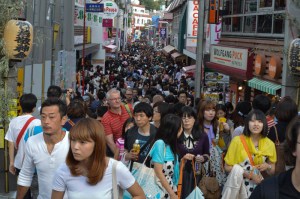
After a nice meal at Shinjuku, we hoped back onto the Yamonote Line to Harajuku. This place is popular with trendy shopping and cosplay or costume play – where individuals dressed up and imitate the characters from manga, anime or computer games. The train station was packed shoulder to shoulder with people. Very orderly everyone exited the station. The popular Takeshita Dori was similarly crowded especially with young girls. And there, a teenager, dressed flamboyantly in a character paraded up and down the street. Make- up, lively attire, sparkling costume jewellery and chic hairstyles are part of this popular teenage culture that happens every Sunday. It is an eccentric way to break away from the norm.
untitled-71 untitled-72 untitled-73 untitled-74

Other than people watching, this street is lined with fast food outlets, cafe, retail shops, costume jewellery, fashion boutiques and more. It was great just to wander. On Omotesando, trendy designer brands were on offer in a boulevard street lined with shady trees. In contrast, there were mainly adults with cash to spend. It was a good walk and we headed back to the colonial looking train station. Armed with the handy JR Pass, we took the train across Sumida River to another Japanese icon – Sumo wrestling in Ryogoku.


Ryogoku

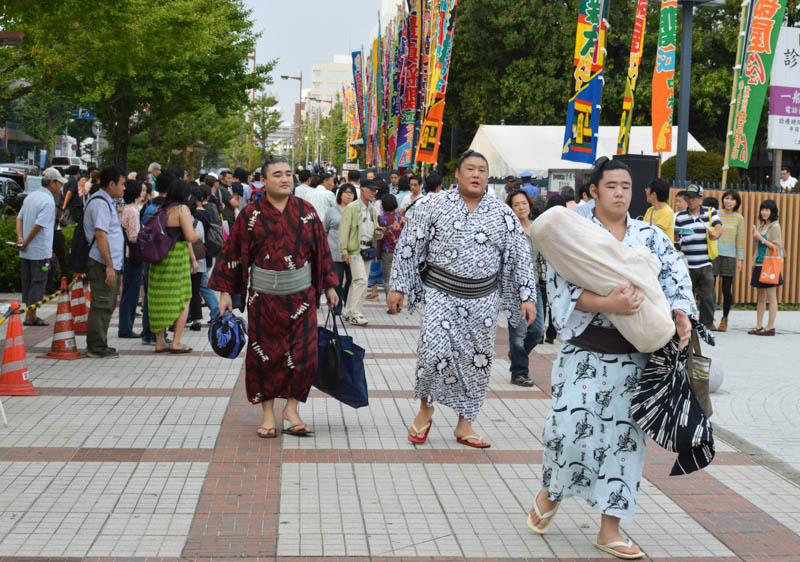
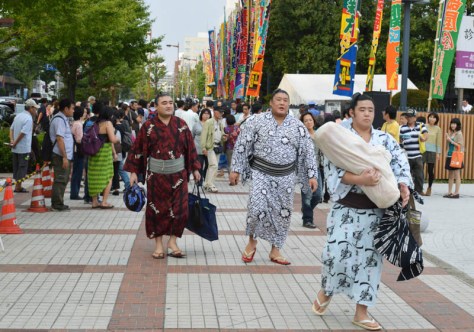
“Sumo wrestlers were mobbed by the locals …..Something of celebrities in Japan” – Navindd
untitled-76

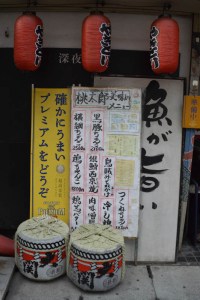
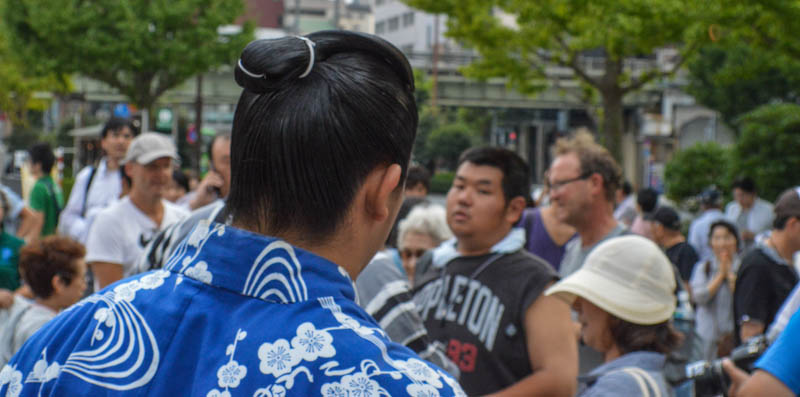
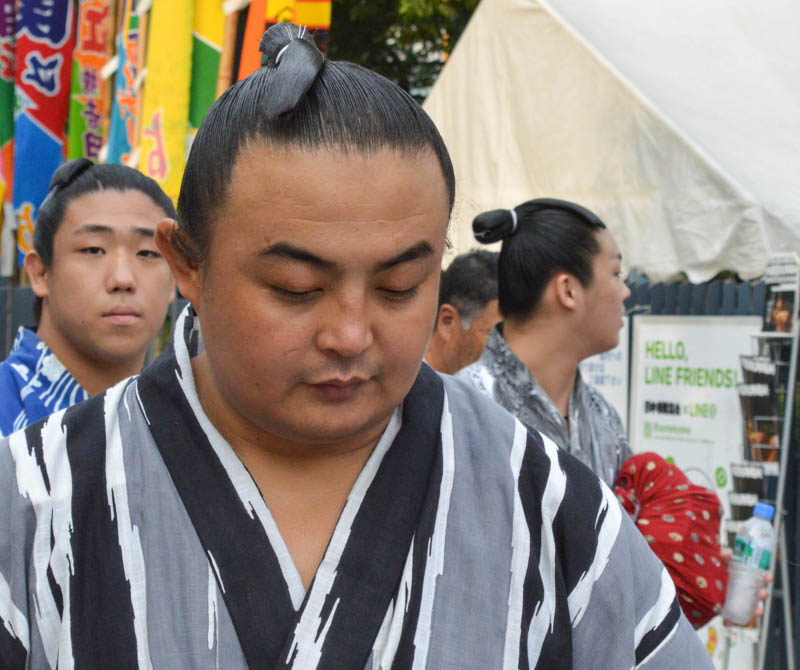
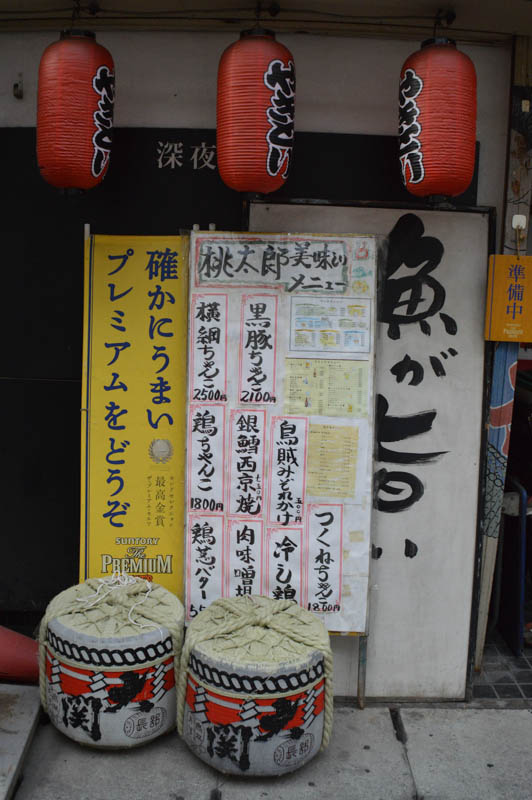
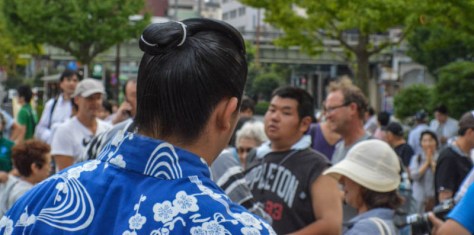
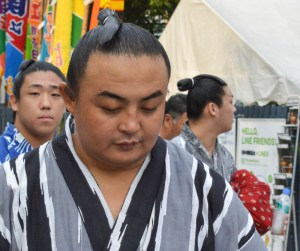
September is sumo season in Tokyo. Tickets are in demand but we headed there anyway. Ryogoku Stadium is a short walk from the station through the old neighbourhood. Inside the stadium, the great sumo wrestlers take to the ring for battle. Sake containers at the entrance of a few establishments indicate the national drink is available. A small crowd waited outside Kokugikan Stadium. Unluckily, all tickets were sold out except the pricy box seats. We were disappointed. A few sumo wrestlers came out from the tournament. They were mobbed by the visiting crowd. They obliged. They were of different body weights. With their hair tied up neatly, dressed in loose “yukata” and sash, they commanded respect. This Japanese icon was exclusively for Japanese only. Today, however, a few foreigners have been accepted. There are a few Sumo stables – where the wrestlers live while in training, in this area. It is a strict discipline and required commitment. We headed back to the station. A few men and women walked on the street in traditional dresses – kimono and “yukata”.
untitled-78 untitled-77untitled-75