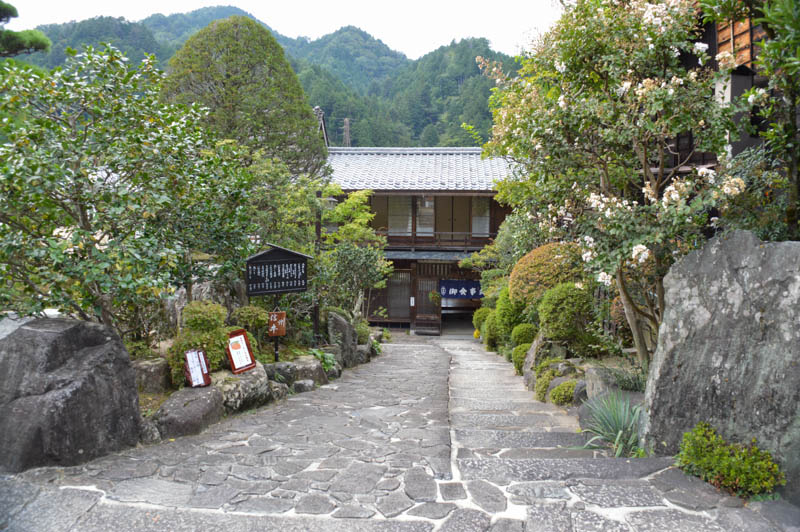
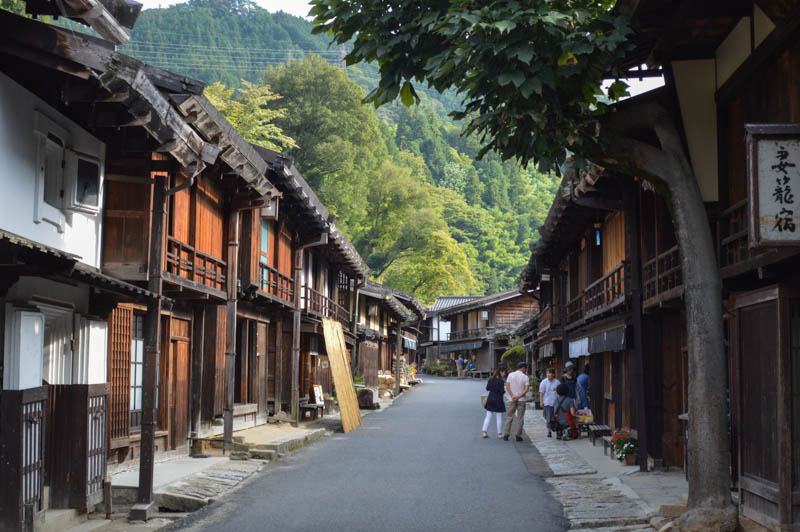
A descending stone pathway, with trees and shrubs on either side, led us away from the road, towards a dark wooden double storey building. This is Fujioto, a 100 year old “ryokan”, traditional Japanese Inn, our accommodation in Tsumago. We wanted to experience real Japanese hospitality, a ryokan experience – being taken care off, pampered and fed from beginning till departure. We choose this ryokan for its historic and scenic location. This is our only planned ryokan opportunity, as it can be expensive, to experience this quintessential Japanese culture.
Past the wooden slated sliding doors, we entered the foyer, “genken”. An enthusiastic staff greeted us as we removed our footwear, and placed them into wooden compartment box, before entering low lit reception area with dark polished floor. A row of “geta”, wooden slippers, for exterior use and a row of red slip-on shoes for interior use were neatly laid. They face the direction their use was intended. A long corridor led to the dining hall. Light beamed in, from a traditional garden, “tsukiyama”, landscaped with pond, shrubs and trees. Koi fish provided dabs of colour. A “tsukubai”, water basin and “ishi- doro”, stone lantern complemented the garden.


It was around 1.30pm. Perhaps, it too early to check in I wondered. After brief formalities at the reception, we were ushered upstairs to our room, Hinoki Room, through a narrow dark wood floor passage with sliding doors on either side. I was quite surprised by the spaciousness of our room as the rice paper wooden latticework sliding doors, “shoji” were opened. Our host left us to settle in.
The room is sparse with little furniture but artistically decorated with a few pieces of art and furniture. We walked into a hall with bamboo tatami mat floors. The room led to the “engawa”, an attached wooden veranda overlooking a small immaculately manicured garden with sculptured pine trees and pond filled with colourful koi, furnished with 1920s and 1930s style cane furniture. A painted scroll, “kakemono” and foliage – flower arrangement, “ikebana” occupied a raised platform or alcove, “tokonoma”.
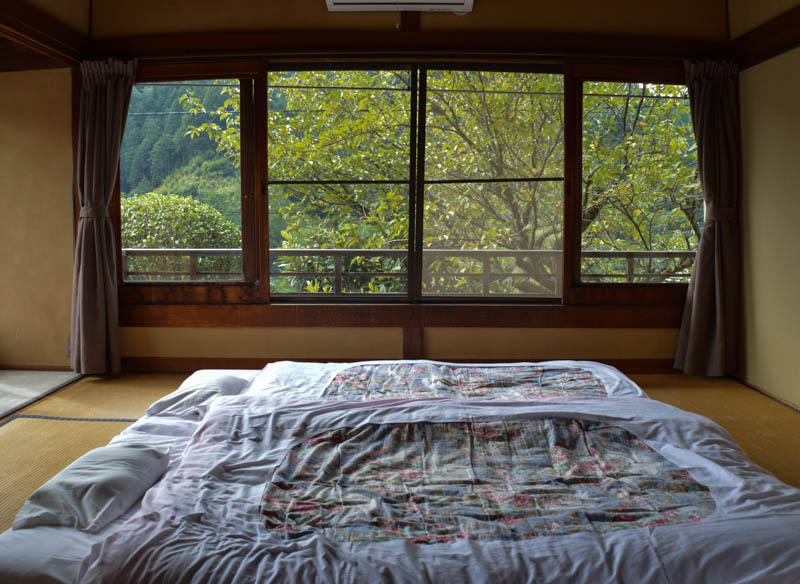

In the centre is a low tea table. Floor cushions, “zabuton” on wooden backrest, surrounded the table. An adjoining room, through painted opaque sliding doors, “fusuma”, was our bedroom with “futon” bedding laid on the tatami floor. I was quite taken by the “futon” as I had used it in my previous accommodations. The mattress, “shikibuton” is covered with a quilt- like cover, “kakebuton” and with a pillow, “makura”. The traditional garment – the white “Yukata” with blue patterns were laid in an open wooden tray, “midare-bako”. Through the wooden lattice window, dense green vegetation and mountain views enhanced the atmosphere.
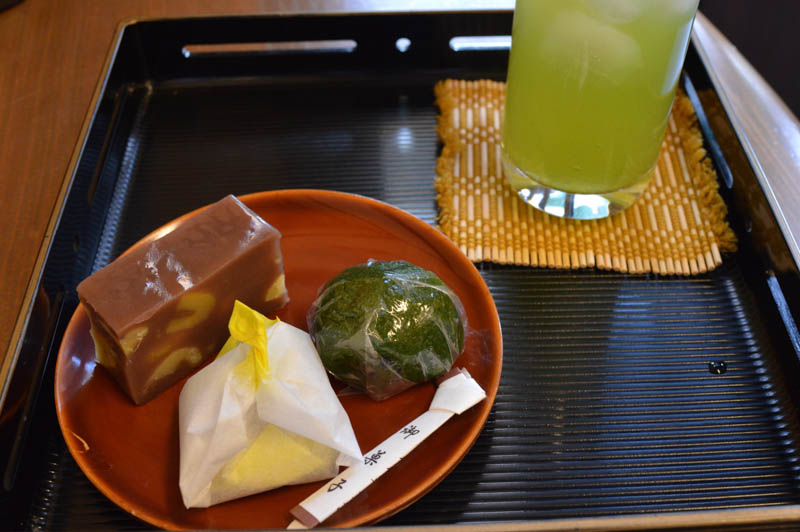
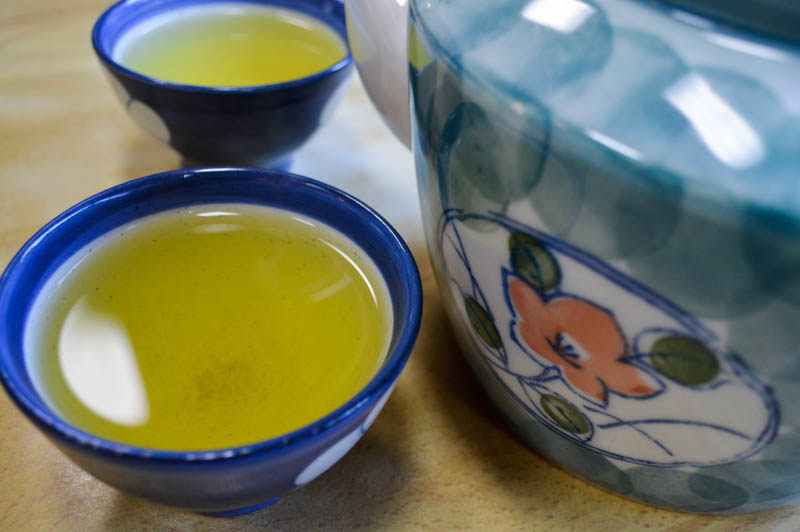
Our mood was relaxed. Our host returned with some hot green tea, “ocha” and sweets. She quipped that we have got the largest room. We rested in the palatial room savouring cups of green tea and little sweet delights. This is definitely luxury living.
“Our room was also very spacious and the biggest one we have had and will have in Japan – it was huge!” – Navindd





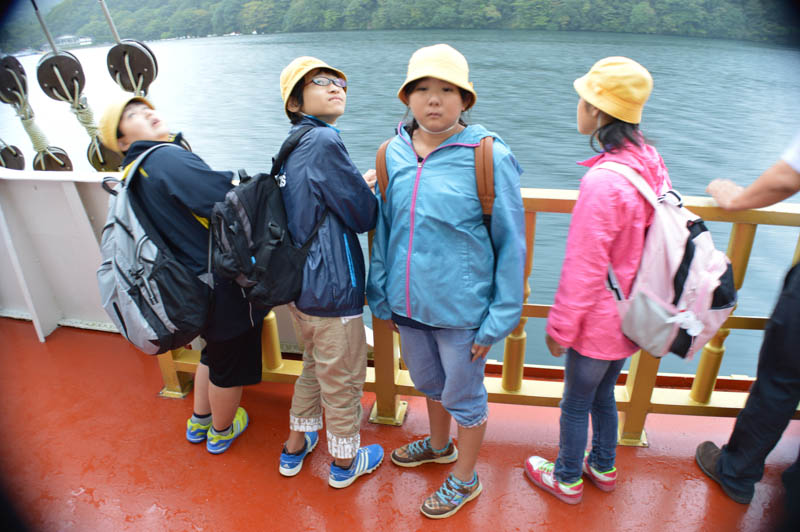
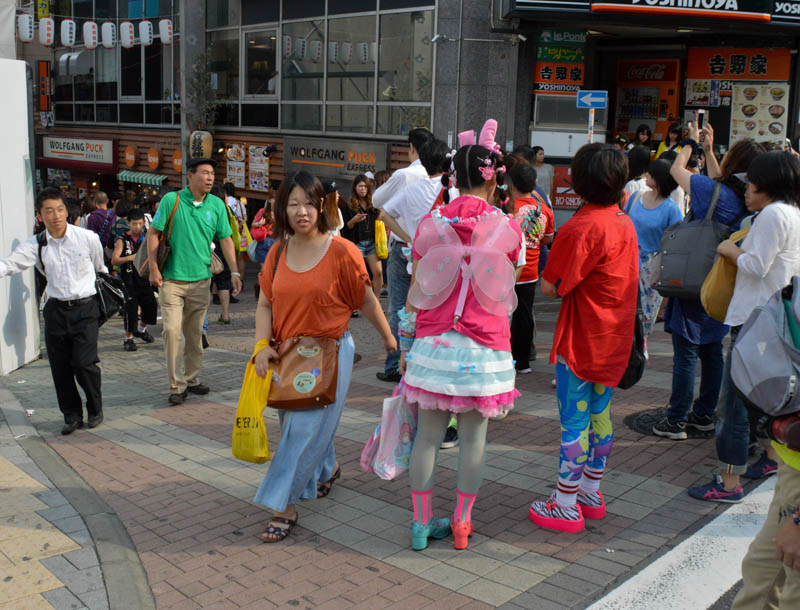
 profound here in Japan. The conservative Japan is intertwined with ultra- modern, in places like Harajuku – where young girls in particular, imitate their popular anime or manga characters. Bright, bold, and colourful, yet someway conservative in demeanour – mellow. People are mistakenly looked as shy, but basically, they hold back due to lack of ability to communicate in English. “Broken language” by “gaijin”, foreigner is blissful. It makes people acknowledge each other and their presences felt. It does bring out at least a smile.



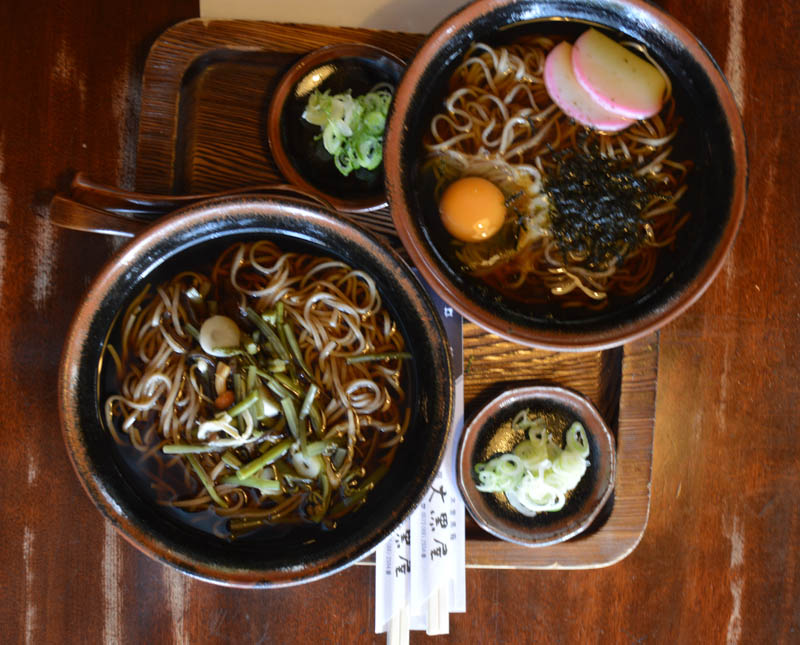

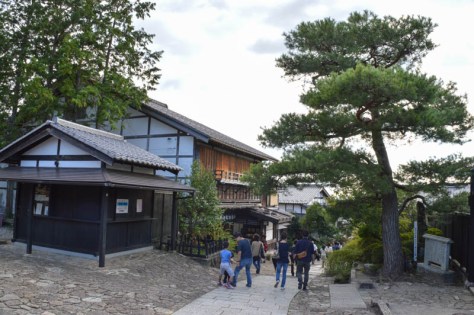
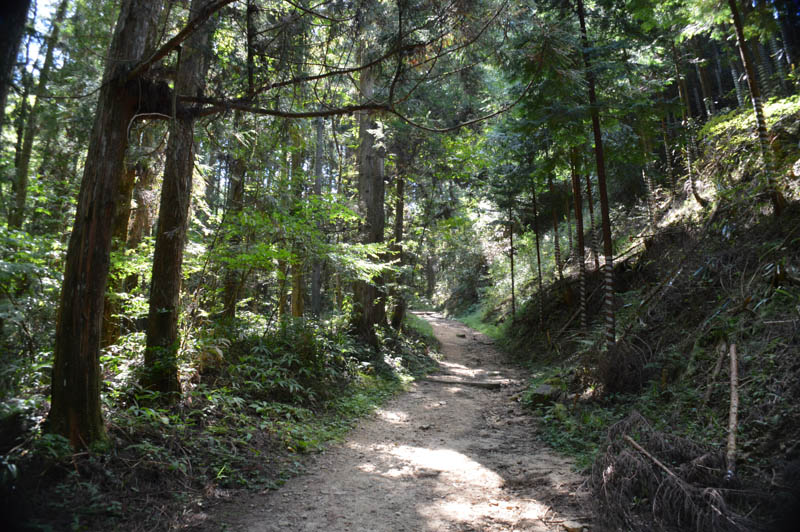

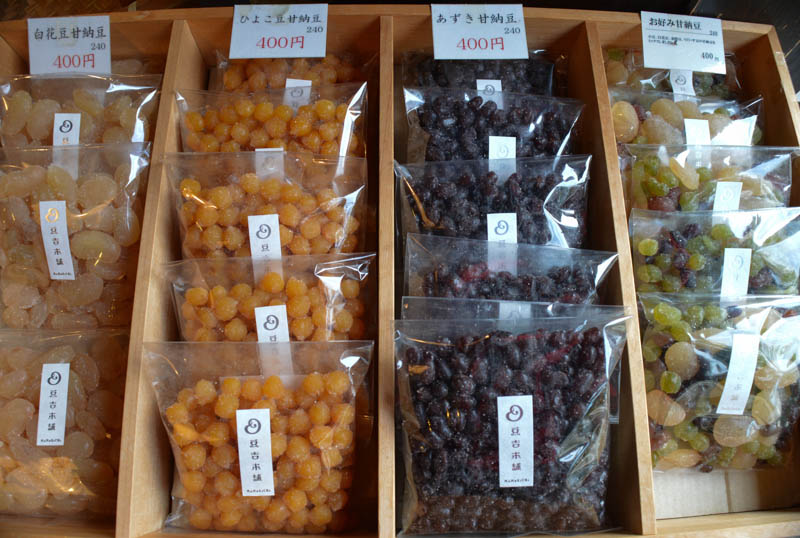
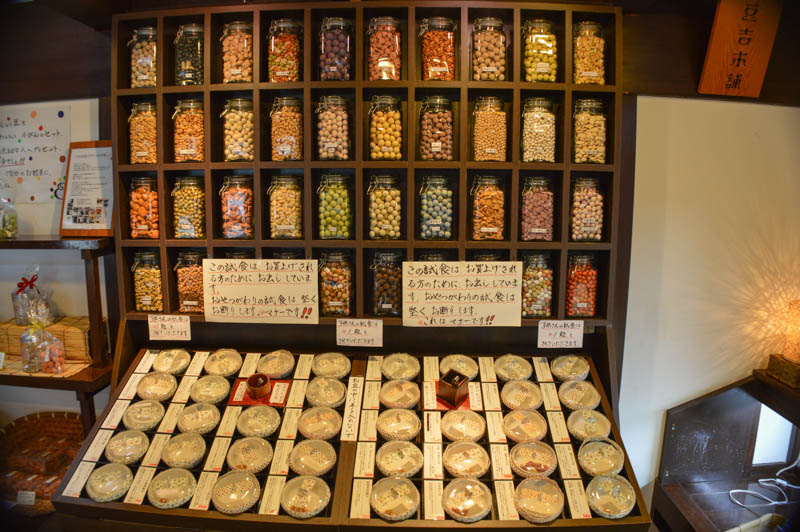


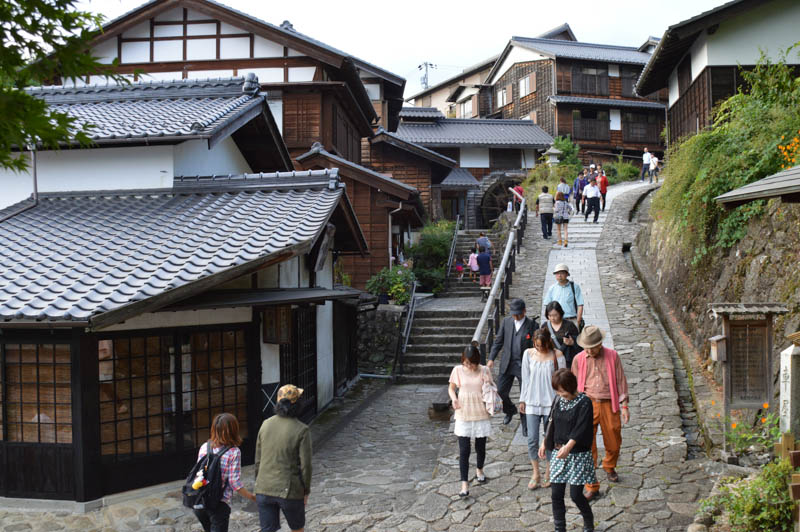
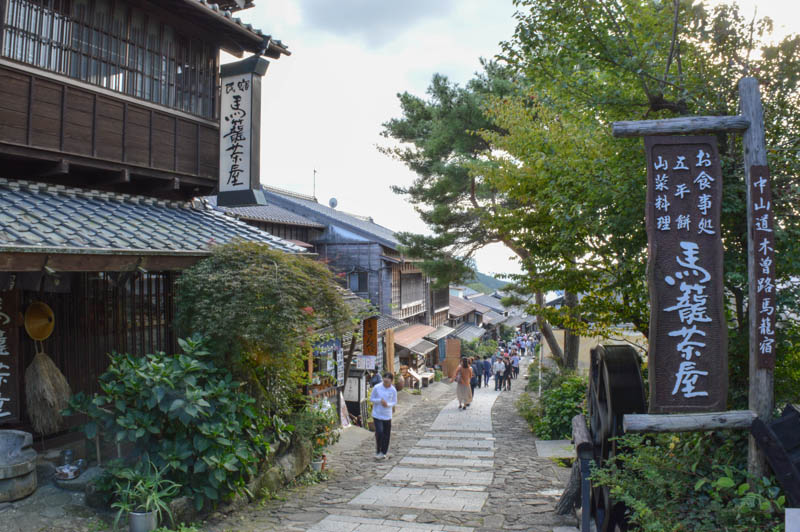



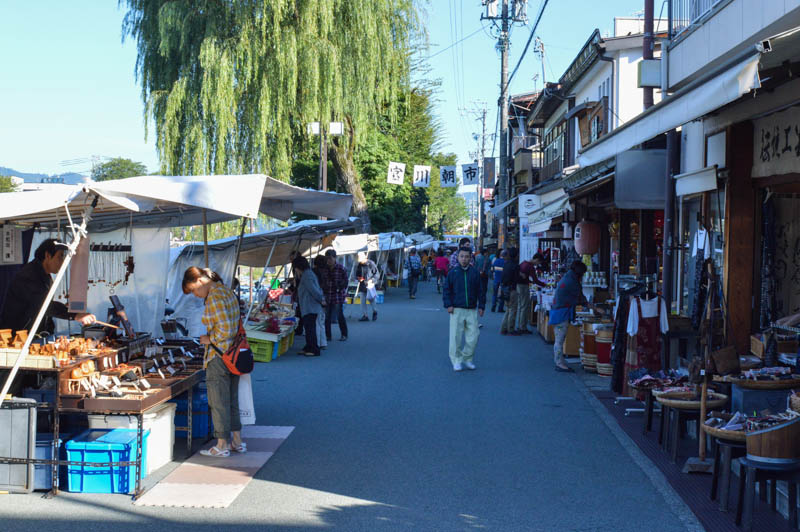
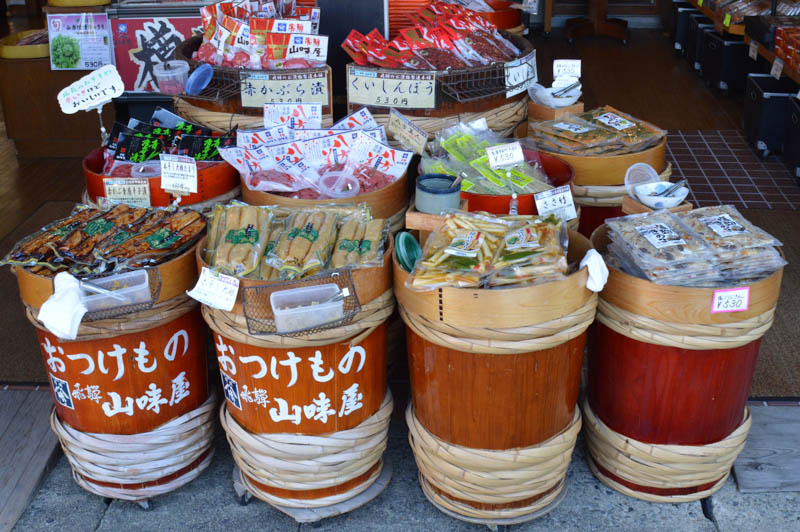
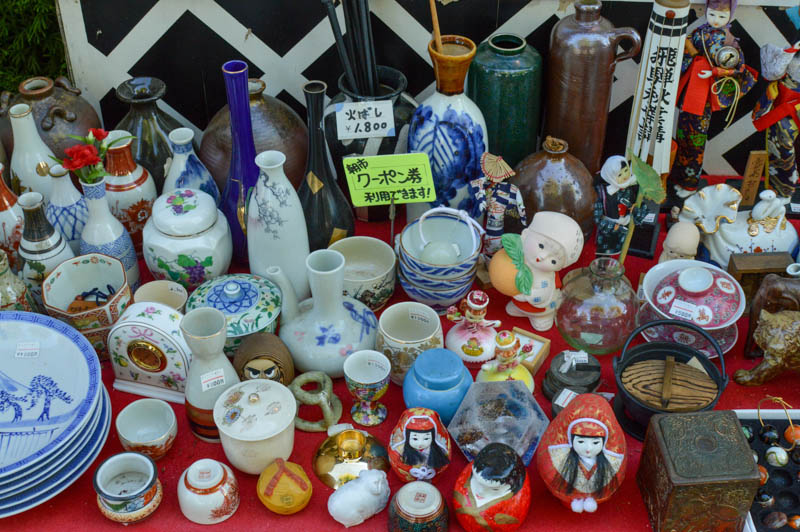
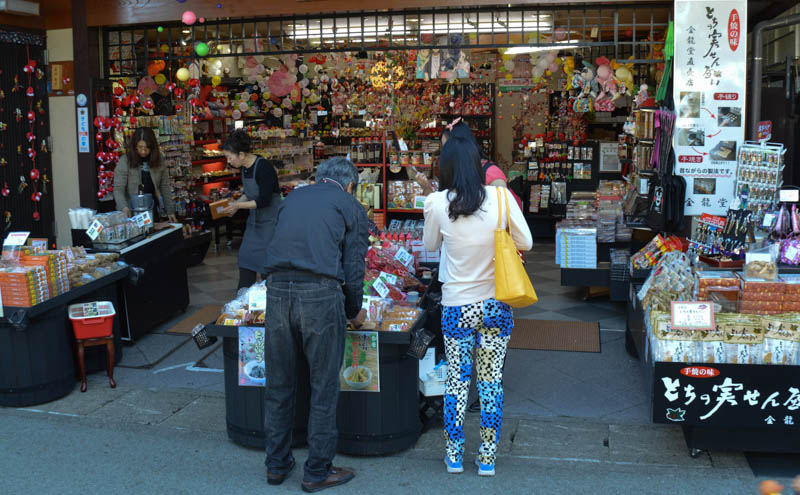
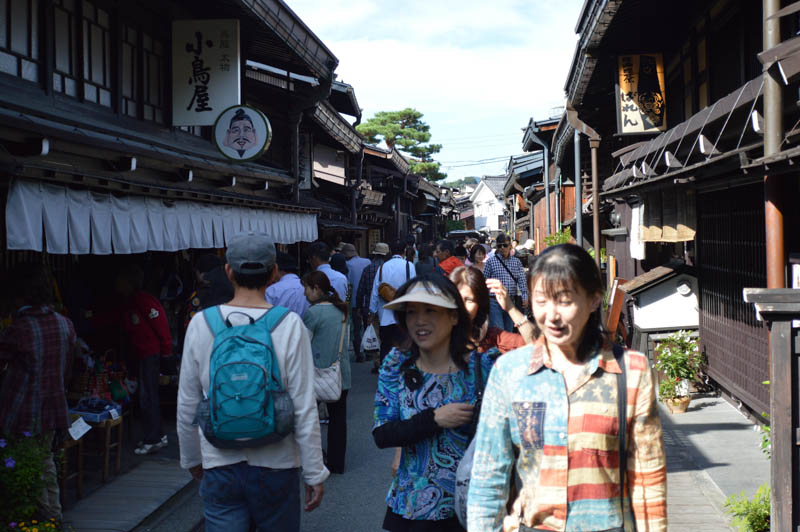
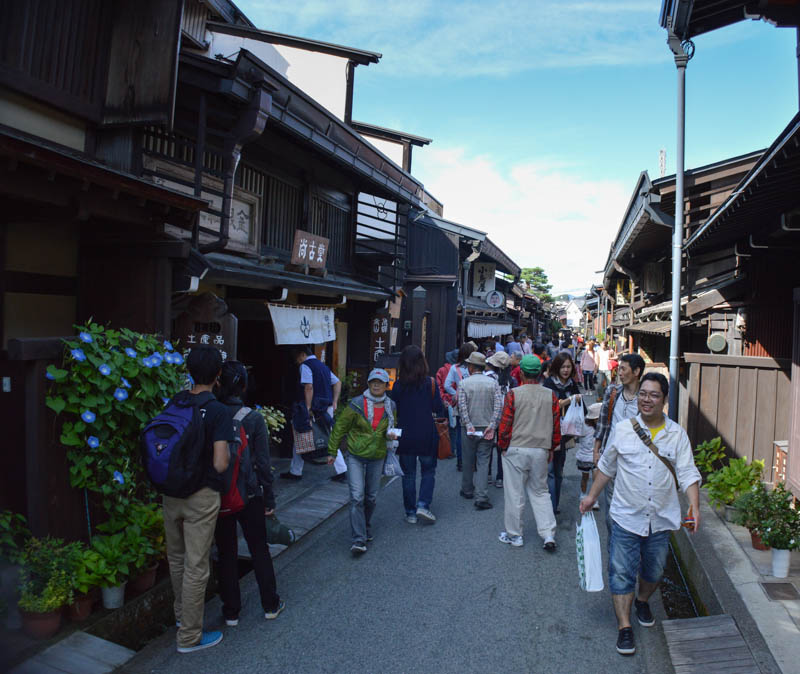
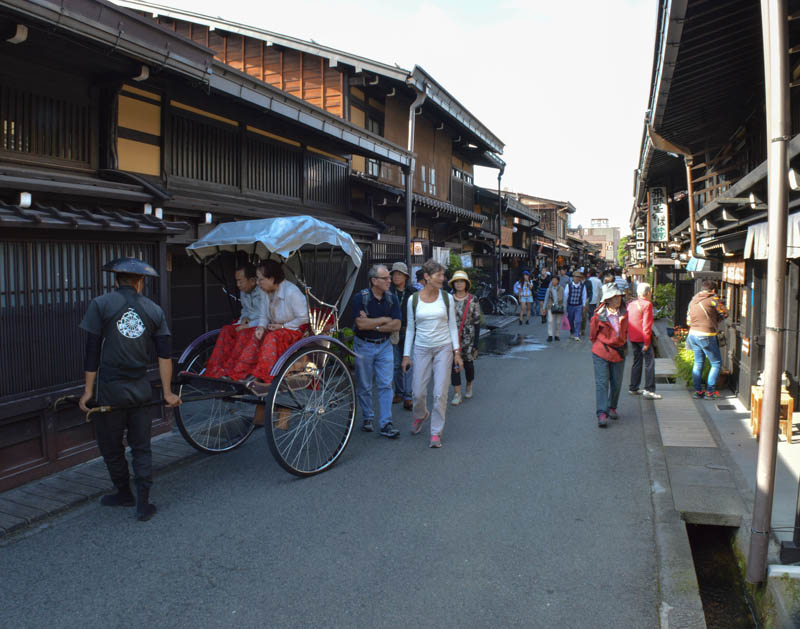
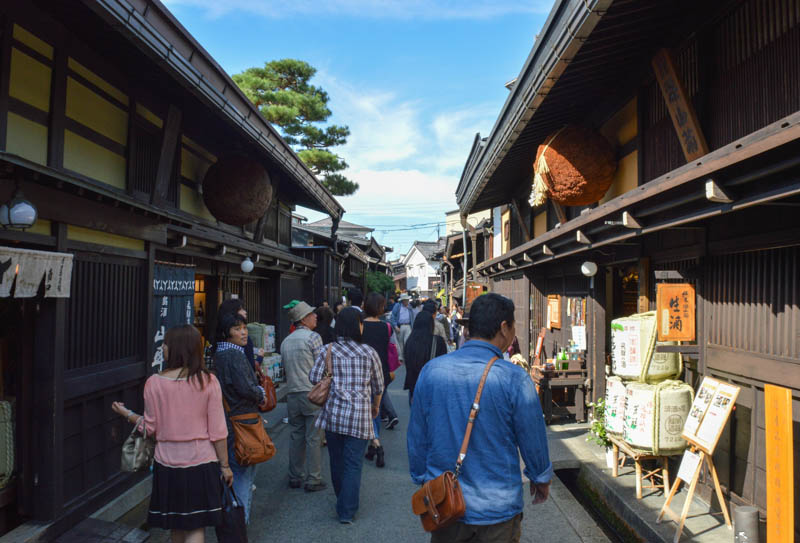
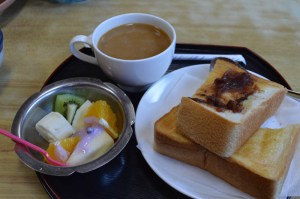 The order of the day was to get some breakfast. Somewhere in the middle, I spotted a poster advertising toast bread with coffee and a fruit salad with yogurt. A change from rice and noodles we have had every day. I just enquired to one of the two ladies in the restaurant and waited to find out more before ordering. We waited for quite a while before the lady re- appeared. She vanished again. Soon we found three plates of the breakfast set were laid on the table. Well, she assumed, being foreigners, that’s what we wanted. We just eat without complaint. Then we strolled on the single street in the cool morning air. The sun was already up and the sky blue. This market is basically an artisan market where local producers sold their wares directly to consumers. Some of the produce included fresh vegetables and fruits, handmade crunchy and nutty sweets, a colourful array of cut foliage and flowers, and a variety of handicrafts. My favourite was the assortment of mouth- watering vegetable pickles – made from cucumber, daikon, eggplant, cabbage, carrots and many more.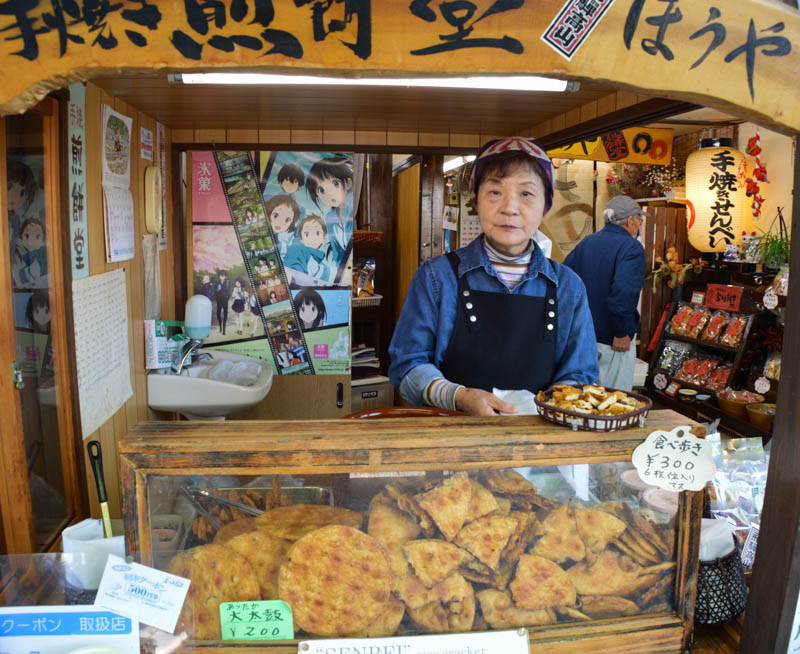
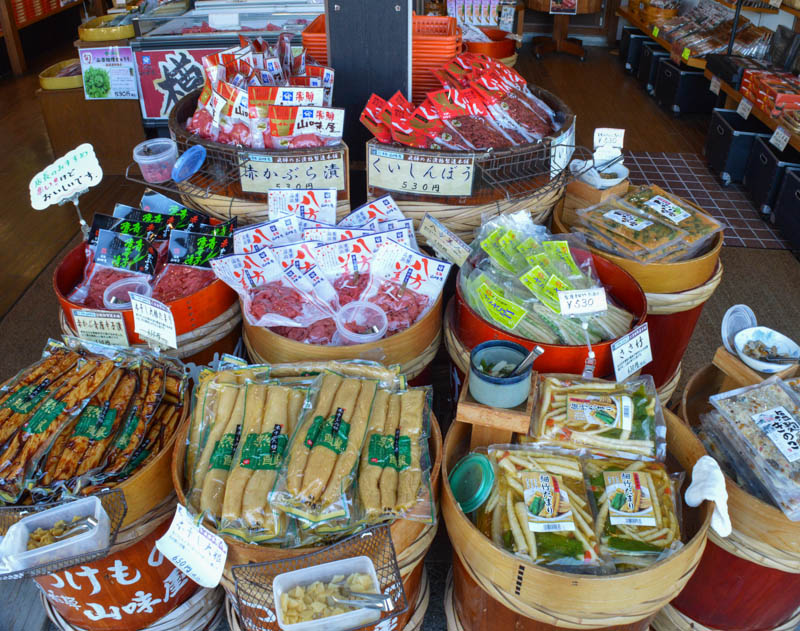
 There was a small commotion outside a stall. The operator, a small but congenial man had charisma and charm judging by the number of people waiting to buy his steaming yellow puffs. It looked like tofu but tasted like marshmallow. On the stall wall, these words were written –“Owara Tamaten – I pass when it beats an egg white and enter and cut the honey which came to the boil of sugar and agar to a pip after cooling it and soak it in the liquid which added sweet sake to and egg yolk, and it is the Japanese sweet that it is unusual which baked 6”.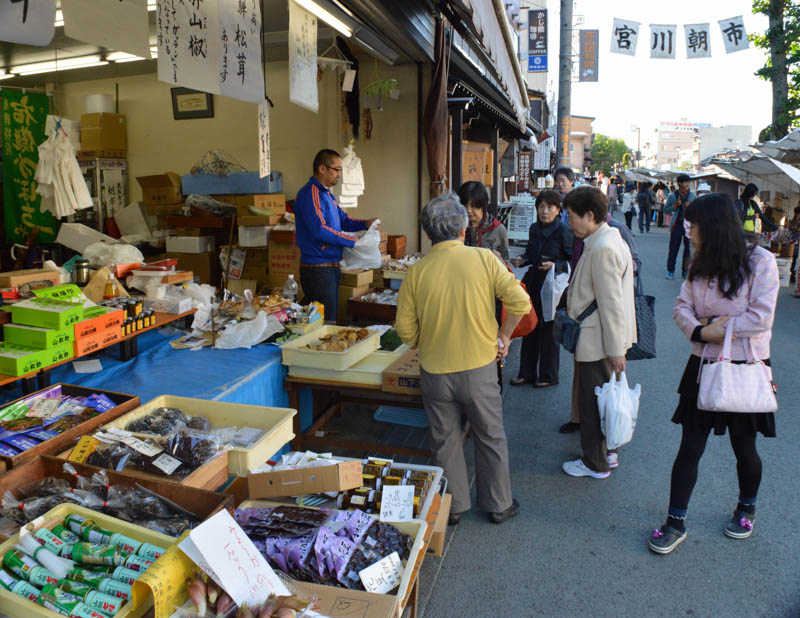
 Intrepid Nomad - Travel Tales and Stories