Category Archives: Japan

Hakone, Togendai

untitled-176

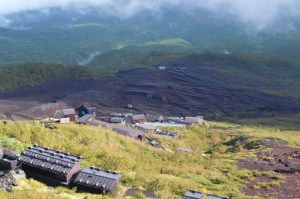
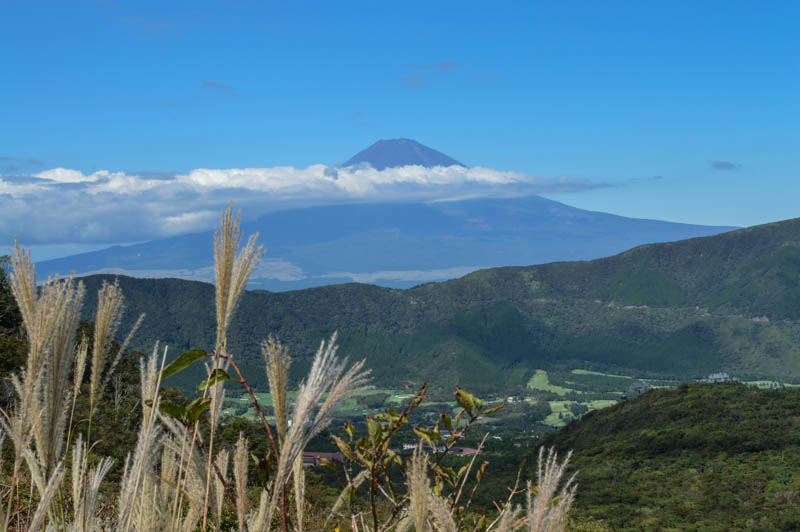
I woke up early this morning. It was bright outside and looked promising. Armed with my camera, I hurried outside towards the end of the corridor. A perfect conical Fujisan glowed in the dawn sun. It was a perfectly clear day. I could see the mountain huts and three trails – Subashri, Gotemba and Fujinomiya treks scratched on the slopes. It was a beautiful sight. The lush green forest in the foreground accentuated the view. I was mesmerised by the phenomenal mountain. Although I had earlier climbed to the summit, looking from here gave me a different perspective- one of awe, impermanence and beauty. You cannot see a mountain when you are on it. As the sun rose, the colours changed with it. From reddish to hazy brown and the sky pale blue. A golf course nearby the hotel was still in darkness.

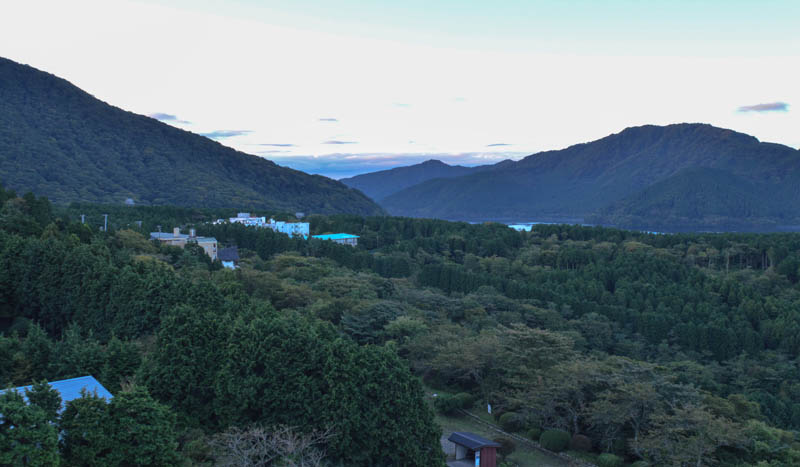
untitled-177The previous day’s rain seemed to have created a sharp image of the green pine forest and the blue Lake Ashi. The air was fresh but chilly. It was a promising day to venture other parts of Hakone. We made arrangements at the hotel via a luggage transfer service to deliver our luggage to Hakone Yumoto train station. From here we walked to the pier and caught the Hakone Ropeway to Ōwakudani. Hakone is a popular tourist site, not only for views of Fuji but renown for natural hot springs and spas. It is after all a volcanic area. It lies within the Fuji Hakone Izu National Park.

“….the magnificent Mt Fuji was red like Mars, towering in the distant” – Navindd

Hakone – Moto-Hakone

untitled-159

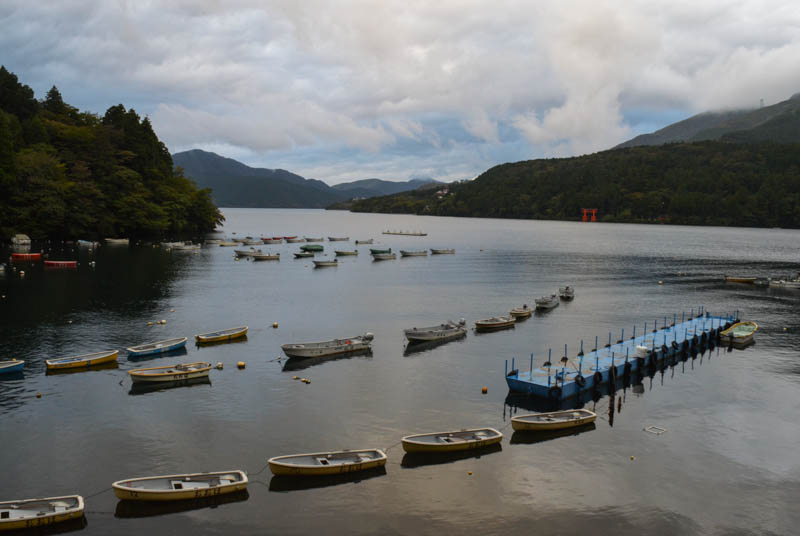
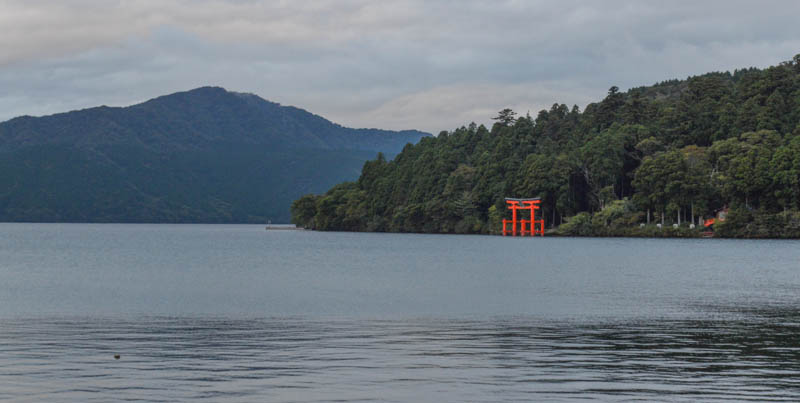
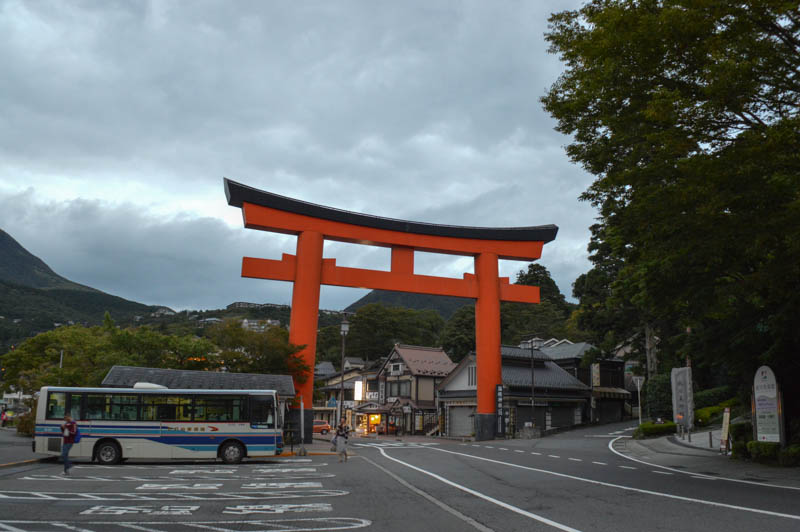
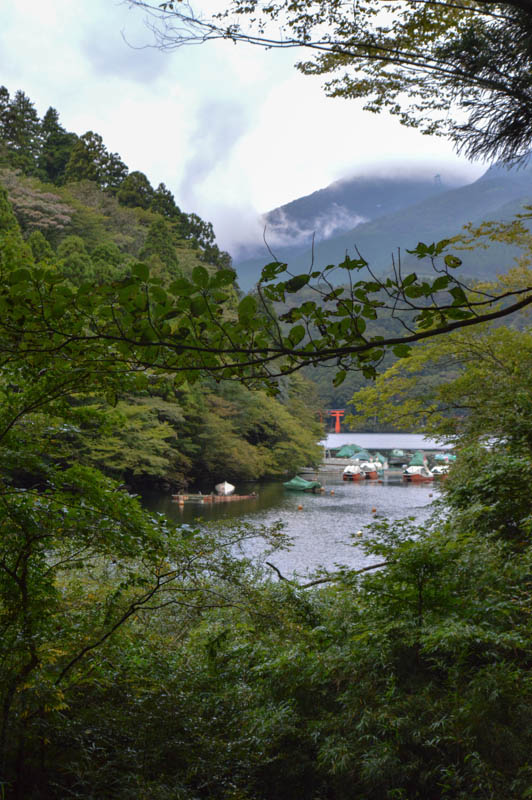
As we approached Moto – Hakone, the vegetation on the shoreline thinned. Expansive views of mountains with the mist lifted and partially blue sky emerged. The constant drizzle had stopped. The sight of the towering red “torii” of Hakone Shrine was quite startling against the placid Lake Ashi waterfront, soothing green forest and the dark rain clouds. On a “good day”, the peak of Fujisan will show just above the mountains. Small boats lay anchored in a line close to the shoreline. Although gloomy, it was quite invigorating walking along the shoreline. A small shrine with stone statues added a ‘Zen’ sentiment.

untitled-161

untitled-168

A towering red “torii” marked the entrance to Moto- Hakone. In the foreground was the bus stop. On the right, a road led to the Old Tokaido Highway through dense vegetation. Continuing on from here on preserved stone path is possible towards Hakone –Yumoto. Dusk set in quickly as we checked out the bus time-table. We were unable to explore this neat little township and popular Hakone Shrine. We had no idea when or if any transport was available this late in the day. Most retail shops here close early. Finally a bus arrived (not knowing where it was heading, I just mentioned Togendai to the driver). He dropped us off at Yunessun. This town is popular with a water theme park. There was no time. Fortunately, another bus took us to Sengoku. From here there are late buses back to Togendai. Relieved at last!

untitled-162

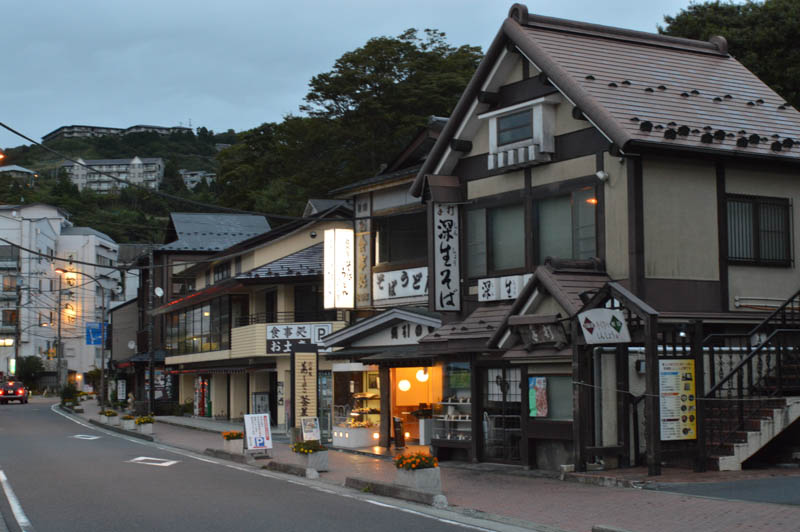
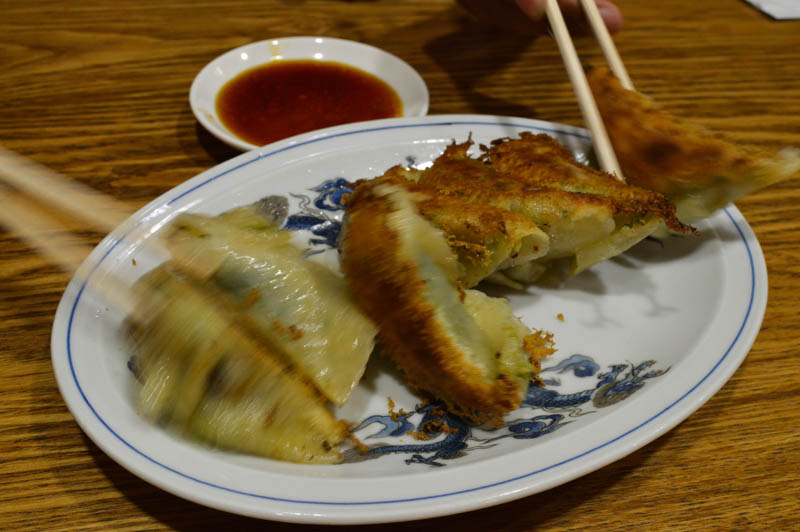
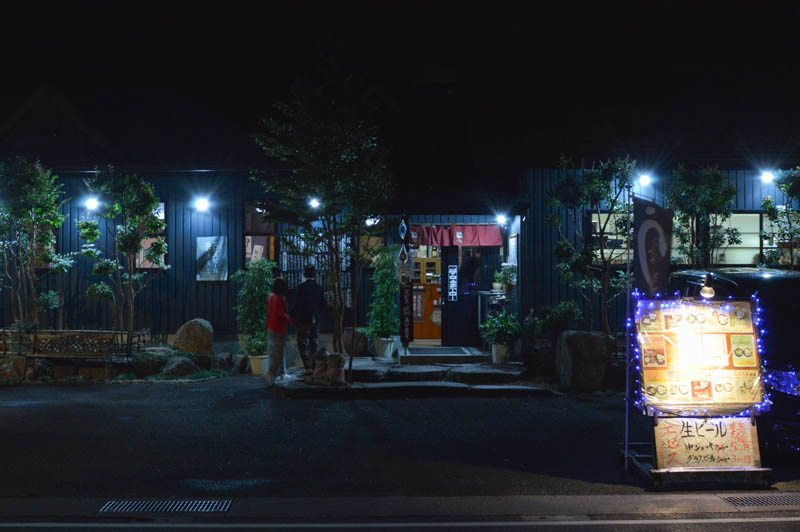
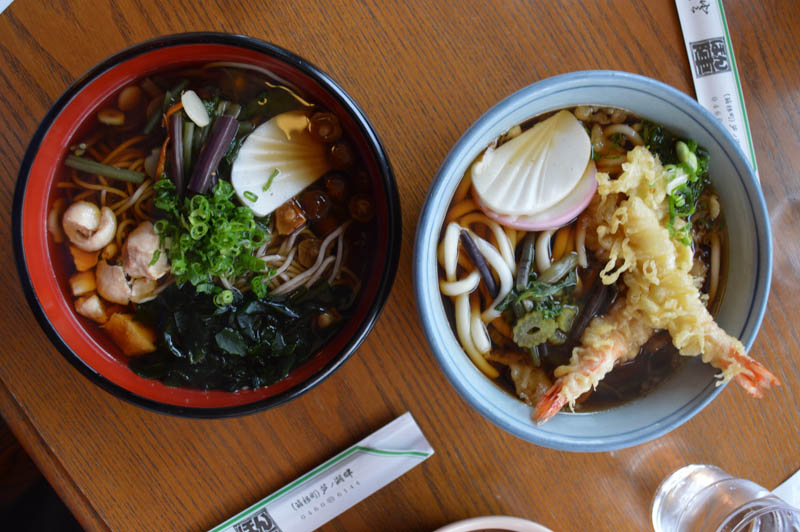
From Sengoku, there were several late buses that plied to Togendai. Now with more certainty, we tracked down a neat little restaurant by the main road. Their specialty was Chinese dishes. It had a cosy atmosphere. Lee Cheng and Navindd tried the pot sticker. Apparently, it was very tasty. I settled for some vegetarian soup with mushrooms and noodles – a little blend but quite fulfilling.

There were several more eateries along this main road. Finally, we caught a bus back to our multistory hotel in Togendai. Today had been a long journey but a good one albeit the challenging weather condition. No views of Fuji.

untitled-170 untitled-171

Hakone, Hakone-Machi

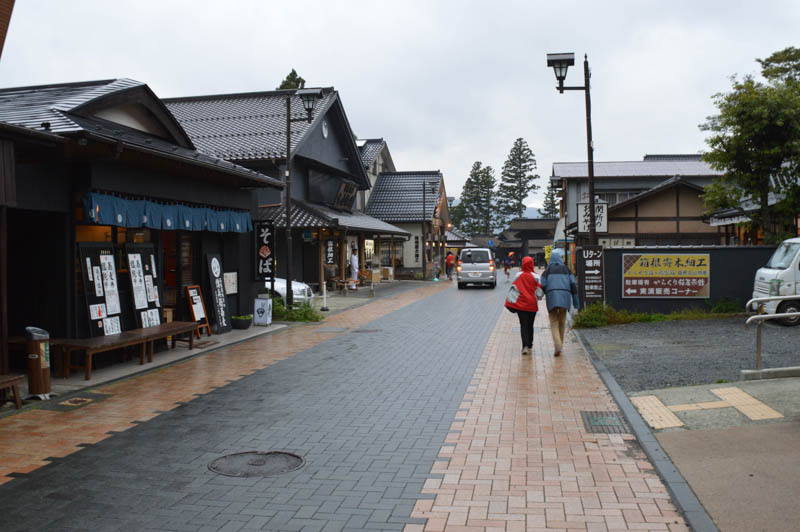
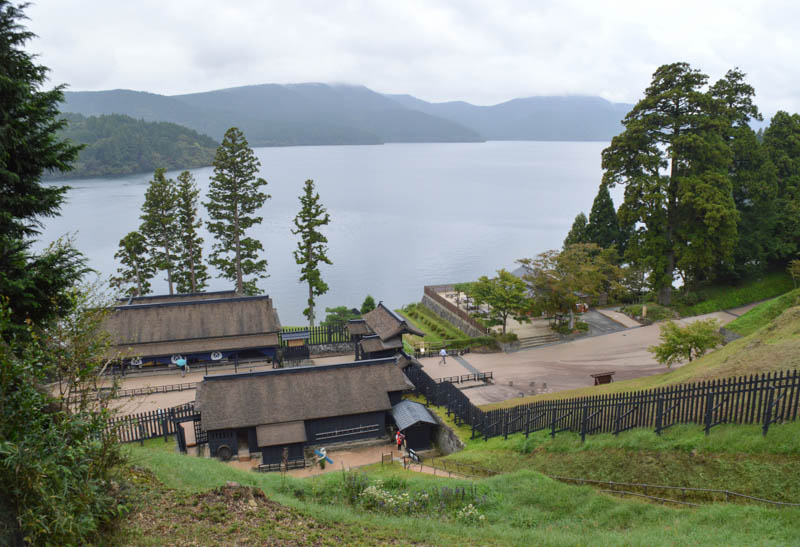
The continuous drizzle did hamper our movements but we forged on. First, some lunch. Hakone-Machi is a collection of houses, a pier and a bus stop. It is a small place that is best seen on foot. A short walk from the boat pier is the “Hakone Sekisho”, Hakone Checkpoint. On the old Tōkaidō Highway between Edo [present day Tokyo] and Kyōto [old capital], this post under the governance of Tokugawa Shogunate, checked everyone who passed through. The restoration is great and with wonderful views of mountains and lake.

untitled-149 untitled-148

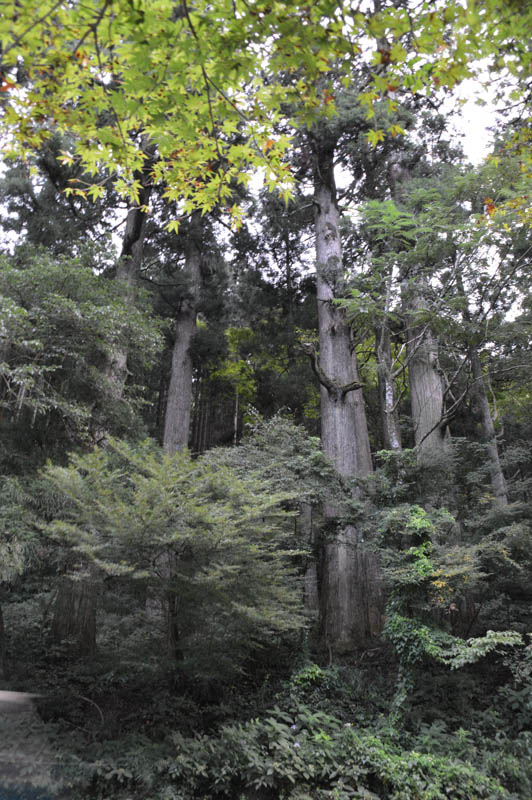
A stone path led into manicured gardens. We continued on along an avenue of old cedar forest towards Moto – Hakone. Through dense vegetation, views of the red “torii” on the water’s edge, gently swaying anchored boat and misty mountains came into view. Maple trees, still with green leaves, were planted along this road. It was a pleasant walk under a humid and wet climate. It was getting towards dusk. Does the public bus still run on this route to take us back to Togendai? This question began to occupy my mind. The brochures and time table we had were quite confusing. Even the locals were unsure.

untitled-151 untitled-157

untitled-158

Hakone, Lake Ashi

DSC_0088

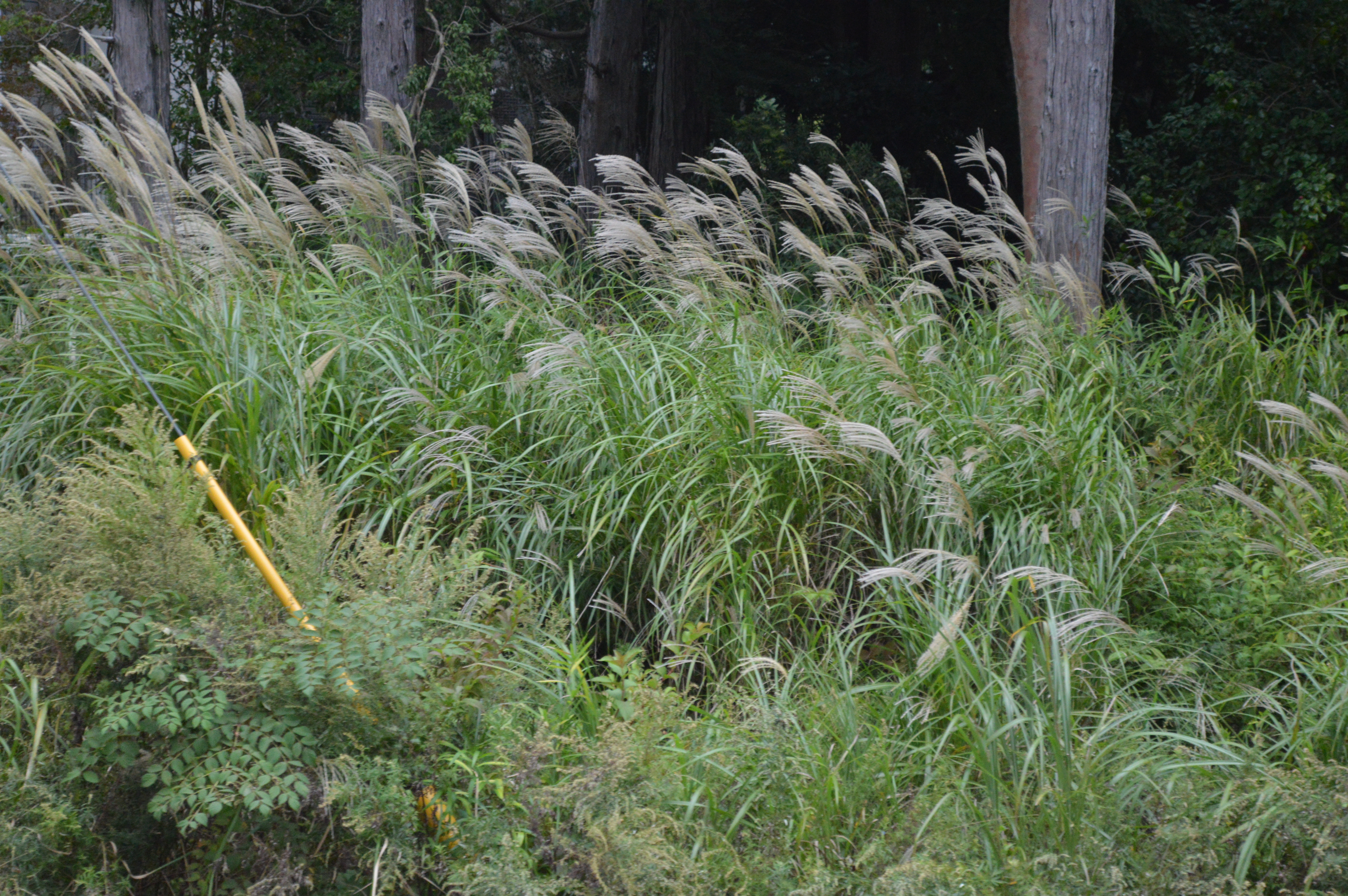
While travelling through Sengoku towards Hakone, large undulating meadows were covered in “Susuki”, Silver Grass, one of the “Seven Grasses” of late summer. Zen philosophy states that a grass has the same status as the mighty pine trees or the glowing azaleas and deserved the same respect, attention and high regard.

untitled-187DSC_0440

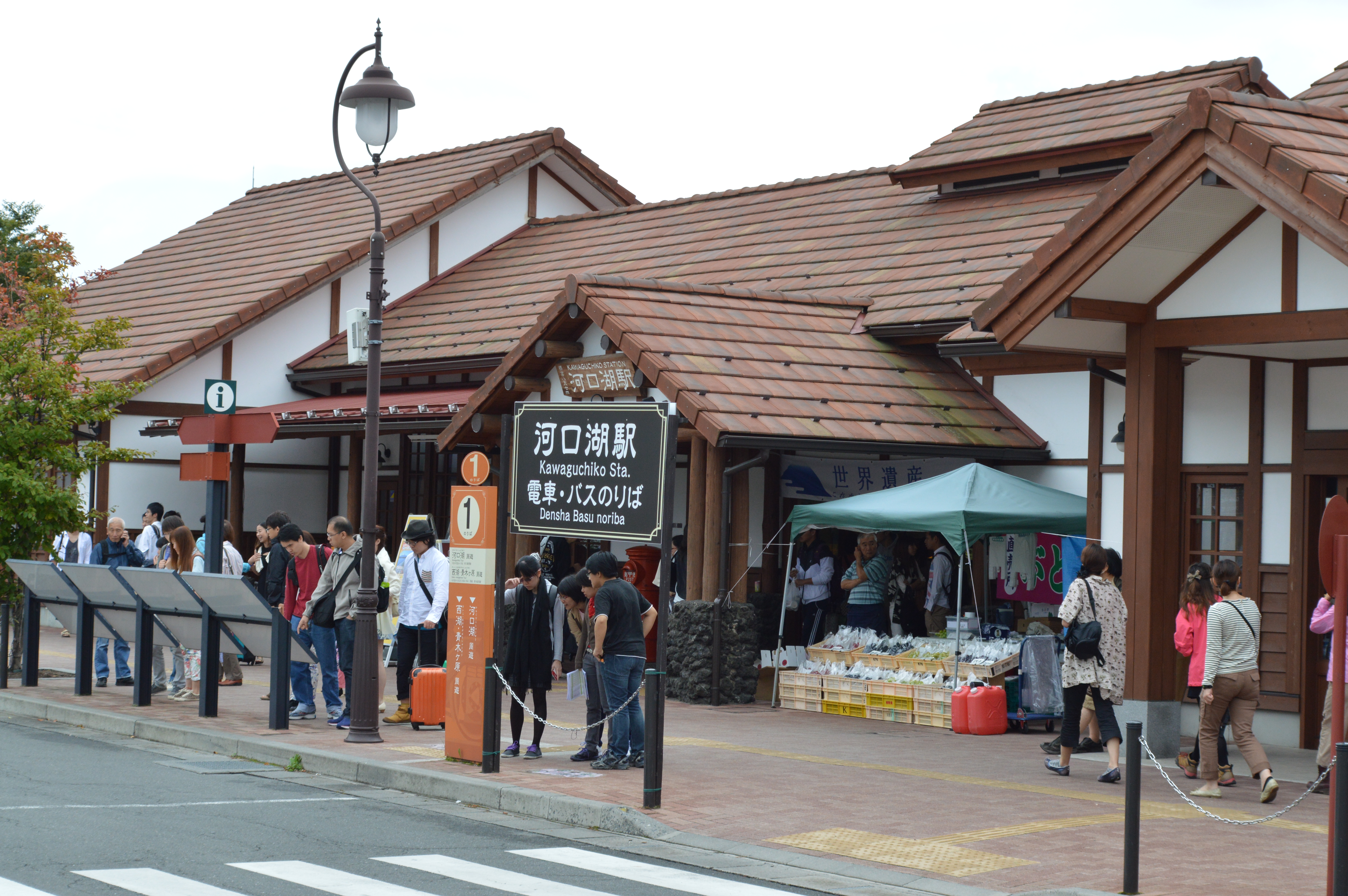
Our journey continued towards Hakone in Kanagawa Prefecture, as we prepared to leave our comfortable hostel in Kawaguchiko. Masuo dropped us off at the train cum bus station. We caught a local bus to Gotemba. En-route, we passed by a theme park with views of Fuji and the dense cedar forest of Sengen Shrine in Fujiyoshida town, the traditional starting point to climb Mt Fuji. The road wound through forested areas and small towns. We passed glassy Lake Yamanaka, the largest of the Five Lakes. However, today were a grey and cloudy day and no views of Fuji. At Gotemba, we purchased a convenient 2- day Hakone Free Pass which entitled us to use various modes of transportation within Hakone area. We caught another bus to Togendai, near Lake Ashi, “Ashi-no-ko”. The journey passed through some lovely open areas with undulating meadows covered in beige mass of flowing grasses – “Susuki”, Silver grass. Looking at them dancing in the mist is soothing. After negotiating through scenic Sengokuhara town, we reached our palatial hotel in Tōgendai. It was massive and white. It was our first western style bed. Our large room had a commanding view of the green pine forest, gray lake and the surrounding undulating mountains.

“ ….hotel was a white dot amongst a green and grey backdrop” – Navindd

untitled-141untitled-144

untitled-143

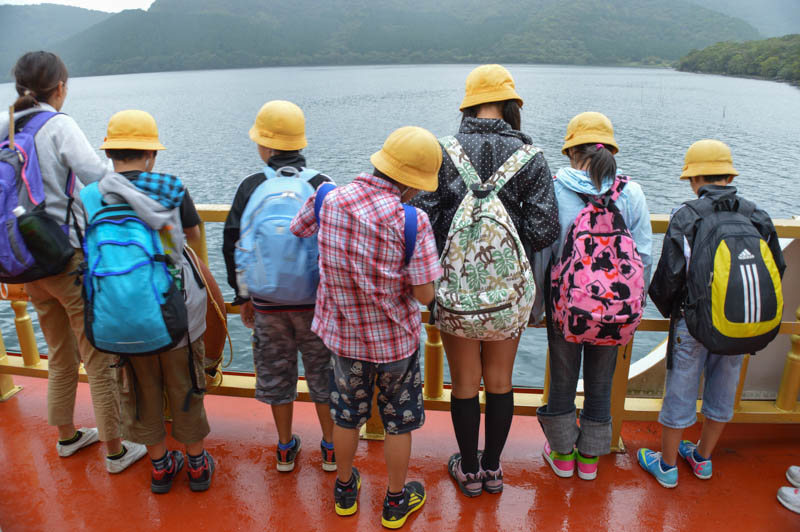
We walked to the pier and hopped into a boat to sail across the caldera lake. For company, we had heaps of wide- eyed kids with minders in tow on a school trip. With colourful backpacks and identical yellow hats, they added colour to a rather dull grey and wet day. No views of Mt Fuji.

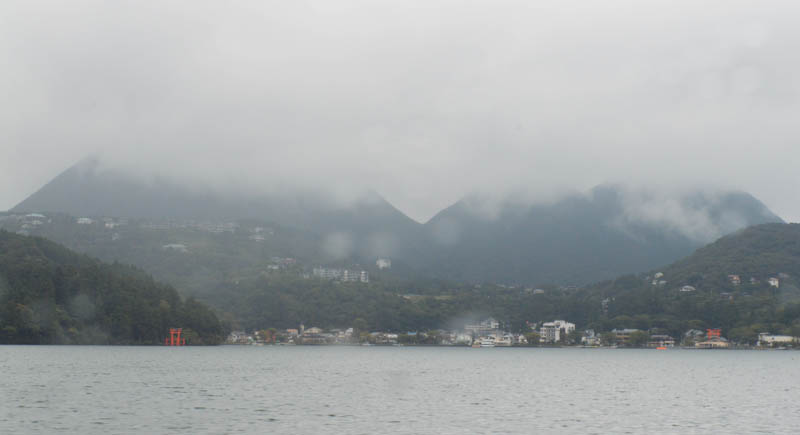
As we approached Hakone-Machi pier, the surrounding mountains were engulfed in heavy mist. The scenery was mystical. The combination of water, towns, thick forest and a red “torii” sticking out of the water was spectacular. In the shadows of rounded mountains, the coastal town of Moto –Hakone was drenched in mist and almost invisible.

untitled-147

Kawaguchiko – Onsen Experience

There is something in the water! Japan is dotted with volcanos and thus active thermal activities. Taking hot spring or “onsen” bath is an age old Japanese tradition which has now become almost religious. Onsen are spread out throughout Japan but some are valued highly for its water quality and ambiance. The old ones usually do. There are several ‘types’ – indoor and “rotenburo”, outdoor (open air); gender separated and mixed; simple and intricate; family and communal; public,”Sentō” and private (as part of a ryokan). Indoor pools can be tiled or wooden – cypress, oak, cedar. I was looking forward to indulge in this tradition. Navindd and Lee Cheng were apprehensive, nakedness is involved!


DSC_0312

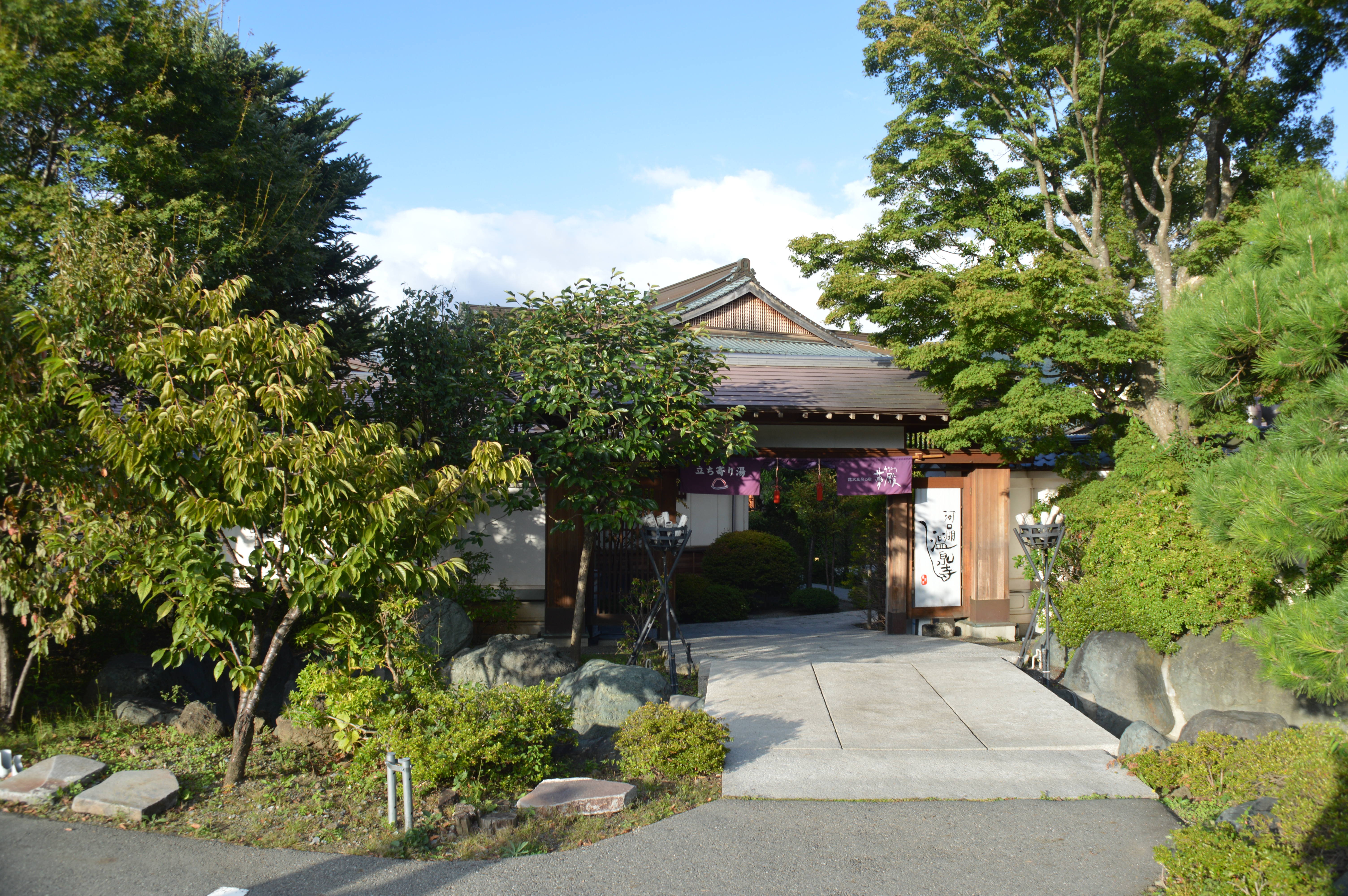
My first was at Kawaguchiko. After the long accent and decent on Fujisan, it was only appropriate that I soak this battered old body in a nice hot spring. Near to our hostel is a five star ryokan, Fuji Onsenji Yumedono, which offered its “onsen” facilities at ¥900 (discounted rate). The entrance is landscaped with dense vegetation and wooden buildings. The narrow walkway with lanterns led to a reception hall. First, remove the shoes/slippers and slip on an indoor footwear which were all neatly arranged facing inwards. Here the “onsen” is gender separated with large red (women, “Onnayu”) and blue (men, ” Otokoyu”) “noren” , curtains with a ‘yu’ symbol. Then, to the changing room, “Datsuijo”. There are strict etiquettes’ to follow in an “onsen” experience. Removed all my clothing and left them in a tray. Entered the hot pool (this was an indoor pool). It was steamy with a few people around. There are a few taps with basins and stools along a wall. Here, it is required that one takes a bath, completely scrubbed with soap and washed down (seated, I might add). Now, I entered the hot pool. It was certain HOT! The hot shower did help to acclimatise to the hot spring water. Clothing’s, including towels are not allowed to touch the pool water. Gradually, my whole body was immersed in the mineral water. My body relaxed and sensual appeal of a hot bath set in. I noticed that the men around me had a small towel, “tenugui”, either on their heads or on the side. Basically, it is used to cover the genitals when out of the water. I had none.

The essence of being naked is that all are equal, no boundaries – no differences in status, profession, wealth, etc. I like this ideology. Sweat poured out. I needed another shower. Then, back into the soothing pool again. Just outside the bath rooms, is a large raised wooden platform. Time for pause, sip some tea and to reminisce on my first Japanese “onsen” experience. It was comforting, calming and sedative. I returned the following day for another session. Hakone is a popular “onsen” region with numerous resorts and traditional ryokans. The initial euphoric feeling remained with each experience as we travelled. Immersing oneself in this Japanese tradition is essential and definitely rewarding. Next time, an outdoor or even, perhaps a mixed “onsen”?

“The “onsen” experience is not just entering a hot bath but is much more although subtle – it is the cleansing of the body and mind; a healing place; take time to slow down in a rushed world; recharged as fatigue dissipates; perhaps, in such a place – a zen enlightenment may occur?”

Cycling round Kawaguchiko Lake – 3

untitled-131 untitled-132

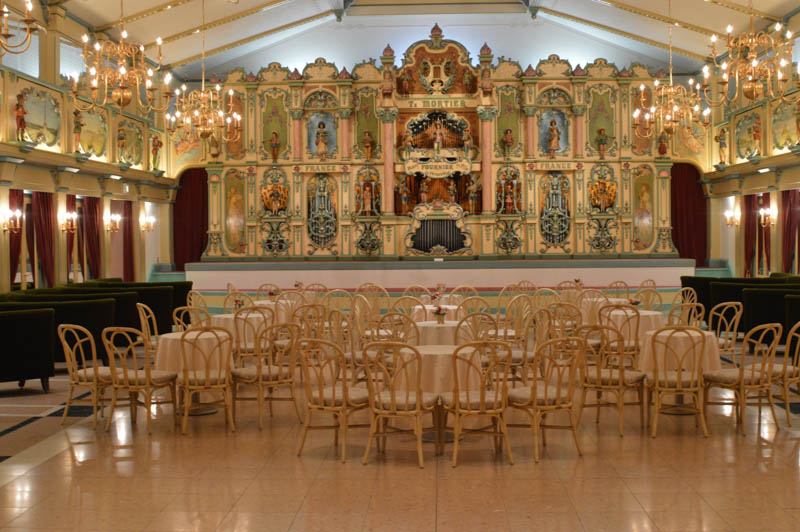
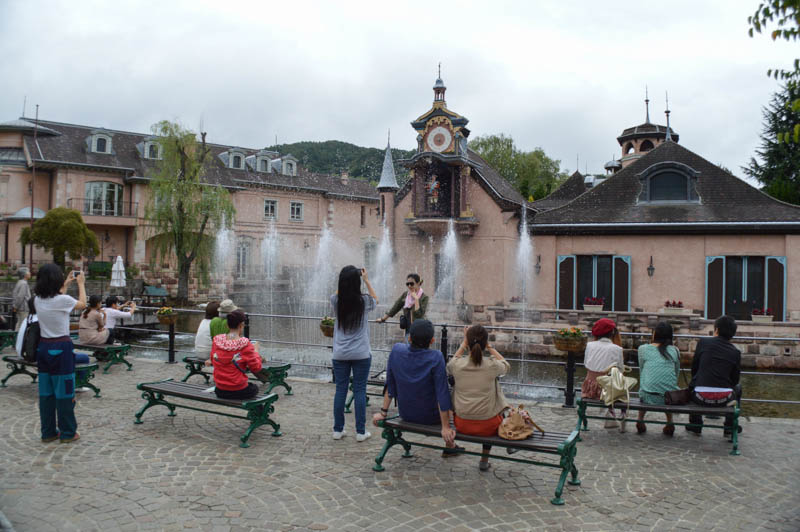
Our last stop was the Music Box Forest – a small musical theme park not quite Japanese. An array of musical instruments from the past, imported from around the world, was on display and in fantastic working order. It was quite amazing – organs, violins, jukeboxes, chimes and even a hand-driven music box. The exterior is decorated with manicured gardens, canals and a spectacular musical water fountain. There is also the essential gift shop. The views of the lake, with obscured Fuji, are quite remarkable from here especially during cherry blossom as these trees occupy the waterline. After a six hour ride, we headed back to our hostel, wet and a little bit cold. Nevertheless, it was a great outing indeed. We were later informed that a passing typhoon some distant away was the cause for this gloomy and rainy weather.

“You would have thought this place was in France if you didn’t know where you were!” – Navindd

“……we cycled on through light drizzle, wind in our faces and our bodies warm from the movement. We cycled through flower farms, forests, tunnels and alongside the lake the entire time” – Navindd

The Japanese couple we met at lunch suggested that we have dinner at an authentic local restaurant. Armed with a map, we made our way to an unfamiliar part of town. It was a long walk but managed to locate this place. It was small and with some broken Japanese and usage of the menu, we managed to order some meals. As usual, it was quite good and we were the last patrons for the evening. Fulfilled, we walked back slowly to our hostel. This was our last day in Kawaguchiko.

“The entrance, decorated with ‘noren’, Japanese sheets of decorated cloth on doorways…..” – Navindd
untitled-135Next morning, I looked out of my room window. It was bright. My excitement grew as I wondered if Mt Fuji would emerge from the clouds. I walked towards the main road. There it was, still hidden in a shroud of thick clouds, the summit was clear. Just the mere sight had raised my spirits. I could imagine how it would have touched – all the poets, sages, scholars and ordinary men and women. The thought that we had climbed it came as a relief as well as respectful and humbling. Within moments, Fujisan vanished.

untitled-137

Cycling round Kawaguchiko Lake -2

At the entrance past a huge clock, magnificent coloured images of Fujisan in varying light conditions and seasons were displayed. I looked out across the lake and could only see Fuji’s base barely visible in black and white. This is also a major stop for tour buses. Jars of blueberry jam and more were displayed on the shelves. We relaxed with a nice light meal near a pergola. We continued cycling close to the water’s edge and passed small patches of wild flowers and rice fields. Straws of rice hung upside down on wooden poles to dry. At one stage, the pathway was completely covered with undergrowth and sedge grasses. With a little effort, we continued along this shoreline. Where there were no paths, we detoured towards the main roads. We cycled past several capes and bays along the shore. Picturesque settlements dotted the shoreline. Once we had passed the Koyo Tunnel, the stretch of road was covered with evergreen trees on either side and was pleasant to ride. The damp weather continued and the skies stubbornly grey.

untitled-119

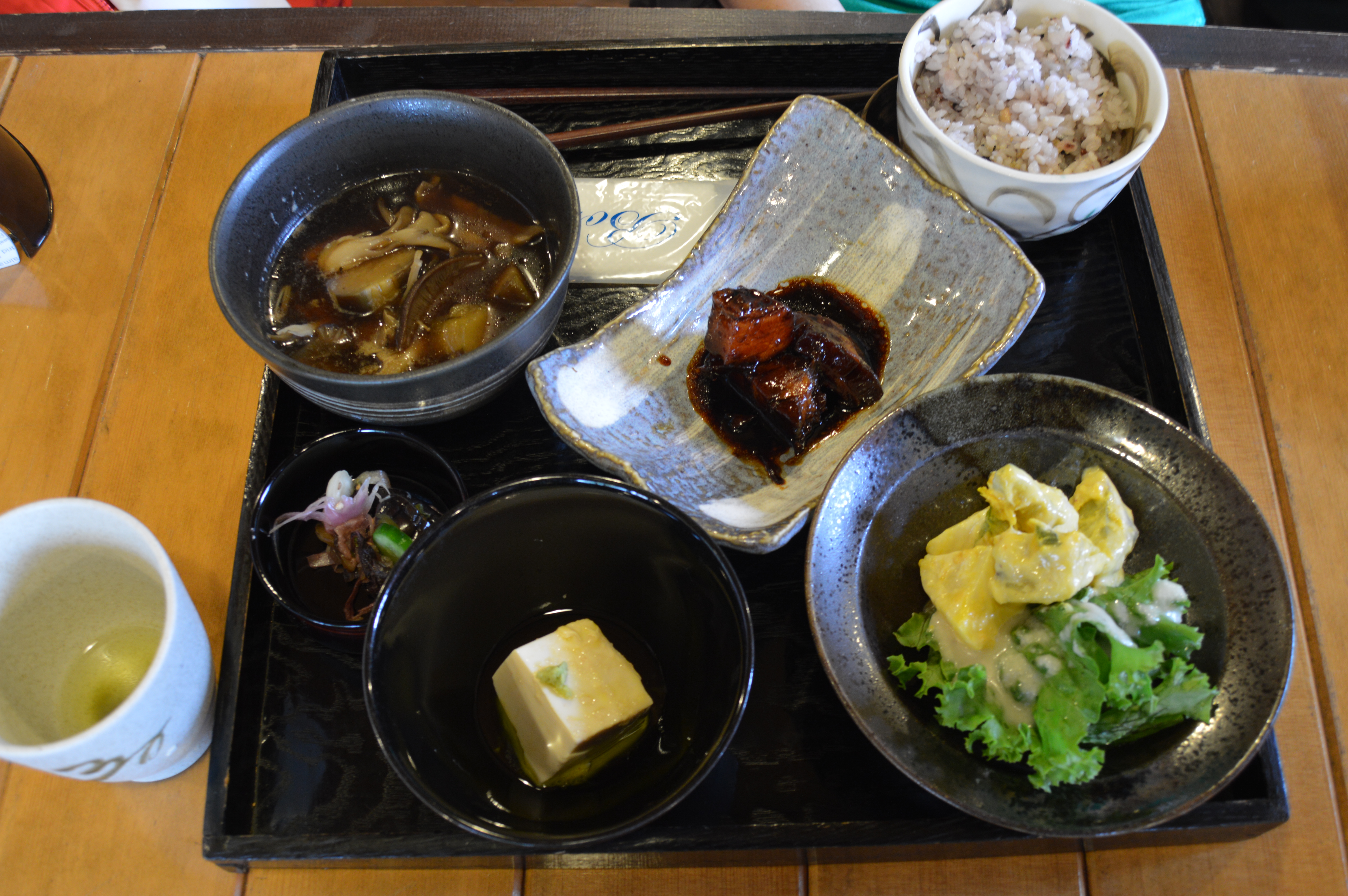
Along the main road, opposite a shrine, was a delightful eatery. It was small but had fabulous views of the lake and the rocky outcrops floating on the water. With our shoes damp and clothing wrapped under the rain coats, we decided to stop for lunch. The hostess could not speak any English. However, a congenial couple next to us acted as interpreters. There was only one fixed lunch menu – pork belly. I requested for a vegetarian option. The hostess obliged.

untitled-123 untitled-120 untitled-126 untitled-130DSC_0379

“…..had only two dishes on the menu – lunch and desert……the food looked amazing. On my plate was the most delicious smelling pork belly, soup, eggs and potato salad – a scrumptious combination” – Navindd

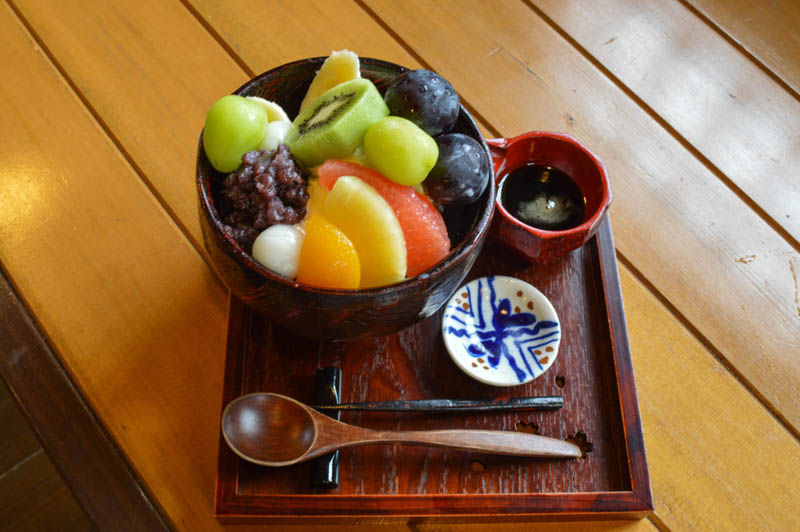
We had one of the best meals served by a hospitable hostess. The atmosphere was great –homely. It is these small eateries that are a delight when travelling around in Japan, both in cities and rural areas. As usual language barriers bring about special rapport. These are the memories that last a long time about these places. Later we tucked into some lovely sweet local deserts. We continued cycling as the day headed towards dusk. The gloomy weather continued but was pleasant to cycle.

untitled-127

Kawaguchiko – Cycling round Kawaguchiko Lake

untitled-114Next morning, I looked out of my room window across the lovely “onsen” I had visited yesterday. The sky was grey and drizzled intermittently. Kawaguchiko is an excellent place to view Mt Fuji but not today. I wandered off to the lake’s edge. A couple of fisherman had cast their line and waited patiently. Fine early morning mist descended onto the lush green mountains and the Kachi-Kachi – Yama Ropeway was barely visible. I walked across the Kawaguchiko Ohashi Bridge over a misty lake. A few fishermen on tiny boats headed towards their favourite spots. There was hardly any road traffic this morning. Only the sounds of bird calls and the hum of the motorised fishing boats broke the silence. I felt a million miles away from the hustle and bustle and neon lights of Tokyo. However, it is only a two hour train journey to get here. This place exudes tranquillity and is reminiscent of a lake resort.

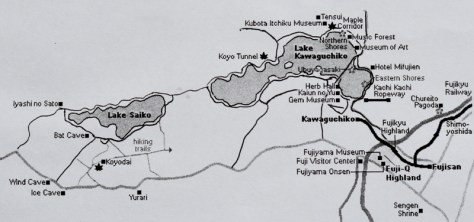
We hired some bicycles at the hostel to explore the lake’s surroundings. Lake Kawaguchiko lies within the Fuji Five Lake, “Fujigoko” region. The other lakes are Saiko, Shojiko, Motosuko and Yamanakako. One common feature of all these lakes is it offers best viewing opportunities of Mt Fuji and its reflection on the lakes. There were few vehicles on the road this morning.

untitled-112

We crossed the bridge which I had visited earlier this morning, and just followed the road left onto the northern shores. Where possible, we stayed close to the shore. We cycled along a narrow paved pathway under drooping willows and maple trees. This narrow lane is a favourite during the cherry blossom and autumn leaves colour when in season. We were excited to see just a tiny bit of autumn leaves colour. This site is one of the many views of Fuji- san reflected on the water.

untitled-115 untitled-111 untitled-117 untitled-116

Today, only the wide base of Fuji was visible. It started to drizzle yet again. We rode in the rain. Unfortunately, Lee Cheng fell off the bike near a hotel. Fortunately she recovered with a slight bruise. Along the pathway, there are a few small parks to rest and wander around. We passed rows of neatly manicured lavender bushes. Blueberry is also popular here. We had arrived at the Oishi Natural Living Center.

“….on a clear day you could see Mt Fuji. Sadly, when we arrived, the weather was not on our side as all we could see were angry black clouds” – Navindd

Kawaguchiko – 1

DSC_0089

DSC_0228

From Kawaguchiko Train Station, we were picked up by our hostel’s staff, Masuo. There were no views of Fuji here. Tired but elated to have completed our trek to Fujisan’s summit lingered in our minds. But I was glad it is over. Our room is a typical Japanese setting – “tatami” floor with “futon” beds. Our immediate task was to dry out all our wet clothing from the hailstorm on the summit. The sun shined brightly. The atmosphere at the hostel, located near Kawaguchiko Lake, was relaxed with plenty of spaces to unwind. It was clean, neat and tidy with kitchen and washing facilities.

DSC_0319

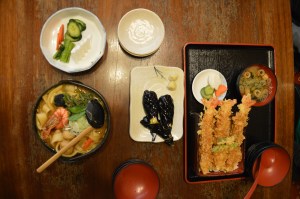
To unwind, I headed to a nearby “onsen”, my first traditional hot bath. This place is an upmarket “Ryokan”. There are strict etiquettes to follow – one being naked in the bath. I was very comfortable. It was soothing to relax the tired limbs and muscles in the hot mineral bath. Navindd and Lee Cheng opted to have a nap. In the evening, we tasted a local delicacy – “Hoto”, a noodle dish in a very popular eatery. We topped it up with seafood “tempura” and pickled vegetables. Fortunately we did not have to sit cross legged. Conveniently, under the table is a dugout where the legs can dangle. The meals were wonderful with an ambient setting. It was a nice way to end a tough but memorable and epic day. Back at the hostel we made our beds. Sleep came easily.

Mt Fuji , Fuji-Yoshida trail – 3

“Then, the final torii or gate stood in front of us, marking the summit. We ran up the stairs with new found energy and joy. Everyone was shouting happily and hugging each other, the cold was forgotten” – Navindd

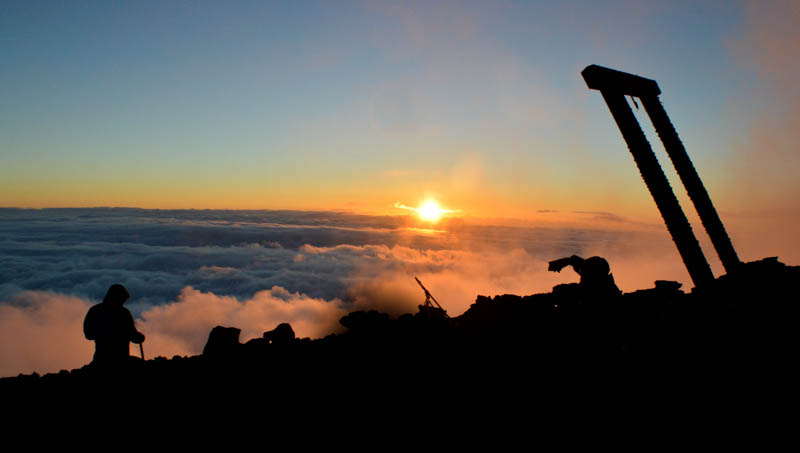
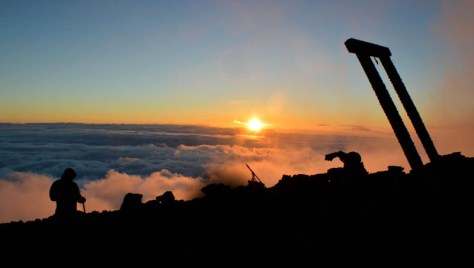
Slowly but surely we forged on guided only by light from our headlamps. Some trekkers were slumped on the ground with exhaustion. Altitude sickness is a serious issue. The steepness continued. The icy wind battered our faces. Gradually, the night sky turned to deep blue and the horizon was visible. However, heavy clouds prevailed. At 0430, we reached the white “torii” guarded by two marble lion statues. The last leg was a series of steps. We had reached the 10th station, the summit. A cluster of buildings occupied the narrow space including Kushusi Jinga shrine. Today’s few trekkers rested here. All the buildings were shut but rattled in the blowing wind. Tiredness from the walk vanished and our bodies magically seemed revitalised. A sense of having arrived came upon us. Navindd and I walked higher to the crater rim. A series of peaks surrounded the crater with the highest being 3776m. A thick fog engulfed the summit. Within minutes, the deep crater was invisible. Our hands were frozen. A glow emerged between the clouds and the grey sky. For a few precious minutes, we witnessed a magnificent sunrise – “Goraikō”, meaning “arrival of light”. The white clouds below turned to a sea of blue. Two Japanese hikers hailed at that sight. Moments like this, I truly appreciated the holiness of Fuji.
untitled-92

Suddenly, the summit was completely engulfed with dense clouds and a relentless icy wind descended. A hailstorm erupted. With no shelter available, we hastily descended on a slippery rocky trail. The wind and ice battered down mercilessly. Dawn was illuminated but no sunlight. Only a grey cocoon with falling icy stones. After, over an hour’s walk, we sought refuge in a hut. The staffs were in their final stages of packing. With hot drinks in our hands and sheltered, we felt warm. Windows and doors shattered in the wind.

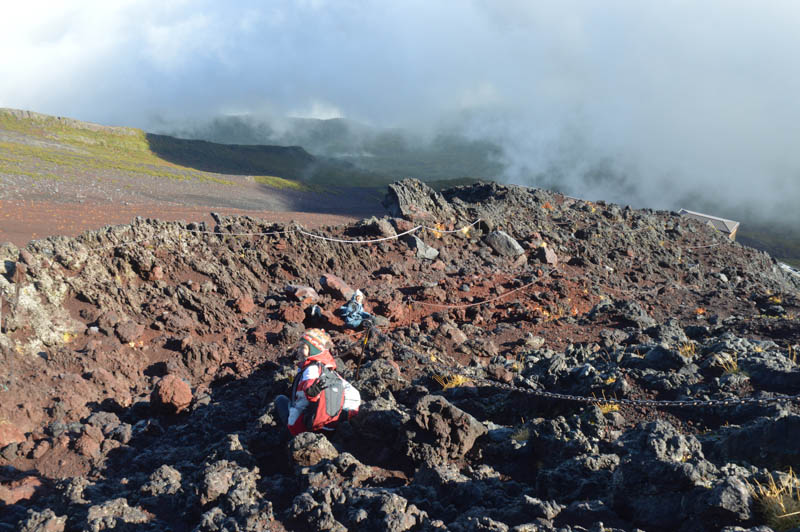
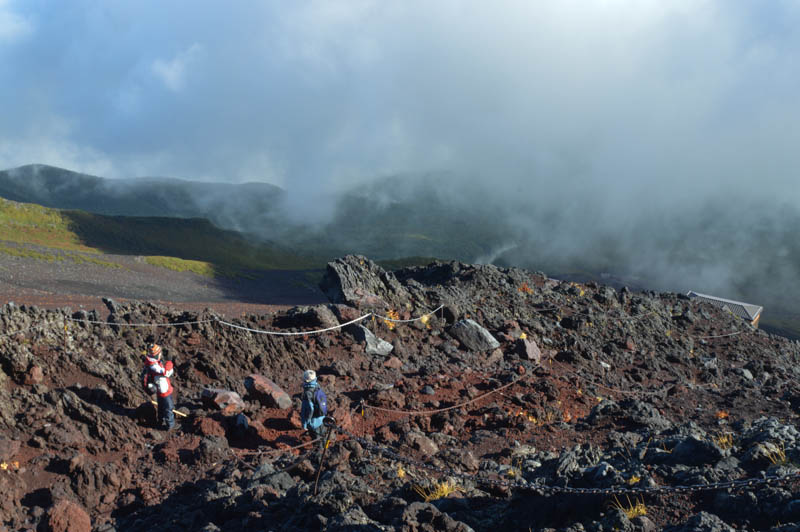
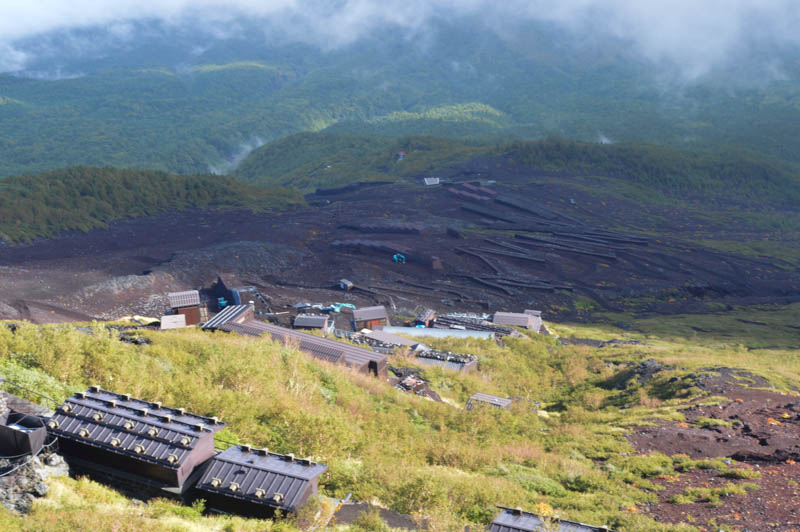
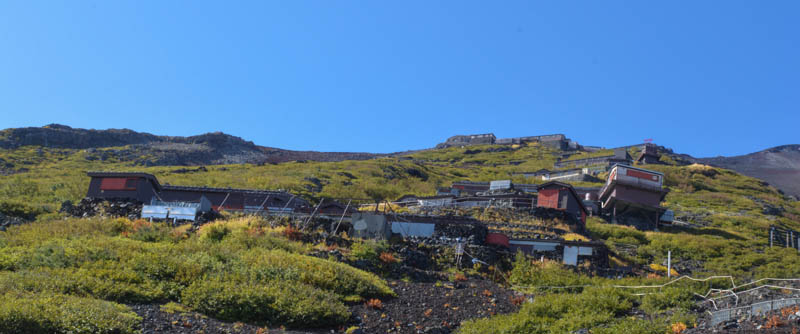
Eventually, the two hour storm subsided. The sunlight on my face was bliss. Everything was now crispy and clear. The sight of the soft morning light on the shrubs, the lunar-like reddish surface and the green pine trees below were uplifting. As we descended, Navindd alerted me to the moon that was just descending behind Fuji. We retraced our trek downhill. We had time to appreciate the terrain we had walked earlier in darkness – the steep rocky slopes, the link chains and ropes, huts, flora and the grandeur of the mountain.

untitled-94 untitled-95 untitled-97 untitled-99

Looking back towards the summit, it had indeed been a pilgrimage on a holy mountain. The cold, icy wind and terrain is now etched in our memories as an experience to savour. It is especially special as we had done this as a family. I am proud of Navindd and Lee Cheng.

“we were so high above the clouds that when we looked up, all we could see was the blue sky, a burning bright sun and the peaceful moon – all in one picture” – Navindd

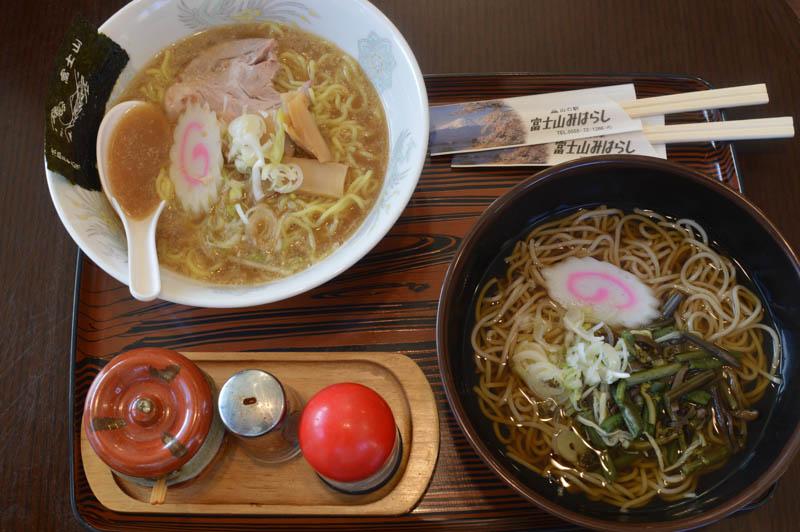
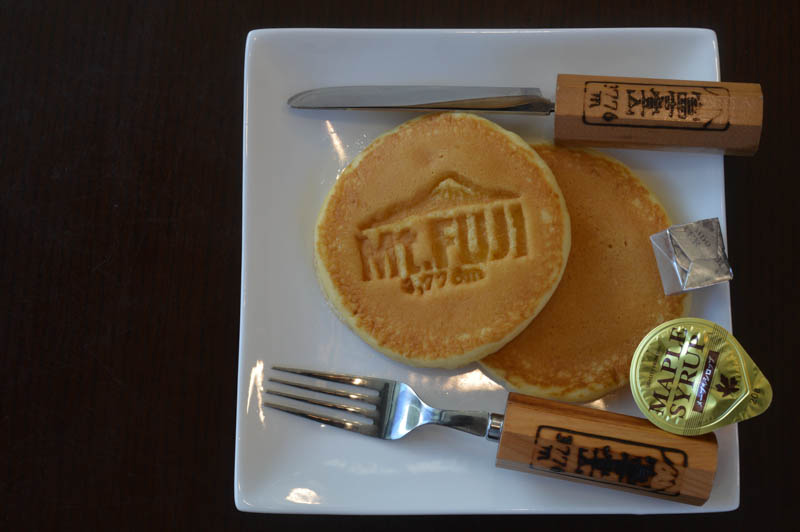
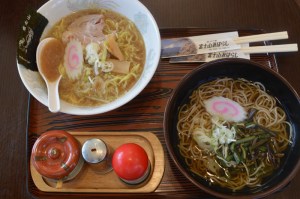
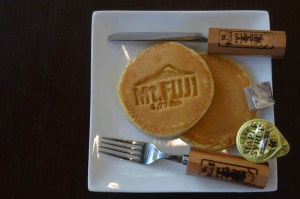
Today, Fuji relented. This journey would be one of the enduring moments of our lives. With minimum facilities and totally self- reliant, I was anxious about climbing Fuji in the off season. However, it was worth every moment, from start to finish. After descending for four hours, we surrendered to “ramen” and pancake at the 5th Station. We left by bus to the lake town, Kawaguchiko. I looked back at the holy mountain; it was no more – once again, wrapped up in a greyish-white soft cocoon. It was meant to be!
untitled-102 untitled-103