Category Archives: Japan

Fujisan trek journal excerpts

23/09/2013
left 5th Station around 1300. Bright sunny and clear day. Reddish slope of Fuji visible. At the base green tree belt but disappeared later. Flora changed to short shrubs and sparse.Trail zig- zagged uphill. Several huts, clingged to the slope.Trail, just barren volcanic rocks. Sun set behind Fuji. In shadow, temperature dropped. Reached Stn 8, Hakunsoo Hut at 3000m around 1700. Rest, eat and Sleep. Good walk, all three in good condition.

24/09/2013
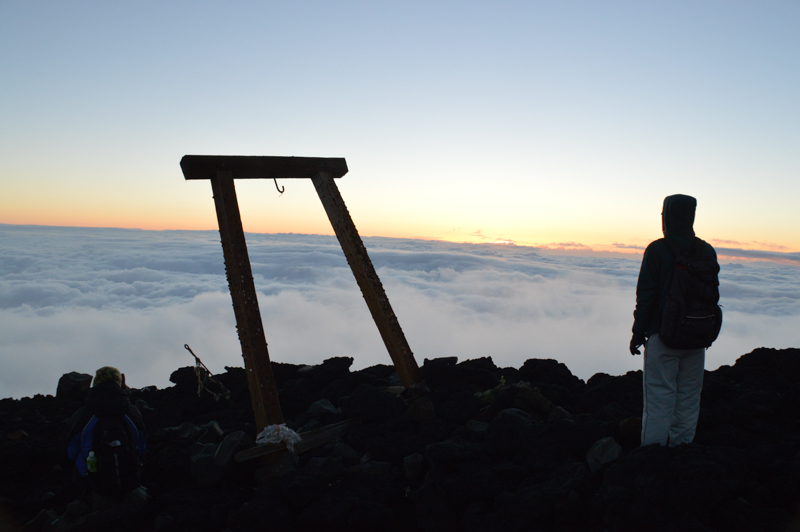
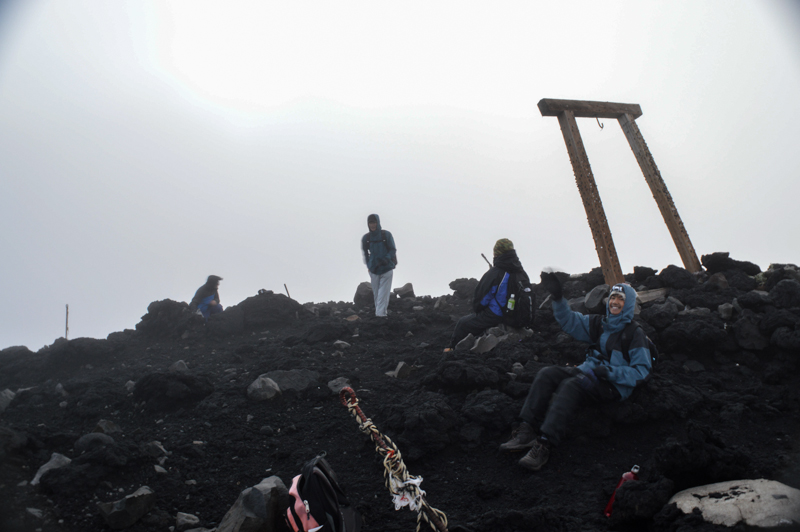
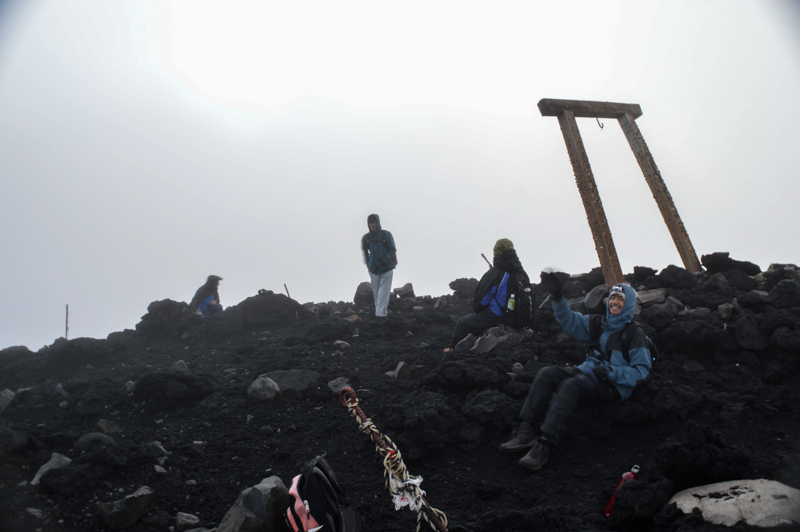
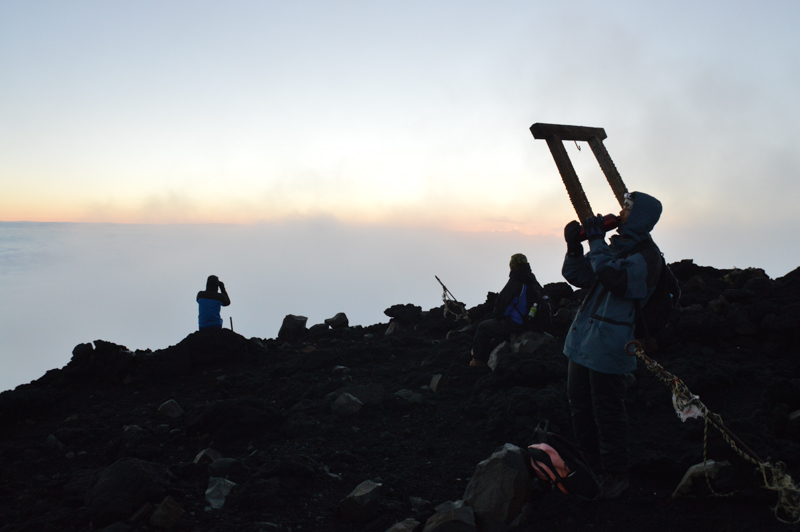
left Hakunsoo Hut at Station 8 around 0130. Other trekkers, all Japanese + 1, around 20 had just left. Pitch dark and icy cold. Slight wind. Only light from head lamps. Trail clear to follow but uneven. Volcanic rocks. At times crawling on all fours. Navindd resilient. Aware of altitude sickness. Some trekkers struggling to breath. Nearly collapsed. Ropes and chains at places. Sometimes vertical climb. Footing need to be good. Uneven rocks. Smooth rocks and slippery. Slightly bright below clouds. Crossed red torii at Stn 9. No idea of time. Pressed on. Navind in good condition, Lee Cheng and I managed slowly but surely. Sight of white torii.
DSC_0260 DSC_0269 DSC_0270 DSC_0272

“You can’t see the mountain when you are on it. Just the unpredictable clouds, rough and uneven rocks and sometimes boulders, steep terrain, fatigue and relentless icy wind, breathlessness, and for good measure altitude. I loved every moment of it”.

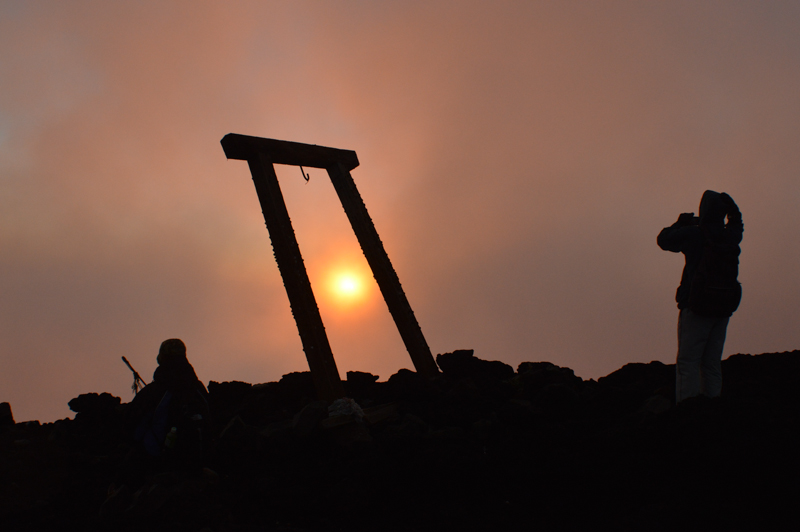
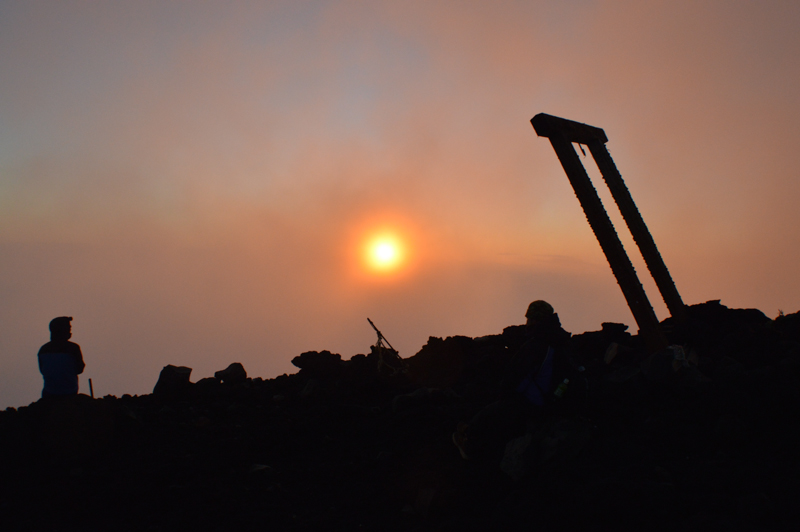
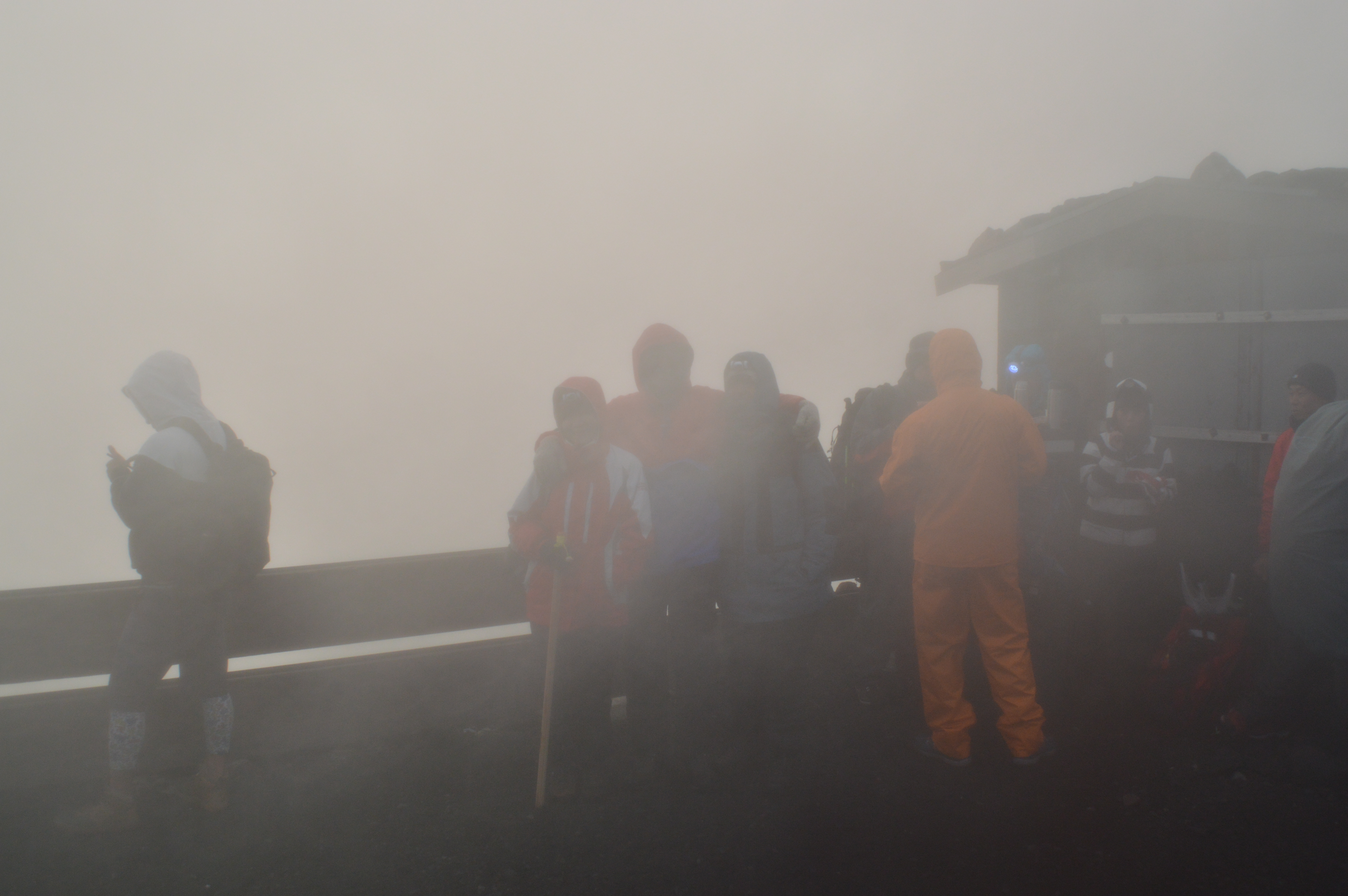
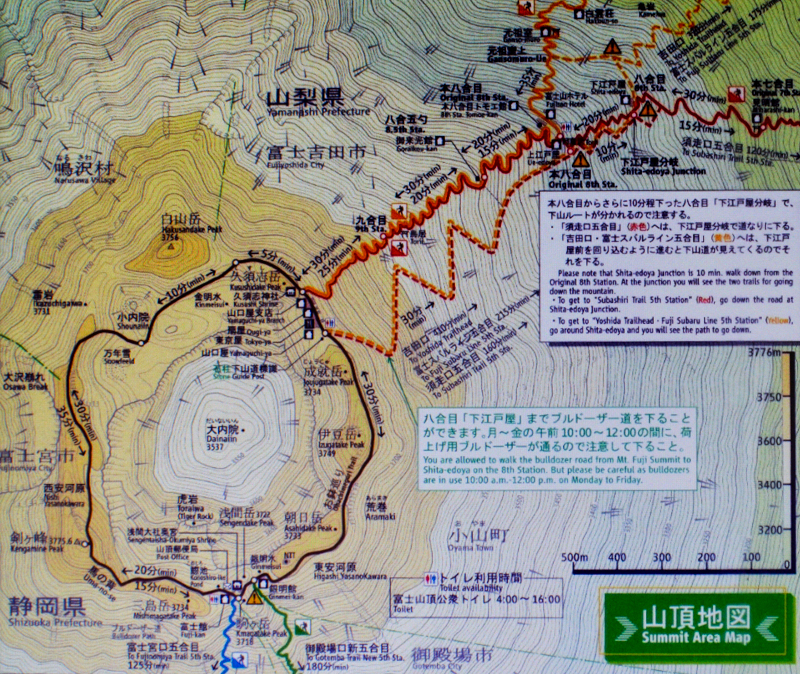
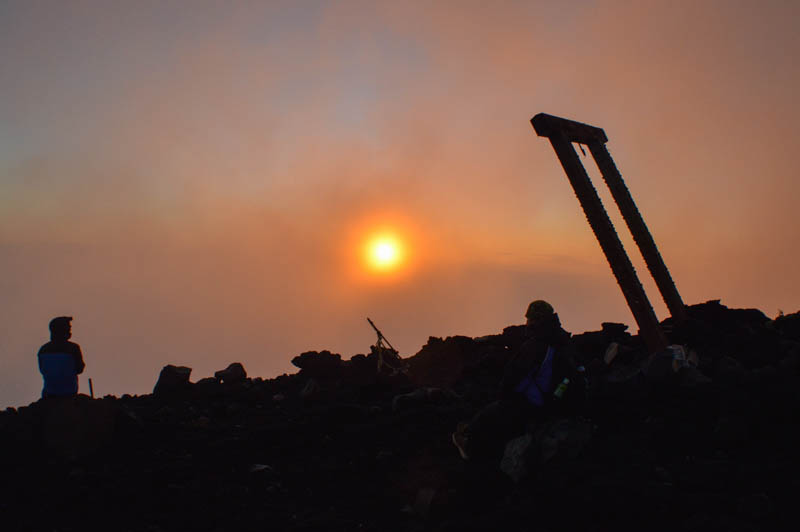
Arrived at the summit, just past the white torii, around 0430. Clear but icy cold wind. Explore 10th Station – Buildings shut. Vending machine! Temple. Walked up to the crater rim. Not highest but highest point 3776m. Clouds bright but sun still below. Heavy mist descended and receded continuously. Hands freezing even with gloves. Crater visible, merely 30 seconds and vanished. The horizon changed hue, colour and brightness constantly.

untitled-89 untitled-90 DSC_0276 DSC_0277DSC_0283 DSC_0284

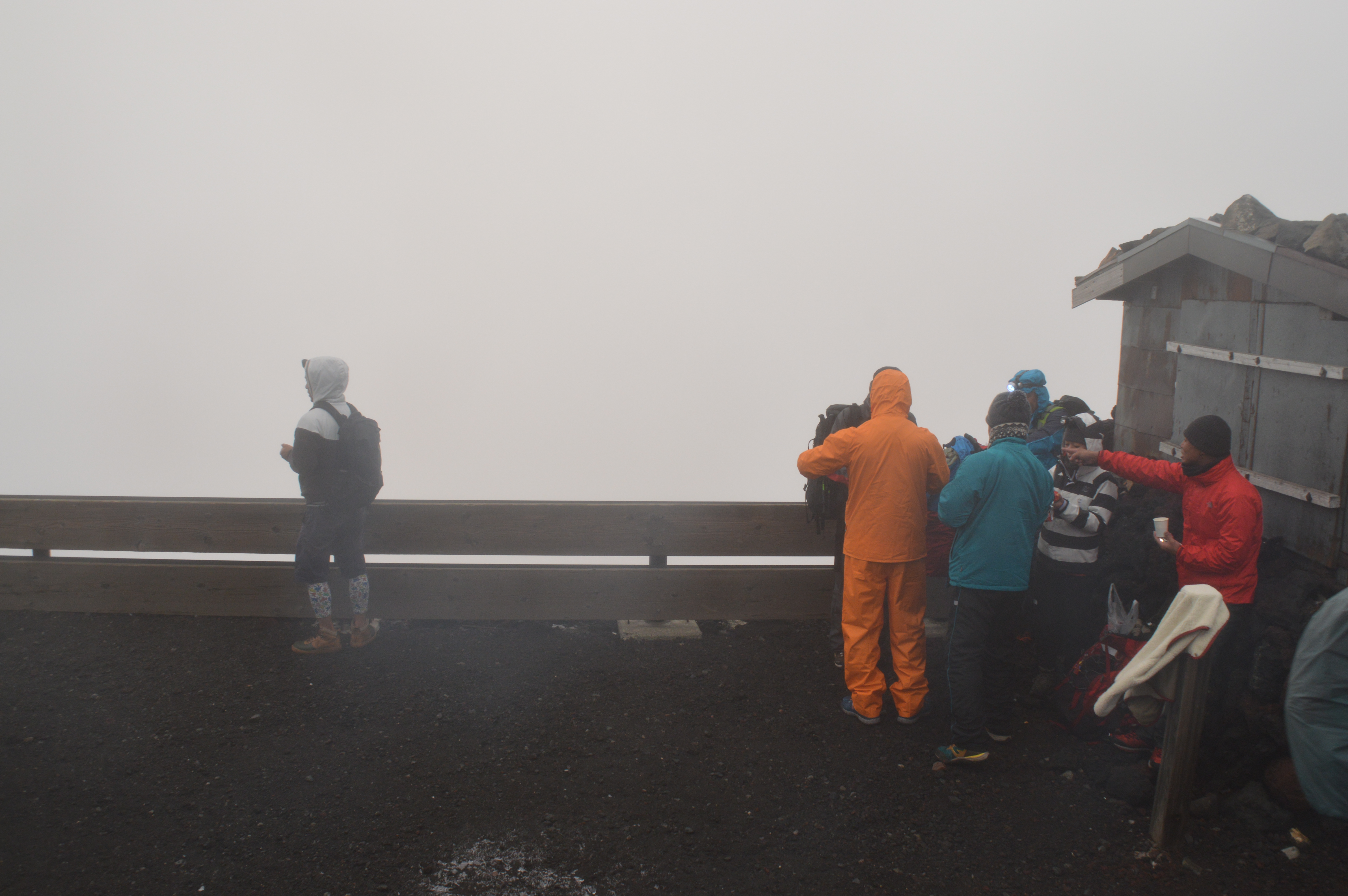
Finally, the sun emerged above the blue clouds – Goraikō, lasted less than 3 minutes. Cheers of joy. Weather turned, darkened clouds. Descended to the base. Family photo blurred by dense clouds that immediately burst into a hailstorm. Haste retreat downhill. Trail slippery at places. On fours at times. Pelted with ice and ferocious wind for over an hour. Well protected with our gear. Only faces exposed. One hut shutting down was open. Hot milo and shattering windows. Storm stopped, bright sunny and clear day. Path, terrain and vegetation now detailed. Tree line visible. Moon just set behind Fuji. Good walk to 5th Station. Kudos to Lee Cheng and Navindd. Proud day for us.
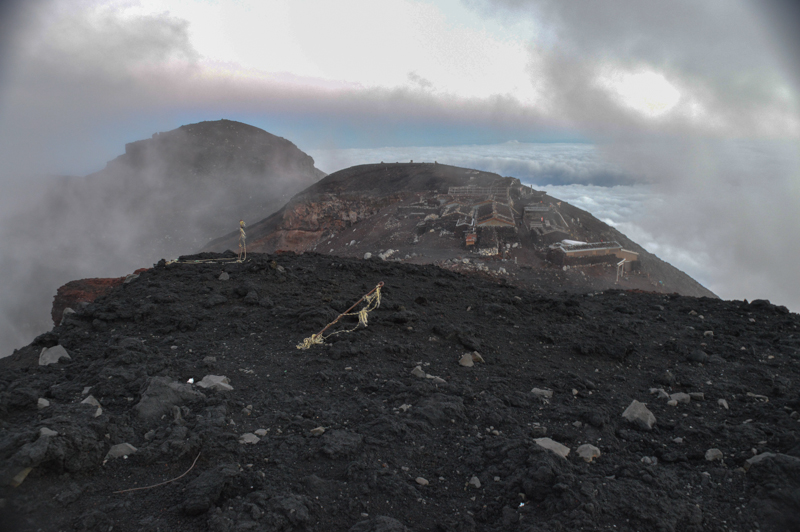
Mt Fuji, Fujiyoshida Trail – 2

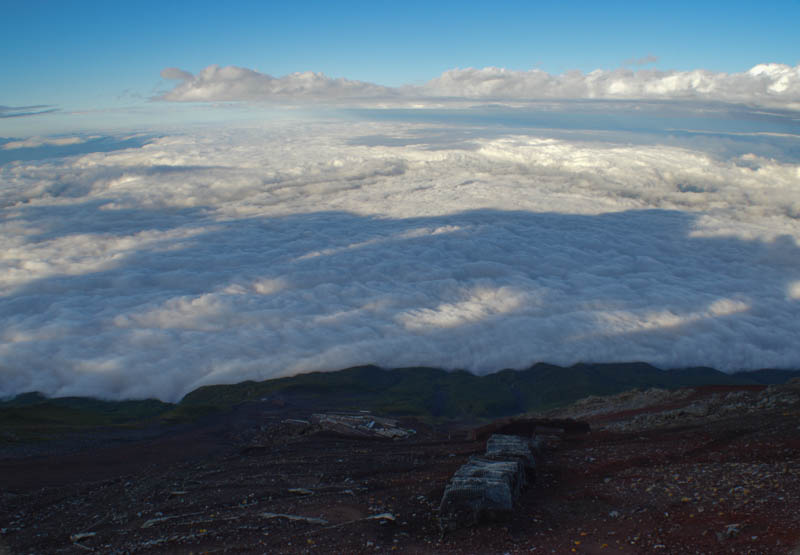
As we entered the hut, we were greeted by about two dozen weary but jubilant trekkers. Natsuko, an English speaker with whom I had booked the hut earlier, grinned brightly. There was one foreigner and the rest Japanese. We warmed up at a small fire place. The hut was basic but adequate. The atmosphere was cosy and jovial. One trekker called out to me to come into the cold and windy exterior. I braved the elements and witnessed the auspicious “Kage Fuji”, the shadow of Fuji reflected onto the swirling grey clouds. Throughout the accent, there were rarely any views of the lakes and towns at the base of Fuji as the clouds descended. After a simple hot meal, we collapsed into our sleeping bags in a long double bunk room, with a capacity of 300, for a deserved rest and reflection.

untitled-85

I did not get much sleep as doors slammed and voices chattered in the lounge. We were up at past midnight. We dressed up in our thermal underwear, layers of shirts, pants and fleece. In the lounge, the other trekkers were already having their breakfast. I topped up my water bottle with boiled water at ¥1000 per litre. We had sushi and a hot bowl of miso soup. I staggered around neither asleep nor fully awake. Lee Cheng had second thoughts of continuing. As this hut was shutting down today, her options of staying indoors’ vanished. Alternatively, is to wait outside the hut in the bitter cold and wind with no shelter or to descend. She pulled herself and decided to trek to the summit. Our final apparels were waterproof jacket and pants, and hiking boots. When the door opened, the icy cold air hit my face. I pulled my gloves tightly and adjusted my headlamps. It was pitch dark and bitterly cold.

We started around 1.45am. Guided only by our headlamps, we walked on the steep terrain. It was slippery and footing at times unsteady. I could see scattered light trails up the mountain slope. We navigated the volcanic rocks, some sharp like razors, and negotiated large boulders. Breathlessness became frequent. Sometimes walking upright was not an option where the climb was steep and required us to be on all fours. Chains anchored to the rock were the only means to move forward. However, it was slippery and terribly icy. I was tired but breathing well. My fingers were especially cold. We passed a few huts, made from metal and wood. All tightly held down and locked. There is not even a shelter from the howling wind. Besides the closed mountain huts, rescue personnel, facilities and transportation, also does not exist. Self- preparedness for an off- season climb is paramount.

DSC_0264   DSC_0260

Walking slowly with frequent rest enabled us to acclimatise to the increasing altitude. We reached a red “torii” at 9th Station. Physically we felt good but the elements, wind and bitter cold, was a challenge. It seemed like it has taken us awhile to get here. Navindd had been strong throughout.

“Our lights shone onto the ground, and in these beams, I could nearly see the icy wind” – Navindd

Mt Fuji, Fujiyoshida Trail – 1

We were up early and caught the Chuo Line to Otsuki and the Fujikyu Railway to Kawaguchiko. This is our starting point to trek the Fujiyoshida Trail up the iconic Mt Fuji or Fujisan. The three hour train ride passed through countryside dominated by farming and rice production. A few local trekkers in full outdoor attire shared the coach with us. They looked serious and well prepared. They disembarked to the numerous trails along the way. The three of us remained.
DSC_0061

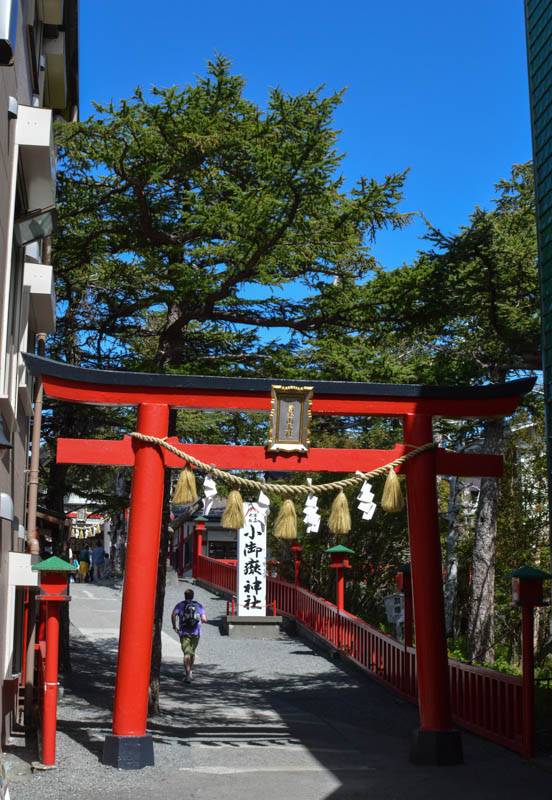
Kawaguchiko is a small town and also the starting point to the Fuji Five Lakes or Fujigoko in the Mt Fuji National Park. At the station, there were hive of activities. The day was warm and humid. No views of Mt Fuji though. We refuelled with some noodles and caught a bus to Kawaguchiko Fifth Station. It is midway as the summit is the tenth station. The easy access by road meant we saved a good five hours trek. At 2300m, it was cool with fine views of the reddish volcanic Mt Fuji’s summit. Scattered huts clung onto steep slopes. A vague trail was visible. The lowers slopes were planted with pine. A thick layer of clouds hung low below the station obstructing views of the lakes and towns dotted around Fuji’s wide base. With a quick lunch, and prayer around the nearby Komitake Shirne, we began our trek. We were excited but apprehensive. It is the off season and only one hut remained open on its last day. We left the Fifth Station, which by now had swelled with tourist and tours buses, at around 1pm. It was hot but pleasant with a blue sky. Perfect weather to walk I thought. Now this compact station was crowded with a mix of local and foreign tourist whom had arrived by the bus loads. Traffic was heavy. We were glad to leave.
untitled-81 untitled-82

We started our trek out of the Fifth Station at around 1pm. The sun was high and the blue sky promised good weather. I have this mantra when climbing mountains – the mountain is the mountain. It meant, the mountain will behave any which way it wanted irrespective of the weather or meteorological conditions. There is no bad weather if we are well prepared. Naturally extremes do happen though unpredictable. I knew there was very little help once on the mountain. I carefully itemised all the apparels and gear required. The warm weather gear included thermals, and some light food. I was not prepared to take chances with my family. We encountered some tired faces of trekkers’ descending. The marked path eventually led us out of the human traffic and into a forested area. When we emerged out into the open, a zig- zag path led upwards which inclined steeply. Past concrete retaining wall, a collection of seventeen huts clanged onto the steep reddish rocky slopes. The heat was intense and hardly any breeze. Once we passed the tree line, high altitude flora of low lime green shrubs covered parts of the slope. The exposed areas were barren rusted iron volcanic rocks. Navindd impressed me with his agility and strength. I reminded him to slow down. At these heights, altitude sickness can strike anyone. Lee Cheng and I continued with our rather slow pace with intermittent rest and drink stops. The views of the distant land below us were obscured by the dense thick clouds.

“The train to Kawaguchiko led us higher into the mountains and we could feel a significant temperature drop”  – Navindd

“Below, the dense green forest was visible, but, when I looked up, all I could see was a steep slope of arid rocks. I thought to myself, are we going to climb this?” – Navindd

untitled-98

Every hut we passed was shut and bolted down. We were alone. We walked, sometimes in silence only to the sounds of accentuated breathing, crushing movements of rock under our weary feet and the gentle breeze. We rested at a station. We seemed elevated in the sky above the clouds. Workers were busy maintaining the narrow pathways and steps. I looked towards the blinding blue sky; the summit was not symmetrical or cone shaped. A red “torii” and a white “torii”, below the summit, were visible. I was tired and anxious as the sun descended behind the mountain. Daylight faded rapidly. Temperature plunged. In the mountain’s shadow, there was a sense of urgency to move continuously. Human voices and clanging of utensils were heard. We had reached the 3200m Hakuunso Hut at the 8th Station around 5 pm. I was delighted, relieved, joyful and elated. Below the hut, a sea of swirling clouds. Though it was not a walk in the park, it’s attainable. This was our family’s first accent of a mountain. Hakuunso hut, the only one open on the mountain and on its last day as well, provided basic accommodation and two hot meals for ¥7200. Booking is essential.

Tokyo – Yurakocho

untitled-49

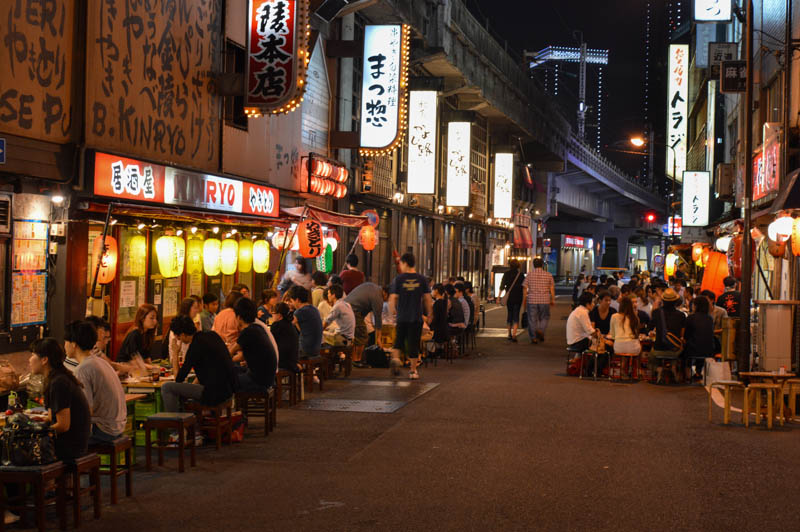
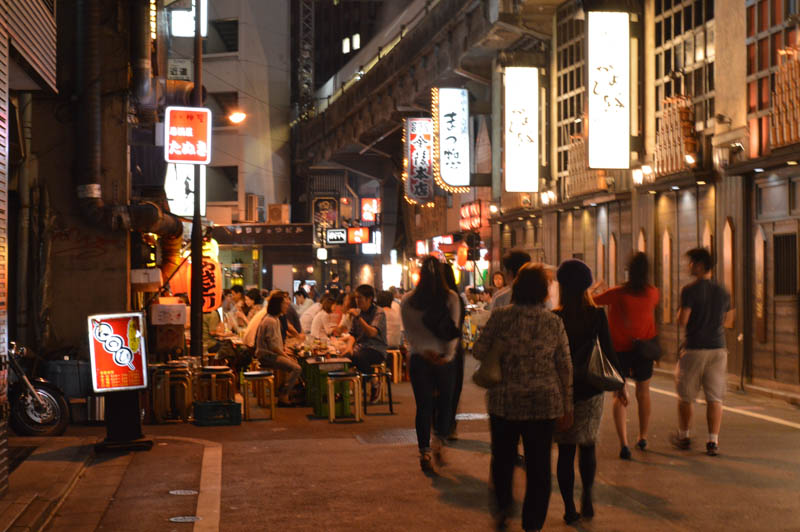
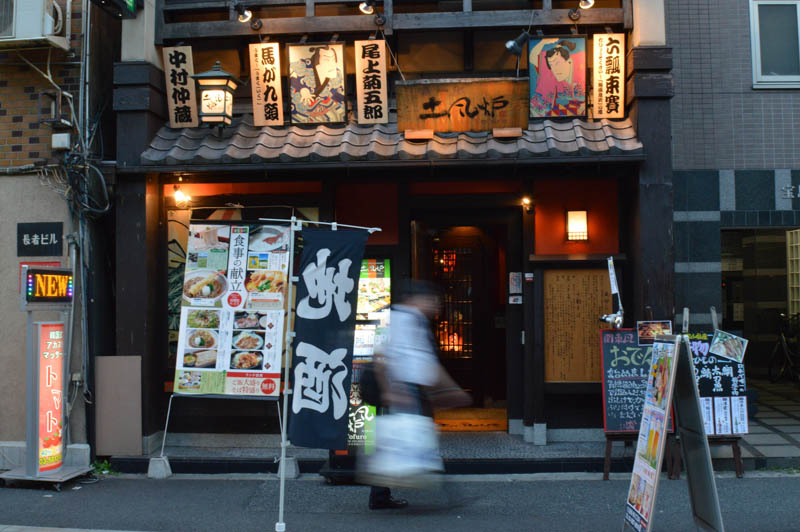
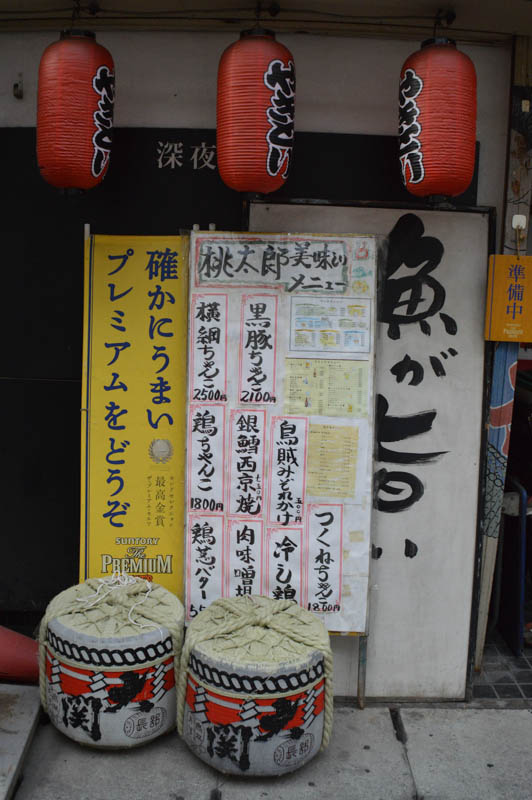
We arrived at Yurakocho by JR Yamanote Line. Past the modern train station, this neighbourhood has a laid back feel. A stretch of restaurants had been established under the Yamanote railway track, “gadoshita”. It is pedestrian only street at this time. The eateries mostly appeared to be “izakaya”, pub like or “yakitori” establishments. These are like cafes’ offering a range of snack food along with beer and other beverages. Low tables filled with steaming food extended onto the road as diners tucked in meals whilst seatted on low chairs. Red lanterns, “akachochin” hung at the entrances and the interior warm, cosy and welcoming.

“….my impression of Japan, the food was always delicious and always well- presented and all the dishes I had eaten so far had satisfied that” – Navindd

untitled-46

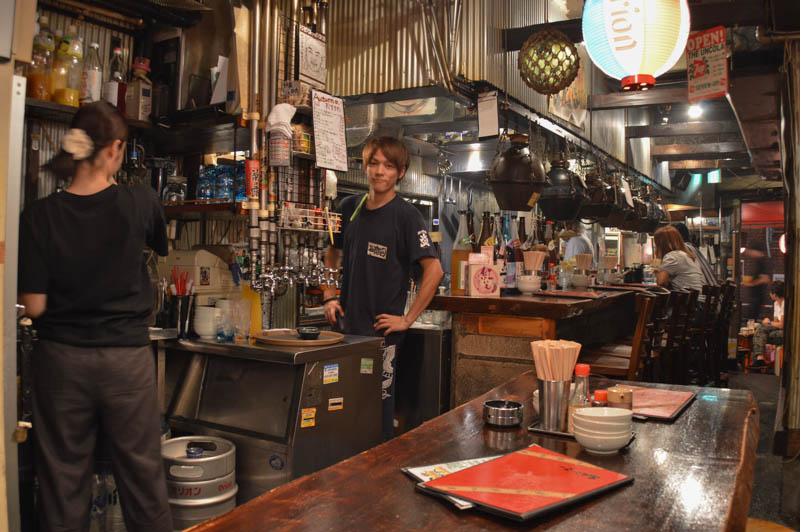
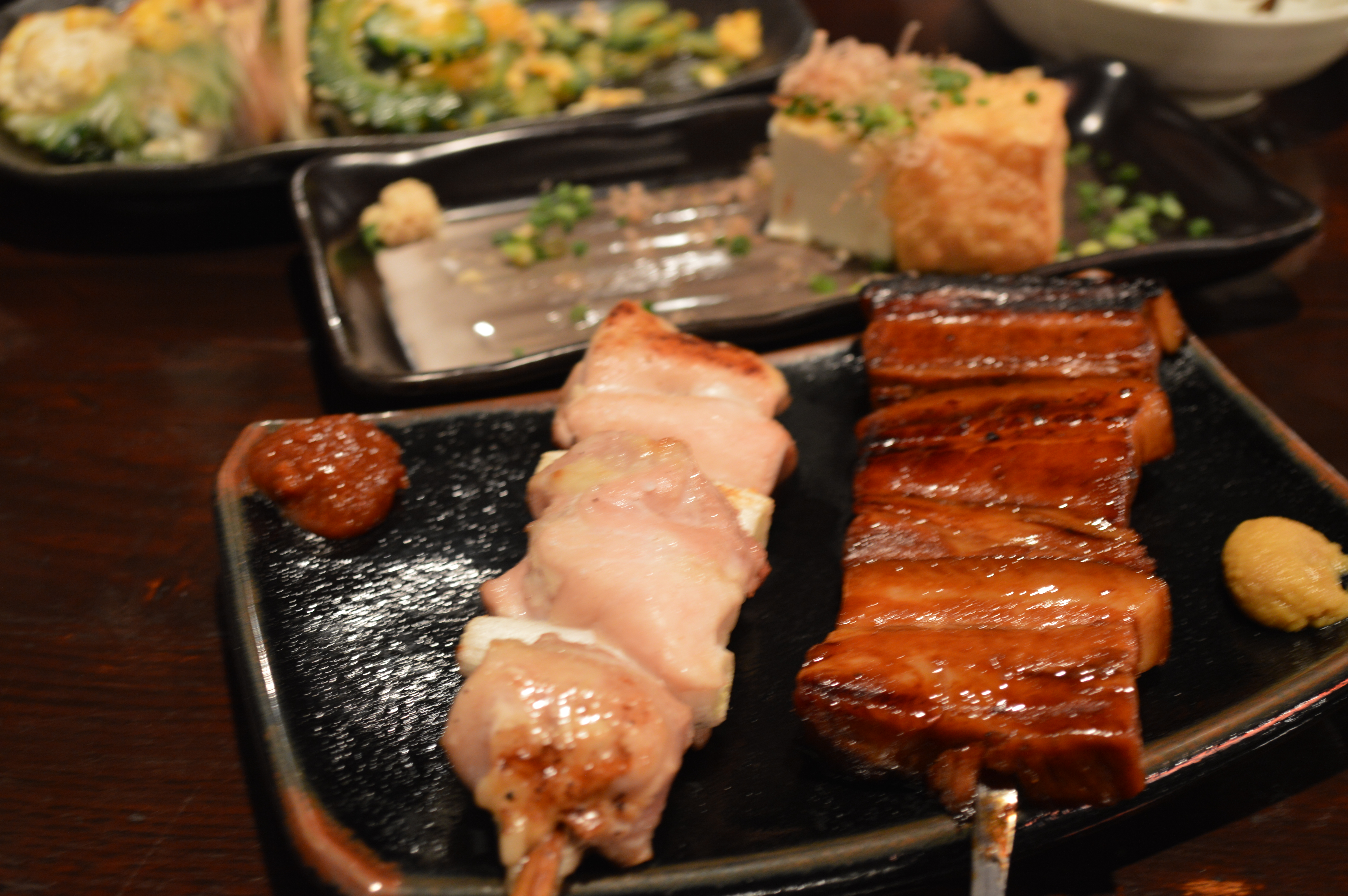
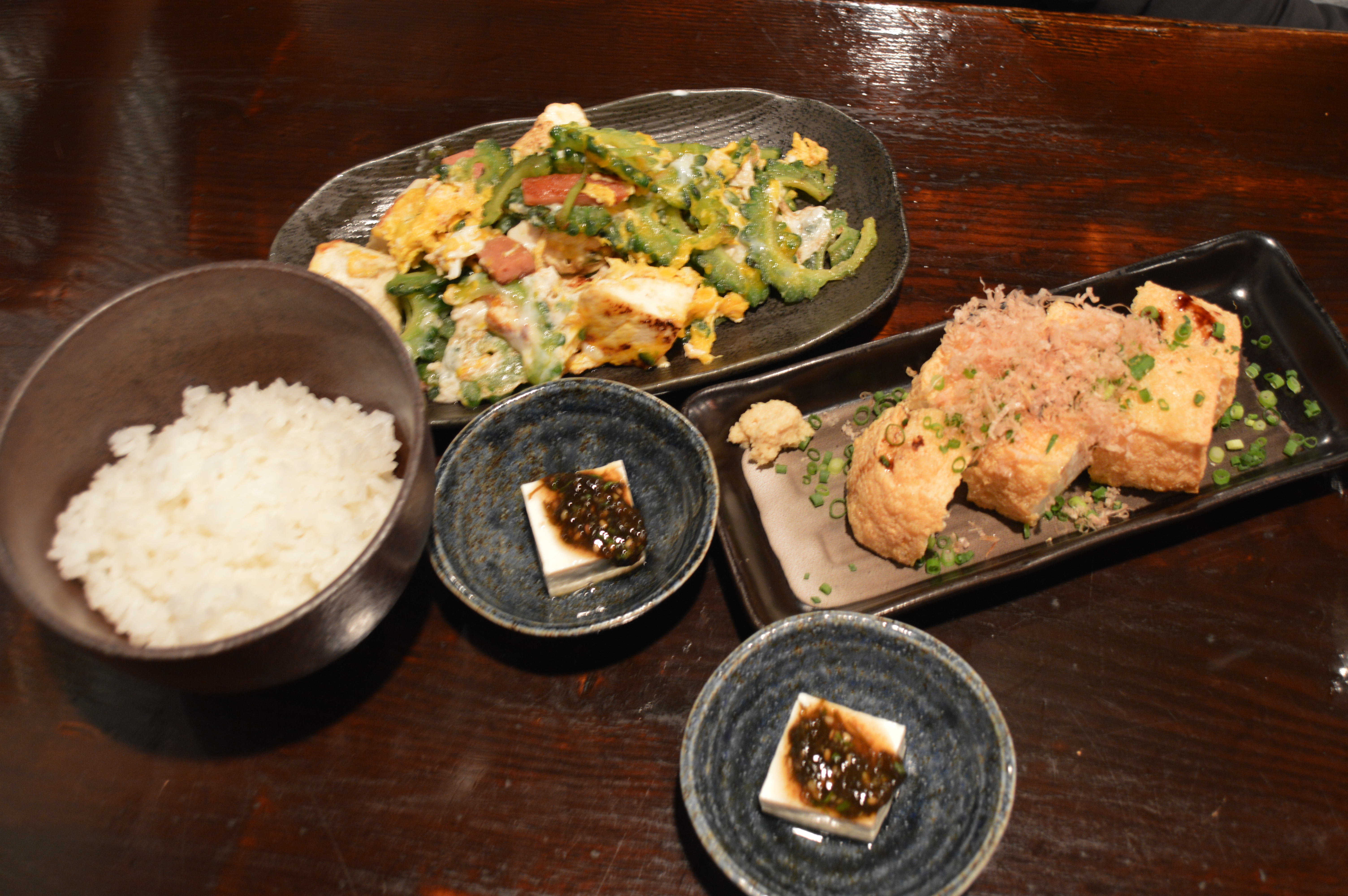
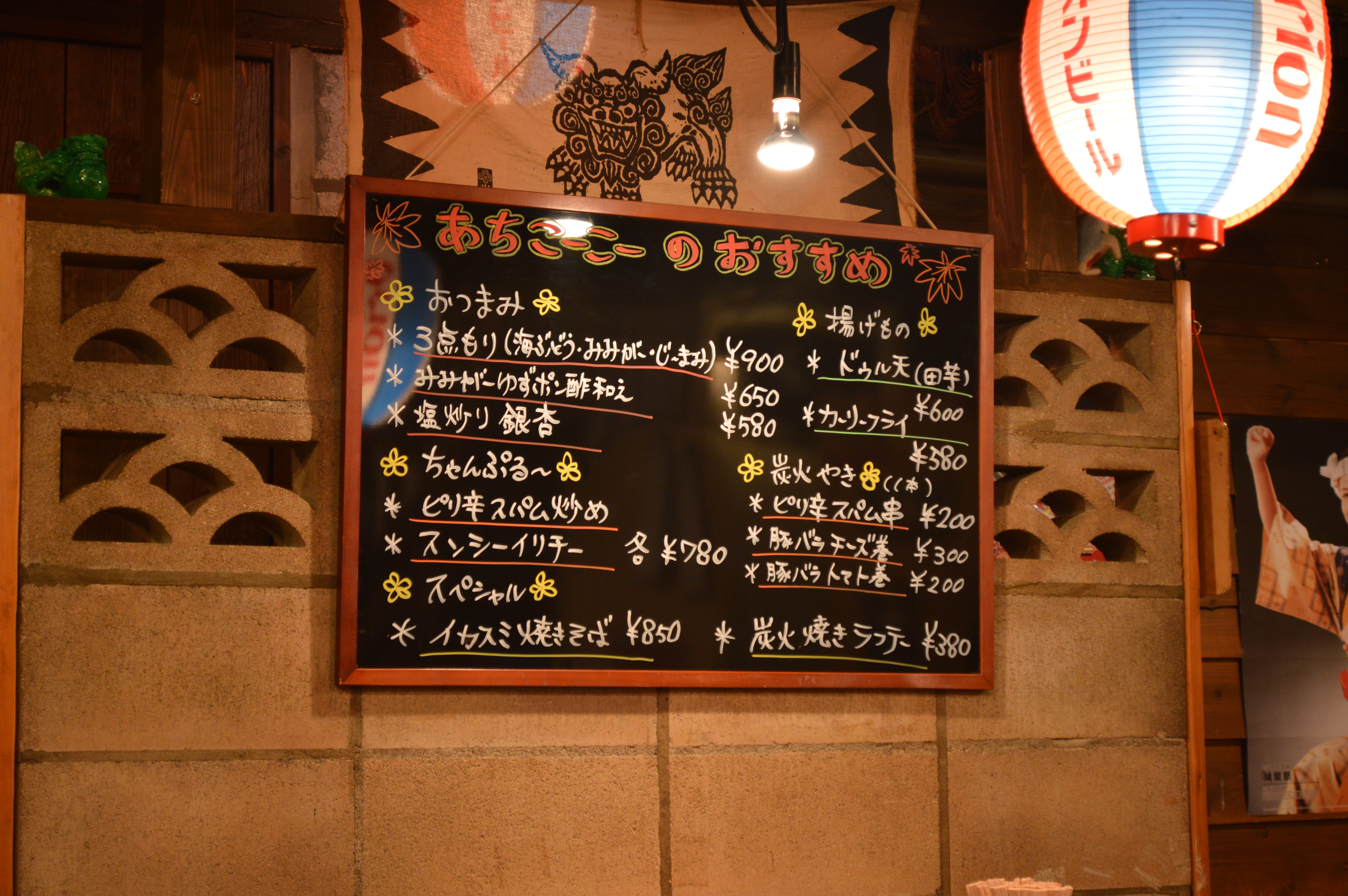
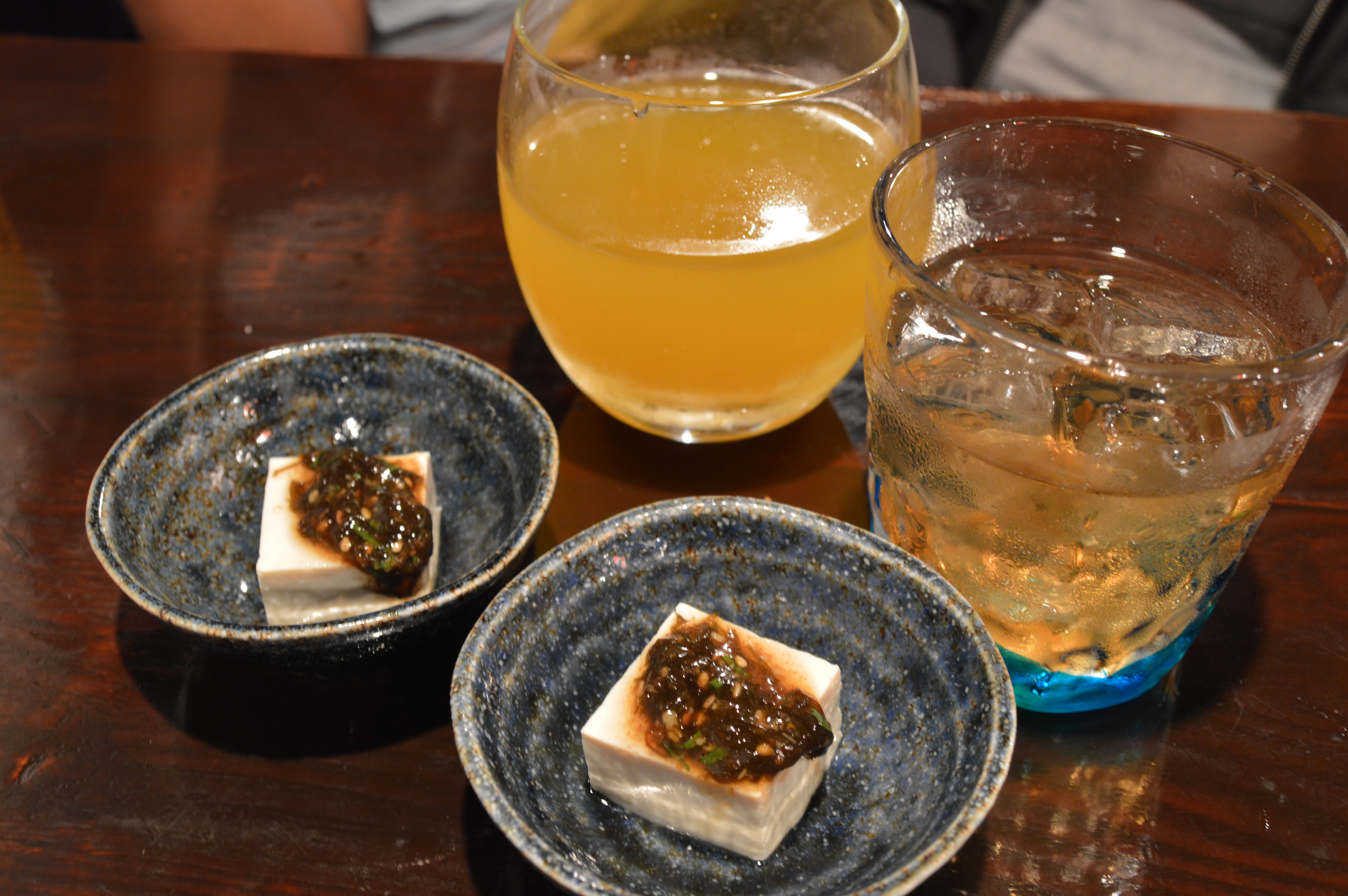
In these establishments, language is a challenge but most are obliging. The patrons were mainly salary man – average office workers, some in suits and ties. This was our first “izakaya” experience. As usual, a big welcome from the staff. Thsi place had ambiance. A kitchen staff delighted the small crowd with a Japanese musical instrument. A few guys at the counter table joined in. The atmosphere turned light and jovial. Like every other place we had dined, food was good – chicken yakitori, stir fried bitter gourd, steamed tofu with a sweet sour sauce and delightful vegetable and fruit pickles. All this downed with sweet plum sake.

DSC_0145DSC_0143DSC_0139DSC_0140

One of the interesting experiences here is to take efforts to communicate – either by sign language, verbal, pictorial or the take the brave step and point out at other patron’s meals. The rapport in moments like this is jovial and the mood light. Seeing the expression, of being misunderstood yet wanting to please, on their faces was wonderful – the human connection in every travel experience. Anyway, we did get what we ordered and that in itself is testimony of that ‘lost in translation’ effort works. Well at least this time.

Yurakocho, located between Maraunochi and Ginza districts is also a great shopping district. This is evident just around the train station. The night was still young and locals shopped and eat leisurely. The night was cool, pleasant and bustling. This part of town was distant from the modernity of the Tokyo Station. This is a living museum piece of old Japan. It is also ideally located on the main rail line and attracted mainly the average office workers after work. Yurakocho Station was buzzing with activities. We liked this unhurried old world charm but vibrant atmosphere.

untitled-45

“….get some rest that we all needed after a full on first day in Japan” – Navindd

Tokyo – Akihabara, Nihonbashi

Akihabara

untitled-43untitled-44

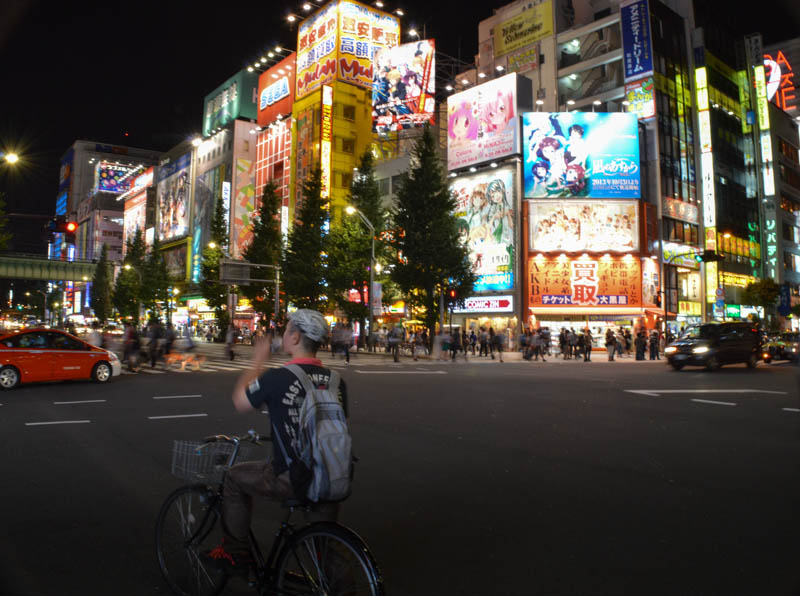
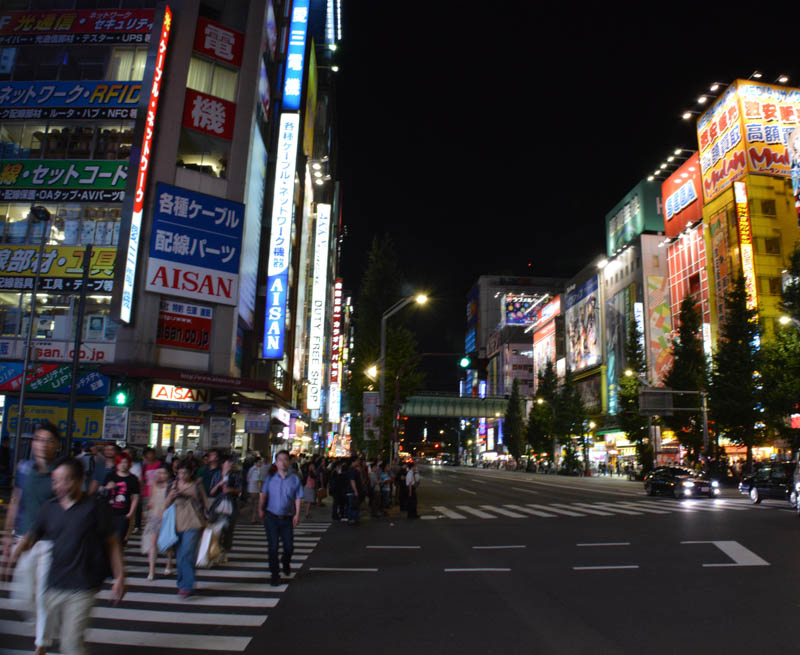
Akihabara in Central Tokyo is the centre for electronic good. A large number of buildings are dedicated to electronics including computers, gaming devices, electronic components and cameras. Besides this, the ever popular manga and anime culture is also glaringly displayed all over in high definition on the big screens. Manga and anime are comics’ depicting from futuristic science fiction to romantic stories. Specialist stores had opened up to cater to this growing culture. Young people even dress up imitating their favourite characters. It is a wonderful sight, adding more colour to the street scene. This culture seems to be unique to Japan.

“…the techno capital of Tokyo…..latest and greatest technology………without buying anything!” – Navindd

Nihonbashi

DSC_0151

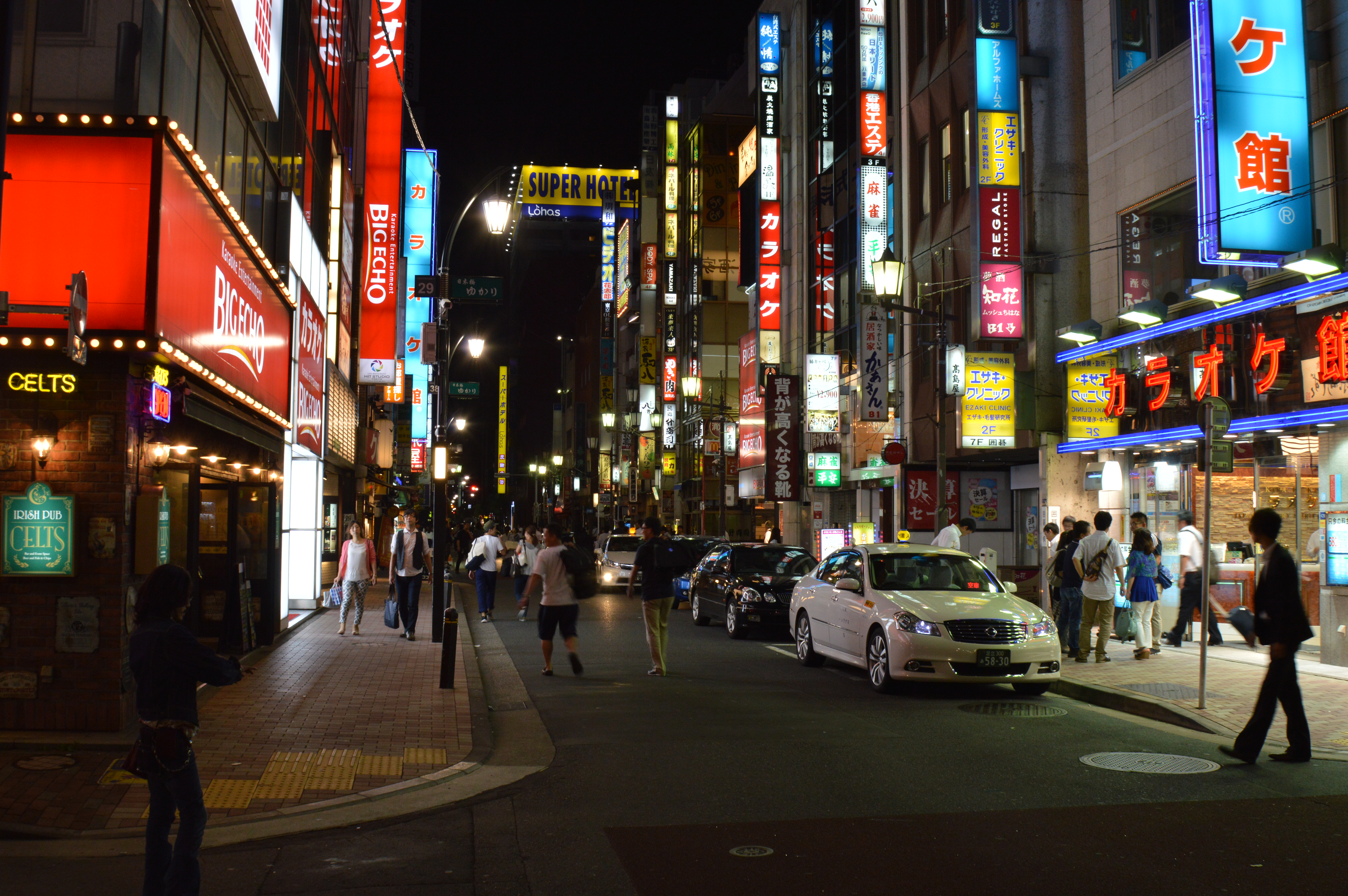
The district next to our hotel is Nihonbashi. I walked here after dinner one night. There were mainly bars and restaurants with neon light lit brightly all along this main road. A few well- dressed burly men stood outside of these premises. It was safe and the mood was relaxed. The location of our accommodation in Tokyo is well situated – near the Tokyo Station, surrounded by restaurants and a vibrant atmosphere.

Tokyo – Ameyokocho

We left the crowded streets of Asakusa with lunch sitting heavily in our tummy and headed to Ueno by train via the popular Yamanote Line. This line basically encircles Tokyo city. The other popular line we regularly used is the Chuo Line. The Japan Rail pass basically allowed us to us to use all the major lines including the “shinkansen”, bullet trains, both, within the city and long distance. It is extremely convenient. Ueno Park is next to JR Ueno Station. It is a green lung in the city. An adjacent Zoo is also located here. Being Sunday, large number of Tokyoite had gathered here with their families. Besides its’ museums and a few temple, Ueno Park is very popular during cherry blossom season as the park is planted with over thousand cherry trees. A group of young boys were practicing a game of baseball – a favorite pastime in Japan. It is a great place to get some shelter from the sun too.

“..a distinct sound of slot machines got louder……this was Pachinko – a Japanese addiction” – Navindd

untitled-39

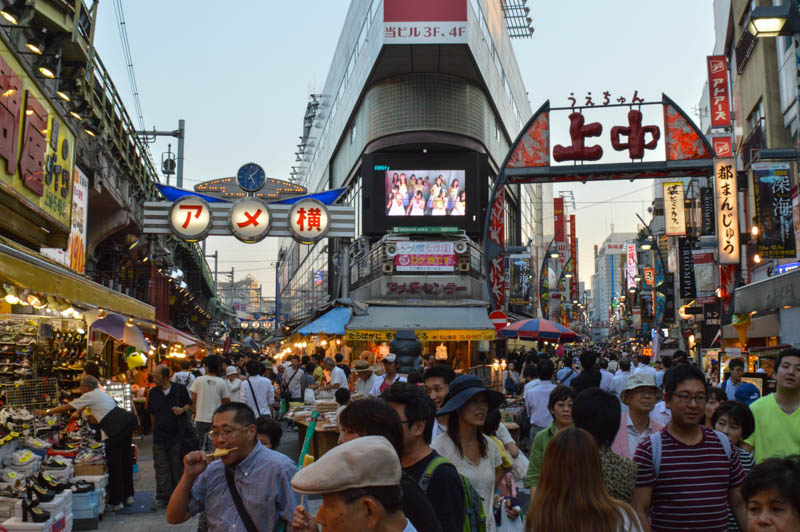
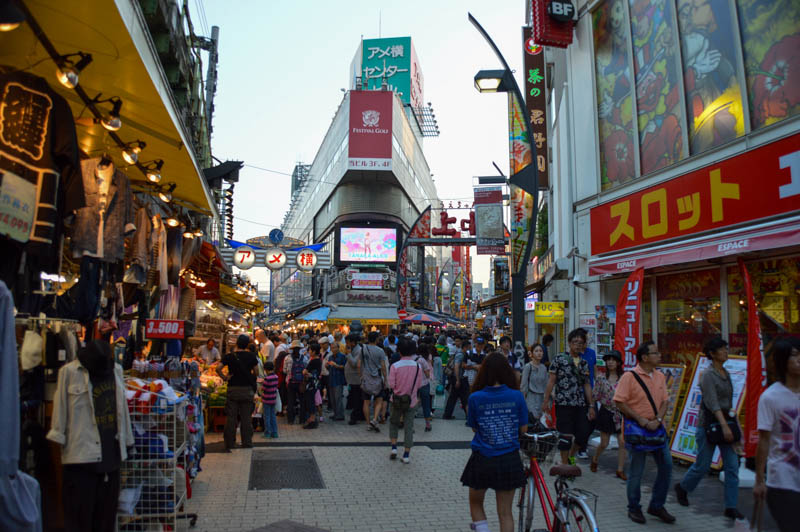
Opposite the park is the busy and bustling Ameyoko-cho located along the rail tracks between Ueno and Okachimachi Stations. Rows of shops sold clothing, bags, footwear, snack food and spices which included imported goods. More shops occupied the space below the Yamanote Line. Neon lights flashed the latest goods and a huge digital screen played the latest music videos. It is a vibrant marketplace and an opportunity to shop local items. As always we tucked into some local delicacies during our walkabout. From Okachimaci Station, we traveled by rail to Akihabara.

untitled-42untitled-36

Tokyo – Sensoji Temple, Asakusa

untitled-31

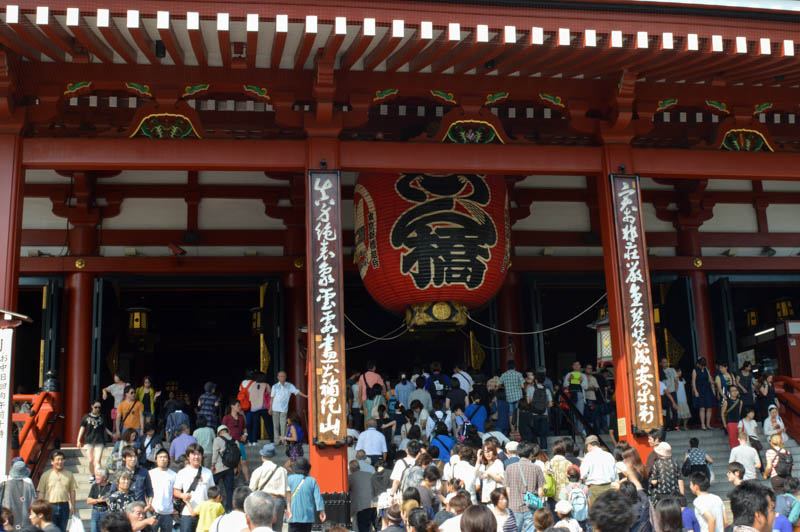
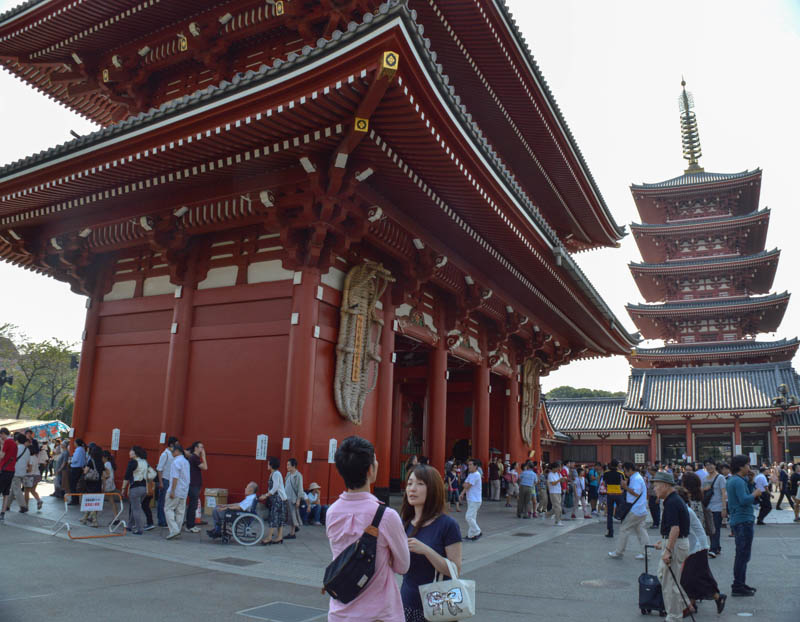
Sensoji Temple was built in the year 628. It represented to both Shinto and Buddhist worship. Although crowded, worshippers made their way to the main alter with their intentions known. They knelt before a huge statue of Buddha in a low lit hall with light provided by a few lanterns hanging on the ceiling. However, the golden face of the Buddha was glistening. Pilgrims and tourist alike paid their respects. With their hands clasped and head bowed down, they moved slowly in a clockwise direction. Incense was lit. The smell permeated throughout the hall in the still air. At a corner, people tossed a box containing rolled paper until one piece popped out. Apparently their fortune is written on this piece of paper. They did this religiously too. I was amused. Driven by faith, anything can be believed.

“the smell of incense got stronger as we approached the main hall” – Navindd

untitled-33

untitled-35

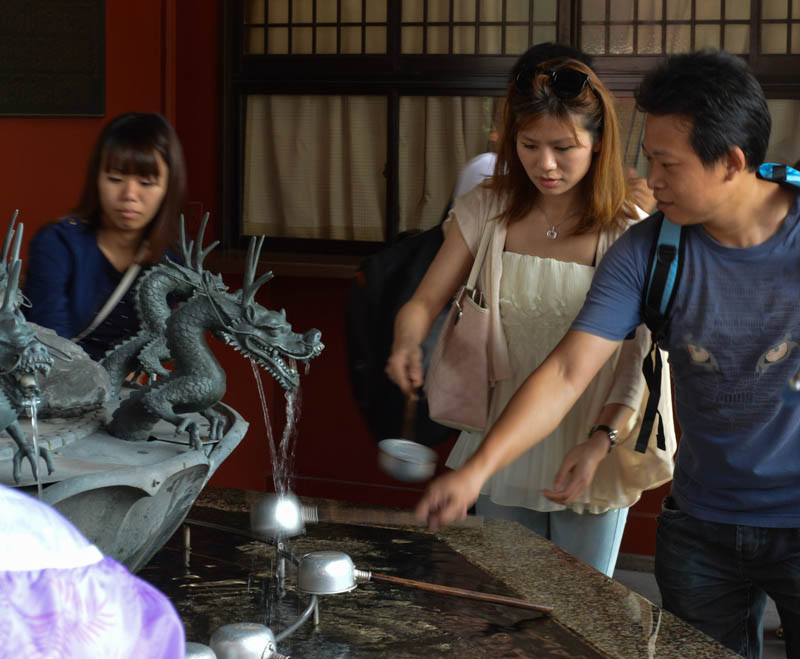
In one area, donations counters were set up. With a small contribution, one could buy a roof tile with drawings and writings of their choice. This will go towards replacing existing tiles or for a new building -a novel way to contribute. At a shed near the entrance to the hall, water flowed out of a brass dragon’s mouth. This is a ritual for purification and a set of pictorial sketches showed the correct method. Pilgrims gathered here and washed their head and mouth. A five storied pagoda rose tall adjacent to the hall. A small manicured garden provided some greenery and relief from the strong sun.

untitled-41

untitled-40

untitled-18

untitled-35

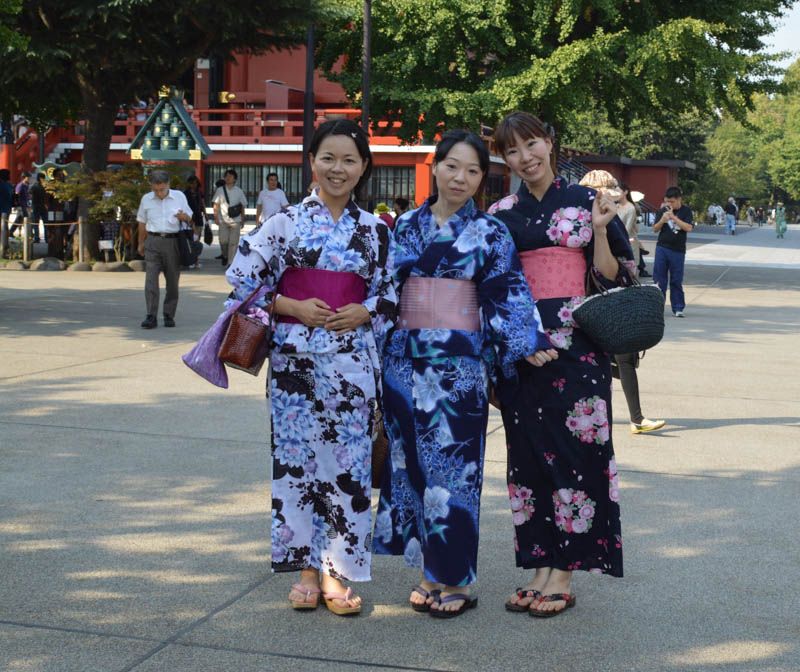
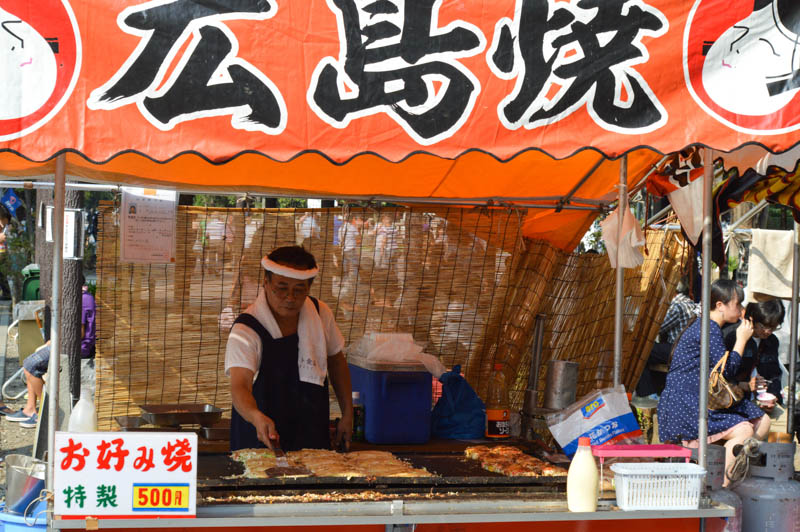
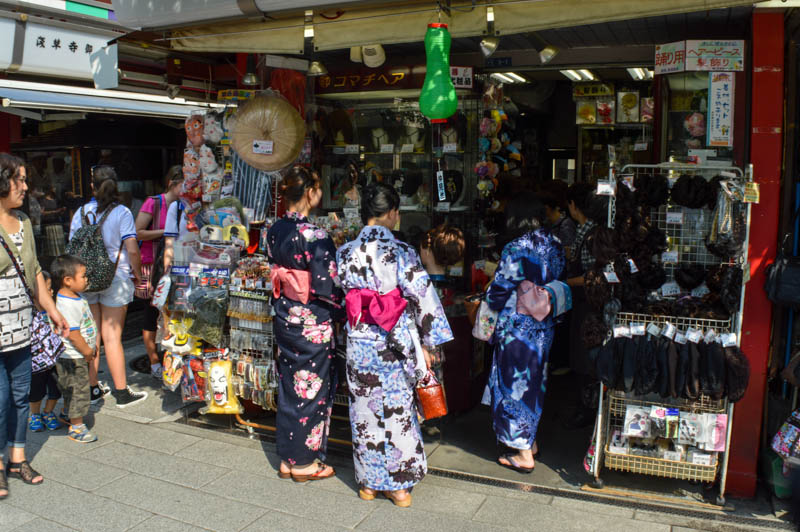
At the perimeter of the temple compound, three young women dressed in traditional kimono added very nostalgic scenery. A man was busy under the heat of the day and from the hot plate where he was cooking up a local thick pancake-like dish called “okonomiyaki”. Expectedly, a long queue appeared at an ice cream parlor.

From here we walked to another shopping area called Kappabashi. The locals shop here for household items. The weather was quite uncomfortable and we were getting hungry as well. It was late in the afternoon. Shopping had to be put off for the moment.

We walked along a narrow street and entered into a restaurant with raised wooden floor. This restaurant’s specialty is “okonomiyaki” dishes. Seated on the floor with a hot plate in front of us, the ingredients were placed on the table. Mixed vegetables with some meat and mixed into a batter. The host showed us how it was done. I ended up doing the other. Navindd helped to turn over the flat bread like dish like a pro. Sweat poured out while dining as the heat from the hot plates radiated through the small room. The dish was alright but we felt heavy in our belly afterwards. The heat from the sun was unrelenting.

Tokyo – Harajuku, Ryogoku

 Harajuku
untitled-69 untitled-70

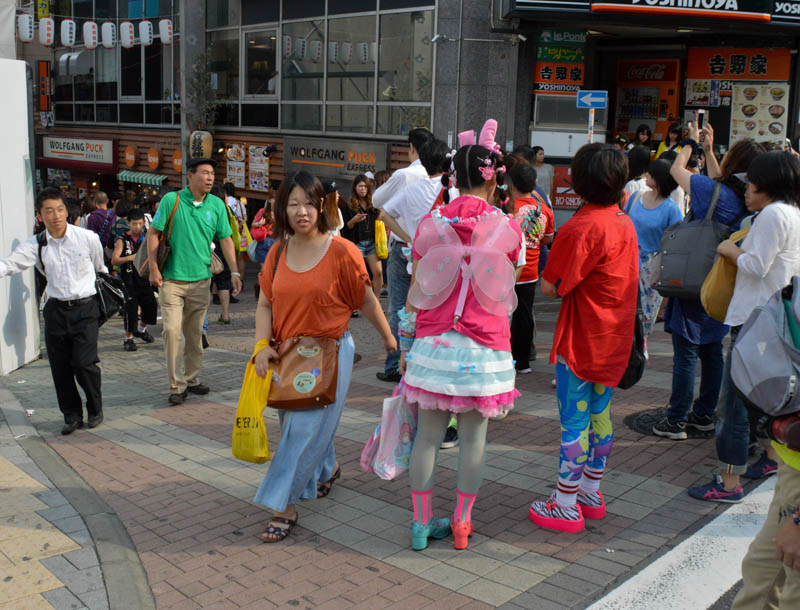
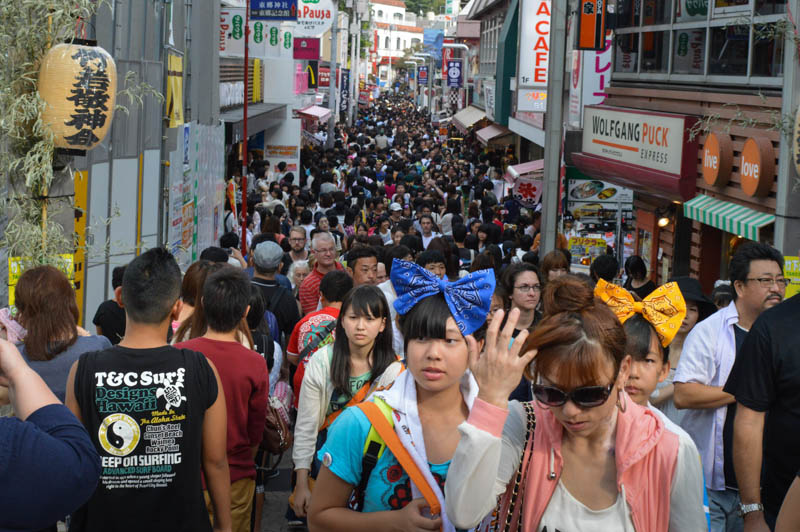
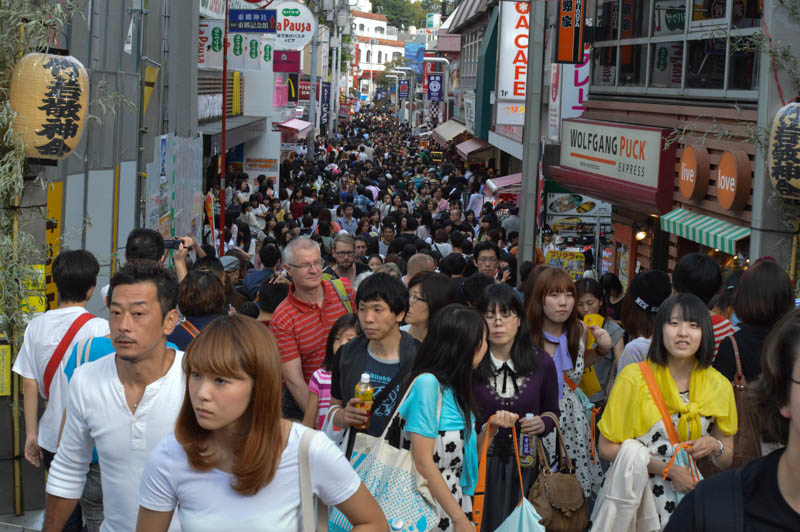
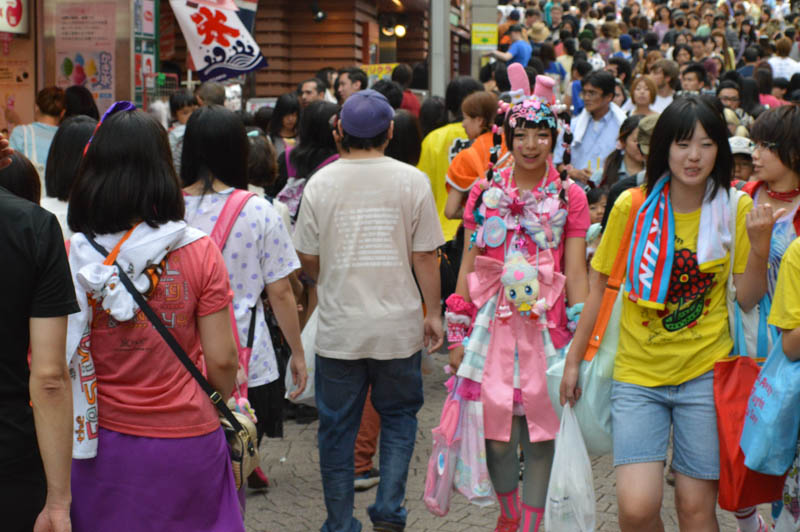
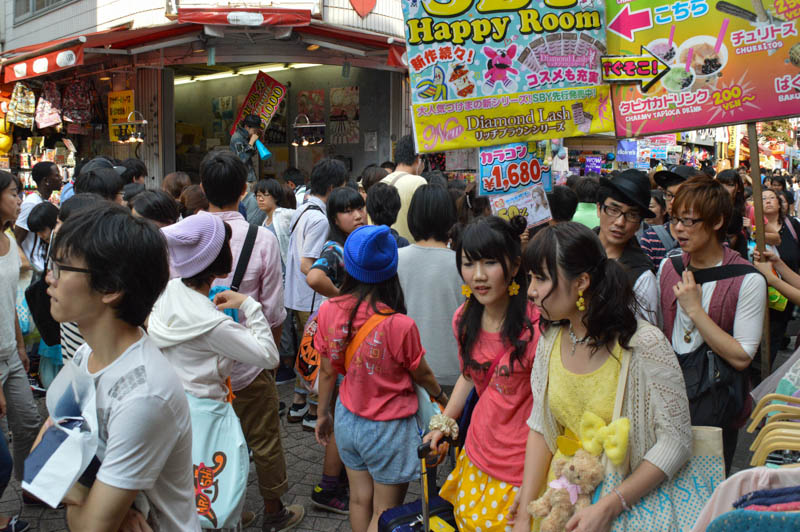
After a nice meal at Shinjuku, we hoped back onto the Yamonote Line to Harajuku. This place is popular with trendy shopping and cosplay or costume play – where individuals dressed up and imitate the characters from manga, anime or computer games. The train station was packed shoulder to shoulder with people. Very orderly everyone exited the station. The popular Takeshita Dori was similarly crowded especially with young girls. And there, a teenager, dressed flamboyantly in a character paraded up and down the street. Make- up, lively attire, sparkling costume jewellery and chic hairstyles are part of this popular teenage culture that happens every Sunday. It is an eccentric way to break away from the norm.

untitled-71 untitled-72 untitled-73 untitled-74

Other than people watching, this street is lined with fast food outlets, cafe, retail shops, costume jewellery, fashion boutiques and more. It was great just to wander. On Omotesando, trendy designer brands were on offer in a boulevard street lined with shady trees. In contrast, there were mainly adults with cash to spend. It was a good walk and we headed back to the colonial looking train station. Armed with the handy JR Pass, we took the train across Sumida River to another Japanese icon – Sumo wrestling in Ryogoku.


Ryogoku

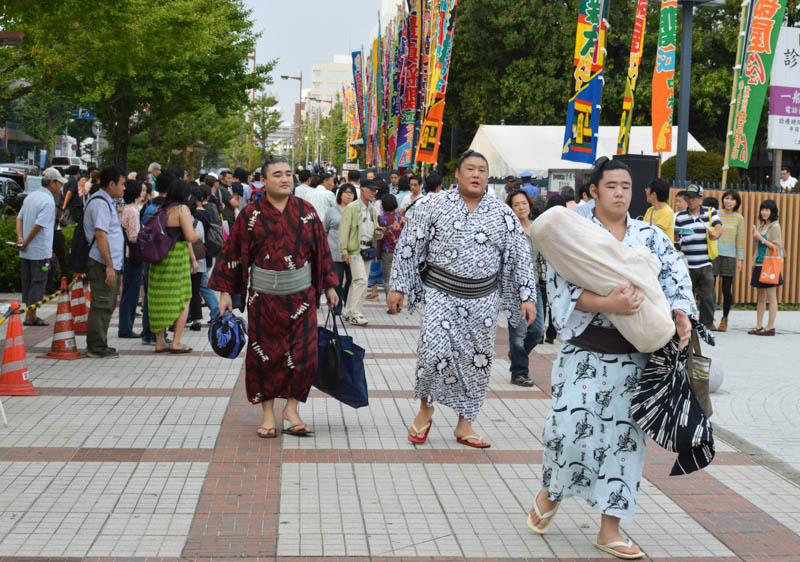
“Sumo wrestlers were mobbed by the locals …..Something of celebrities in Japan” – Navindd

untitled-76

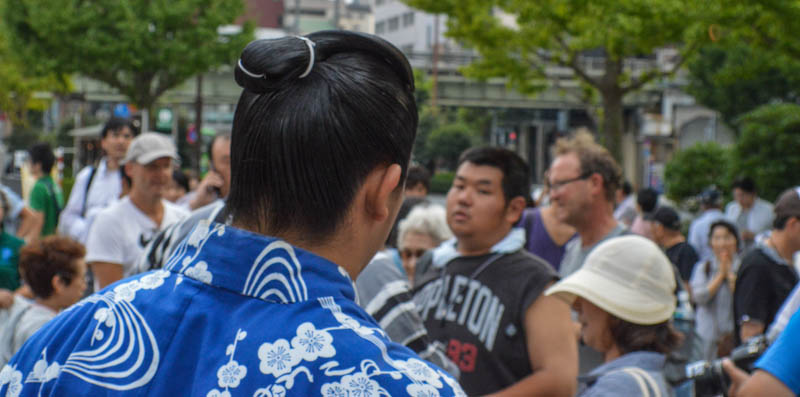
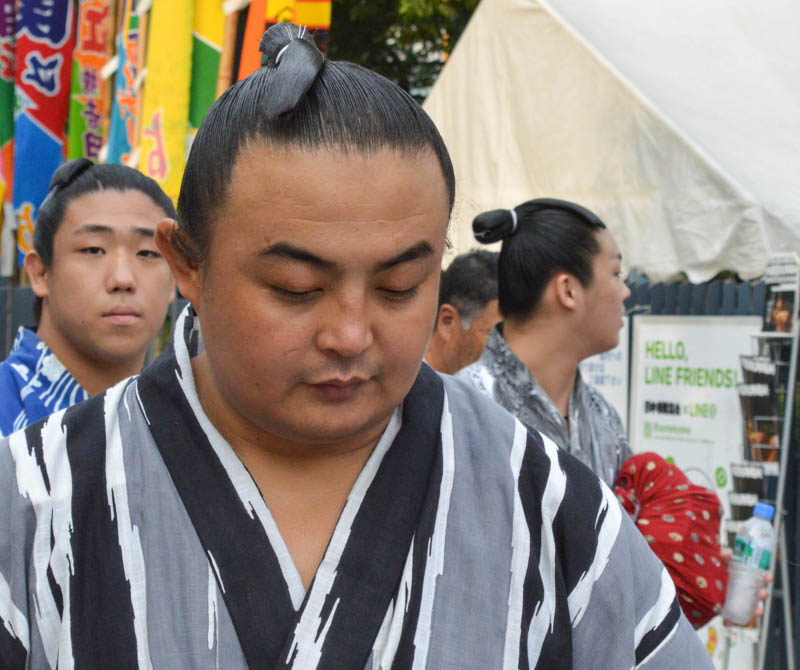
September is sumo season in Tokyo. Tickets are in demand but we headed there anyway. Ryogoku Stadium is a short walk from the station through the old neighbourhood. Inside the stadium, the great sumo wrestlers take to the ring for battle. Sake containers at the entrance of a few establishments indicate the national drink is available. A small crowd waited outside Kokugikan Stadium. Unluckily, all tickets were sold out except the pricy box seats. We were disappointed. A few sumo wrestlers came out from the tournament. They were mobbed by the visiting crowd. They obliged. They were of different body weights. With their hair tied up neatly, dressed in loose “yukata” and sash, they commanded respect. This Japanese icon was exclusively for Japanese only. Today, however, a few foreigners have been accepted. There are a few Sumo stables – where the wrestlers live while in training, in this area. It is a strict discipline and required commitment. We headed back to the station. A few men and women walked on the street in traditional dresses – kimono and “yukata”.

untitled-78 untitled-77untitled-75

Tokyo – Asakusa

DSC_0069

DSC_0075

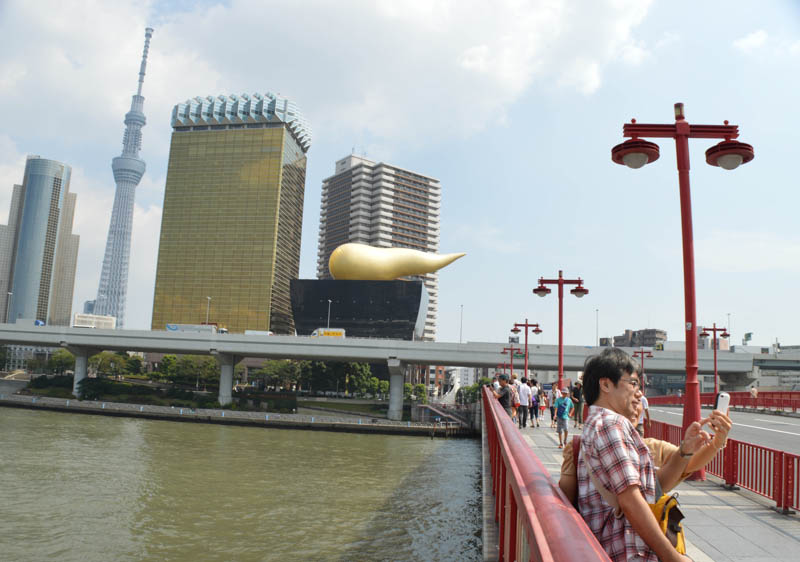
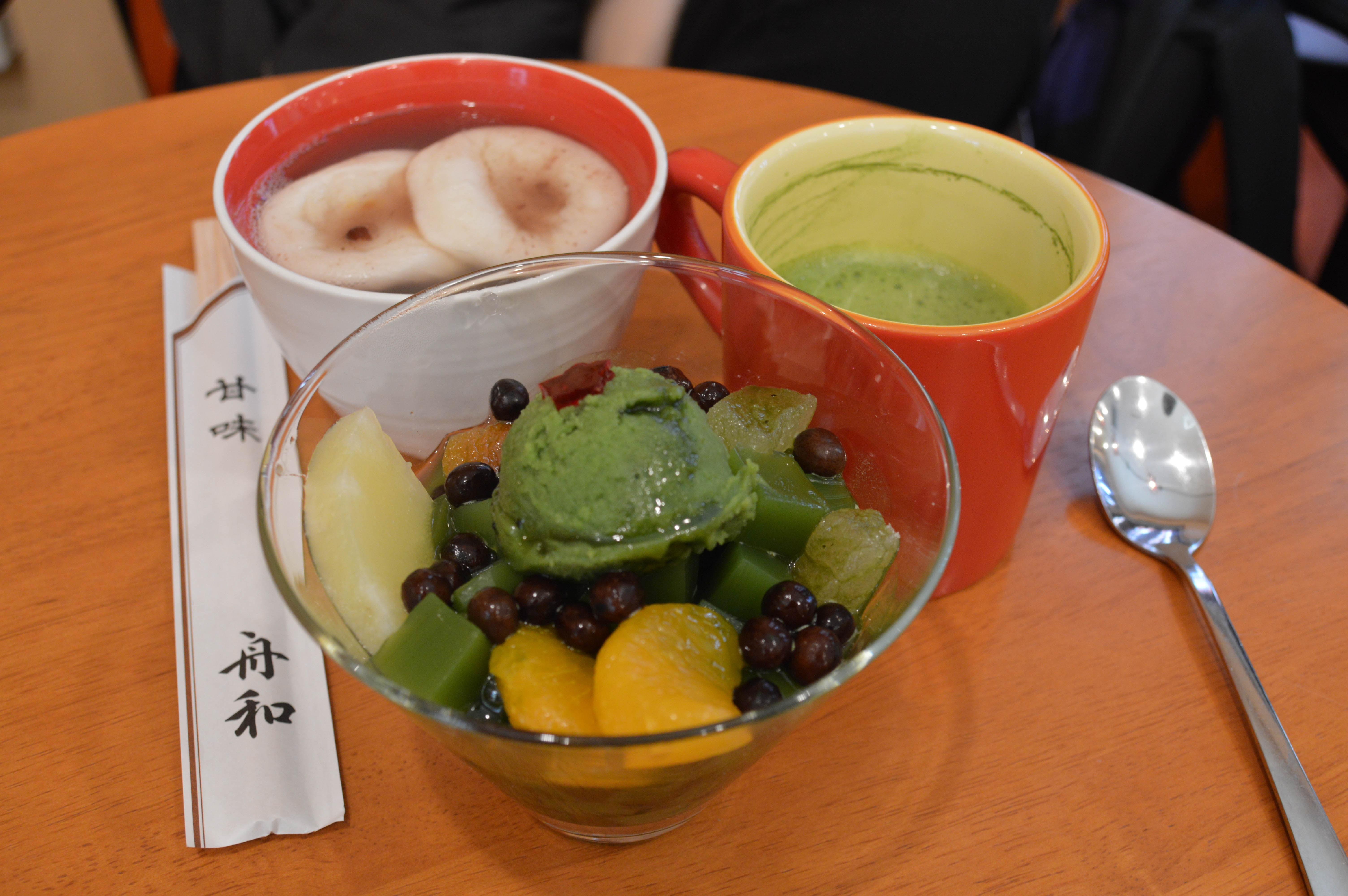
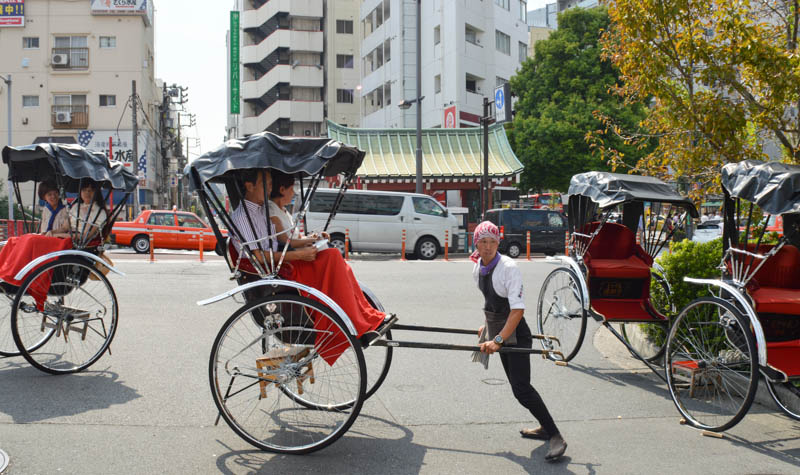
The boat ride was pleasant and provided an opportunity to observe the backwaters of the old neighborhood. The river journey passed under several bridges that connected east and west of the Sumida River. Across Asakusa pier is the sky piercing 634m Tokyo Sky Tree. In the foreground is the Asahi Beer Tower with its unique flame symbol. At a nearby bridge, bright rickshaws pulled by energetic young men and women provided an alternative to walking in this historic region. The day was cloudy but hot. A cold local desert, mocha ice cream with red beans and slices of oranges peels, was a treat in the heat of the day. Re-hydrated, we headed into the busy Kaminarimon Street towards the popular Sensoji Temple.

untitled-23 untitled-22

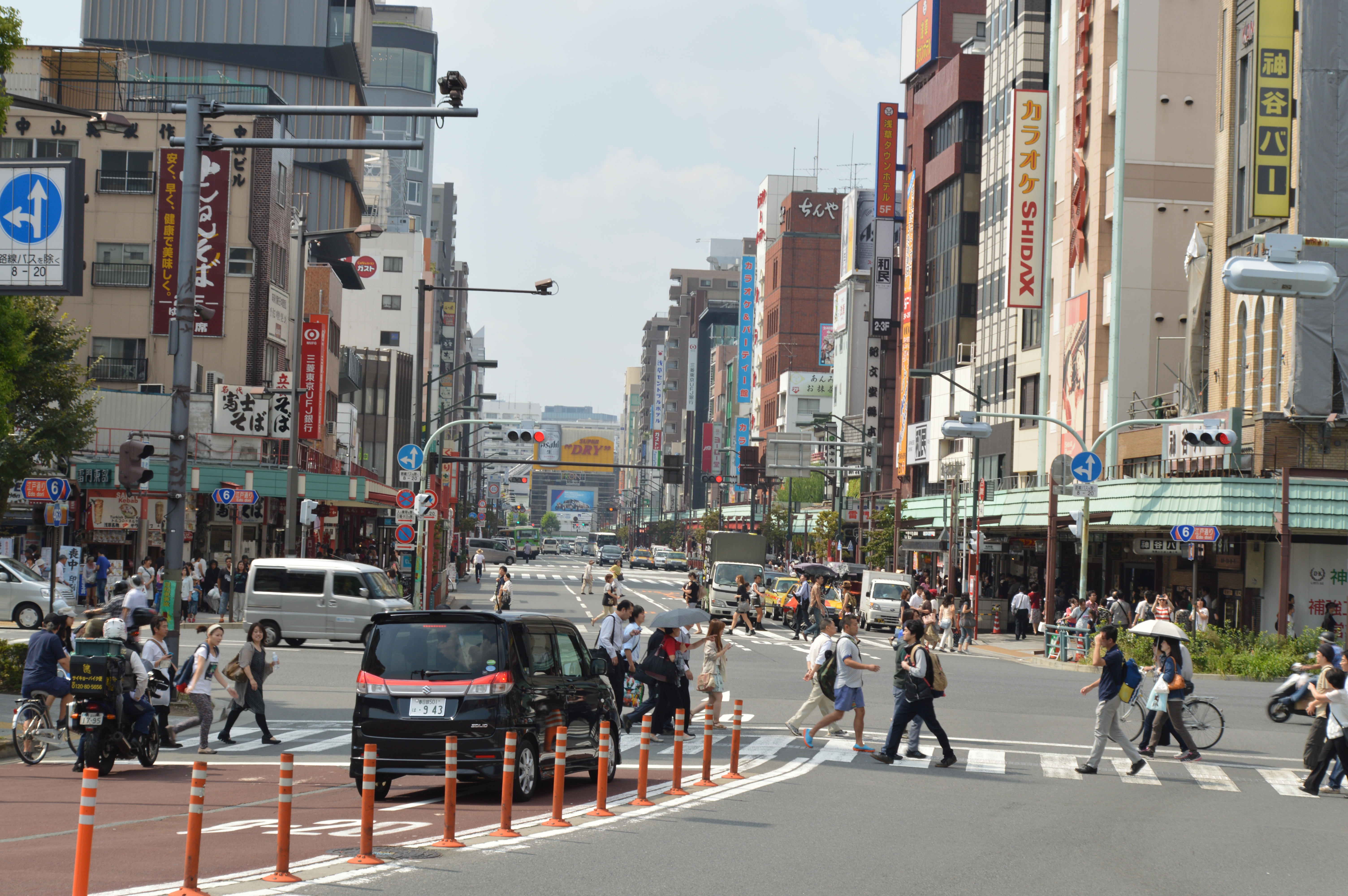
Asakusa, a district in Taito, Tokyo is the centre of Tokyo’s “shitamachi”, literally “low city”. During the Edo Period (1603- 1867), Asakusa was the entertainment district, site of kabuki theatres and a large red light district. It is Tokyo’s oldest geisha district. Today it is popular as one of Japan’s premier temples, Sensoji Temple, located here on the west banks of the Sumida River. Another important feature popular with the locals, is Kappabashi, a shopping street. I found it relaxing and uncrowded. The wide streets are easy to walk with plenty of eating outlets.

untitled-29 untitled-25

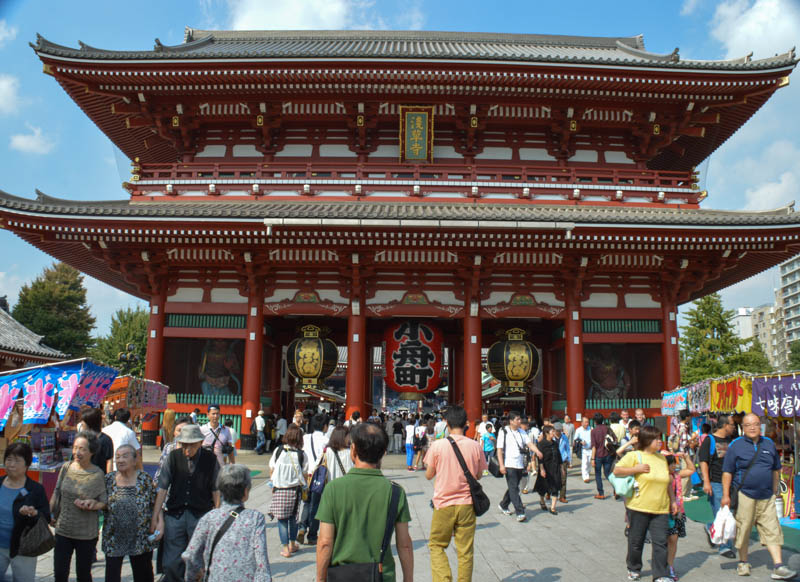
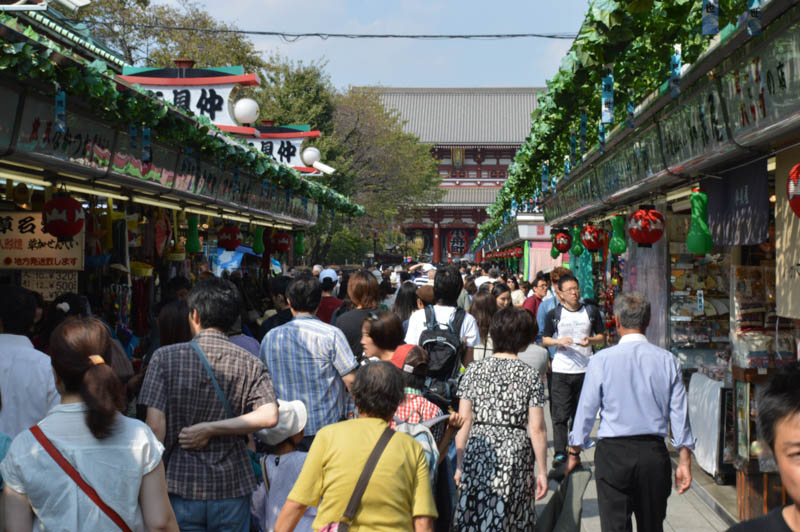
From the pier, it is a short walk to Kaminarimon Gate, “Thunder Gate”, and the gateway towards Sensoji Temple. Two gods guard the entrance on either side. It was crowded. This pathway led to the delightful Nakamise Dori. Throngs of people, some in traditional costumes, walked through the crowded and delightful Nakamise Dori leading towards Sensoji Temple. There was a spirit of festivities. Towards the end of the street was another giant red gate, the Hozomon Gate. A giant lantern hung in the center as pilgrims and visitors passed below.

untitled-27 untitled-30

untitled-28 untitled-26

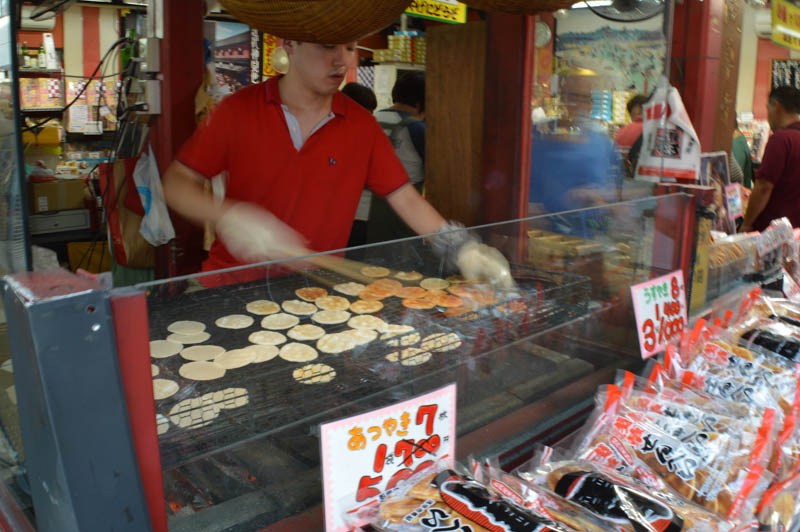
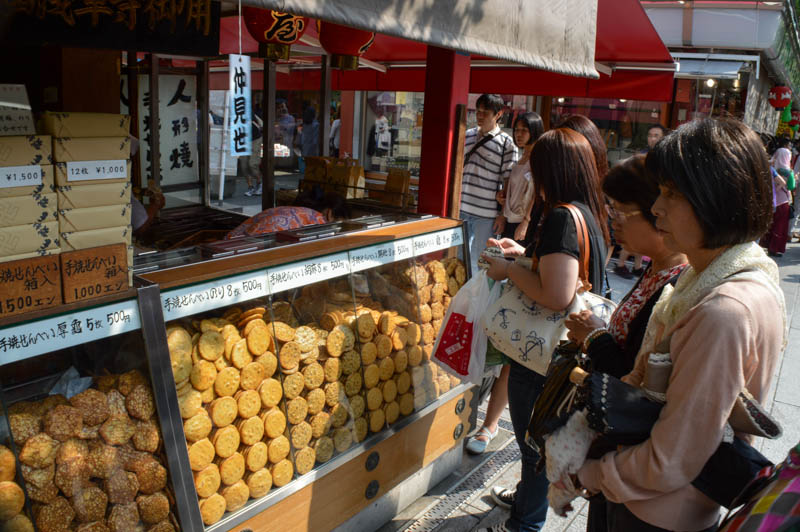
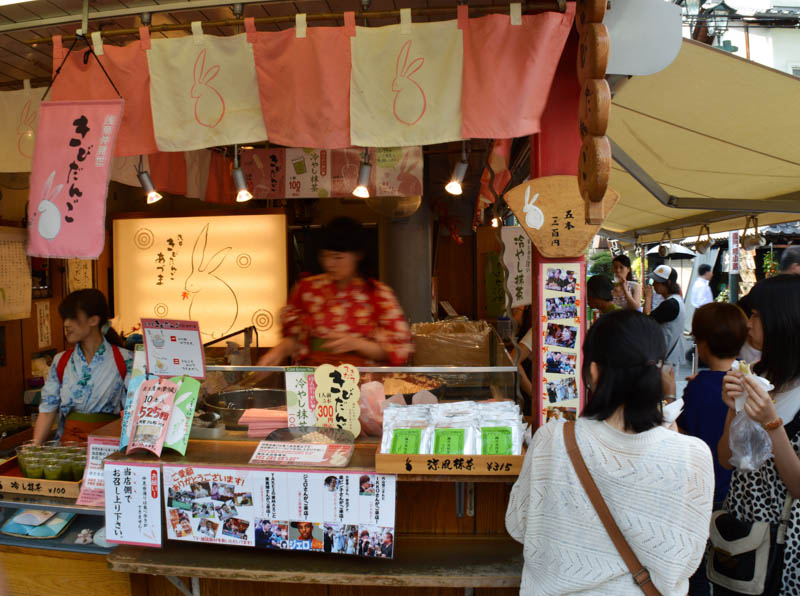
An array of snack food including “sanbei”, a baked cracker spread with miso, red bean paste filled pancakes, soft dumplings and my favorite sweet sticky “mochi”. A variety of packaged gifts including folding fans, “yukata” and decorated dolls, enticed the visitors. It was exciting to see some women dressed in traditional colorful kimono. A few side streets extended from Nakamise Dori. These streets were less crowded and gave a sense of old Tokyo. The houses built from wood, lattice windows and tiled roofs. Back on the main street, business was brisk, cries from vendors to attract visitors with their wares, sweet aroma of delicious delicacies wafted through the air. As usual, we snacked along the way sampling local specialties. Being a long weekend with Monday a public holiday, the crowd had built up. However, the flow of the human tide was smooth and casual.

Japan – Train Experience

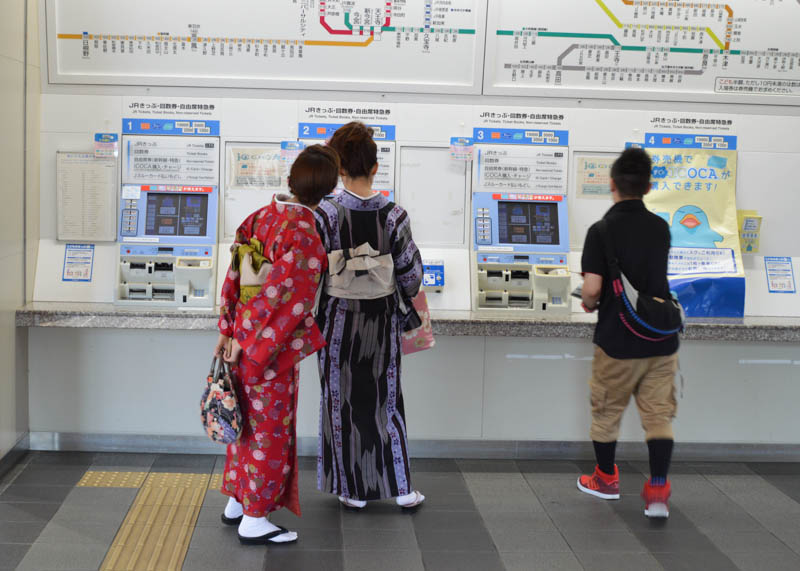
The train network in Japan is reliable and extensively connected. There are many types of trains including the Shinkansen; ordinary train; night trains; limited express; express; rapid; local trains and so on. Then you have seat types – ordinary, green car, reserved and non- reserved. For a foreigner, like us, the most important and convenient is to obtain a Japan Railway (JR) Pass valid for 7 or 14 or 21 days. However, be warned that these passes can only be purchased at home and not upon arrival in Japan. For a fixed price (initially, it may be seem pricy), you literally get to anywhere within the network including reserved seats and the Shinkansen. The convenience comes when we just flash our passes to the JR staff at the counters (not the automated rotating doors). No queuing to purchase tickets on the automated systems (with instructions in Japanese), having the correct change, knowing which and type to purchase…..All these uncertainties are eliminated with a JR Pass. Furthermore, there is no rush to get tickets if there are connections or onward journeys. Just flash and go! It may look complicated to find which platform or track we need to be, especially if transfers which only allowed 3 to 5 minutes. Firstly, ask the staff at the counters when flashing the JR Pass or plan with this wonderful website – Hyperdia.com. I planned all our journeys based on this site alone – departure times, options for transfers’ and connections, required duration of travel, towns and cities to detour, etc. Armed with these two, hello Japan!

untitled-4

untitled-194

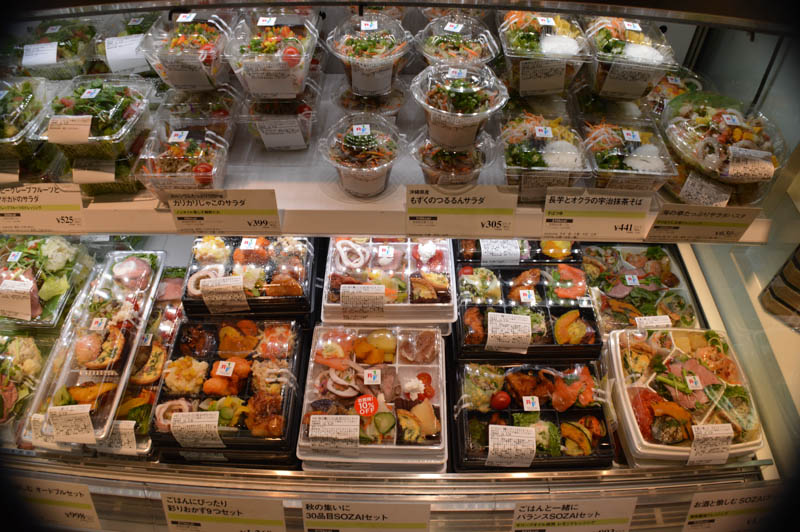
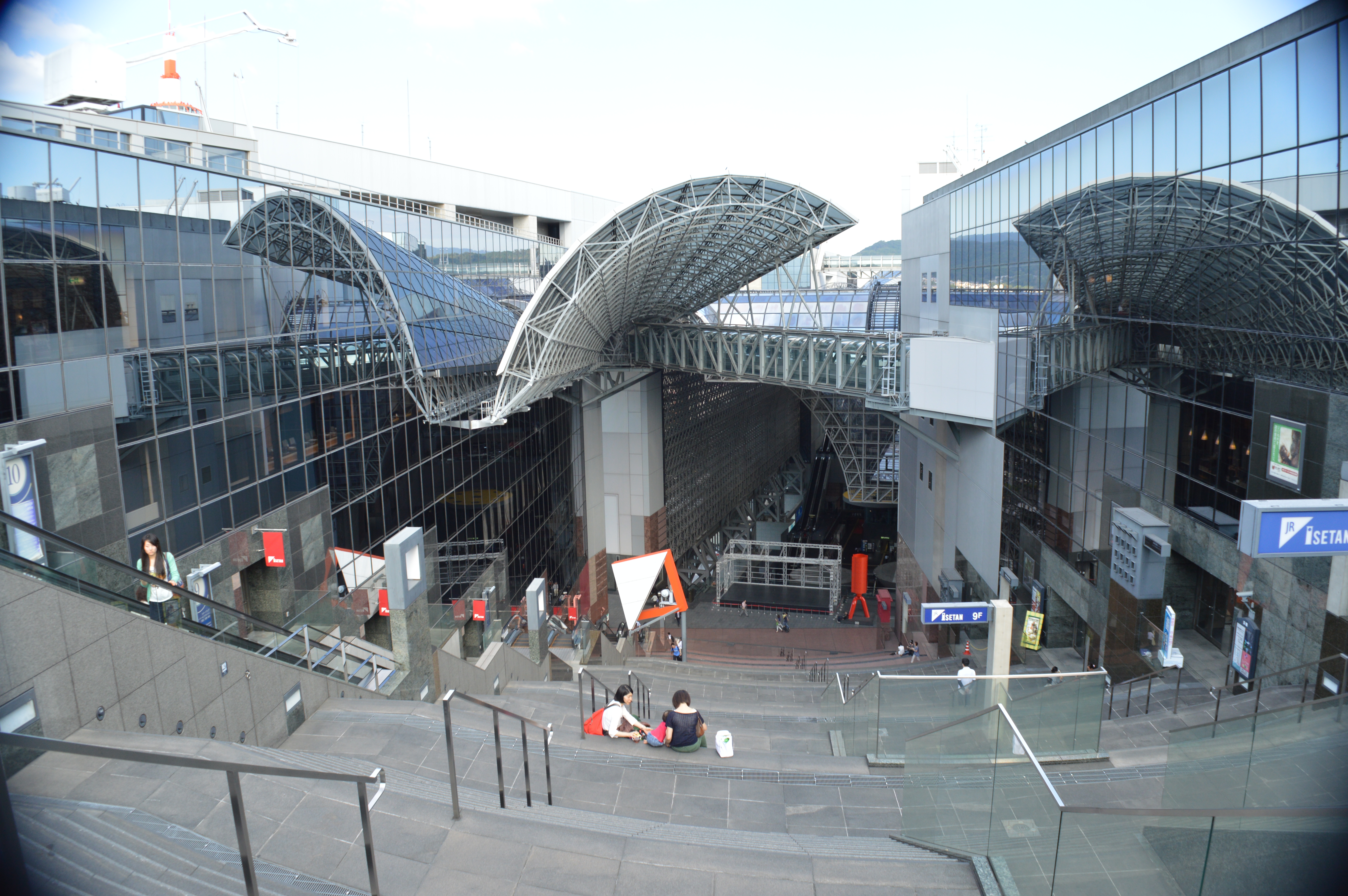
The fascinating thing about train travel in Japan is the convenience. Beside the network, nearly all, particularly the big stations like Tokyo, Shinjuku, Nagoya and Kyōto, have been in-built within department or shopping complexes. In Tokyo Station is the Daimaru Department store, in Nagoya – JR Central Towers mega- complex and in Kyōto – Isetan Department Store. Sometimes, several floors of eateries – a convenient way of feeding people on the move. There are numerous in these clinical clean stores. Takeaways, dine-in, cute bento boxes, endless choices of dishes to cater everyone’s needs. Then you have the entire desert floor to go through. We loved it. The cost of food here is reasonably priced. However dine-in restaurants are pricier. All these, the design and convenience are planned to cater to the thousands of daily commuters. Ingenious!

untitled-276

DSC_0011

DSC_0203

DSC_1075

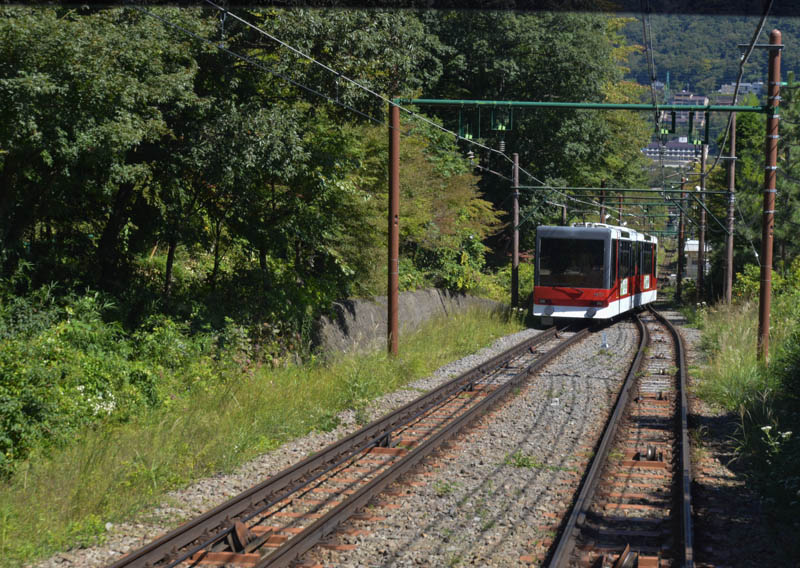
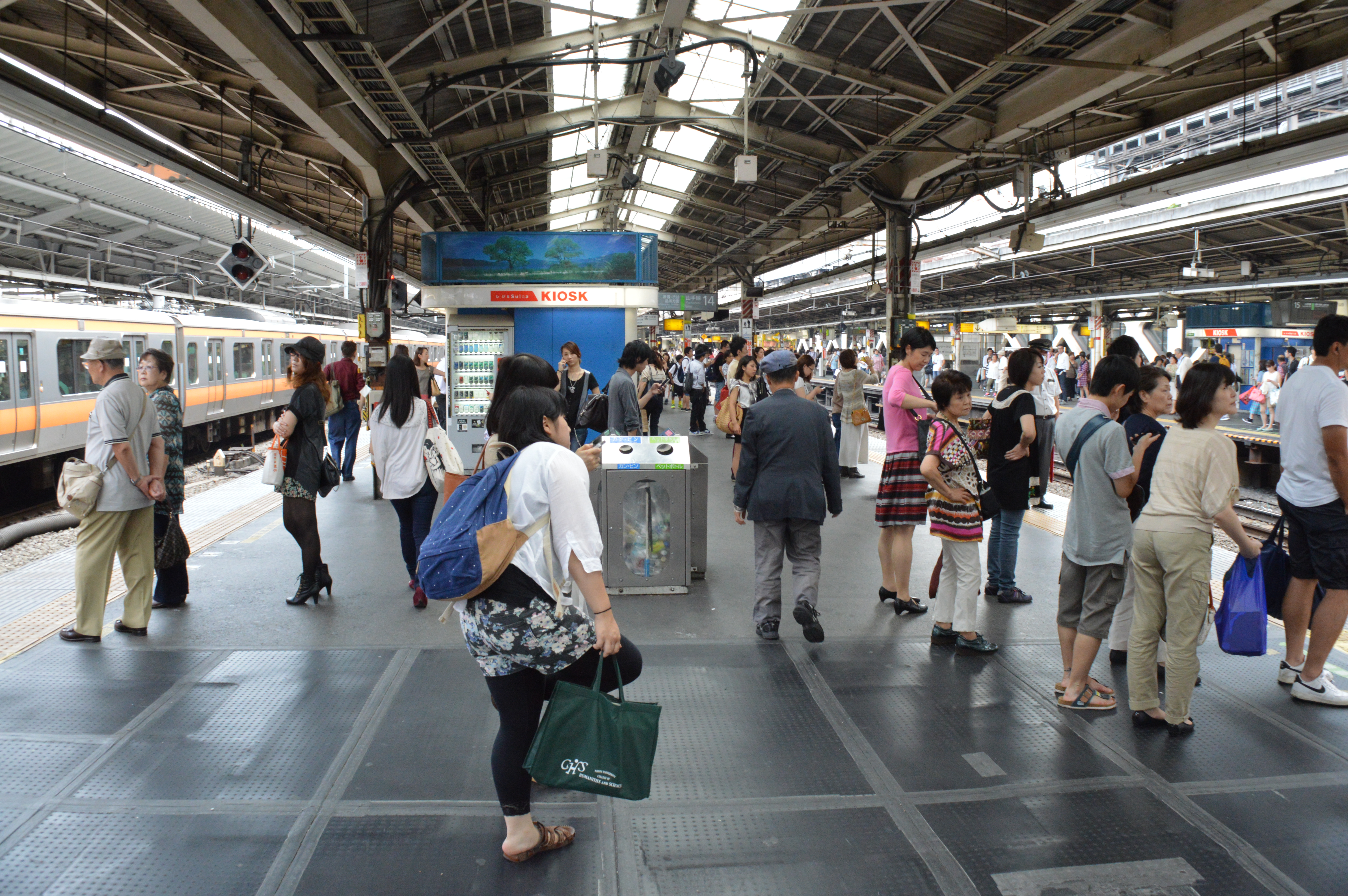
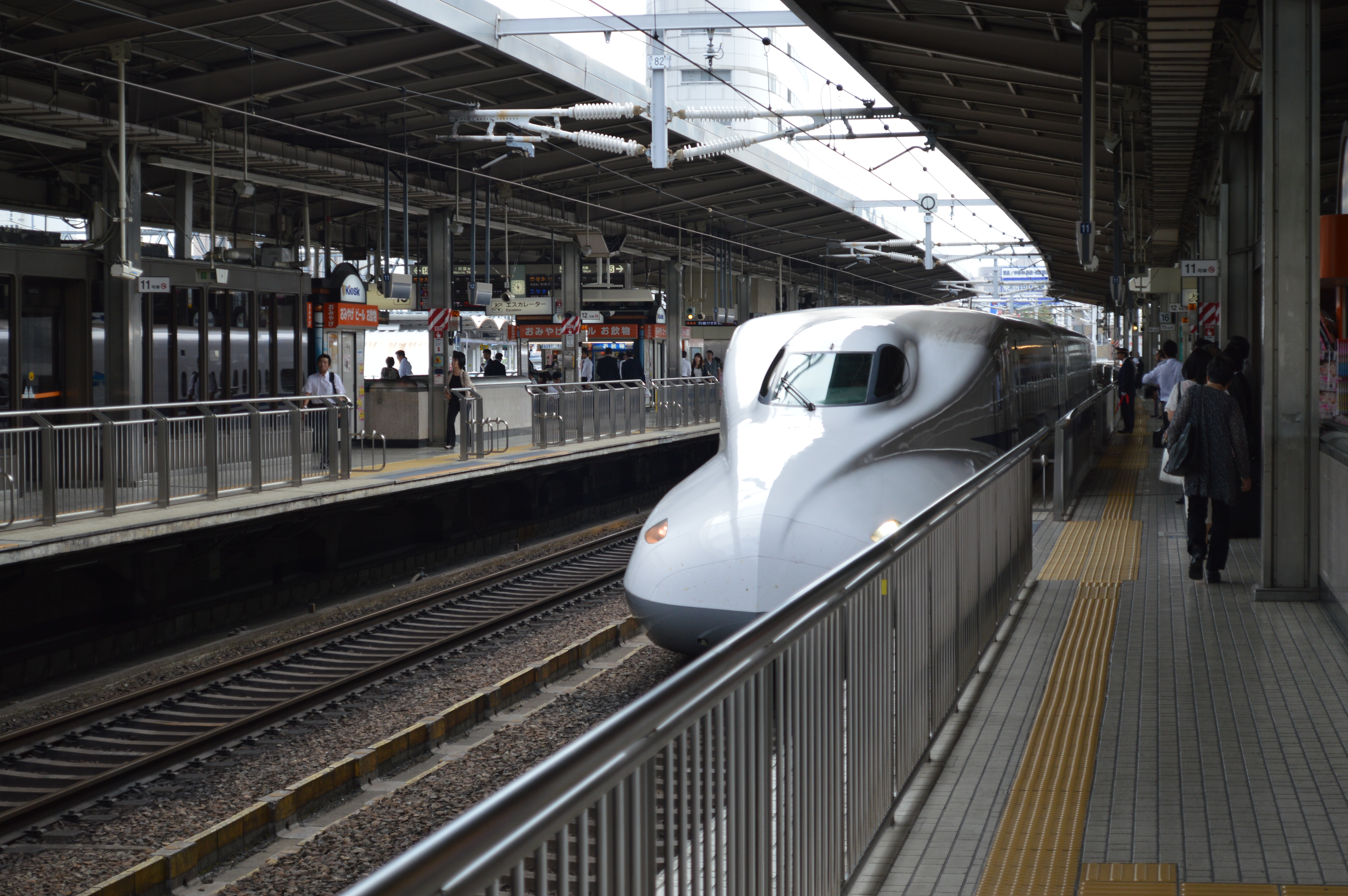
The trains are clean, efficient, punctual, and comfortable. The Shinkansen is fast but relatively quiet. Wide windows allow for good viewing. On one of the routes, the driver continually pointed his hand to the control panel and the trackside signals and signage as he muttered the instructions. Everything was done precisely and accurately. Similarly, the Station Master at Nagoya’s Shinkansen line had turned his profession into an art form. Perfection and dedication – considering there is a lot on the line with the speeds these machines travel! Then, there are the people – lovely smiles, impeccable service and limitless bowing. Continuous melodies piped through the public address system advising and directing passengers both on board and at the platform. On elevators, they queued on the left, ascending and descending, allowing people to walk past. They queued at the platform at the required locations. However, we did not experience rush hour human traffic at any major station. Designated staff pushed passengers into the already packed coaches. I love train journeys and every journey has its own merits. This is no exception either.

An iconic picture is a Shinkansen passing in the valley below the snow covered peak of Mt Fuji. We were inside a Shinkansen in that very picture when passing through Fuji city!