Tokyo – Akihabara, Nihonbashi

Akihabara

untitled-43untitled-44

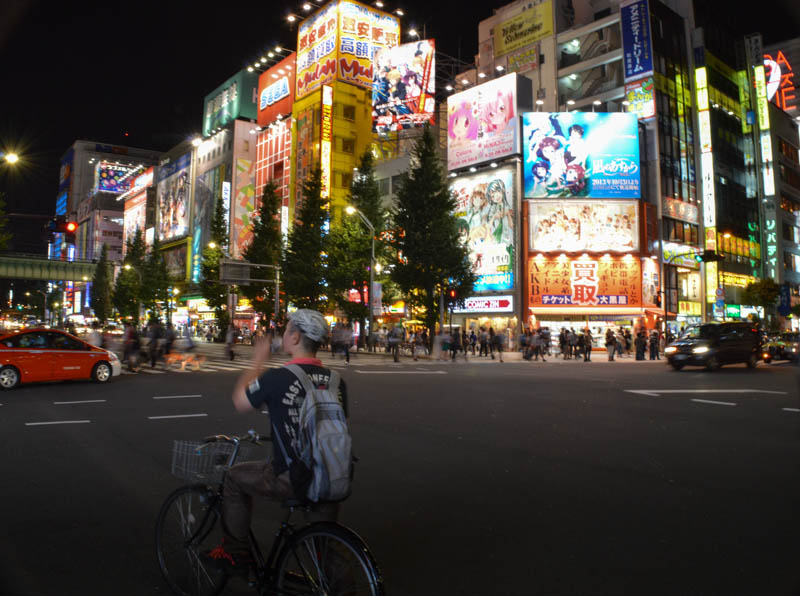
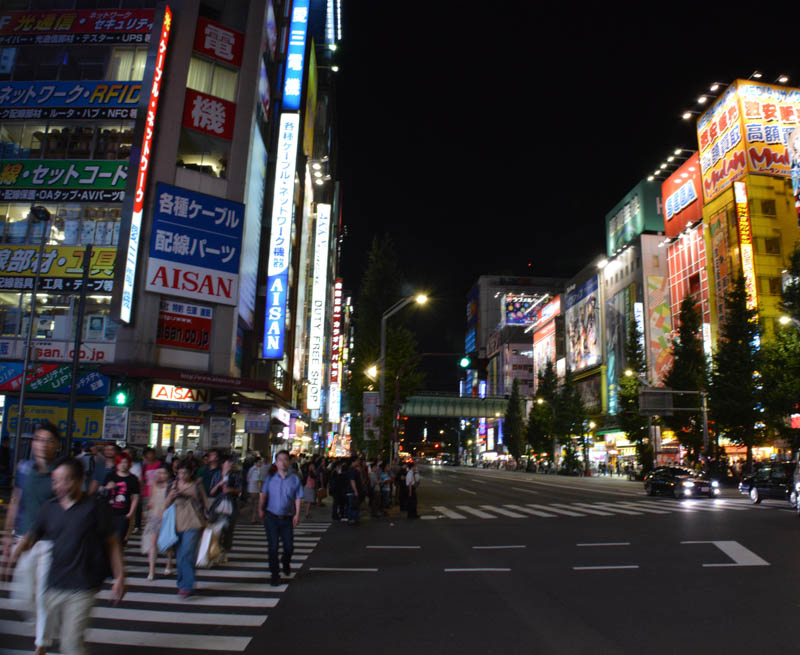
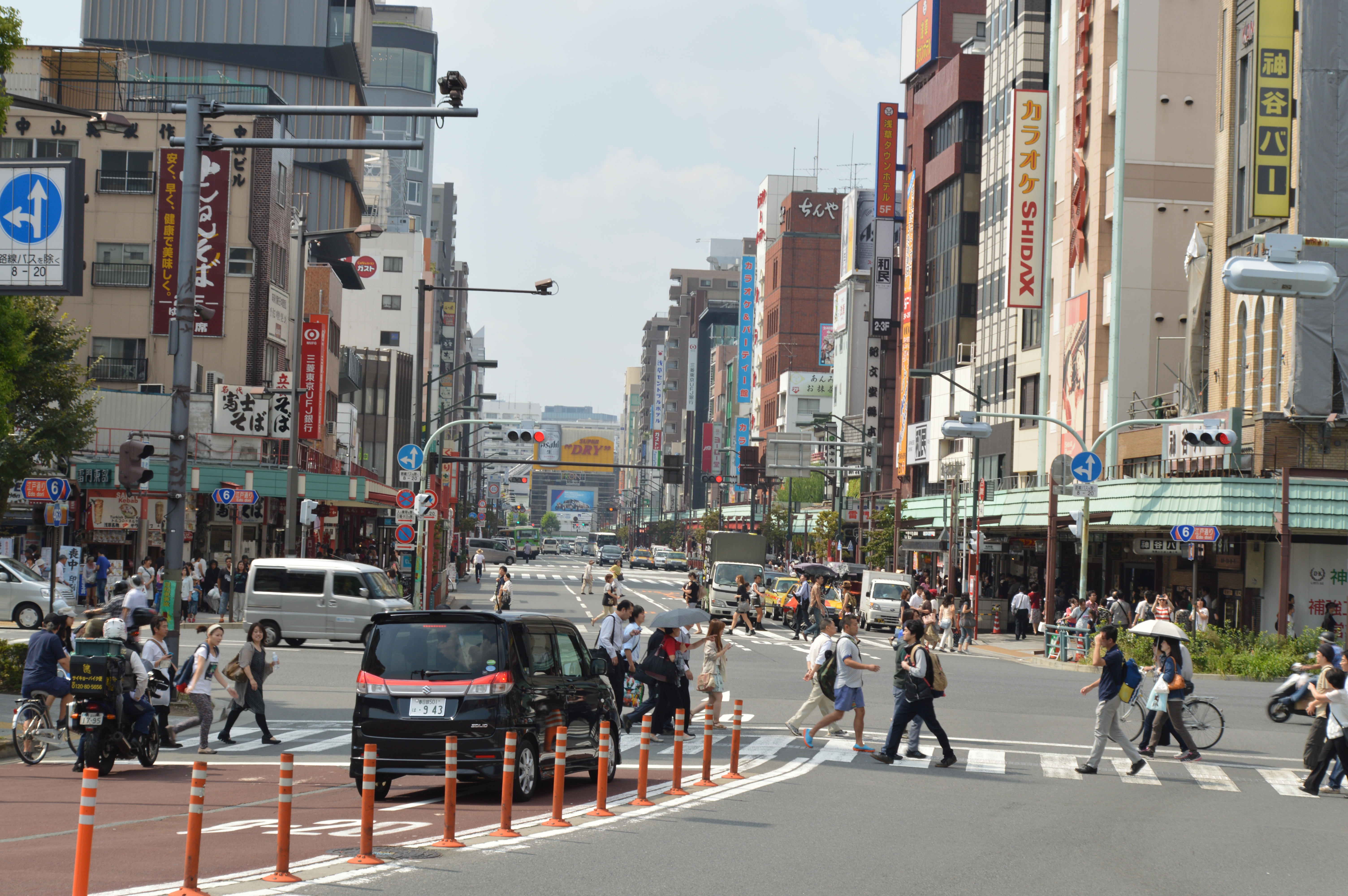
Akihabara in Central Tokyo is the centre for electronic good. A large number of buildings are dedicated to electronics including computers, gaming devices, electronic components and cameras. Besides this, the ever popular manga and anime culture is also glaringly displayed all over in high definition on the big screens. Manga and anime are comics’ depicting from futuristic science fiction to romantic stories. Specialist stores had opened up to cater to this growing culture. Young people even dress up imitating their favourite characters. It is a wonderful sight, adding more colour to the street scene. This culture seems to be unique to Japan.

“…the techno capital of Tokyo…..latest and greatest technology………without buying anything!” – Navindd

Nihonbashi

DSC_0151

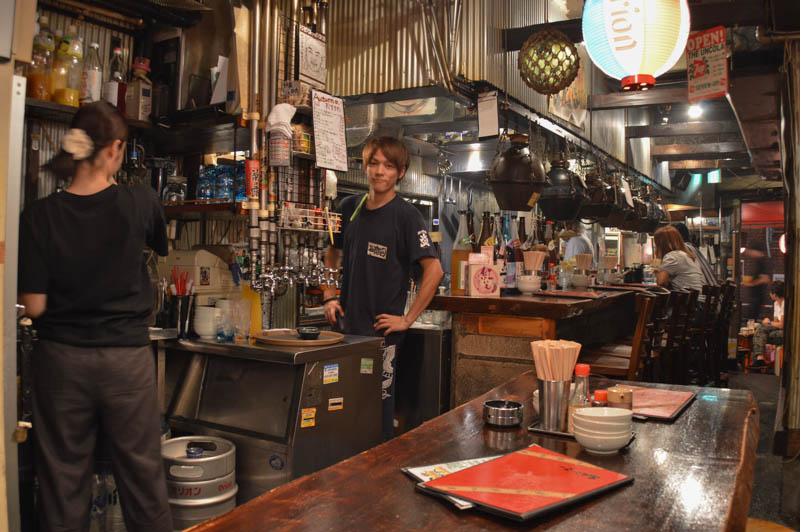
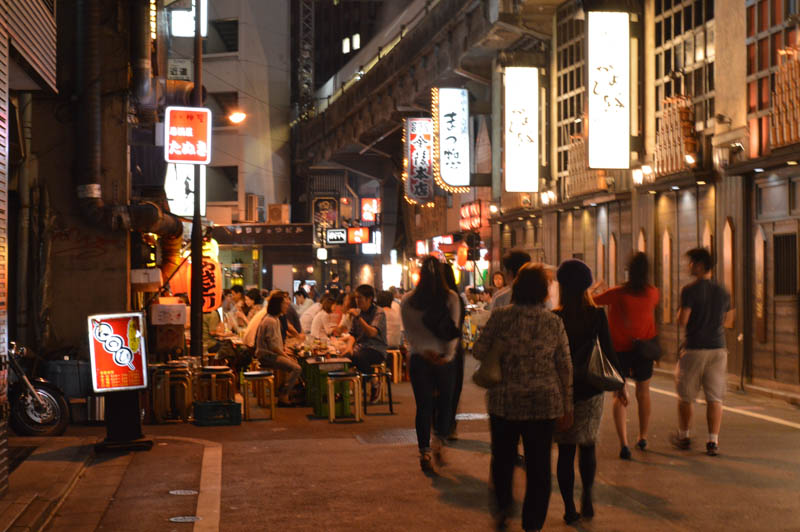
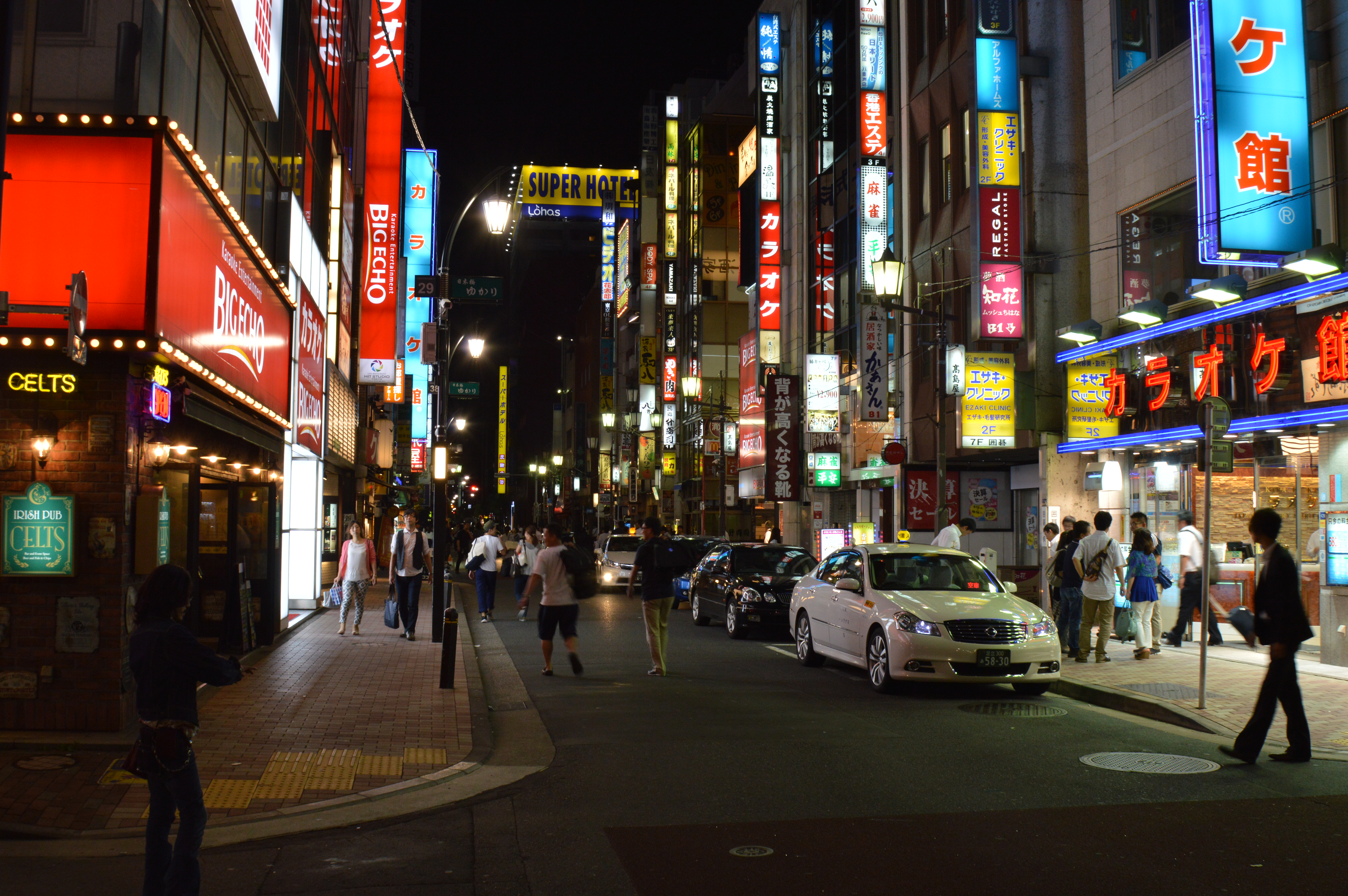
The district next to our hotel is Nihonbashi. I walked here after dinner one night. There were mainly bars and restaurants with neon light lit brightly all along this main road. A few well- dressed burly men stood outside of these premises. It was safe and the mood was relaxed. The location of our accommodation in Tokyo is well situated – near the Tokyo Station, surrounded by restaurants and a vibrant atmosphere.

Tokyo – Ameyokocho

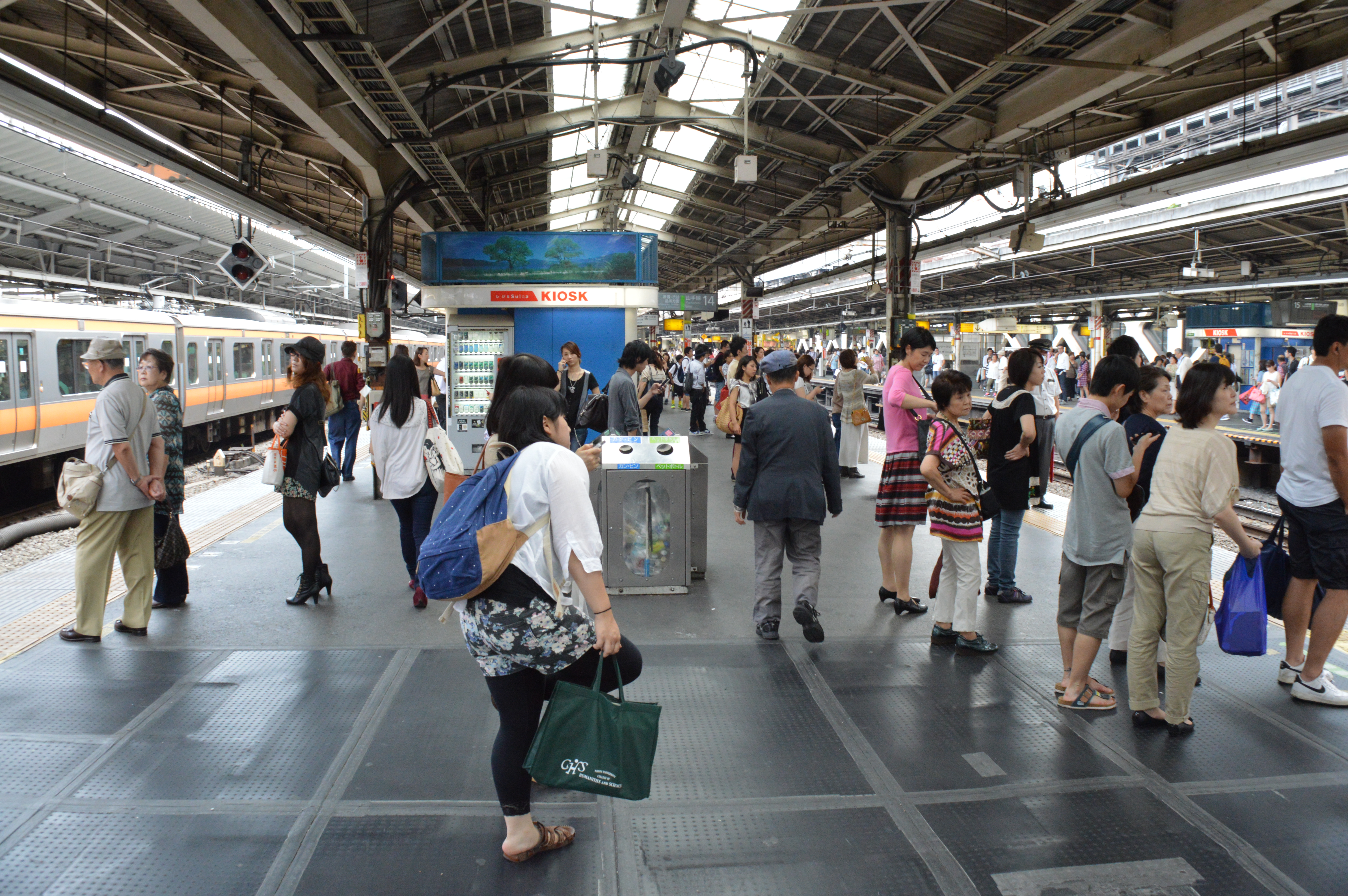
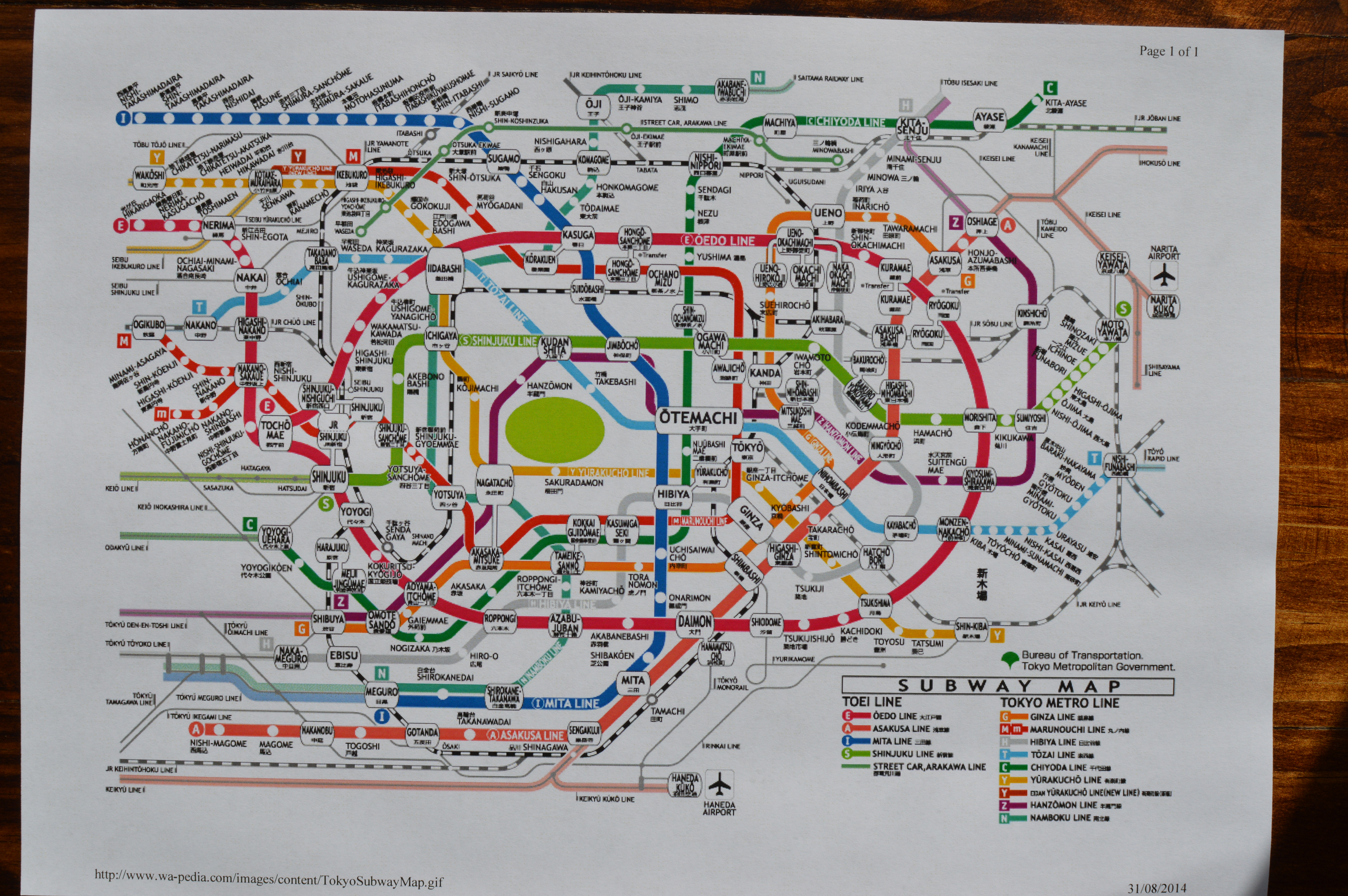
We left the crowded streets of Asakusa with lunch sitting heavily in our tummy and headed to Ueno by train via the popular Yamanote Line. This line basically encircles Tokyo city. The other popular line we regularly used is the Chuo Line. The Japan Rail pass basically allowed us to us to use all the major lines including the “shinkansen”, bullet trains, both, within the city and long distance. It is extremely convenient. Ueno Park is next to JR Ueno Station. It is a green lung in the city. An adjacent Zoo is also located here. Being Sunday, large number of Tokyoite had gathered here with their families. Besides its’ museums and a few temple, Ueno Park is very popular during cherry blossom season as the park is planted with over thousand cherry trees. A group of young boys were practicing a game of baseball – a favorite pastime in Japan. It is a great place to get some shelter from the sun too.

“..a distinct sound of slot machines got louder……this was Pachinko – a Japanese addiction” – Navindd

untitled-39

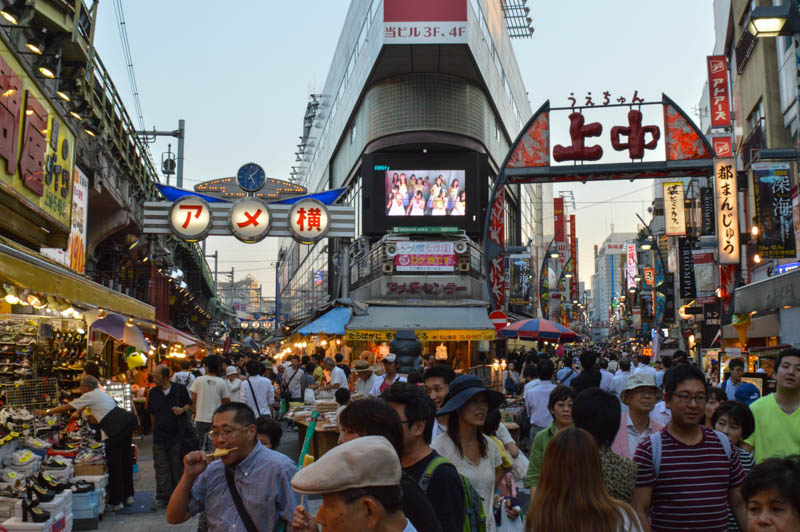
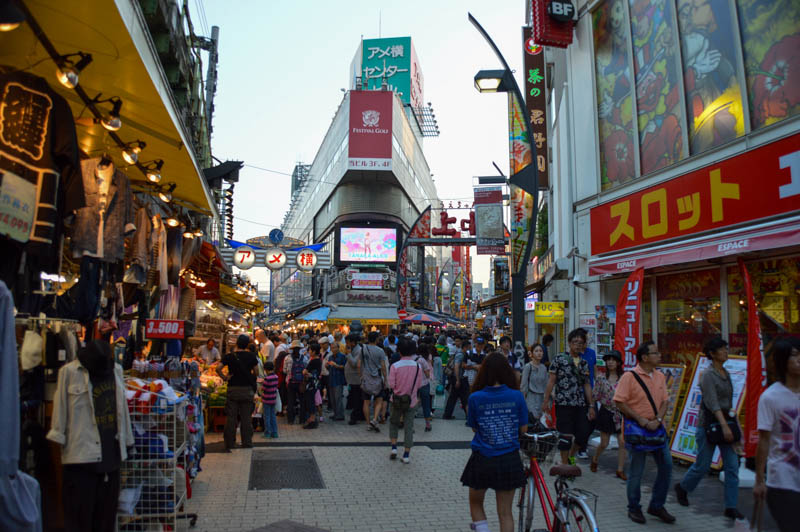
Opposite the park is the busy and bustling Ameyoko-cho located along the rail tracks between Ueno and Okachimachi Stations. Rows of shops sold clothing, bags, footwear, snack food and spices which included imported goods. More shops occupied the space below the Yamanote Line. Neon lights flashed the latest goods and a huge digital screen played the latest music videos. It is a vibrant marketplace and an opportunity to shop local items. As always we tucked into some local delicacies during our walkabout. From Okachimaci Station, we traveled by rail to Akihabara.

untitled-42untitled-36

Tokyo – Sensoji Temple, Asakusa

untitled-31

Sensoji Temple was built in the year 628. It represented to both Shinto and Buddhist worship. Although crowded, worshippers made their way to the main alter with their intentions known. They knelt before a huge statue of Buddha in a low lit hall with light provided by a few lanterns hanging on the ceiling. However, the golden face of the Buddha was glistening. Pilgrims and tourist alike paid their respects. With their hands clasped and head bowed down, they moved slowly in a clockwise direction. Incense was lit. The smell permeated throughout the hall in the still air. At a corner, people tossed a box containing rolled paper until one piece popped out. Apparently their fortune is written on this piece of paper. They did this religiously too. I was amused. Driven by faith, anything can be believed.

“the smell of incense got stronger as we approached the main hall” – Navindd

untitled-33

untitled-35

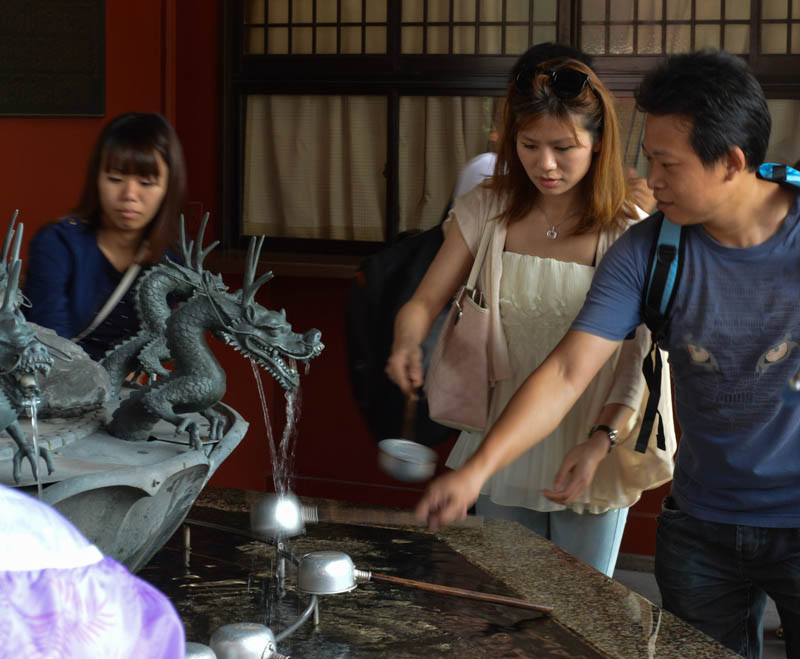
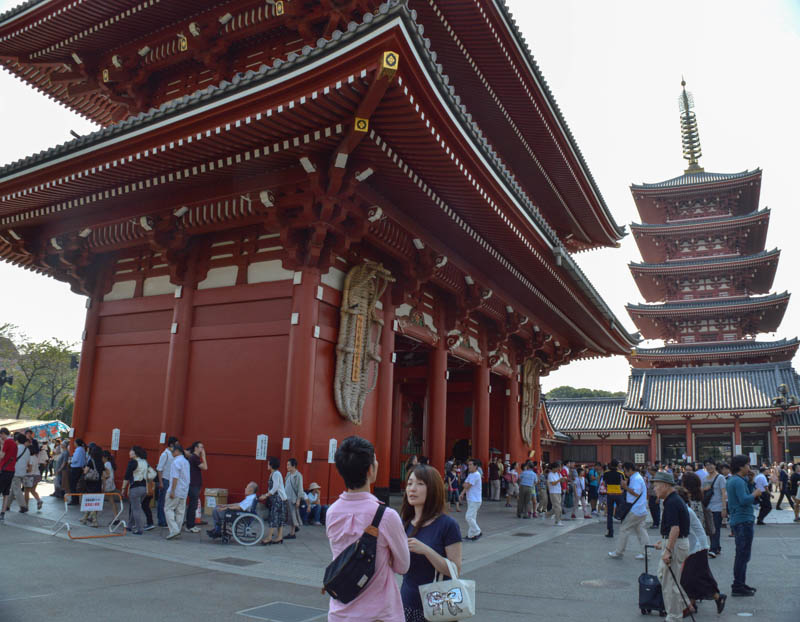
In one area, donations counters were set up. With a small contribution, one could buy a roof tile with drawings and writings of their choice. This will go towards replacing existing tiles or for a new building -a novel way to contribute. At a shed near the entrance to the hall, water flowed out of a brass dragon’s mouth. This is a ritual for purification and a set of pictorial sketches showed the correct method. Pilgrims gathered here and washed their head and mouth. A five storied pagoda rose tall adjacent to the hall. A small manicured garden provided some greenery and relief from the strong sun.

untitled-41

untitled-40

untitled-18

untitled-35

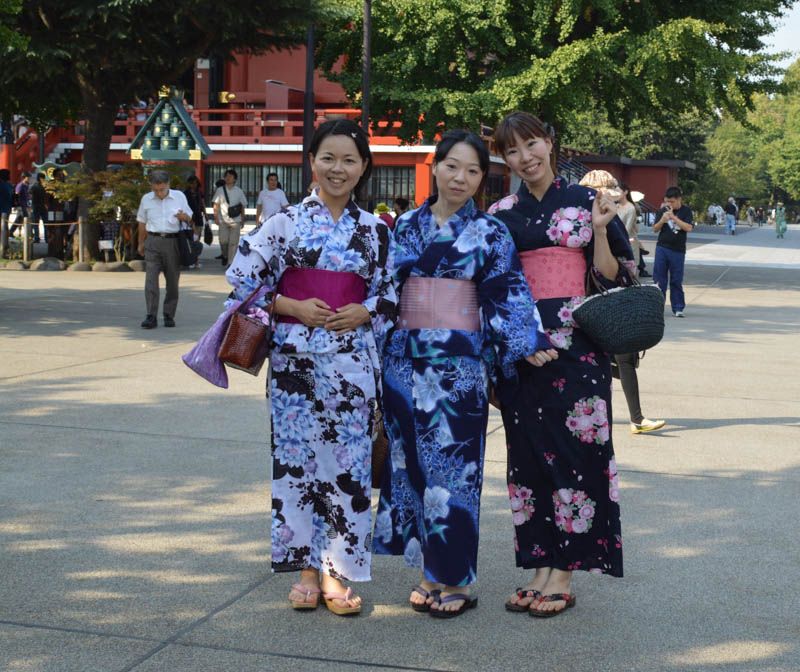
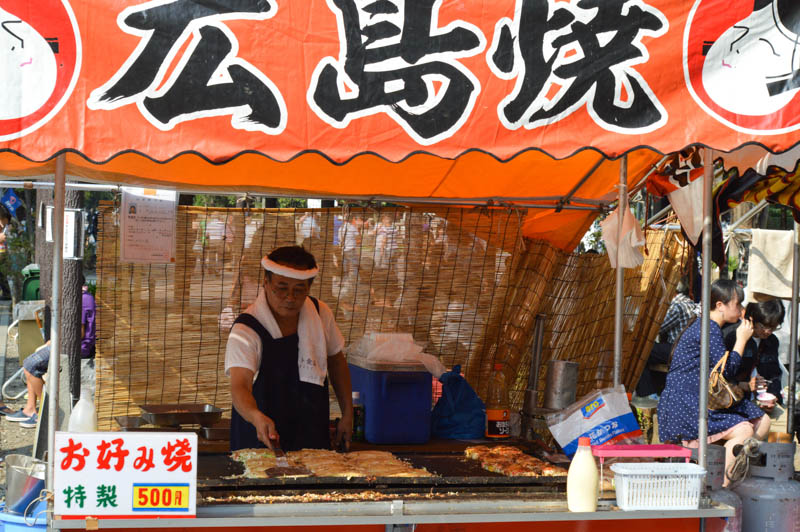
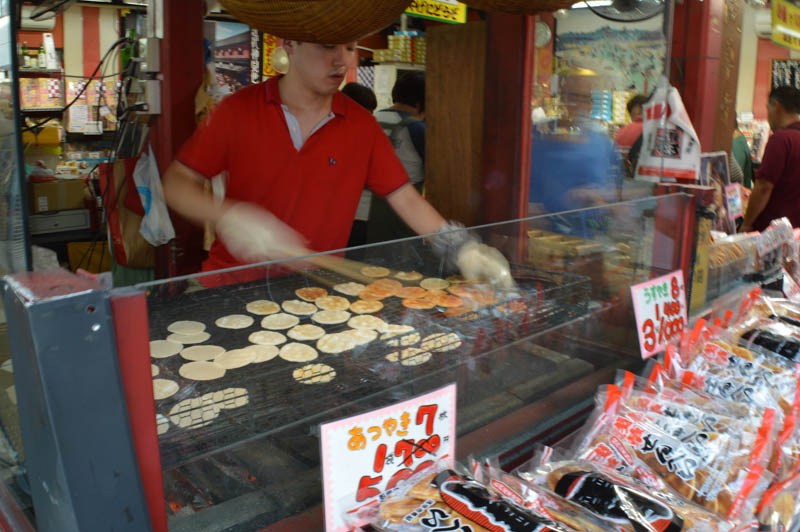
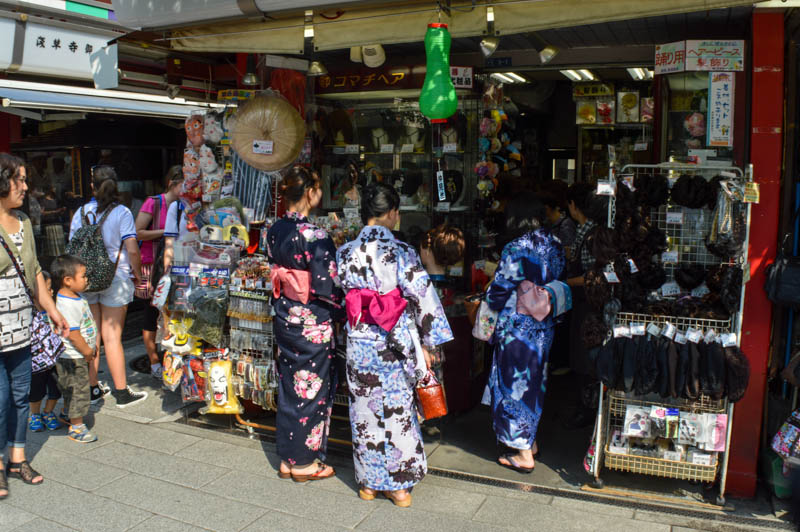
At the perimeter of the temple compound, three young women dressed in traditional kimono added very nostalgic scenery. A man was busy under the heat of the day and from the hot plate where he was cooking up a local thick pancake-like dish called “okonomiyaki”. Expectedly, a long queue appeared at an ice cream parlor.

From here we walked to another shopping area called Kappabashi. The locals shop here for household items. The weather was quite uncomfortable and we were getting hungry as well. It was late in the afternoon. Shopping had to be put off for the moment.

We walked along a narrow street and entered into a restaurant with raised wooden floor. This restaurant’s specialty is “okonomiyaki” dishes. Seated on the floor with a hot plate in front of us, the ingredients were placed on the table. Mixed vegetables with some meat and mixed into a batter. The host showed us how it was done. I ended up doing the other. Navindd helped to turn over the flat bread like dish like a pro. Sweat poured out while dining as the heat from the hot plates radiated through the small room. The dish was alright but we felt heavy in our belly afterwards. The heat from the sun was unrelenting.

Tokyo – Harajuku, Ryogoku

 Harajuku
untitled-69 untitled-70

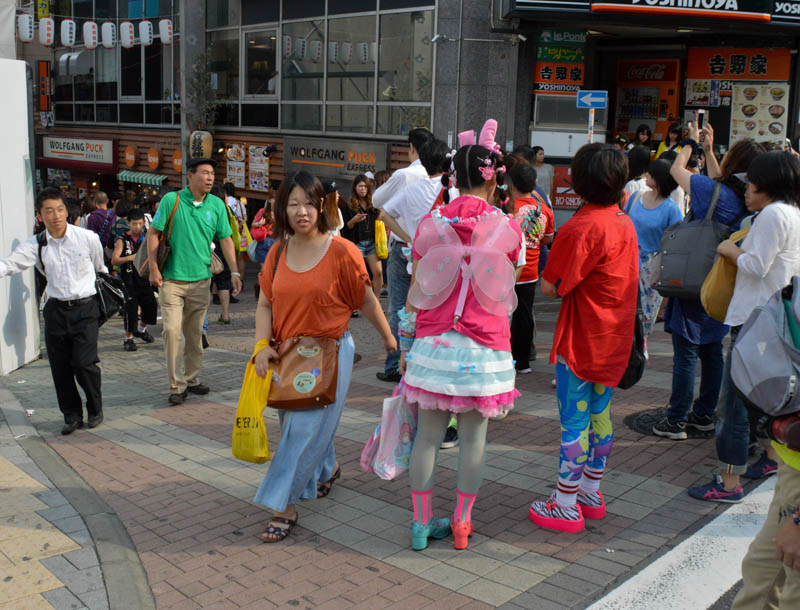
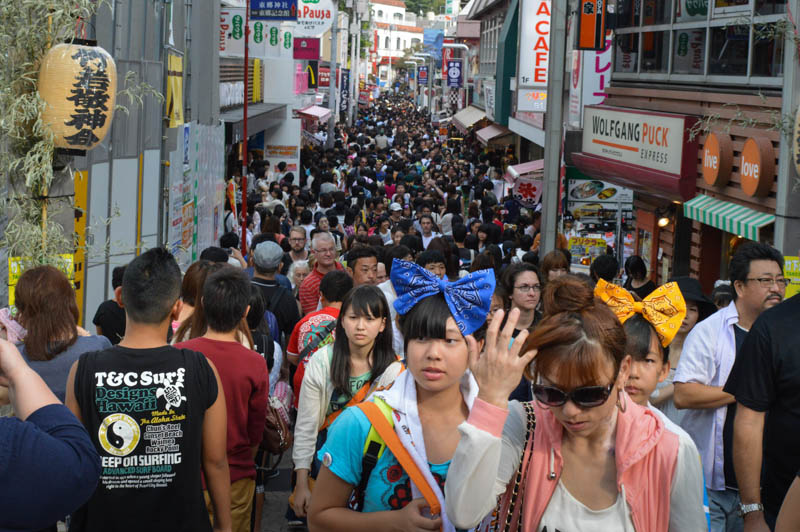
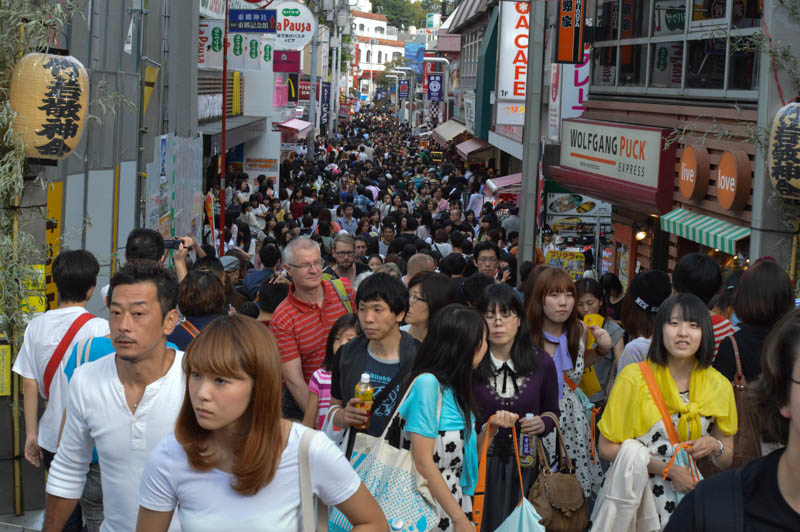
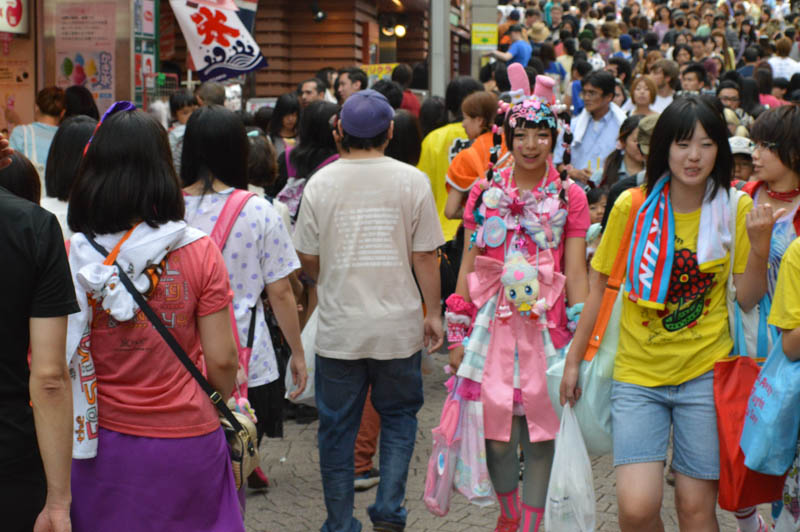
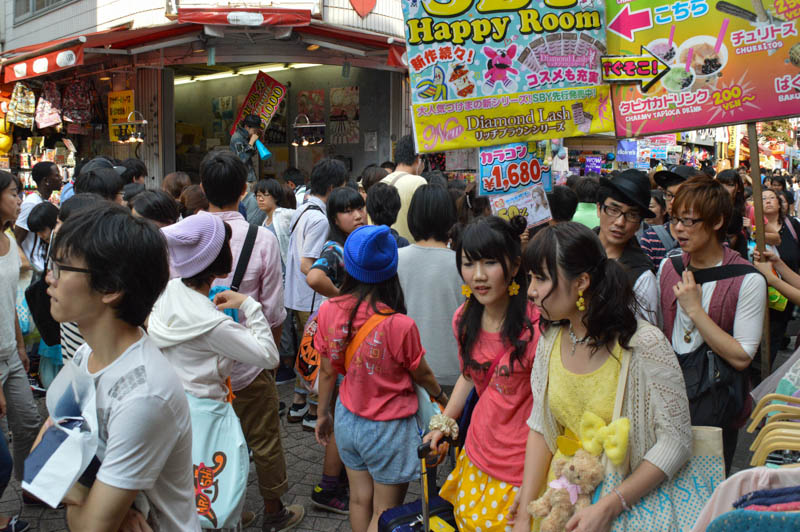
After a nice meal at Shinjuku, we hoped back onto the Yamonote Line to Harajuku. This place is popular with trendy shopping and cosplay or costume play – where individuals dressed up and imitate the characters from manga, anime or computer games. The train station was packed shoulder to shoulder with people. Very orderly everyone exited the station. The popular Takeshita Dori was similarly crowded especially with young girls. And there, a teenager, dressed flamboyantly in a character paraded up and down the street. Make- up, lively attire, sparkling costume jewellery and chic hairstyles are part of this popular teenage culture that happens every Sunday. It is an eccentric way to break away from the norm.

untitled-71 untitled-72 untitled-73 untitled-74

Other than people watching, this street is lined with fast food outlets, cafe, retail shops, costume jewellery, fashion boutiques and more. It was great just to wander. On Omotesando, trendy designer brands were on offer in a boulevard street lined with shady trees. In contrast, there were mainly adults with cash to spend. It was a good walk and we headed back to the colonial looking train station. Armed with the handy JR Pass, we took the train across Sumida River to another Japanese icon – Sumo wrestling in Ryogoku.


Ryogoku

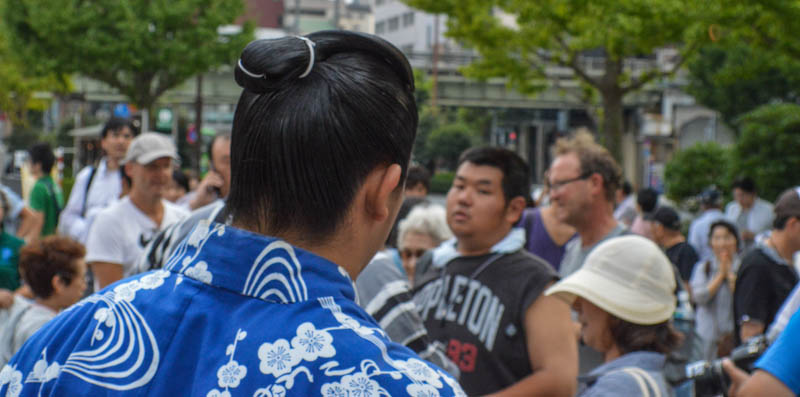
“Sumo wrestlers were mobbed by the locals …..Something of celebrities in Japan” – Navindd
untitled-76

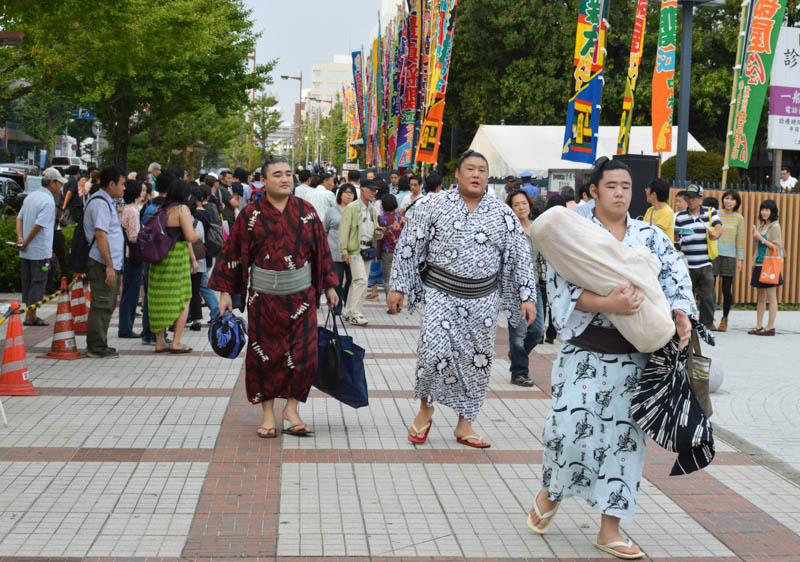
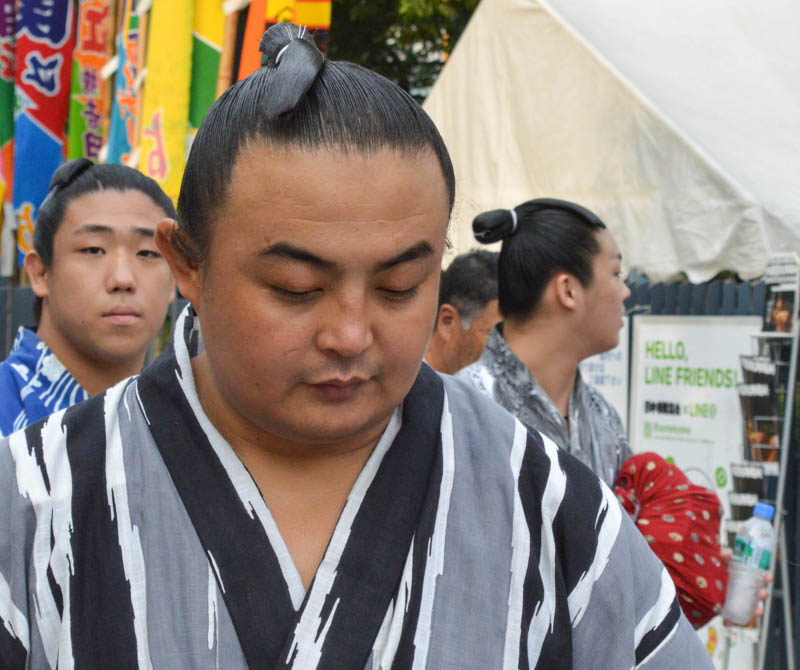
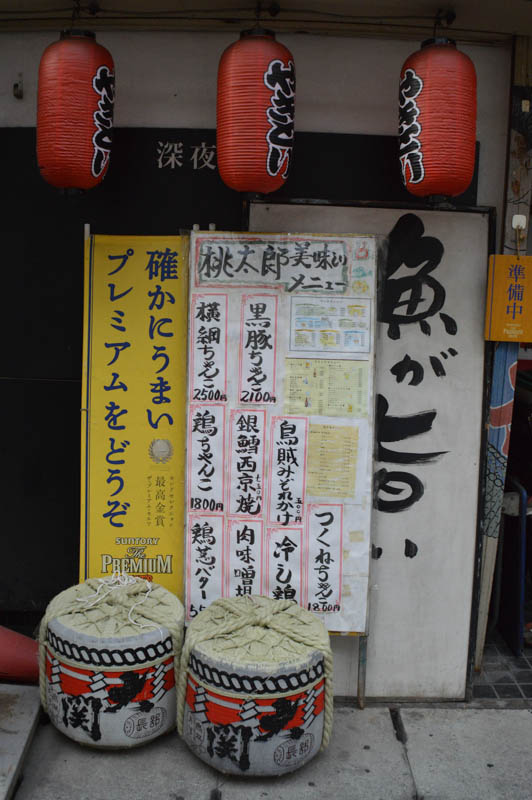
September is sumo season in Tokyo. Tickets are in demand but we headed there anyway. Ryogoku Stadium is a short walk from the station through the old neighbourhood. Inside the stadium, the great sumo wrestlers take to the ring for battle. Sake containers at the entrance of a few establishments indicate the national drink is available. A small crowd waited outside Kokugikan Stadium. Unluckily, all tickets were sold out except the pricy box seats. We were disappointed. A few sumo wrestlers came out from the tournament. They were mobbed by the visiting crowd. They obliged. They were of different body weights. With their hair tied up neatly, dressed in loose “yukata” and sash, they commanded respect. This Japanese icon was exclusively for Japanese only. Today, however, a few foreigners have been accepted. There are a few Sumo stables – where the wrestlers live while in training, in this area. It is a strict discipline and required commitment. We headed back to the station. A few men and women walked on the street in traditional dresses – kimono and “yukata”.

untitled-78 untitled-77untitled-75

Tokyo – Asakusa

DSC_0069

DSC_0075

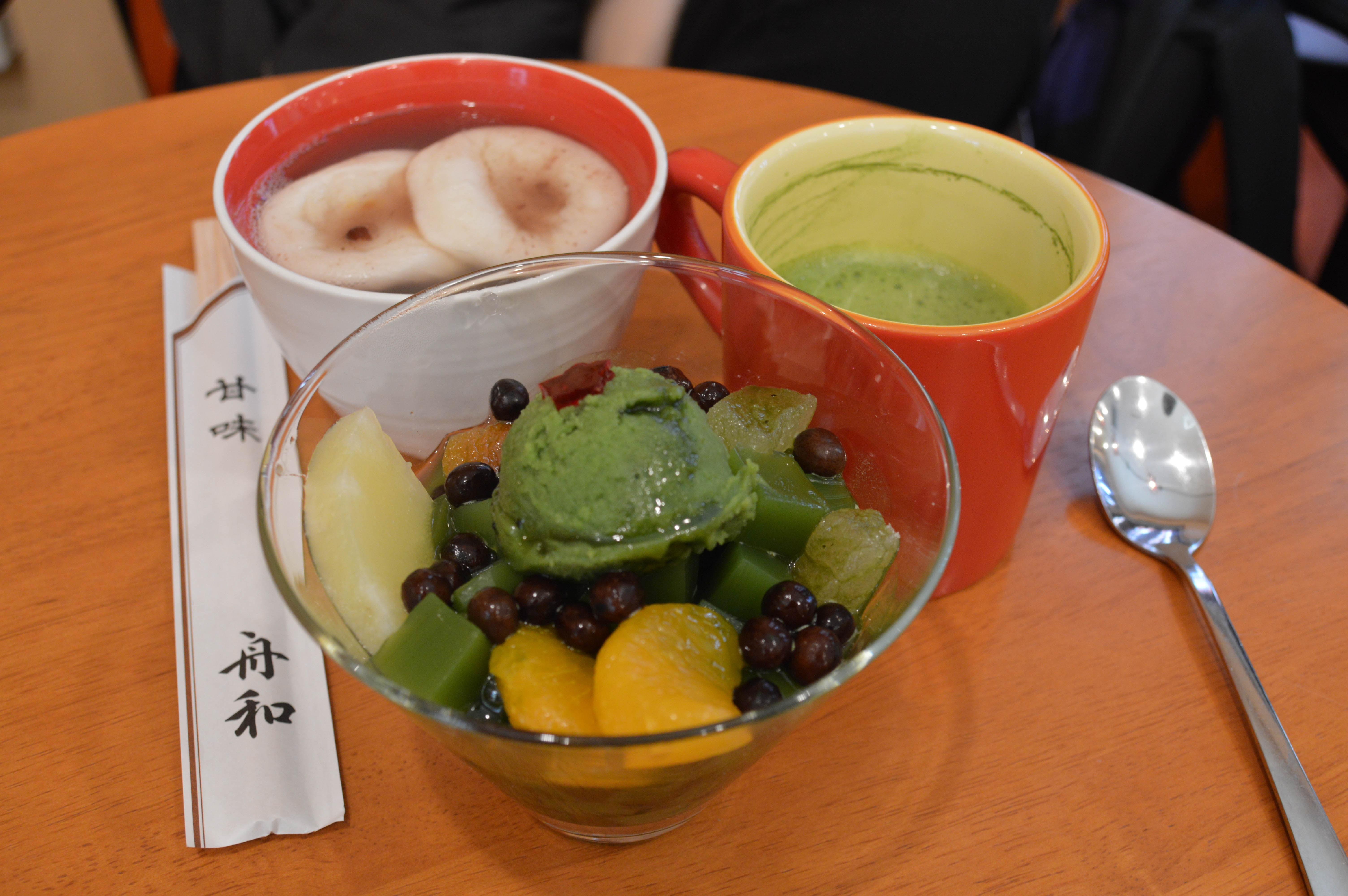
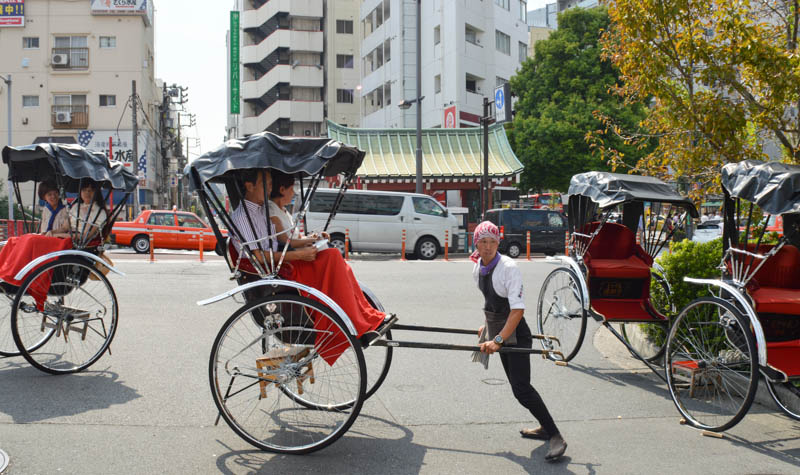
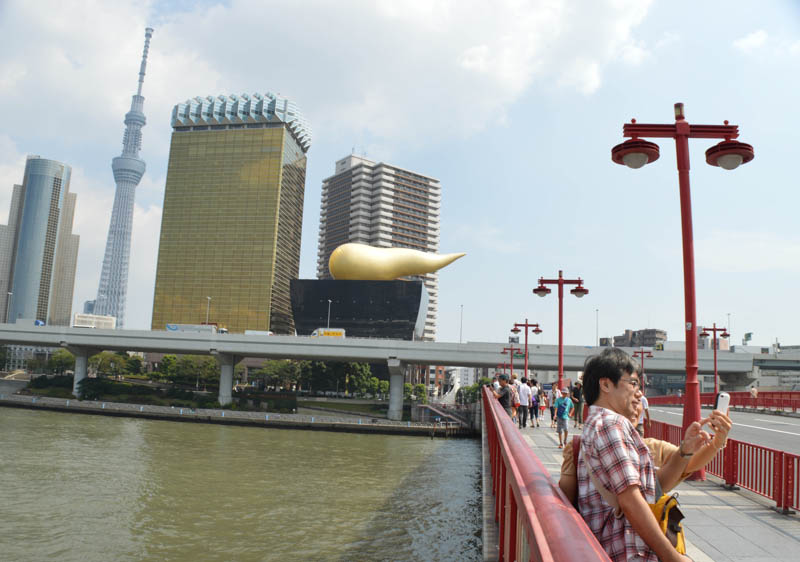
The boat ride was pleasant and provided an opportunity to observe the backwaters of the old neighborhood. The river journey passed under several bridges that connected east and west of the Sumida River. Across Asakusa pier is the sky piercing 634m Tokyo Sky Tree. In the foreground is the Asahi Beer Tower with its unique flame symbol. At a nearby bridge, bright rickshaws pulled by energetic young men and women provided an alternative to walking in this historic region. The day was cloudy but hot. A cold local desert, mocha ice cream with red beans and slices of oranges peels, was a treat in the heat of the day. Re-hydrated, we headed into the busy Kaminarimon Street towards the popular Sensoji Temple.

untitled-23 untitled-22

Asakusa, a district in Taito, Tokyo is the centre of Tokyo’s “shitamachi”, literally “low city”. During the Edo Period (1603- 1867), Asakusa was the entertainment district, site of kabuki theatres and a large red light district. It is Tokyo’s oldest geisha district. Today it is popular as one of Japan’s premier temples, Sensoji Temple, located here on the west banks of the Sumida River. Another important feature popular with the locals, is Kappabashi, a shopping street. I found it relaxing and uncrowded. The wide streets are easy to walk with plenty of eating outlets.

untitled-29 untitled-25

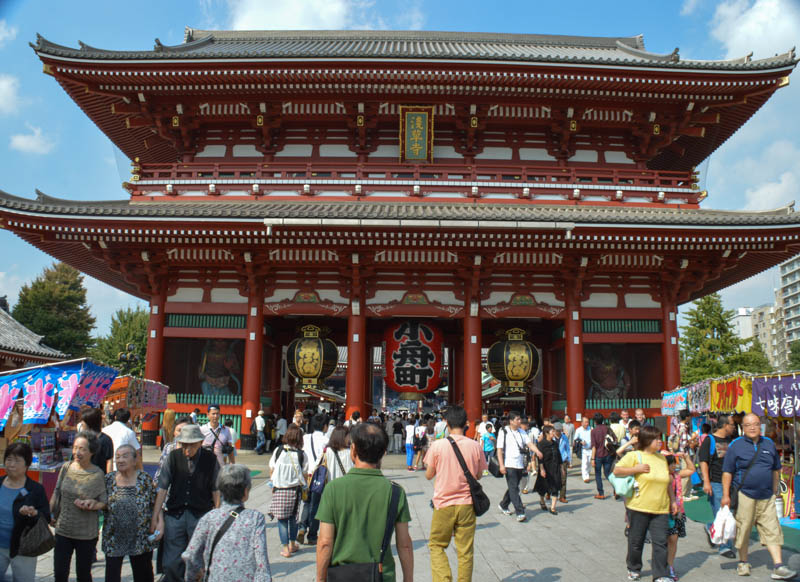
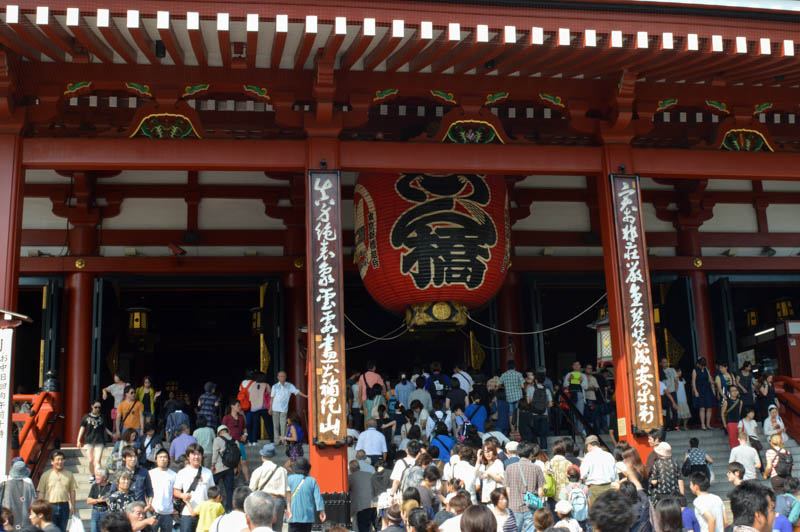
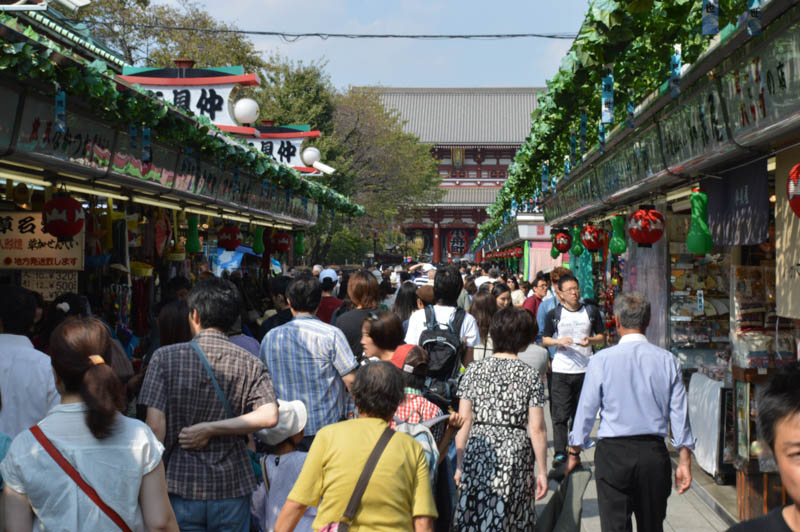
From the pier, it is a short walk to Kaminarimon Gate, “Thunder Gate”, and the gateway towards Sensoji Temple. Two gods guard the entrance on either side. It was crowded. This pathway led to the delightful Nakamise Dori. Throngs of people, some in traditional costumes, walked through the crowded and delightful Nakamise Dori leading towards Sensoji Temple. There was a spirit of festivities. Towards the end of the street was another giant red gate, the Hozomon Gate. A giant lantern hung in the center as pilgrims and visitors passed below.

untitled-27 untitled-30

untitled-28 untitled-26

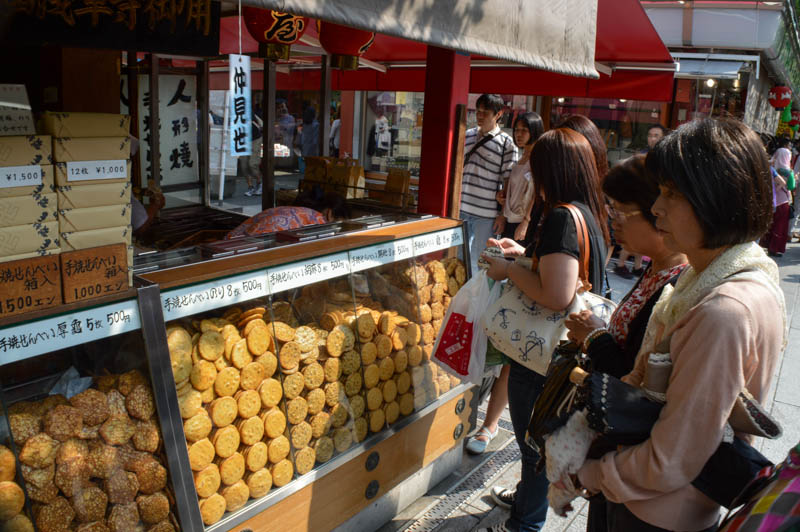
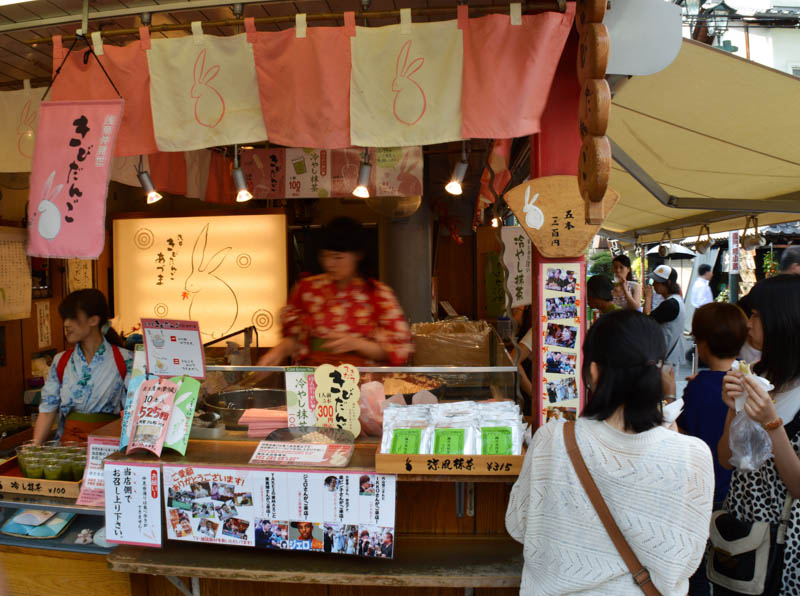
An array of snack food including “sanbei”, a baked cracker spread with miso, red bean paste filled pancakes, soft dumplings and my favorite sweet sticky “mochi”. A variety of packaged gifts including folding fans, “yukata” and decorated dolls, enticed the visitors. It was exciting to see some women dressed in traditional colorful kimono. A few side streets extended from Nakamise Dori. These streets were less crowded and gave a sense of old Tokyo. The houses built from wood, lattice windows and tiled roofs. Back on the main street, business was brisk, cries from vendors to attract visitors with their wares, sweet aroma of delicious delicacies wafted through the air. As usual, we snacked along the way sampling local specialties. Being a long weekend with Monday a public holiday, the crowd had built up. However, the flow of the human tide was smooth and casual.

Japan – Train Experience

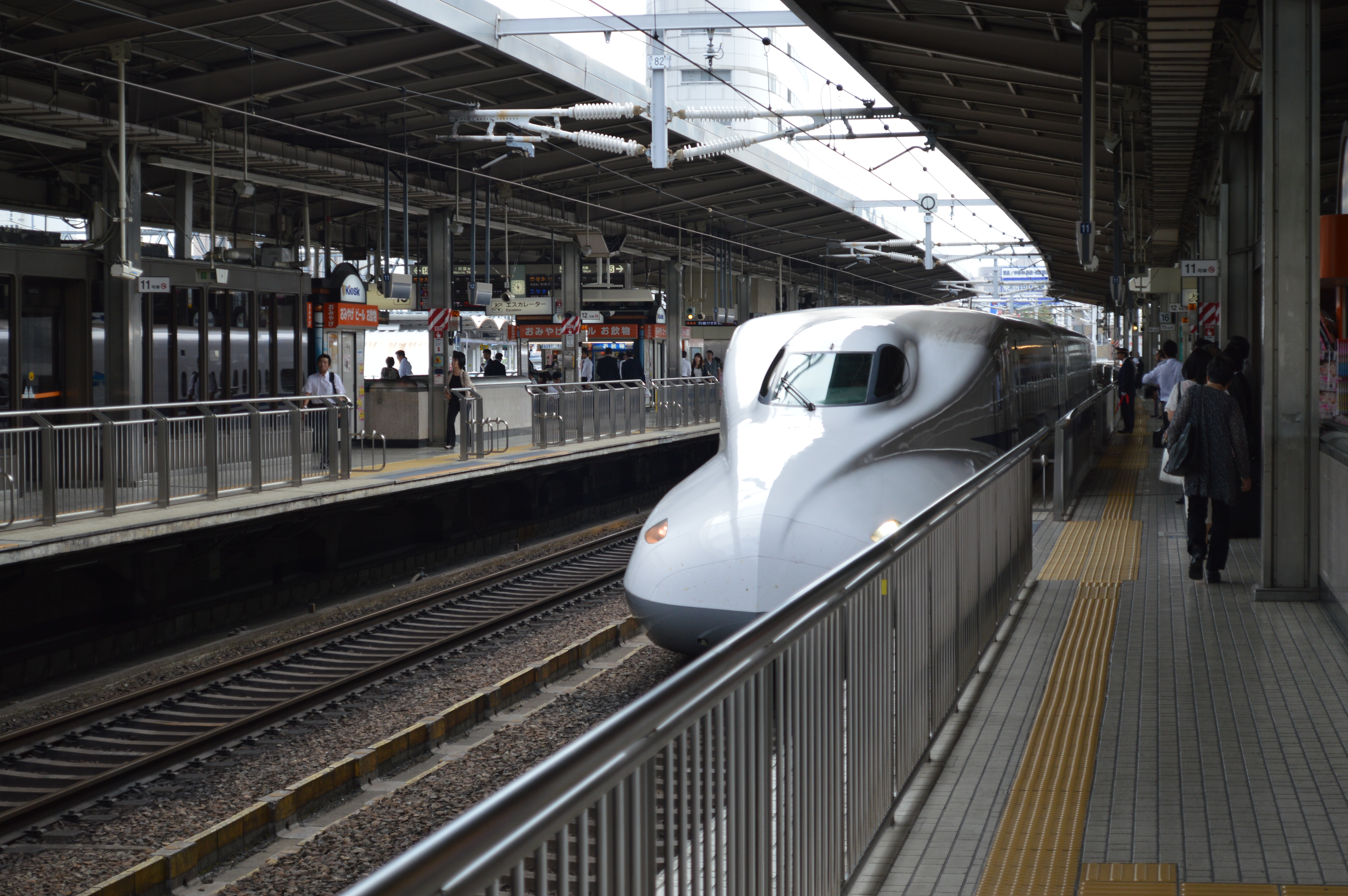
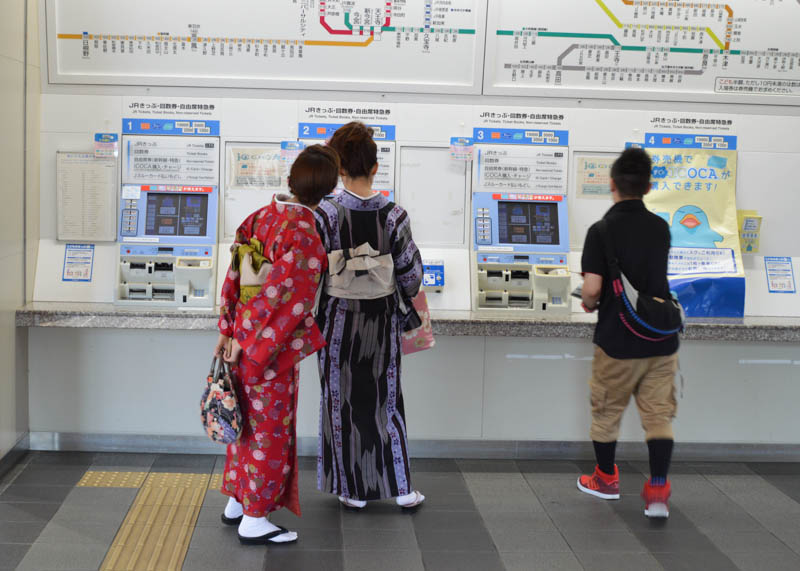
The train network in Japan is reliable and extensively connected. There are many types of trains including the Shinkansen; ordinary train; night trains; limited express; express; rapid; local trains and so on. Then you have seat types – ordinary, green car, reserved and non- reserved. For a foreigner, like us, the most important and convenient is to obtain a Japan Railway (JR) Pass valid for 7 or 14 or 21 days. However, be warned that these passes can only be purchased at home and not upon arrival in Japan. For a fixed price (initially, it may be seem pricy), you literally get to anywhere within the network including reserved seats and the Shinkansen. The convenience comes when we just flash our passes to the JR staff at the counters (not the automated rotating doors). No queuing to purchase tickets on the automated systems (with instructions in Japanese), having the correct change, knowing which and type to purchase…..All these uncertainties are eliminated with a JR Pass. Furthermore, there is no rush to get tickets if there are connections or onward journeys. Just flash and go! It may look complicated to find which platform or track we need to be, especially if transfers which only allowed 3 to 5 minutes. Firstly, ask the staff at the counters when flashing the JR Pass or plan with this wonderful website – Hyperdia.com. I planned all our journeys based on this site alone – departure times, options for transfers’ and connections, required duration of travel, towns and cities to detour, etc. Armed with these two, hello Japan!

untitled-4

untitled-194

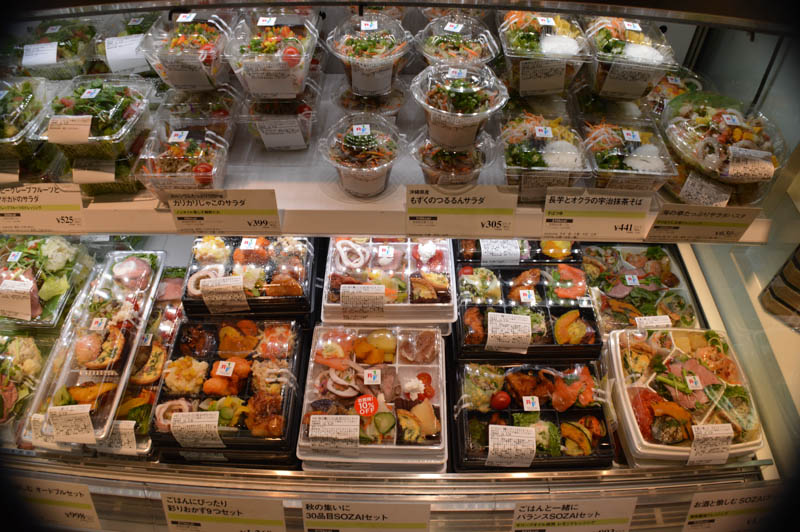
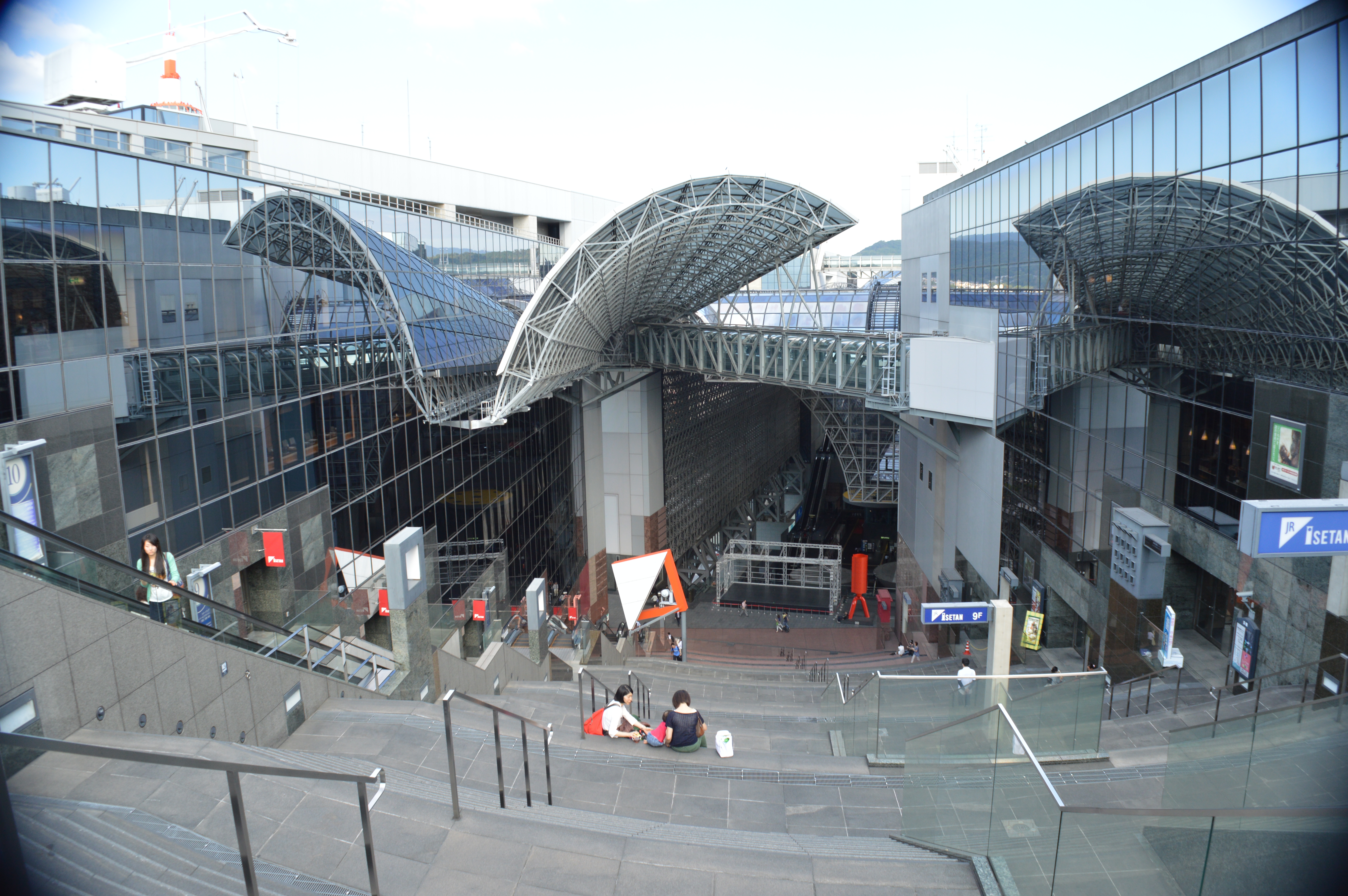
The fascinating thing about train travel in Japan is the convenience. Beside the network, nearly all, particularly the big stations like Tokyo, Shinjuku, Nagoya and Kyōto, have been in-built within department or shopping complexes. In Tokyo Station is the Daimaru Department store, in Nagoya – JR Central Towers mega- complex and in Kyōto – Isetan Department Store. Sometimes, several floors of eateries – a convenient way of feeding people on the move. There are numerous in these clinical clean stores. Takeaways, dine-in, cute bento boxes, endless choices of dishes to cater everyone’s needs. Then you have the entire desert floor to go through. We loved it. The cost of food here is reasonably priced. However dine-in restaurants are pricier. All these, the design and convenience are planned to cater to the thousands of daily commuters. Ingenious!

untitled-276

DSC_0011

DSC_0203

DSC_1075

The trains are clean, efficient, punctual, and comfortable. The Shinkansen is fast but relatively quiet. Wide windows allow for good viewing. On one of the routes, the driver continually pointed his hand to the control panel and the trackside signals and signage as he muttered the instructions. Everything was done precisely and accurately. Similarly, the Station Master at Nagoya’s Shinkansen line had turned his profession into an art form. Perfection and dedication – considering there is a lot on the line with the speeds these machines travel! Then, there are the people – lovely smiles, impeccable service and limitless bowing. Continuous melodies piped through the public address system advising and directing passengers both on board and at the platform. On elevators, they queued on the left, ascending and descending, allowing people to walk past. They queued at the platform at the required locations. However, we did not experience rush hour human traffic at any major station. Designated staff pushed passengers into the already packed coaches. I love train journeys and every journey has its own merits. This is no exception either.

An iconic picture is a Shinkansen passing in the valley below the snow covered peak of Mt Fuji. We were inside a Shinkansen in that very picture when passing through Fuji city!

Tokyo

DSC_0086

Tokyo is a city of contrast but embodies Japan. The metropolis is crowded with concrete and steel high rise buildings. In its tidy road network, all kinds of vehicles are employed – rapid trains, metro systems, bullet trains, road vehicles including bicycles and even pull carts (mainly in tourist areas). Then there are the huge train stations, incorporated within the mega department store buildings, providing rapid movement of people and utilisation of limited and expensive real estate. We loved these stations, particularly Tokyo and Shinjuku stations. The city is clean and we hardly found any rubbish bins. With neon lit signage of all sizes in practically every street, there are in contrast, the “merchant” streets with subdued advertisements. Temples and shrines, some ancient, shared the same air space as the towering buildings. Asakusa, in particular is such a place.

The people, however, unlike the iconic kimono clad images we were familiar with, were mostly in western style dressing. Then, there are the eccentric dressed young people, mainly girls, in places like Harajuku. They break all the traditions and adopted the new “cosplay” and storytelling “anime” characters. However, the people with their “Japanese way” are a wonderful asset and credit to Japan. I am glad that this aspect of the culture is retained. In a mega city like Tokyo, people actually connect, acknowledge and even say a few words. In most large cites of today, we have become more distant. With innovations in technology, the gap had widened. People to people interactions are declining.

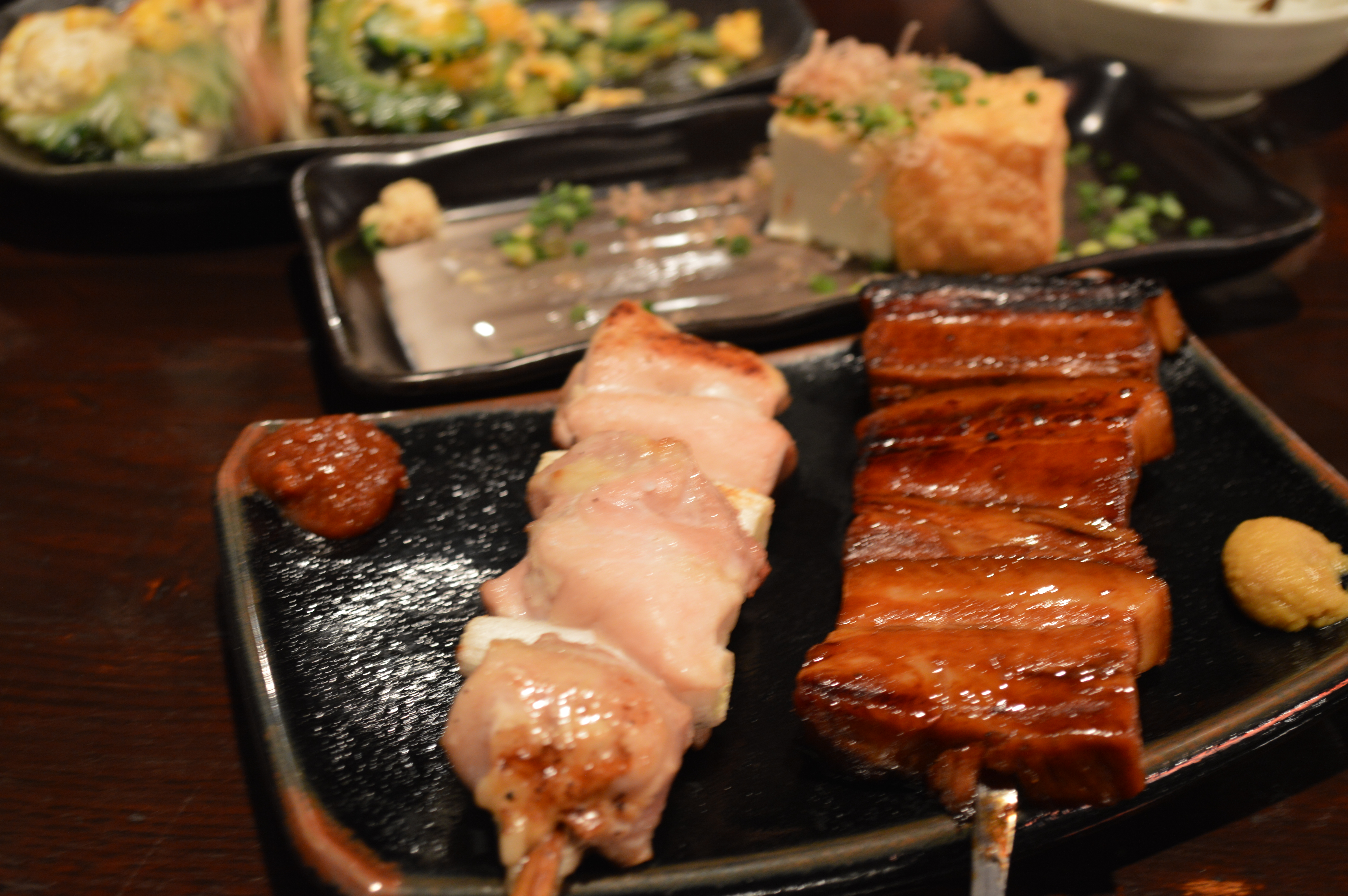
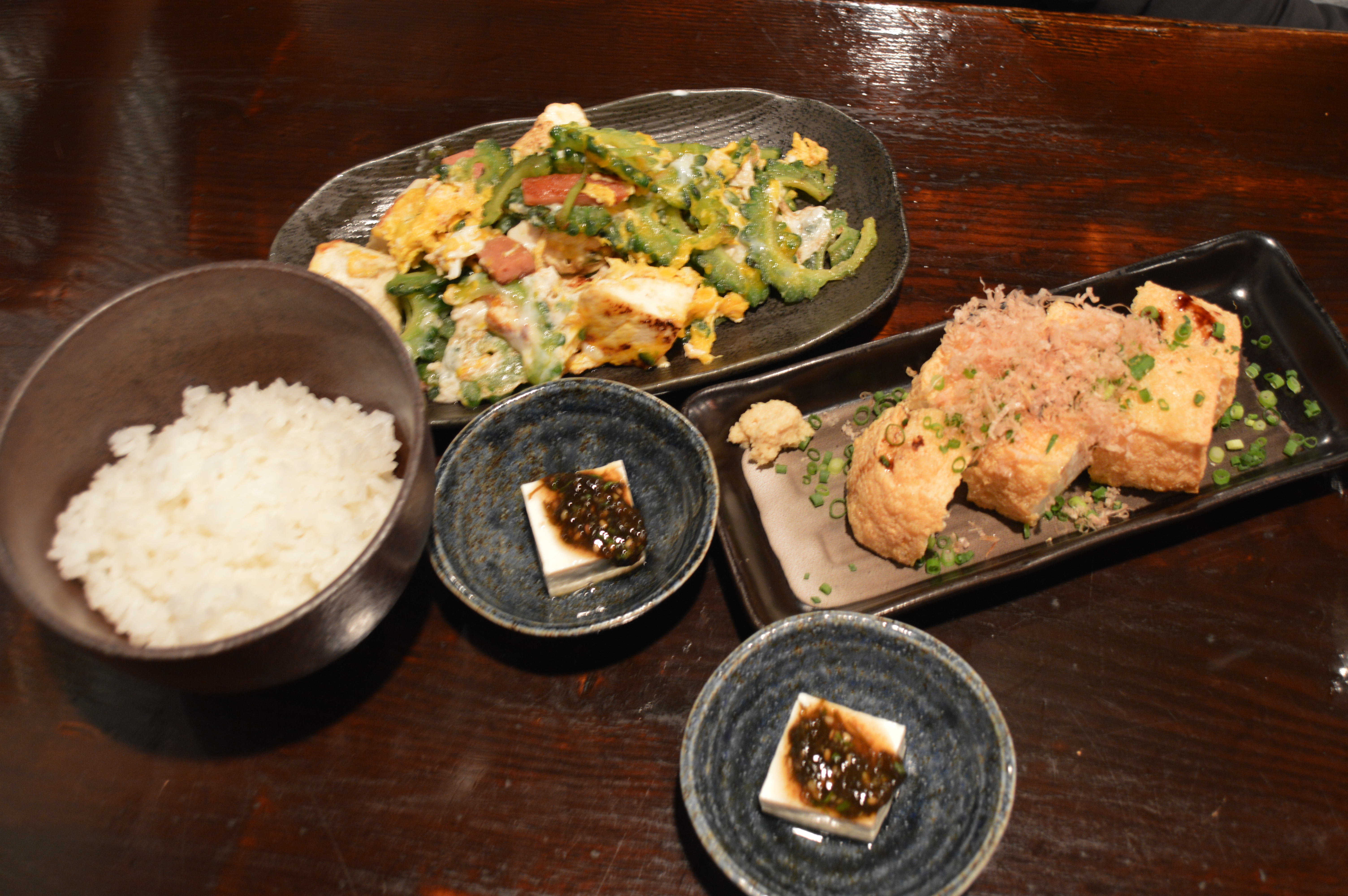
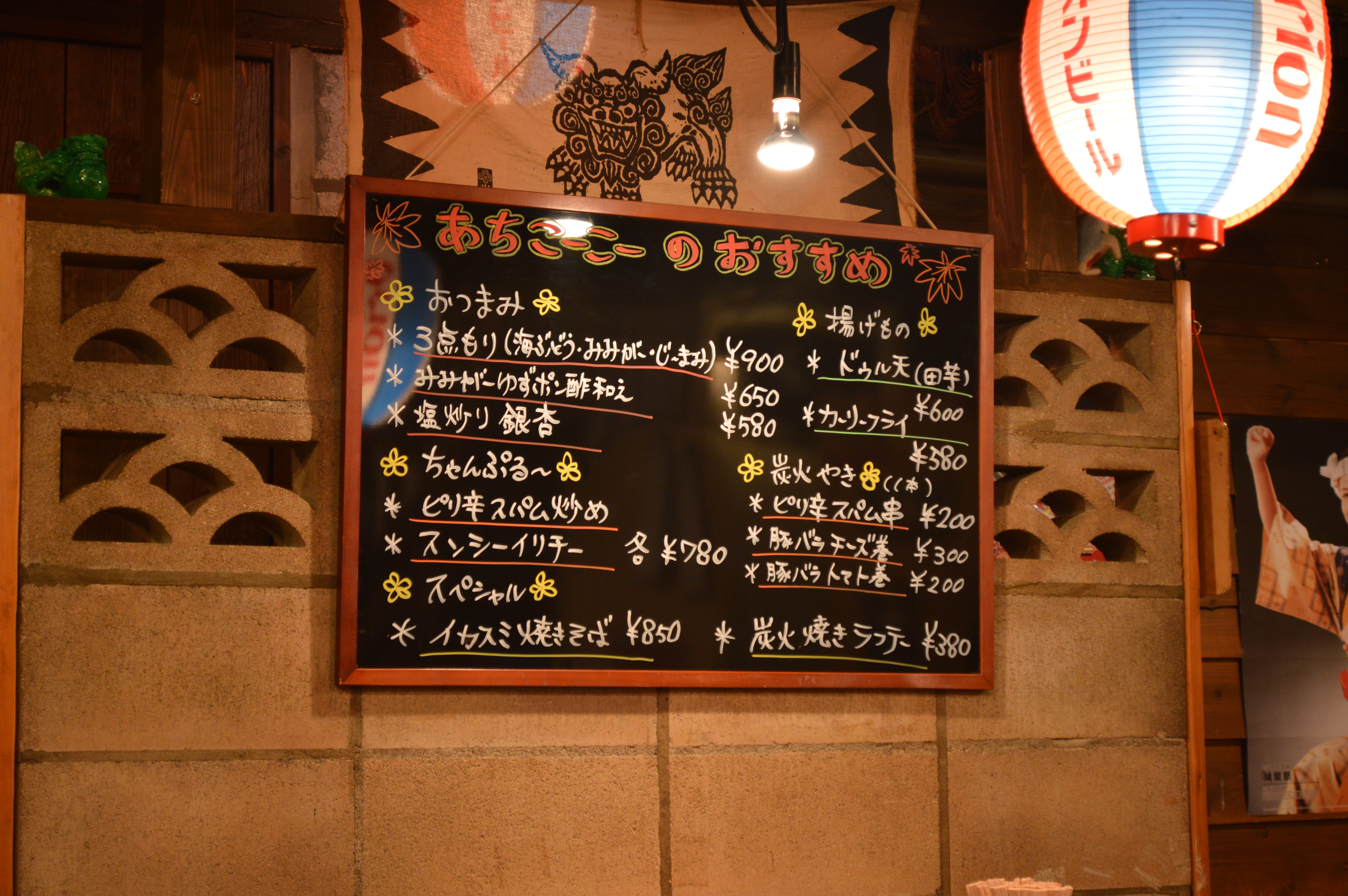
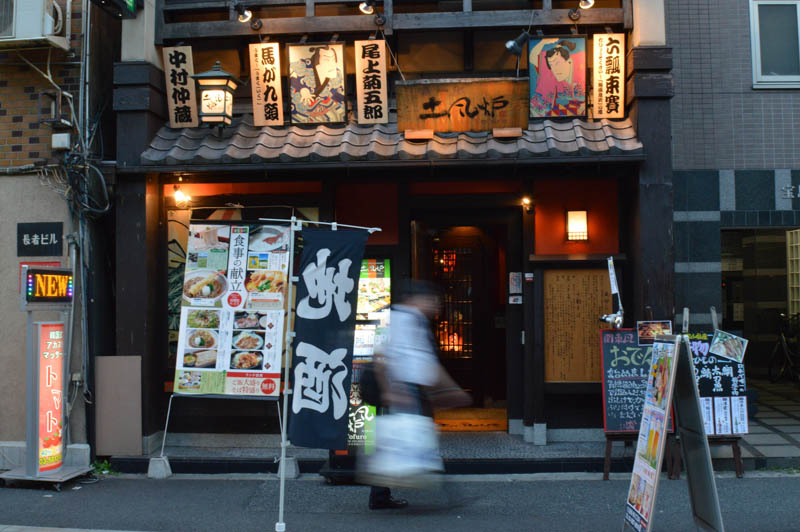
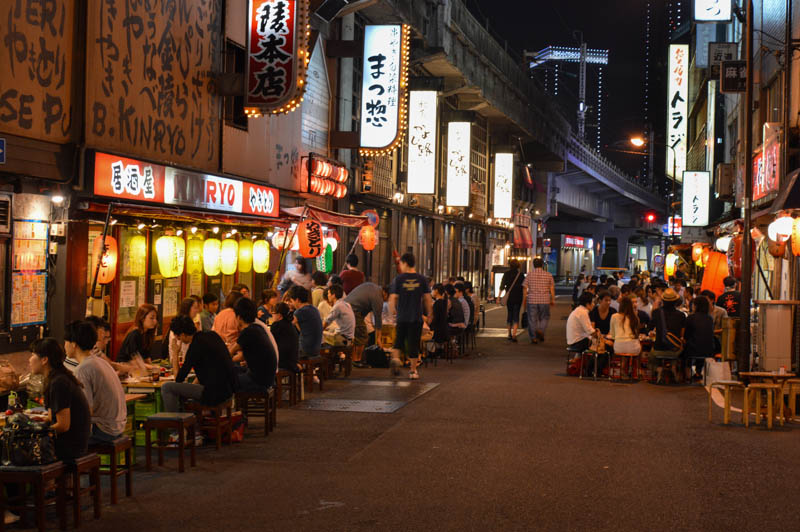
Last but not least, the food. The wonderful food had been retained. Every meal is delightfully presented, from take away to dining-in. Food outlets are generally small sized with 15 -20 seats. Outlets specialized in a particular type of food – noodles or tempura or sashimi. Then there are the wonderful “izakaya”, a pub like eatery with mixed street food fast- food style. The older, I feel more atmospheric, establishments are those under the railway lines, “gado-shita”. In places like Yurakocho and Omoide Yokocho, the old quarter joints prevail. This pleasant and charming mix of old and new; the glittering and ancient, give Tokyo its life. We loved it.

untitled-72

Tokyo – Tsukiji Market, Hama Rikyu

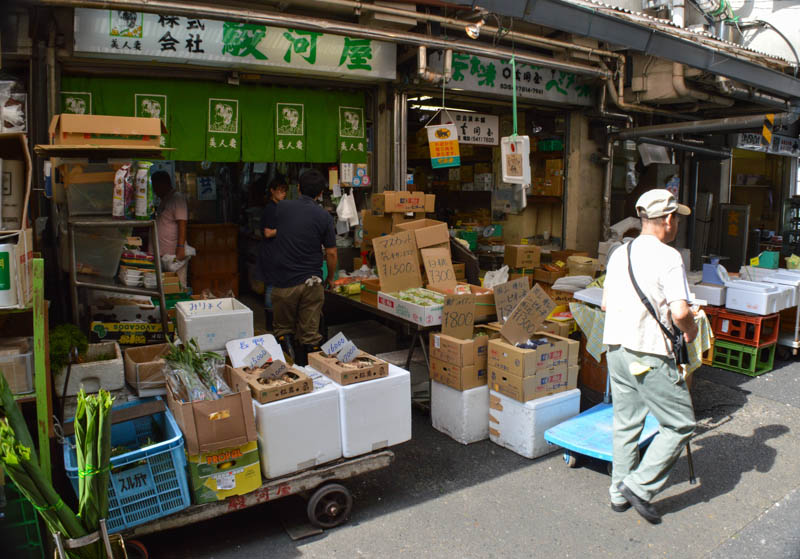
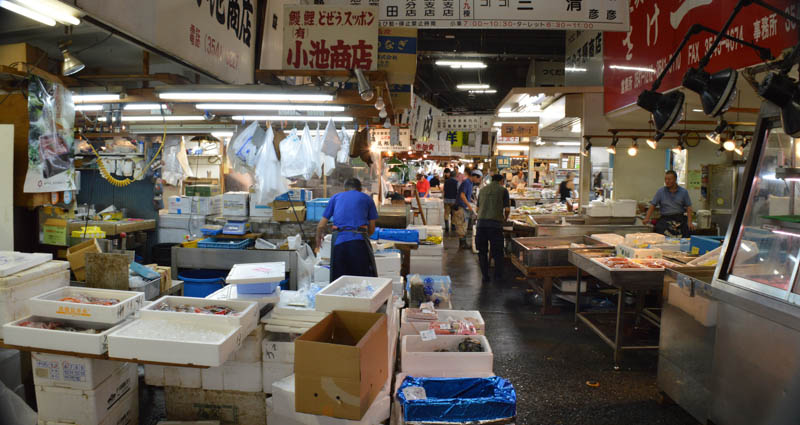
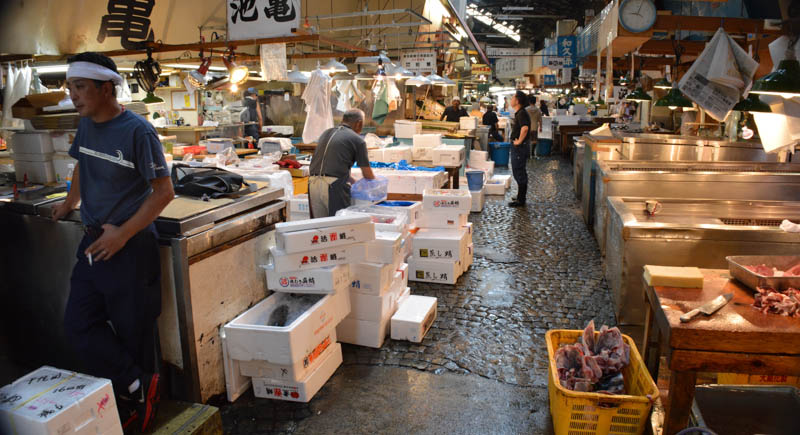
The loading zones, which are off limits, were stacked with stacks of polystyrene boxes and quick moving scooter like contraptions. Beside the inner market, we explored the outer markets. Small retail shops packed with home utensils, cutleries and kitchen items enticed buyers. In another part of the huge complex were the wholesale vegetable and fruits markets. These areas are not off limits and the locals shop here.

untitled-11

Apparently, there are plans for this atmospheric market to be moved. With this move, although justified as businesses grows, surge in visitor numbers and to cater the needs of everyone with safety in mind, the ambiance of a old market will certainly be lost.

On the adjacent main road, the usual traffic of cars, busses and pedestrians’ completed the picture. This is a typical working class neighbourhood almost a stone’s throw away from the shiny Ginza district.

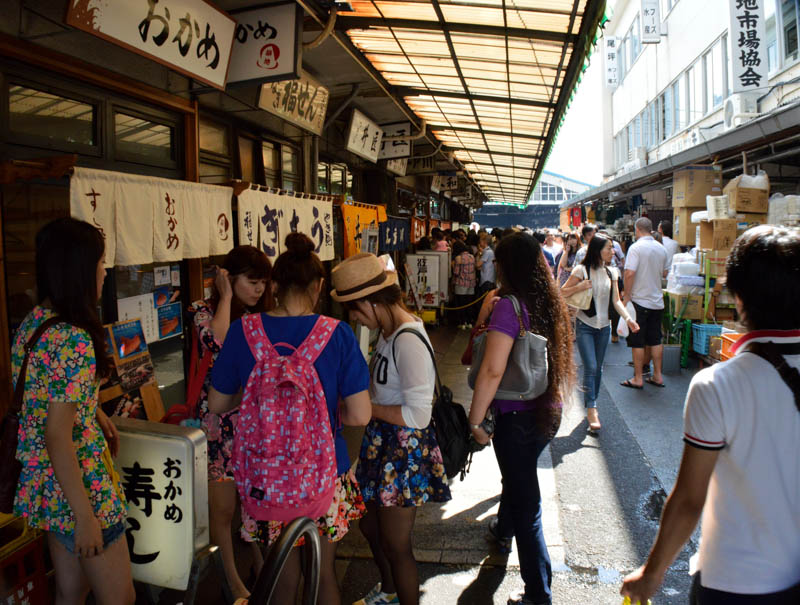
Several restaurants in blocks opposite the market offered the freshest seafood. Unfortunately, this Sunday, long queues of over sixty had already formed in almost all the outlets. I thought they were queuing up for the bus. Each outlet had only about fifteen seats. We wandered around to see what was on offer and to seek the shortest lines. This ended up being futile.

untitled-16

The sun was blazing and the time past 10am. Our stomach began to grumble. The most expensive dishes are sashimi, over ¥2000 per serving. We were all tormented with aromas wafting throughout these narrow and crowded walkways. We peeped inside a few restaurants. It was frantic, in a good way. A continuous flow of people flowed through the narrow doorways under fluttering “noren”. There are several rows of pathways in these blocks of restaurants.

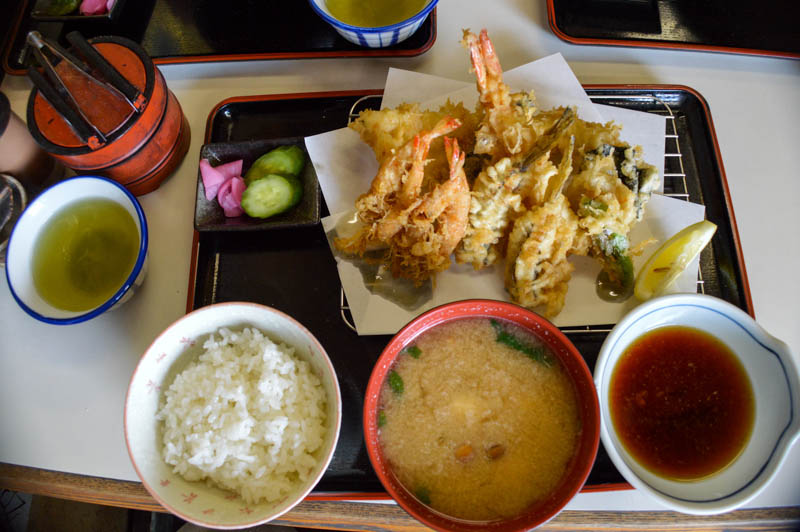
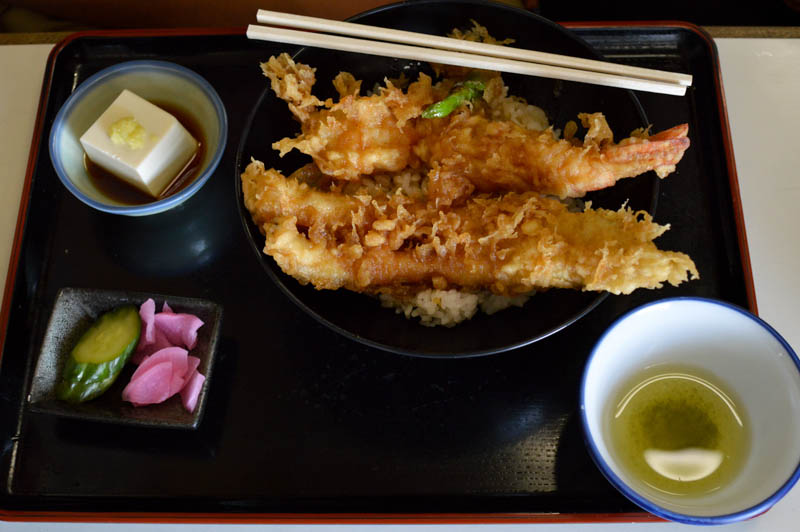
We ended up at a Tempura-Ya (only sold tempura). A few tables and a long bench catered for about 12 people. A lovely couple dished out hot tempuras of all sorts. Language is a challenge but fun. In the kitchen, the cook dressed in white continued to dip and fry those beautiful tempuras in an oversized wok filled with hot oil. The aroma was mouth- watering. I was salivating.

untitled-15untitled-12

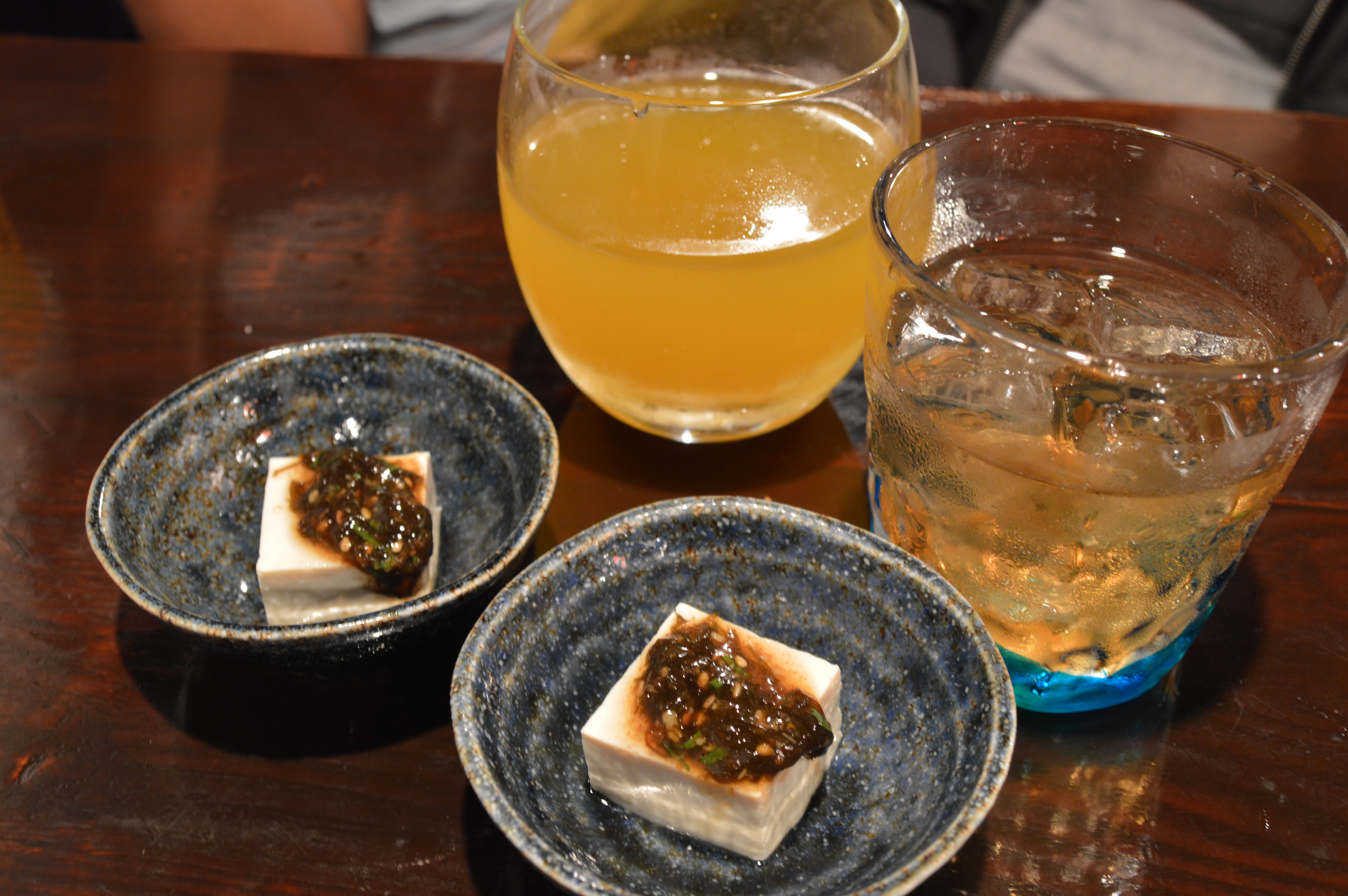
Seafood and vegetable tempuras in light batter, miso, vinigered rice, cold tofu with soy and pickled vegetables was the ideal breakfast to start the day. Heavenly flavours of sweet, sour, savoury and salty mingled on my palate. Navindd and I selfishly finished the red berry pickled fruit that was meant as an accompaniment. This was our first local experience of a typical Japanese cuisine. It was delicious and fulfilling. The small cosy setting gave us a sense of home cooking. Navindd was delighted as he loved Japanese cuisines.

“the presentation of food was impeccable and the food itself was delicious and satisfying” – Navindd
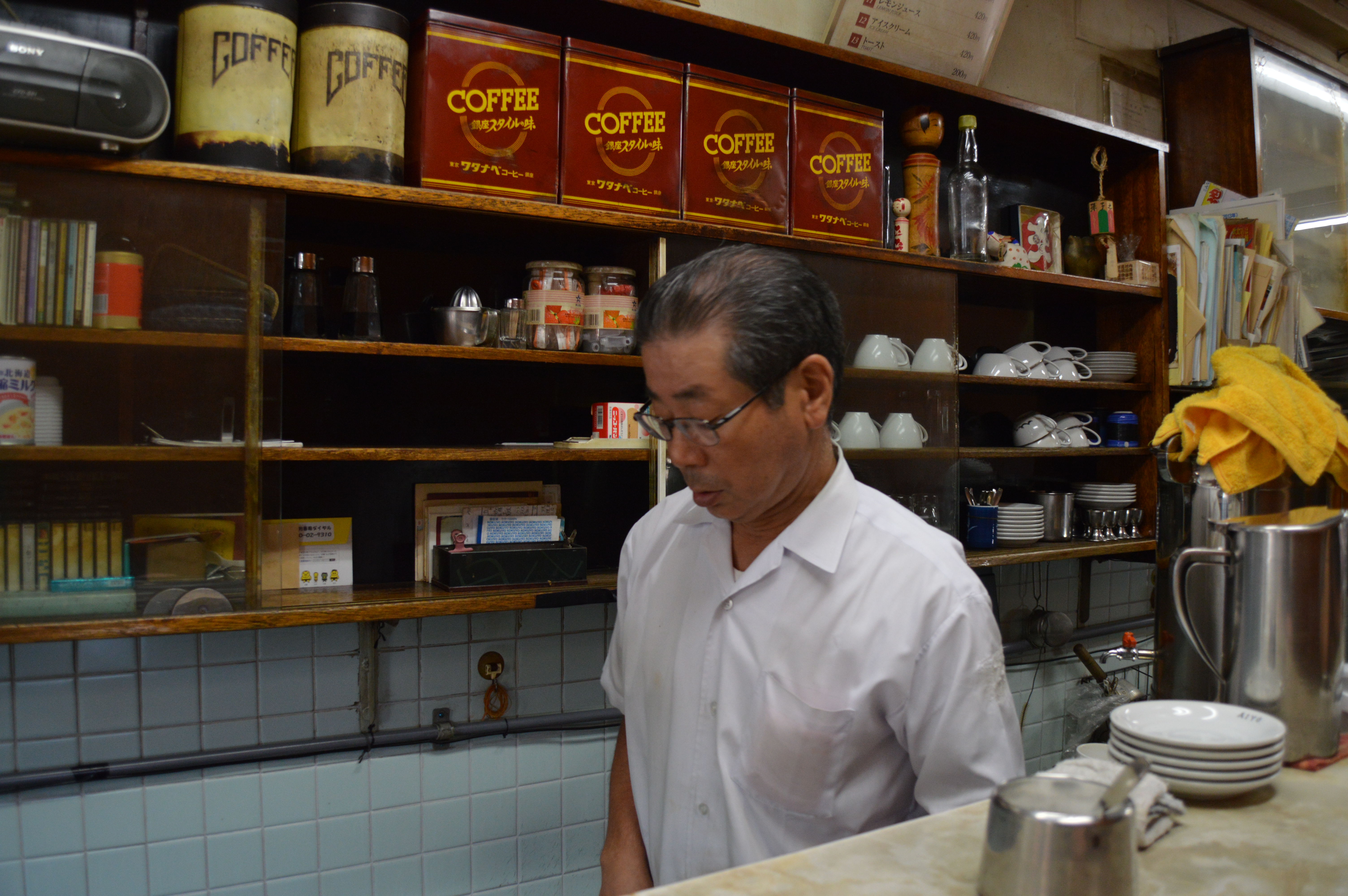
Next to the Tempura shop was a coffee shop. This was a pleasant surprise. An elderly man offered coffee to customers seated on a long bench. The coffee beans are blended here. Large tin containers were stacked on shelves. It was strong but the aroma was pleasant. The atmosphere was homely. I had 3 in 1 (ready to drink) tucked away, just in case.

DSC_0048

Hama Rikyu

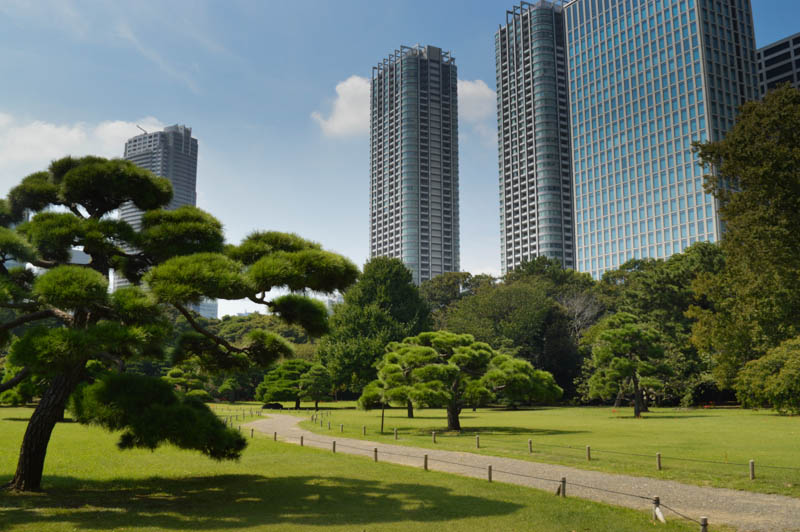
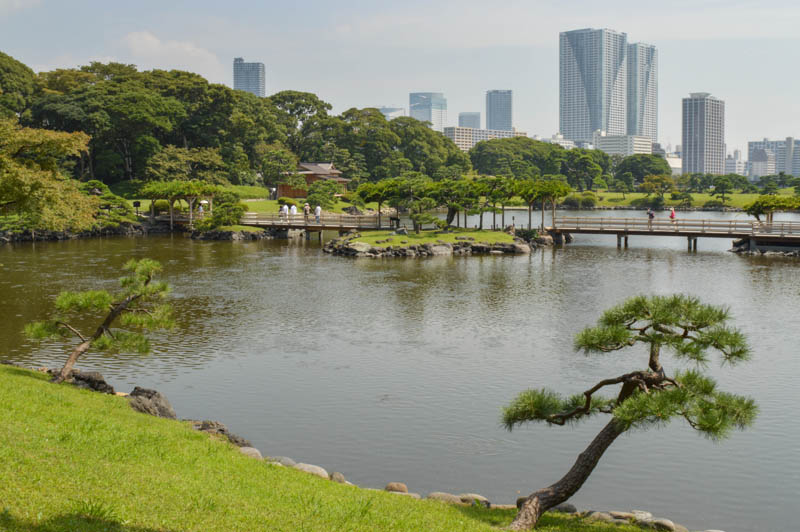
A short walk from the Tsukiji market is the delightful green lung – Hama Rikyu. The garden is decorated with pruned pines, ponds and manicured lawns. This park is adjacent to the shiny buildings of Shiodome. It is nice just to wander and contemplate in an unhurried manner. Some ponds are sea water managed intricately via flood gates. There is a lovely tea house to rest and taste. From here, we caught the water boat and sailed on the Sumida River to Asakusa. This is a lovely alternative way to see Tokyo.

untitled-17 untitled-20

“…..when you look up, you can see towering bodies of shimmering silver up above and green trees below. This contrast….makes Hama Rikyu a little bit more special” – Navindd
Tokyo – Tsukiji Market

untitled-2

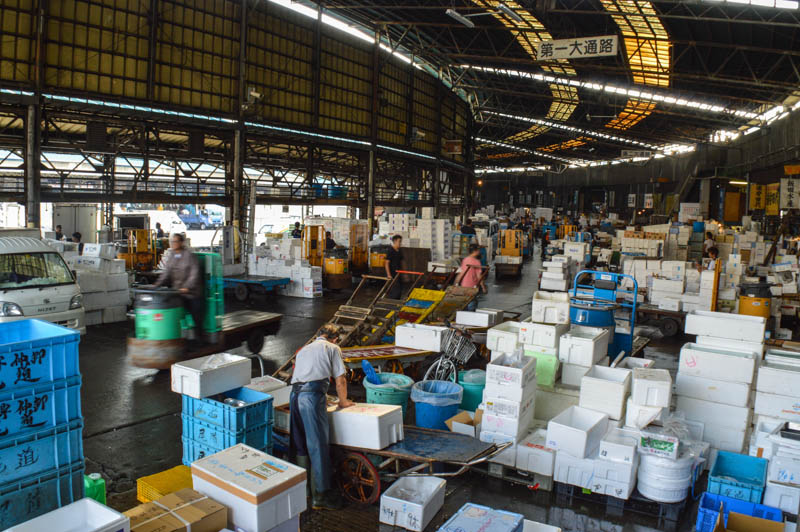
Our first visit was to the biggest seafood market in the world – Tsukiji Market, “Tsukiji Shijō”. From Tokyo Station, we caught the Yamanote Line to Shimbashi Station in Ginza District. We were dwarfed and enclosed by towering shinny buildings. Being a Sunday, the streets were quiet. From here, it was a short walk, based on the map we had. However, too many junctions and roads made it difficult to follow. Fortunately a local man was going in the same direction. It was around 9am and was already frantic as small motor vehicles darted and swerved as they carted styro foam boxes of seafood. Inside the covered building, all kinds of seafood were on display. Some of which we had no idea at all.

“…as we entered the warehouse, an overpowering smell of the ocean hit me like a brick wall. The scale of this place was absolutely huge”  – Navindd
untitled-4 untitled-6

Parts of this wholesale area are off limits before 9am. The popular tuna auctions take place very early in the morning and visitor numbers are limited. It was busy and the wholesalers were focused on their business. The pathways are narrow. Getting out of the wholesalers way is wise. Locals also shop here. Seafood here is carted and distributed daily around the country.

“Distributors drove small forklift- like machines, delivering goods for the thousands of shops there. I sometimes wondered how they found their way along this labyrinth of shops.” – Navindd
untitled-8

Tokyo – 1

This article is taken from my self published book – Beyond Sushi and Sashimi

After a ten hour flight to Kuala Lumpur, we quickly got acquainted with the much missed local food – “laksa”, “curry mee”, white coffee and toasted bread with “Hainanese” kaya. After a three hour transit, we were on our journey to Tokyo. At Tokyo’s Narita Airport, around 8pm, armed with a rail voucher, we headed for the Japan Rail office. We finally received our Japan Rail Pass in exchange. After a quick dinner of ramen and sushi, we boarded the Narita Express directly to Tokyo Station. It was a restful journey with views of towering buildings and neon lights. Tokyo Station was massive and throngs of people moved in all directions. It was 10pm. Restaurants and other retails shops were still doing brisk business. It looked like shopping mall crossed with a food court. Wonderful arrays of local delicacies were on display. People moved in all directions.

“The clouds, lit by the city lights, made it seem like the buildings were moving” – Navindd
untitled untitled-53

Tokyo Station is massive with several major lines passing through it. The underground seemed like a district by itself. Numerous food outlets dished out delicious delicacies from cooked food, bento boxes, and “mochi” deserts to restaurants – all within the Daimaru building. This alone covered three stories! The aroma, sight and the rumbling stomach all come together here. This complex is massive. Mind you, there are numerous exits and pathways. Being lost here seems like a delight. The calls and smiles of the vendors is a wonderful spectacle. We loved it here. Something new is discovered daily.

Our hotel was a short walk from the station in Yaesu and Nihonbashi Disrtict. There were all smiles at the hotel’s front desk. Bowing heads and uttering “sumimasen” and “Dōmo arigatō gozaimashita”, were the norm. The room was smallish but adequate to fit the three of us, and very clean. We choose this hotel for its proximity to the train station. After shower, we dressed up in the black and white chequered “Yukata”, robes that were provided. I expected the weather to be cooler but in contrast, pretty balmy. Tired but excited to begin our family adventure in Japan.

“My first impressions of Japan were that it was clean, organised and friendly” – Navindd
Earthbound Travel Stories